Table of Contents >> Show >> Hide
- What Is an XSPF File?
- Why Would Someone Use XSPF Instead of Another Playlist Format?
- What Does an XSPF File Look Like?
- How to Open an XSPF File
- How to Edit an XSPF File
- Can You Convert an XSPF File?
- Common XSPF Problems and How to Fix Them
- XSPF vs. M3U and M3U8
- Is an XSPF File Safe?
- Real-World Experiences With XSPF Files
- Conclusion
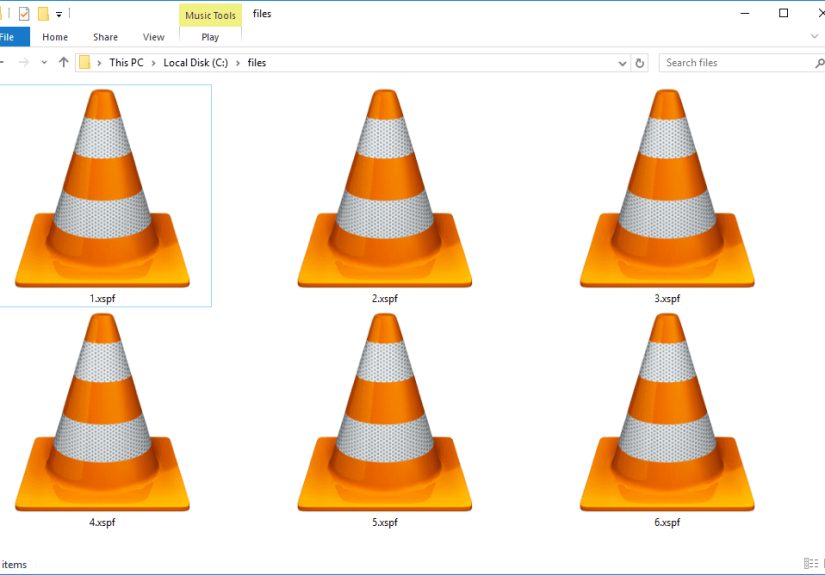
If you have stumbled across an XSPF file and immediately thought, “Great, another mysterious file extension sent here to ruin my afternoon,” take a deep breath. This one is a lot less dramatic than it looks. An XSPF file is usually not a song, not a movie, and definitely not a magical media treasure chest. It is a playlist file.
In plain English, an XSPF file tells a media player what to play and where to find the media. Think of it as a DJ’s set list rather than the music itself. That distinction matters, because it explains why people often double-click an XSPF file expecting instant playback and instead get confusion, error messages, or a blank stare from their computer.
This guide explains what an XSPF file is, how it works, how to open one on different systems, how to edit it, how to convert it properly, and how to fix the most common problems. By the end, XSPF should feel less like tech alphabet soup and more like a useful little playlist format with a very strong opinion about organization.
What Is an XSPF File?
XSPF stands for XML Shareable Playlist Format. It is a text-based playlist format built with XML, which means the file stores structured information in readable tags rather than hiding everything in some mysterious binary blob. That is good news for both humans and software.
An XSPF file does not contain the actual audio or video. Instead, it contains references to media files or stream locations. In other words, it may point to a local MP3 on your computer, a video file on an external drive, or even a web stream, but the XSPF file itself is only the roadmap.
This is why an XSPF file is often much smaller than the media it represents. A three-minute song might be several megabytes, while the XSPF file that references it could be tiny. It is basically a very organized note that says, “Play this, then this, then this.”
Why Would Someone Use XSPF Instead of Another Playlist Format?
Good question. Playlist formats are not exactly rare. M3U, M3U8, and PLS have been hanging around for years. XSPF exists because it aims to be more structured, more portable, and easier for software to parse cleanly.
Because it is XML-based, XSPF can store playlist information in a format that is easier to validate and extend. That makes it attractive for developers, power users, and apps that want a standard way to share playlists across systems. If M3U is the handwritten grocery list stuck to the fridge with a magnet, XSPF is the neatly formatted spreadsheet that color-codes the produce section.
XSPF can also hold more than just file locations. Depending on the file and the software that created it, it may include metadata such as playlist title, track title, creator, album, duration, and extension data used by specific apps. That extra structure makes it more flexible than some older playlist formats.
What Does an XSPF File Look Like?
One of the most useful things about XSPF is that it is readable. Open it in a text editor and you will usually see plain XML markup. A simplified example looks like this:
The important part is the <location> tag. That is where the media player learns what to load. If those file paths or URLs are wrong, the playlist will not work. And that is the source of about 90 percent of XSPF-related frustration right there.
How to Open an XSPF File
The best way to open an XSPF file depends on what you want to do. Do you want to play the playlist, edit it, or just figure out what on earth is inside it? Those are three slightly different missions.
Open It in a Media Player
If your goal is playback, use a media player that supports XSPF. VLC Media Player is the most common choice and usually the easiest one. It works across Windows, macOS, Linux, and other platforms, which makes it the safe recommendation when you just want the file to cooperate.
In many cases, you can open VLC first and then use the app’s menu to open or import the playlist. That matters because some systems do not automatically associate the XSPF extension with VLC, and double-clicking the file can fail even when VLC is installed.
Open It in a Text Editor
If you want to inspect or edit the file, open it with a text editor such as Notepad, Notepad++, Visual Studio Code, Sublime Text, or TextEdit. Because XSPF is plain XML text, you can read the paths, spot missing files, correct broken URLs, or update track references without any fancy software.
This is also the fastest way to confirm whether the playlist points to local files, remote streams, or media that has long since gone missing into the digital wilderness.
Open It on Windows
On Windows, right-click the file and choose Open with. If VLC appears in the list, select it. If not, choose another installed app or set a default app for the .xspf extension in Settings > Apps > Default Apps.
If Windows still acts confused, show file extensions in File Explorer so you can verify that the file is really .xspf and not something similar. Mistaken identity is surprisingly common in the land of file extensions.
Open It on Mac
On a Mac, Control-click the file, choose Open With, and select a compatible app such as VLC. If you want all XSPF files to open with the same app, use Get Info, expand Open with, choose your app, and click Change All.
If macOS says there is no app set to open the file, that usually means you need to install a compatible player first or choose a text editor to inspect the XML contents.
Open It on Linux
Linux users usually have a few solid options, especially VLC and other open-source media players. If the playlist does not open by double-clicking, launch the media player first and import the file manually. Linux is wonderful, but it occasionally expects you to be on speaking terms with your file associations.
How to Edit an XSPF File
Editing an XSPF file is often easier than people expect. Since it is XML, you can change it with any text editor. That means you can:
- update broken file paths
- replace old drive letters or folder locations
- swap out dead stream URLs
- reorder entries manually
- rename playlist or track metadata
Be careful with the XML structure. If you delete a closing tag, break the quotation marks, or mangle the nesting, the file may stop working. XML is helpful, but it also has that one friend in the group project energy: very organized, very strict, not especially forgiving.
A smart workflow is to make a backup copy before editing. That way, if your changes turn the playlist into electronic spaghetti, you can roll back and try again.
Can You Convert an XSPF File?
Yes, but only in the right way.
You can convert an XSPF file to another playlist format, such as M3U or M3U8, using compatible software like VLC. That is a normal, sensible conversion, because you are converting one playlist file into another playlist file.
What you cannot do is convert an XSPF file directly into MP3, MP4, WAV, MOV, or another media format. Why not? Because the XSPF file does not contain the actual media. It only points to the media.
If someone says they want to convert XSPF to MP3, what they usually mean is one of these two things:
- They want to find the real audio files referenced in the playlist.
- They want to save or download the stream the playlist points to.
That is a very different task from converting the XSPF file itself. The playlist is the directions. The MP3 is the destination.
Common XSPF Problems and How to Fix Them
The File Opens but Nothing Plays
This usually means the referenced media files have moved, been deleted, or are no longer available at the listed URL. Open the XSPF file in a text editor and inspect the <location> entries. If the paths are stale, update them.
Double-Clicking Does Nothing
Your system may not have a default app associated with .xspf. Set VLC or another supported media player as the default app for that extension.
The Playlist Used to Work on Another Computer
That often happens when the original playlist references absolute file paths tied to a specific folder structure. If the media files live in different locations on the new machine, the playlist breaks. XSPF is portable in theory, but real-world portability still depends on the referenced files being reachable.
The File Looks Like Gibberish
If it opens in the wrong app, you may see raw XML and think something is broken. It is not. That just means you opened the playlist as text instead of opening it in a media player.
You Think It Is a Video File
This is the classic trap. XSPF can point to videos, but the XSPF file itself is not a video. If you downloaded one expecting an instant movie, your computer was not being rude. It was being accurate.
XSPF vs. M3U and M3U8
XSPF and M3U formats do similar jobs, but they are not identical twins. M3U and M3U8 are simpler and still widely used, especially for streaming playlists. XSPF is more structured and XML-based, which makes it easier to validate and extend.
If you want a lightweight, widely supported playlist, M3U may be enough. If you want a more explicit format with cleaner structure and room for metadata, XSPF has advantages. Which one is better depends on your workflow, your software, and your tolerance for XML angle brackets.
Is an XSPF File Safe?
An XSPF file is usually just text, so the format itself is not inherently dangerous in the way an executable file might be. Still, caution is smart. Since an XSPF file can point to remote media or streams, the real risk is less about the playlist and more about the source it references.
If you received the file from an unknown source, inspect it in a text editor first. Check whether it points to suspicious URLs or unfamiliar locations. If the file is trying to send your media player on a mystery tour of the internet, a quick look under the hood is worth the extra minute.
Real-World Experiences With XSPF Files
In practice, most people do not go looking for XSPF files the way they go looking for vacation photos or tax documents. XSPF files usually appear unexpectedly. They show up after exporting a playlist from one app, downloading a radio station list, saving a streaming queue, or moving media from one computer to another. That surprise factor is part of why the format feels more confusing than it really is.
One very common experience is downloading what looks like a media file, only to discover it is an XSPF playlist. The user expects a song or video, double-clicks the file, and gets either a blank app window or an “input can’t be opened” style error. At first, that feels like the file is broken. In reality, the playlist is doing its job; it is the referenced media that is missing, blocked, or no longer online. The lesson is simple: the playlist is not the content. It is the signpost.
Another frequent experience happens after moving a music library. Someone carefully organizes hundreds of songs, exports a playlist, and later copies everything to a new drive. Suddenly the XSPF file stops working. Why? Because the old file paths still point to the original folders. This is the moment when many users open the playlist in a text editor for the first time and realize the file is not mysterious at all. It is just very literal. If it says D:MusicOldFoldertrack01.mp3, that is exactly where it will look. If the file now lives on another drive, the playlist needs an update.
There is also the very normal experience of using VLC as the emergency solution. Plenty of users find that their default app has no idea what to do with an XSPF file, while VLC opens it without much drama. That is one reason VLC has such a loyal following. It often behaves like the universal translator of media formats: not glamorous, but incredibly dependable when your computer has started making poor life choices.
For people who edit XSPF files directly, the experience is often surprisingly empowering. Once you realize the playlist is readable XML, it becomes much easier to troubleshoot. You can fix a typo in a path, replace an old stream URL, reorder tracks, or confirm whether a file is local or web-based. The format stops feeling obscure and starts feeling practical.
Finally, there is the experience of realizing that XSPF is actually pretty sensible. It is not flashy. It will never win the popularity contest against common media formats. But when you need a shareable, structured playlist file that can be opened, inspected, and repaired without special tools, XSPF quietly proves its worth. It is the kind of format that makes more sense the longer you use it, which is honestly more than can be said for a lot of tech.
Conclusion
An XSPF file is a structured, XML-based playlist file that tells a media player what to play and where to find it. It is not the media itself, which is the key idea that clears up most confusion. Once you know that, the rest falls into place: open it in VLC or another compatible player for playback, open it in a text editor for inspection, and convert it only to other playlist formats rather than expecting it to become an MP3 or MP4 by magic.
For everyday users, the best strategy is simple. If the file will not play, check the app association first. If that fails, inspect the XML and verify the media paths. If the files were moved, update the locations. And if all else fails, let VLC take a swing at it. That orange traffic cone has saved many digital lives.