Table of Contents >> Show >> Hide
- Why a Tablecloth Makes an Excellent DIY Christmas Tree Skirt
- How Big Should Your Christmas Tree Skirt Be?
- What You Need
- Best Tablecloth Fabrics for This Project
- How to Turn a Tablecloth Into a Christmas Tree Skirt
- No-Sew Christmas Tree Skirt From a Tablecloth
- Easy Style Ideas to Make It Look Custom
- Mistakes to Avoid
- Can You Use a Vintage or Thrifted Tablecloth?
- How to Store It After the Holidays
- What the Finished Look Adds to Your Tree
- Holiday Experience Notes: What This Project Feels Like in Real Life
- Conclusion
There are two kinds of holiday decorators in this world: the people who buy a brand-new Christmas tree skirt every year, and the people who look at an old tablecloth and think, “You, my festive little overachiever, are about to get a second career.” This article is for the second group.
If you want a charming, budget-friendly, surprisingly polished way to dress up the base of your tree, turning a tablecloth into a Christmas tree skirt is one of the easiest DIY Christmas decor projects you can tackle. It works with round, square, or even slightly mysterious thrift-store tablecloths that somehow followed you home because they were “too cute to leave behind.” Better yet, this project can be sewn, no-sew, fancy, rustic, vintage, minimalist, farmhouse, or gloriously extra.
A good Christmas tree skirt does more than look pretty. It softens the hard lines of the stand, hides the tangle of cords and metal legs, catches stray needles from a real tree, and gives the whole setup that finished, magazine-worthy look. And when you use a tablecloth, you already have a large piece of fabric with color, pattern, texture, and often a nicely finished edge. In other words, you are starting halfway up the mountain instead of in the parking lot.
Why a Tablecloth Makes an Excellent DIY Christmas Tree Skirt
A tablecloth is basically a tree skirt waiting for its big holiday break. It is already designed to drape well, cover a wide area, and add visual interest to a room. Many tablecloths also come in classic holiday-friendly fabrics like cotton, linen blends, plaid, ticking stripe, damask, or quilted material. That means you can skip the overwhelming fabric-store spiral of “Do I need interfacing? Bias tape? Emotional support?” and jump right into making something adorable.
Here is why this trick works so well:
It is budget-friendly
You can use a tablecloth you already own, pick one up at a thrift store, or grab an inexpensive seasonal option after the holidays when prices drop faster than your self-control in the cookie aisle.
It is beginner-friendly
If you can measure, fold, and cut carefully, you can make a simple Christmas tree skirt. If you can also iron or use fabric glue, congratulations: you now have options.
It gives you more style choices
Want a cottage-style skirt with ruffles? Use a floral or lace-edged tablecloth. Want a modern look? Go with linen, velvet, or a clean neutral print. Want the tree to look like it belongs in a cozy cabin with a pie cooling nearby? Plaid has entered the chat.
It is a smart upcycling project
Repurposing textiles is one of the easiest ways to create custom decor without wasting good fabric. A tablecloth that no longer fits your dining table can still look fantastic under the tree.
How Big Should Your Christmas Tree Skirt Be?
Before you cut into your future masterpiece, figure out the size you need. This is the part where we avoid making a tree skirt so tiny it looks like a napkin, or so huge it turns the living room into a festive tripping hazard.
As a general guide, tabletop trees often work with skirts around 18 to 20 inches. Trees around 4 to 5 feet tall usually look good with a skirt somewhere in the 20- to 40-inch range, depending on how full the tree is. For many standard full-size Christmas trees, a 48- to 60-inch skirt is the sweet spot. Another helpful rule is to measure the width of your tree at the base and add about 6 to 10 inches so the skirt peeks out beyond the branches without swallowing the floor.
If you are using a round tablecloth, life is easier. You may only need to cut the center opening and the slit. If you are using a square or rectangular tablecloth, you can absolutely still do this. You will just cut it into a circle first, or embrace a square tree skirt if that suits your style. Square skirts can look especially good in rustic, quilted, or patchwork designs.
What You Need
You do not need a craft room that looks like a television set. You just need a few basics:
- One tablecloth
- Measuring tape
- Fabric chalk or a washable marker
- Sharp fabric scissors
- Pins or clips
- Iron
- Sewing machine, needle and thread, or iron-on hem tape
- Optional trim: pom-poms, ribbon, ric-rac, lace, tassels, or faux fur edging
- Optional closure: ribbon ties, Velcro dots, snaps, or buttons
If you want a no-sew Christmas tree skirt from a tablecloth, iron-on hem tape and fabric glue can do a lot of the heavy lifting. If you sew, even basic straight stitches are enough for a polished finish.
Best Tablecloth Fabrics for This Project
Not every tablecloth is equally dreamy for a DIY Christmas tree skirt. Some fabrics behave beautifully. Others act like they were personally offended by scissors.
Cotton
Cotton is easy to cut, easy to sew, easy to iron, and usually easy to wash. It is one of the safest choices for beginners.
Linen or linen blend
Linen gives a soft, natural, upscale look. It is especially good for neutral, Scandinavian, farmhouse, or vintage-inspired holiday decor.
Quilted or padded tablecloths
These create a fuller, cushier skirt with extra texture. They are great for cozy or traditional decorating styles.
Velvet or velour
If you want a glam Christmas tree skirt, velvet is gorgeous. It can slide around a bit while cutting, so go slowly and pin well.
One fabric to think twice about is anything that attracts dust, pet hair, or floor fuzz like it is training for the Olympics. Super fuzzy materials can be cute, but if you have pets, they may become an all-inclusive resort for lint.
How to Turn a Tablecloth Into a Christmas Tree Skirt
Step 1: Wash and press the tablecloth
Start by washing the tablecloth if needed and ironing it flat. This helps you measure accurately and keeps you from cutting a crooked shape because of wrinkles that looked “close enough.” Close enough is how holiday regret begins.
Step 2: Decide on the final diameter
Measure your tree and choose the finished width of your skirt. If you want a 48-inch skirt, your radius is 24 inches. That number matters when you mark your circle.
Step 3: Fold and mark the fabric
For a round skirt, fold the tablecloth into quarters if the shape allows. Mark the center point. Use a string, tape measure, or homemade compass to measure from the center to the outer edge all the way around. This gives you a neat circle without needing a giant craft template, because most of us do not casually store one next to the roasting pans.
Step 4: Cut the outer shape
If your tablecloth is already round and the size works, skip this part. If it is square or rectangular, carefully cut along your marked circle. Save the leftover fabric. You can use it for ties, bows, appliqué, or matching gift wrap accents.
Step 5: Cut the center hole
The opening in the middle should be just large enough to fit around the trunk or stand post. Start small. You can always make it bigger, but you cannot un-cut fabric, sadly, even at Christmas.
Step 6: Cut a slit from the edge to the center
This allows you to wrap the skirt around the tree after the stand is in place. Most people cut one straight slit from the outer edge to the center opening.
Step 7: Finish the raw edges
You have three easy choices:
- Sewn hem: Fold the raw edge under twice and stitch.
- Iron-on hem tape: Fold the edge and fuse it with heat.
- Trim finish: Cover the edge with ribbon, bias tape, pom-pom trim, or lace.
If your tablecloth already has a decorative finished outer edge, preserve it if you can. That is free style, and free style is everybody’s favorite style.
Step 8: Add closures
At the slit, add ribbon ties, Velcro, snaps, or buttons so the skirt stays closed around the trunk. Ribbon ties are beginner-friendly and charming. Velcro is fast and practical. Buttons are cute if you want a slightly more handmade look.
No-Sew Christmas Tree Skirt From a Tablecloth
If sewing is not your thing, do not worry. You can still make a cute Christmas tree skirt from a tablecloth without touching a sewing machine.
Use fabric scissors for clean cuts, then finish the raw edges with iron-on hem tape. If you want extra personality, glue pom-pom trim or ribbon around the edge. A plain tablecloth can become festive quickly with a contrast border in red velvet ribbon, black-and-white gingham, gold ric-rac, or cream faux fur trim.
This method is especially useful for last-minute decorators, apartment dwellers, and anyone who believes the phrase “simple holiday DIY” should actually mean simple.
Easy Style Ideas to Make It Look Custom
The magic of this project is that it does not have to look homemade in the “I made this during a power outage with panic in my eyes” sense. It can look genuinely custom.
Add trim
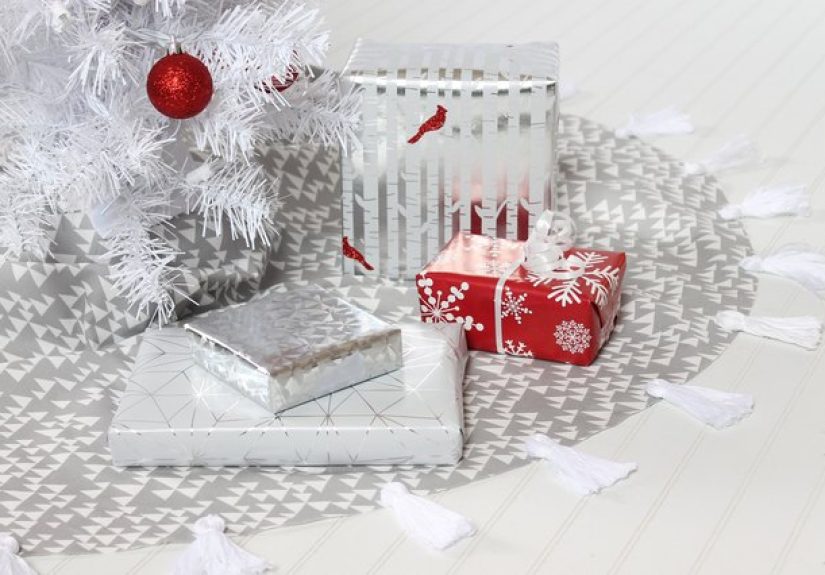
Pom-pom fringe makes the skirt playful. Velvet ribbon looks rich. Lace feels vintage. Faux fur adds softness. Even a simple contrast band around the edge can make a basic tablecloth feel intentional.
Use stencils or fabric paint
Add snowflakes, stars, tiny trees, initials, or a subtle holiday border. This works especially well on plain cotton or linen tablecloths.
Layer texture
If your tree decor is simple, the skirt can bring the personality. Try ruffles, quilting, appliqué, or a combination of burlap and soft trim for contrast.
Match your decor theme
For farmhouse Christmas decor, use ticking stripe, burlap-look fabric, or red plaid. For modern holiday decor, choose cream, taupe, black, or muted green with minimal embellishment. For a vintage look, hunt for embroidered or lace-trimmed tablecloths at thrift stores.
Mistakes to Avoid
Even an easy project has a few traps. Fortunately, they are avoidable.
Cutting the center hole too large
Keep it small at first. A giant center opening can make the finished skirt look sloppy and expose the stand.
Skipping the press
Wrinkled fabric throws off measurements and makes cutting less accurate. Iron first, then cut.
Using a skirt that is too small for the tree
If the branches swallow the skirt completely, you lose the decorative effect. Let it extend beyond the lowest branches enough to be seen.
Ignoring the tree stand setup
Make sure your skirt design still allows access to the stand, especially if you have a real tree that needs water. Cute is good. Cute and functional is elite.
Can You Use a Vintage or Thrifted Tablecloth?
Absolutely, and honestly, that may be the best version of this project. Vintage tablecloths often have embroidery, scalloped edges, delicate prints, or old-school holiday patterns that new fabric tries very hard to imitate. A thrifted find can give your tree skirt character right away.
Check for stains, weak spots, or brittle fibers before cutting. If the center of the cloth has damage, that may not matter much because you are cutting a center opening anyway. That is what we in the DIY world call a plot twist with benefits.
How to Store It After the Holidays
Once the season ends, shake out dust and needles, spot-clean or wash according to the fabric type, and fold it neatly with tissue paper if it has trim or embellishments. Store it in a dry bin or linen bag. If you used ribbon ties or fragile pom-poms, avoid cramming it into a box like you are stuffing a sleeping bag back into its tiny sack of lies.
What the Finished Look Adds to Your Tree
A homemade tree skirt changes the whole mood of a Christmas tree. It softens the base, creates a landing spot for wrapped gifts, and ties the decorating scheme together from top to bottom. More importantly, it can feel personal in a way store-bought decor sometimes does not. You remember where the tablecloth came from. You remember the afternoon you made it. You remember the dog trying to sit on it halfway through. It becomes part of the story of the season, not just another thing under the tree.
And that is really the charm of making a cute Christmas tree skirt from a tablecloth. It is practical, affordable, creative, and just scrappy enough to be satisfying. It lets you turn something old into something festive without needing advanced sewing skills or a giant budget. It is the kind of project that looks impressive to guests, but secretly makes you feel smug in the best possible way because you know the truth: this beauty used to cover the dining table during someone’s potato salad era.
Holiday Experience Notes: What This Project Feels Like in Real Life
One of the best things about making a Christmas tree skirt from a tablecloth is that it rarely feels like a high-pressure craft project. It feels more like a useful holiday win. You start with something familiar, spread it across the floor or dining table, and suddenly you can picture the finished result before you have even made the first cut. That is a nice change from some DIY projects, which begin with blind optimism and end with a trip to the hardware store.
In real homes, this project tends to solve a bunch of annoying little decorating problems at once. Maybe your store-bought tree skirt is too small. Maybe the color clashes with your ornaments. Maybe you waited too long to shop and the only skirts left online are either wildly overpriced or look like a glitter blizzard. A tablecloth gives you control. You can choose the exact look you want, whether that is cozy plaid, simple linen, soft velvet, classic red, or something quirky and vintage that makes the tree feel more personal.
There is also something satisfying about using fabric that already has a history. An old holiday tablecloth can make the tree feel warmer and more layered, especially if it came from a family closet, a thrift store, or a memorable trip. Even a plain white or cream cloth can become special once you add trim, ties, or hand-painted details. It starts as “just fabric” and ends up looking like part of your holiday tradition.
People also tend to underestimate how helpful this project is for mixed decorating styles. If your ornaments are sentimental and mismatched, a simple neutral skirt helps calm everything down. If your tree is minimal, the skirt can add pattern and texture. If you have kids, you can let them help choose pom-poms, ribbon, or painted details, which makes the whole thing feel less like decor and more like memory-making. If you have pets, well, the tree skirt may become the unofficial nap zone, so pick a fabric you can clean without drama.
Another real-life advantage is flexibility. If you do not finish in one afternoon, nothing is ruined. You can cut the basic shape one day, hem it the next, and add embellishments later. Even the simplest version still works. That makes it a great project for busy households during the holiday season, when time disappears mysteriously and someone is always asking where the tape went.
Most of all, this kind of DIY tends to become the decor you keep. It is not just trendy for one December. You can pull it out year after year, remember how easy it was to make, and quietly enjoy the fact that it still looks cute. That is the sweet spot for holiday crafting: something affordable, practical, personal, and charming enough that people assume you bought it from a boutique. You do not have to correct them, of course. A little Christmas mystery keeps things festive.
Conclusion
If you have been looking for an easy holiday project with a big visual payoff, this is it. A tablecloth can become a cute Christmas tree skirt with just a few measurements, a careful cut, and either a quick hem or a no-sew finish. The result is custom-looking decor that hides the tree stand, supports your decorating style, and costs far less than many store-bought options. Whether you use a thrifted floral cloth, a crisp linen round, a plaid hand-me-down, or a brand-new seasonal textile, the finished piece can make your tree feel more polished and more personal. In the crowded world of Christmas crafts, that is a pretty great return on investment for one humble piece of fabric.