Table of Contents >> Show >> Hide
- First: Why You Can’t Truly Shrink Pores
- 9 Tips That Actually Help Pores Look Smaller
- 1) Cleanse like a grown-up (gentle, consistent, not aggressive)
- 2) Choose “non-comedogenic” and “oil-free” when your skin is clog-prone
- 3) Exfoliate smart: use BHA (salicylic acid) for congestion
- 4) Add a retinoid (retinol or adapalene) for texture + long-term support
- 5) Don’t skip moisturizer (dehydrated skin can look more textured)
- 6) Try niacinamide for oil control and smoother-looking texture
- 7) Wear broad-spectrum sunscreen every day (yes, even when it’s cloudy)
- 8) Hands off: stop picking, over-extracting, and “power washing” your face
- 9) Consider in-office options for stubborn texture
- A Simple Routine to Minimize the Look of Pores
- Common Myths (and Why They Won’t Save You)
- When to See a Dermatologist
- Real-Life Experiences: What It’s Like Trying to “Shrink Pores”
- Conclusion
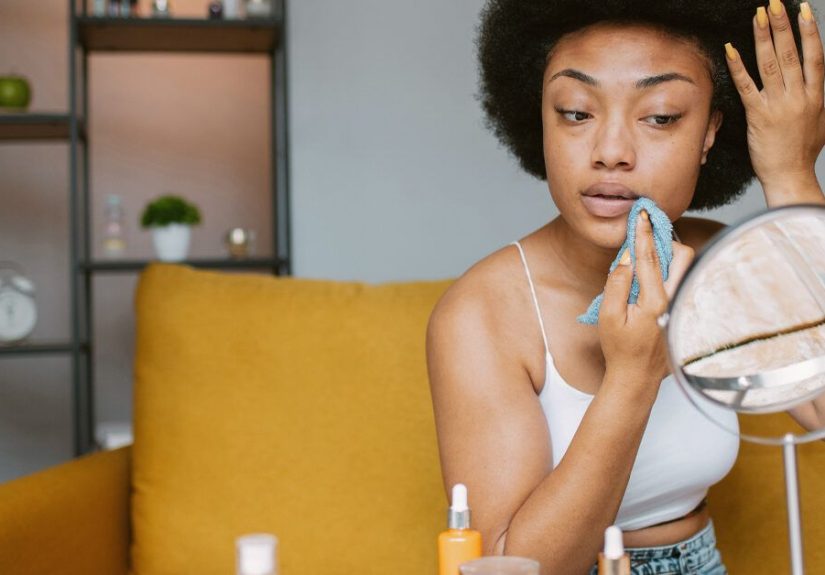
If you’ve ever stared into a magnifying mirror and thought, “My pores are basically potholes” — welcome.
You’re in very good company. The internet is packed with hacks that promise to “shrink pores overnight” (usually involving ice, egg whites,
or vibes). Here’s the truth: you can’t permanently shrink your pores. But you can make them look smaller, smoother, and less noticeable
by keeping them clear, supporting your skin barrier, and protecting collagen.
Think of pores like the opening of a tiny tunnel (hair follicle + oil gland). That opening can look bigger when it’s clogged, stretched by oil,
or surrounded by less-supportive skin (hello, sun damage and aging). So the goal isn’t to “shrink the tunnel” — it’s to
reduce the things that make the entrance look larger.
First: Why You Can’t Truly Shrink Pores
Pore size is largely influenced by genetics and skin type. If your family has visible pores, your pores may be more noticeable too. On top of that,
pores can appear larger when:
- Oil and dead skin collect inside (congestion/blackheads stretch the opening visually).
- Acne and inflammation make texture more obvious.
- Sun damage breaks down collagen and elastin, so the surrounding skin doesn’t “hold” as tightly.
- Aging reduces collagen naturally over time, which can make pores more visible.
The good news: the same habits that help your pores look smaller also tend to improve acne, texture, and glow. In other words:
you’re not doomed — you’re just dealing with biology.
9 Tips That Actually Help Pores Look Smaller
1) Cleanse like a grown-up (gentle, consistent, not aggressive)
If pores are little openings, then keeping them clear is step one. Cleansing twice daily (and after heavy sweating) helps remove oil, sunscreen, makeup,
and daily grime before it turns into congestion.
- Do: use lukewarm water, a gentle cleanser, and your fingertips.
- Don’t: scrub like you’re sanding a deck. Irritation can make pores look more obvious.
Example: If you wear sunscreen and makeup, double cleanse at night (oil/balm first, gentle cleanser second).
2) Choose “non-comedogenic” and “oil-free” when your skin is clog-prone
Products that clog pores can make them look larger over time simply because you’re constantly packing the opening with stuff. Look for labels like
non-comedogenic, oil-free, and won’t clog pores on moisturizers, sunscreen, and makeup.
Also: clean your makeup brushes, stop applying foundation with a sponge that last saw soap in 2022, and remove makeup before bed.
Your pores would send a thank-you card if they could.
3) Exfoliate smart: use BHA (salicylic acid) for congestion
Salicylic acid (a BHA) is oil-soluble, which is fancy science language for “it can get into oily pore gunk and help clear it out.”
Regular, gentle chemical exfoliation can reduce blackheads and make pores look less obvious.
- Best for: oily skin, blackheads, visible congestion, “strawberry” texture on the nose.
- How often: start 2–3 nights/week and increase slowly if tolerated.
- Watch-outs: dryness, peeling, stinging. If that happens, back off and moisturize.
Example routine swap: replace a harsh scrub with a leave-on 1–2% BHA a few nights per week.
4) Add a retinoid (retinol or adapalene) for texture + long-term support
Retinoids are the overachievers of skincare: they help with cell turnover (so pores clog less), acne, uneven texture, and signs of sun damage.
Over time, they can also support collagen, which may improve the look of pores as skin becomes smoother and more resilient.
- Over-the-counter options: retinol or adapalene (commonly used for acne).
- Prescription option: tretinoin (talk to a clinician).
- How to start: 2 nights/week, pea-sized amount, moisturize after, and increase slowly.
Pro tip: If you feel dry or irritated, try the “moisturizer sandwich”: moisturizer → retinoid → moisturizer.
5) Don’t skip moisturizer (dehydrated skin can look more textured)
It sounds backwards, but dry or dehydrated skin can make pores and texture look more pronounced because the surface becomes rougher and less reflective.
A lightweight, non-comedogenic moisturizer supports the skin barrier, reduces irritation from actives, and helps your routine actually work long-term.
Look for: ceramides, glycerin, hyaluronic acid, or soothing ingredients (especially if you use acids or retinoids).
6) Try niacinamide for oil control and smoother-looking texture
Niacinamide (vitamin B3) is a crowd-pleaser: it can help with oiliness, visible redness, and overall texture. For some people, it also makes pores look
less noticeable by improving how smooth and balanced the skin appears.
- Typical use: once daily (or twice daily if your skin likes it).
- Beginner-friendly: many people do well with lower-to-mid concentrations.
Example: Add a niacinamide serum in the morning under moisturizer and sunscreen.
7) Wear broad-spectrum sunscreen every day (yes, even when it’s cloudy)
Sun exposure breaks down collagen and elastin over time, which can make pores more visible as the surrounding support structure weakens.
Daily broad-spectrum sunscreen helps protect against UVA/UVB and supports smoother-looking skin long-term.
- What to look for: broad-spectrum + SPF 30 or higher.
- If you break out from sunscreen: try a lightweight gel, fluid, or mineral option labeled non-comedogenic.
- Bonus: hats and shade help too.
8) Hands off: stop picking, over-extracting, and “power washing” your face
Squeezing blackheads can irritate skin, cause inflammation, and sometimes lead to marks or scarring — all of which can make pores look more obvious.
Same with aggressive scrubs, cleansing brushes used too often, or high-strength actives piled on like a skincare lasagna.
Better plan: use salicylic acid or a retinoid consistently, and consider professional extraction if needed.
9) Consider in-office options for stubborn texture
If you’ve nailed the basics and pores are still living their best visible life, professional treatments may help improve overall texture and the
appearance of enlarged pores. Options commonly used by dermatology professionals include:
- Chemical peels (help smooth texture and clear congestion).
- Microneedling (used to improve texture and can help the appearance of pores in some people).
- Laser or energy-based resurfacing (targets texture and signs of sun damage).
These aren’t one-size-fits-all, and they’re not always cheap — but for the right candidate, they can move the needle (sometimes literally).
A Simple Routine to Minimize the Look of Pores
Morning (simple and effective)
- Gentle cleanser (or just rinse if you’re dry/sensitive).
- Niacinamide (optional).
- Lightweight moisturizer.
- Broad-spectrum sunscreen SPF 30+ (non-negotiable).
Night (where the magic actually happens)
- Cleanse (double cleanse if you wore makeup/sunscreen).
- Alternate actives: BHA 2–3 nights/week or retinoid 2–3 nights/week (don’t start both daily at once).
- Moisturizer to support your barrier.
Consistency note: Many people don’t see meaningful texture changes until they’ve been steady for several weeks. Pores didn’t
become noticeable overnight, and they don’t calm down overnight either.
Common Myths (and Why They Won’t Save You)
- Ice cubes “close” pores: Cold can temporarily reduce redness/puffiness, but it doesn’t change pore structure.
- Alcohol-based toners: They may feel “clean” but often over-dry and irritate, which can worsen texture.
- More exfoliation = smaller pores: Over-exfoliation can damage your barrier and make pores look worse.
When to See a Dermatologist
If you have persistent acne, painful breakouts, significant scarring, or irritation that won’t settle, a dermatologist can help you build a plan that
fits your skin (and your lifestyle). Prescription retinoids, acne treatments, and professional procedures can be game-changers when over-the-counter routines
hit a wall.
Real-Life Experiences: What It’s Like Trying to “Shrink Pores”
Let’s talk about the part nobody puts on the front of the skincare bottle: the emotional roller coaster of trying to “fix” pores.
A lot of people start in the same place — a bathroom mirror, harsh lighting, and a sudden belief that everyone else in the world has airbrushed skin
as their natural setting. (Spoiler: they don’t. They have filters. And good bathroom lighting. Witchcraft.)
One common experience goes like this: someone buys a strong scrub because it feels satisfying — gritty means it’s working, right? For about two days,
skin feels “squeaky clean,” makeup sits okay, and confidence returns. Then the rebound hits: tightness, flaking, and a shiny T-zone that somehow looks
both oily and irritated. The pores didn’t shrink. They just got a spotlight. This is usually the moment people realize pores don’t respond to
punishment. They respond to consistency.
Another classic scenario: the “product pile-up.” Someone adds a salicylic acid toner, a retinol, a clay mask, a peel, and a “clarifying”
serum — all in the same week — because the label said “refining.” At first, it feels like being proactive. A week later, the skin barrier
sends an angry memo: stinging, redness, patchy dryness, and suddenly everything looks textured. The lesson most people learn (sometimes the hard way) is:
you don’t win the pore game by throwing the entire skincare aisle at your face. You win by choosing two or three proven tools and using them calmly.
A surprisingly hopeful experience is when someone commits to small changes and notices “quiet wins.” Not dramatic, viral, overnight miracles — but
real improvements: foundation stops sinking into the nose area as much. Blackheads look lighter. The skin feels smoother when you wash it. People often report that
this happens when they focus on three basics: cleansing gently, using one pore-clearing active (like a BHA or retinoid), and wearing sunscreen daily.
The pores didn’t physically shrink, but the appearance shifted because congestion and irritation went down.
There’s also the “makeup reality check” experience. Many people notice their pores look bigger at 3 p.m., not 9 a.m. That’s usually oil
plus product breakdown plus life. Switching to non-comedogenic products, using a lighter base, or blotting (instead of piling on powder like frosting)
can make a big difference. It’s not about hiding pores; it’s about working with your skin’s natural rhythms. If your skin gets oily, it’s
going to get oily. The goal is to keep the oil from mixing with dead skin and turning into visible congestion.
Finally, one of the most relatable experiences is learning to stop negotiating with the magnifying mirror. Up close, everyone has pores. Everyone.
When people step back and evaluate their skin the way the rest of the world sees it (from a normal distance, under normal light), the obsession often softens.
And that’s where these tips shine: they improve texture, tone, and clarity in ways that show up in real life — not just in a 10x mirror that was
basically designed to ruin your morning.
Conclusion
You can’t permanently shrink pores because pores aren’t drawstrings. But you can make them look smaller by keeping them clear,
minimizing irritation, supporting collagen, and sticking with a simple routine long enough to see results. Gentle cleansing, smart exfoliation, retinoids,
niacinamide, moisturizing, and daily sunscreen are the boring heroes — and boring is good when it works.