Table of Contents >> Show >> Hide
- Table of Contents
- Quick Facts
- Light: Low to Bright Indirect
- Watering: The #1 Place People Mess Up
- Soil & Pot: Drainage Is Non-Negotiable
- Temperature & Humidity
- Fertilizer: Optional, Not Required
- Repotting & Root Health
- Pruning, Cleaning, and Keeping It Pretty
- Propagation: Division, Leaf, and Stem Methods
- Common Problems & Fixes
- Toxicity & Pet/Child Safety
- Placement & Styling Ideas
- Quick FAQs
- of Real-Life ZZ Plant Experiences (What People Commonly Notice)
- 1) The “Nothing’s happening… and then BAM” growth spurt
- 2) The “I watered it like my other plants” regret
- 3) The office ZZ that becomes the unofficial employee of the month
- 4) The “Is it fake?” compliment
- 5) Propagation patience (and the leaf-cutting science fair)
- 6) The “Raven ZZ” drama phase
- 7) The biggest confidence boost: it forgives mistakes
- Conclusion
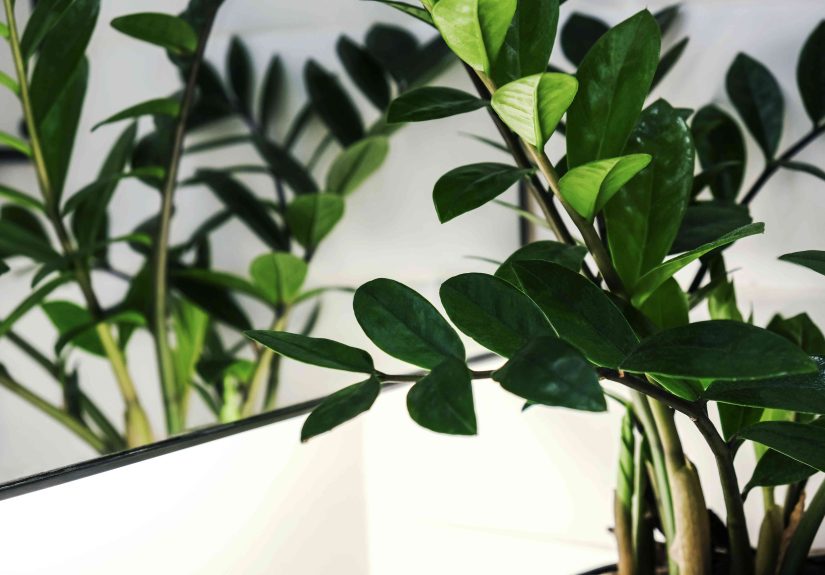
If you want a houseplant that looks like it gets a weekly spa treatment but actually thrives on “oops, I forgot,”
meet the ZZ plant (Zamioculcas zamiifolia). It’s glossy, sculptural, slow-growing in a dignified way, and famously
tolerant of low light and irregular watering. Translation: it’s the plant equivalent of a friend who shows up looking
put-together even when they definitely hit snooze five times.
This guide covers ZZ plant care from the basics to the nitty-gritty: light, watering, soil, repotting, propagation,
troubleshooting, and safety (yes, it’s a “look, don’t snack” plant for pets and kids). You’ll also get practical examples,
a few “if X, then Y” tips, and a final section of real-world experiences many ZZ owners run intoso you feel prepared
instead of personally rejected by a plant that simply grows at its own pace.
Quick Facts
- Botanical name: Zamioculcas zamiifolia
- Common names: ZZ plant, Zanzibar gem, eternity plant, aroid palm
- Why it’s popular: Tolerates low light, drought, and busy schedules
- Growth style: Upright, waxy “stems” (actually leaf stalks) emerging from underground rhizomes
- Biggest risk: Overwatering (it’s tough, but it’s not a submarine)
- Pet note: Irritating/toxic if chewed or swallowedplace thoughtfully
A key to ZZ plant success is understanding how it “stores backups.” Under the soil, it has thick rhizomes that hold water.
That’s why it can go longer between waterings than many common houseplantsand why soggy soil can cause rot fast.
Light: Low to Bright Indirect
ZZ plants are famous for surviving low lightthink offices, corners, or rooms where other plants slowly give up on their dreams.
But “survive” and “thrive” aren’t the same thing. For the best growth and fuller foliage, aim for bright, indirect light.
What “bright, indirect” looks like in real life
- Near an east-facing window (gentler morning light)
- A few feet back from a bright south or west window (filtered by distance or sheer curtain)
- Under strong indoor lighting (yes, ZZ can handle fluorescent/LED, especially in offices)
Can a ZZ plant handle direct sun?
Direct, intense sun can scorch leavesespecially if the plant was living in low light and suddenly gets promoted to “beach vacation.”
If you want it closer to a sunny window, acclimate slowly: move it in steps over 1–2 weeks.
Low light trade-off
In low light, the ZZ plant typically grows more slowly and may produce fewer new stalks. That’s normal. It’s not pouting; it’s budgeting.
Watering: The #1 Place People Mess Up
If there’s a “how to accidentally harm a ZZ plant” starter pack, it’s watering too often. ZZ plants are drought-tolerant.
They do best when the soil dries out between wateringssometimes all the way down.
The simplest watering rule
Water only when the potting mix is dry. Not “kinda dry,” not “dry-ish,” but actually dry.
A practical watering decision checklist
- Finger test: Stick your finger 2 inches into the soil. If you feel moisture, wait.
- Pot weight test: Lift the pot. A dry pot feels noticeably lighter than a wet one.
- Season check: Growth slows in fall/winter, so watering usually slows too.
- Light check: Lower light = slower drying = longer time between waterings.
“How often?” examples (because life wants a number)
- Bright indirect light, average indoor temps: Often every 2–3 weeks
- Low light office corner: Often every 3–5+ weeks
- Warm room + fast-draining soil + terracotta pot: Possibly every 10–20 days
Instead of chasing a strict schedule, chase the soil dryness. ZZ plants don’t read calendars, but they do respond to soggy roots.
How to water correctly (and not flood the rhizome pantry)
- Water slowly until excess drains from the bottom.
- Empty the saucer so the plant doesn’t sit in water.
- Don’t water again until the soil is dry.
If your ZZ is in a decorative cachepot (a pot with no drainage), keep it in a nursery pot inside and remove it to water.
Otherwise, it’s basically living in a bathtub it can’t climb out of.
Soil & Pot: Drainage Is Non-Negotiable
ZZ plants are not picky about luxury soil, but they are picky about drainage. A well-draining mix helps prevent root and rhizome rot.
Best potting mix options
- Easy mode: A quality indoor potting mix amended with extra perlite
- Fast-drain option: Cactus/succulent mix (or a 50/50 blend of potting mix + cactus mix)
- DIY blend: 2 parts potting mix + 1 part perlite + 1 part orchid bark (chunky, airy, forgiving)
Pot choice matters
- Always use drainage holes.
- Terracotta helps soil dry faster (nice if you’re an enthusiastic waterer).
- Plastic retains moisture longer (nice if your home is very dry or warm).
Pick your pot based on your habits. If you tend to “just add a little water,” terracotta and a fast-draining mix can save you from yourself.
Temperature & Humidity
ZZ plants like typical indoor conditions: warm, stable, and not dramatically drafty. They prefer temperatures above about 60°F,
and long exposure to colder temps can stress them. Avoid placing the plant near cold windows, uninsulated doors, or blasting HVAC vents.
Humidity
Good news: ZZ plants are usually fine in average household humidity. You don’t need a rainforest terrarium or a humidifier that sounds like a spaceship.
If your air is extremely dry, it may still do finejust keep watering conservative and watch for crispy tips from overall dryness or salt buildup.
Fertilizer: Optional, Not Required
ZZ plants aren’t heavy feeders. If your plant is healthy and you repot occasionally, fertilizer can be minimal.
That said, a small boost during active growth can help.
Simple fertilizing plan
- Feed in spring and summer (and early fall if it’s still actively growing).
- Use a balanced houseplant fertilizer at half strength about once a month (or even less often).
- Skip feeding in winter when growth slows.
More fertilizer does not mean faster growthespecially for a slow-growing plant. Overfertilizing can cause salt buildup and stressed roots.
Think “snack,” not “all-you-can-eat buffet.”
Repotting & Root Health
ZZ plants don’t need frequent repotting. Many do well being slightly snug in their pot.
Repot when the plant is clearly crowded (roots circling heavily, rhizomes pressing the pot, or the pot cracking).
When to repot
- Typically every 2–3 years, depending on growth rate and pot size
- Best done in spring or early summer
How to repot without drama
- Choose a pot only 1–2 inches wider than the current pot.
- Use fresh, well-draining mix.
- After repotting, water lightly (or wait a few days if the mix is already slightly moist).
If you discover mushy roots or rhizomes during repotting, trim the damaged parts with clean scissors, let cuts dry briefly,
and repot into a drier, better-draining mix. Then water sparingly until it stabilizes.
Pruning, Cleaning, and Keeping It Pretty
A ZZ plant is naturally tidy. You don’t need to prune much, but you can remove older stalks if they yellow or flop.
Always cut close to the soil line with clean shears.
Cleaning the glossy leaves
Dust dulls shine and reduces light absorption. Wipe leaves occasionally with a damp, soft cloth.
Many experts recommend skipping leaf shine productsZZ leaves are already glossy, and polishing isn’t necessary.
Rotate for even growth
Rotate the pot a quarter turn every few weeks if it’s leaning toward the light. It helps maintain a balanced, symmetrical look.
Propagation: Division, Leaf, and Stem Methods
ZZ plants can be propagated, but patience is part of the deal. The fastest method is division; leaf cuttings are the slowest
(but surprisingly satisfying if you enjoy plant science experiments).
1) Division (best method for most people)
- Unpot the plant during repotting.
- Gently separate rhizomes into clumps with roots attached.
- Pot each clump into its own well-draining mix.
- Water lightly and let it settle.
Division gives you an instant “new plant” look because each division already has established rhizomes and stalks.
2) Stem cuttings (moderate speed)
- Cut a healthy stalk close to the soil.
- Let the cut end dry for a few hours.
- Place in water or moist, well-draining mix.
- Wait for roots and new rhizome formation (this can take weeks to months).
3) Leaf cuttings (slow, but doable)
You can root individual leaflets in soil or water, but it can take a long time to form a small rhizome and then send up new growth.
If you try this, treat it like a long-term project, not a weekend craft.
Pro tip: Warmth, bright indirect light, and conservative watering improve your odds for all propagation methods.
Common Problems & Fixes
Yellow leaves
The most common cause is overwatering. Check the soil: if it’s wet, pause watering and improve drainage.
If the mix stays soggy for days, consider repotting into a faster-draining blend.
Some yellowing of an older stalk can also happen naturally over time. Look for a pattern:
one old stalk fading is normal; multiple stalks yellowing at once usually points to water issues.
Soft, mushy stems or a bad smell
That’s a red flag for rot. Unpot the plant, inspect roots and rhizomes, trim damaged areas, and repot into fresh, dry, airy mix.
Then water sparingly until the plant stabilizes.
Wrinkled stems or droopy growth
This can happen with extended underwatering. Give a thorough watering (with drainage) and then let the soil dry again.
ZZ plants bounce back well, but avoid swinging from “desert” to “swamp.”
Brown tips
- Dry air or inconsistent watering
- Mineral/salt buildup from fertilizer or hard water
- Old damage (once brown, it won’t turn green again)
Trim brown tips for looks, flush the soil occasionally with a deep watering and full drainage, and ease up on fertilizer if you’ve been feeding often.
Pests (rare, but possible)
ZZ plants generally have few pest issues, but they can occasionally attract mealybugs, scale, or spider mites.
Signs include sticky residue, tiny webbing, or cottony clusters on stems and leaf bases.
- Wipe pests off with a cotton swab dipped in rubbing alcohol (spot test first).
- Use insecticidal soap if the infestation persists.
- Isolate the plant while treating to protect neighbors.
“My ZZ plant isn’t growing”
ZZ plants are slow by nature. They often grow in spurts, especially in brighter conditions and warmer months.
If it looks healthyglossy leaves, firm stalks, no widespread yellowingit may simply be taking its time.
Toxicity & Pet/Child Safety
ZZ plants contain irritating compounds (often discussed in the context of calcium oxalate crystals in many common houseplants).
If chewed or swallowed, they can cause mouth irritation and digestive upset in petsand they can irritate humans too.
Safety habits that actually work
- Place the plant out of reach of pets and small children (high shelf, plant stand, or room divider zone).
- Wear gloves if your skin is sensitive, especially when pruning or repotting.
- Wash hands after handling sap or cut plant parts.
If a pet chews any houseplant and seems unwell, contact your veterinarian or a pet poison hotline promptly.
(This is one reason ZZ plants shine in offices: fewer curious mouths, more appreciative eyeballs.)
Placement & Styling Ideas
Because the ZZ plant has strong, upright lines, it’s a natural fit for modern interiors, minimalist spaces, and anyone who wants
that “designer plant” vibe without a designer watering schedule.
Great spots for a ZZ plant
- Entryway corners that get ambient light
- Bedrooms with bright indirect light (it’s not fussy)
- Office desks or credenzas under strong overhead lighting
- Living rooms where it can be a sculptural, glossy focal point
Varieties you might see
- ‘Raven’ ZZ: Dramatic dark foliage that matures to deep purple-black tones
- Variegated ZZ: Creamy/yellow-white variegation (often needs brighter light to maintain pattern)
Style tip: pair a ZZ plant with a matte pot (ceramic or concrete look) for contrast. The shiny foliage pops and looks intentionallike you hired a plant stylist.
Quick FAQs
Is the ZZ plant a good low-light houseplant?
Yes. It’s one of the most tolerant low-light houseplants commonly sold, though it grows faster and fuller with brighter indirect light.
Should I mist my ZZ plant?
Usually unnecessary. Average home humidity is fine. If you mist, do it lightly and avoid creating constantly damp conditions in the soil.
Why are my ZZ plant stems leaning?
Often a light issue (reaching toward a window) or the natural weight of mature stalks. Rotate the plant and ensure it’s in bright indirect light.
Can I keep a ZZ plant outdoors?
In warm climates it can be used in shaded outdoor areas, but it’s most commonly grown as an indoor houseplant. Protect it from cold and harsh sun.
of Real-Life ZZ Plant Experiences (What People Commonly Notice)
I don’t have personal houseplants, but I can tell you what many ZZ plant owners commonly experiencebecause the ZZ has a very consistent personality:
calm, slow, and quietly judgmental of overwatering. If you’ve ever wondered, “Is it normal that nothing happened for months?” welcome to the club.
1) The “Nothing’s happening… and then BAM” growth spurt
A classic ZZ storyline is months of stillness followed by a sudden batch of new shoots. People often assume the plant is stuck,
but ZZ plants frequently grow in bursts when conditions line upusually brighter indirect light, warmth, and a watering rhythm that lets soil dry fully.
The new stalks can appear quickly, almost like the plant had a secret construction crew working underground.
2) The “I watered it like my other plants” regret
Many folks treat ZZ plants like pothos or peace lilies at first: a little water every week, because that feels responsible.
Then yellowing begins, or the pot stays heavy and damp for days. The lesson most people learn (sometimes the hard way):
a ZZ plant is happier with fewer, deeper waterings and longer dry spells. Owners often say the plant improved dramatically once they
started waiting until the soil was genuinely dry.
3) The office ZZ that becomes the unofficial employee of the month
ZZ plants are famous in offices for a reason. People place them under fluorescent lights, forget them during busy weeks,
and the plant still looks glossy and upright. Many office owners report the same pattern: it doesn’t grow fast, but it stays neat,
doesn’t drop leaves constantly, and makes the space look more polished. It’s the rare plant that can tolerate “set it and mostly ignore it.”
4) The “Is it fake?” compliment
ZZ plant leaves are naturally shiny, and that can make them look artificial in a good way. A common experience is guests asking if it’s real.
Owners then do the proud plant-parent thing: “It’s realand I barely do anything.” The ZZ thrives on that energy.
5) Propagation patience (and the leaf-cutting science fair)
People who try leaf cuttings often describe the process as “watching paint dry… but with roots.” You might see nothing for weeks,
then tiny changes, then months later a small rhizome forming. The experience can be oddly satisfying if you like slow hobbies.
Many growers eventually decide division is the best method when they want a faster resultespecially during repotting.
6) The “Raven ZZ” drama phase
If you grow ‘Raven,’ you may notice new growth starts greener and darkens as it matures. Owners often think something is wrong at first,
then realize the color shift is part of the plant’s charm. It’s like the plant has a wardrobe change scheduled for later.
7) The biggest confidence boost: it forgives mistakes
Probably the most common emotional experience with a ZZ plant is relief. People who feel “bad with plants” often succeed with ZZ because it’s resilient.
It tolerates missed waterings, survives low-light rooms, and doesn’t demand constant attention. Over time, many owners use the ZZ as a gateway plant
the one that convinces them they actually can keep something green alive.
Conclusion
The best ZZ Plant (Zanzibar Gem) growing & care tip is simple: treat it like a plant that hates wet feet.
Give it well-draining soil, a pot with drainage, and light that ranges from low to bright indirect. Water only when the mix is dry, feed lightly
(if at all), and repot occasionally when it’s crowded. Do that, and your ZZ plant will reward you with glossy, architectural foliage that looks
expensiveeven if your main gardening tool is a calendar reminder that says, “Don’t.”