Table of Contents >> Show >> Hide
- What Happened With Netflix’s Marie Kondo Picture Mistake?
- Why This Specific Mistake Became So Funny
- 12 Of The Funniest Reaction Themes To The Netflix Marie Kondo Pic Fail
- 1. “Season Two Looks Intense”
- 2. “Marie Has Had Enough”
- 3. “Does This Spark Fear?”
- 4. “The Decluttering Has Entered Its Final Form”
- 5. “Netflix Accidentally Created A Crossover Episode”
- 6. “Marie Kondo: Clutter Hunter”
- 7. “The Socks Were Warned”
- 8. “This Is What Happens When You Keep Too Many Books”
- 9. “The Algorithm Needs A Closet Cleanout”
- 10. “Even The Thumbnail Didn’t Spark Joy”
- 11. “Chrissy Teigen Entered The Chat”
- 12. “Marie Kondo, But Make It Cinema”
- The Real Reason Marie Kondo Was Already So Memeable
- What Netflix’s Mistake Teaches About Digital Branding
- How Chrissy Teigen’s Response Added Fuel To The Meme
- Why The Internet Loves A Good “Unfortunate Thumbnail”
- The KonMari Method, Memes, And The Power Of A Simple Phrase
- Experience Section: What This Viral Moment Feels Like From A Publisher’s Point Of View
- Conclusion: The Mistake That Definitely Sparked Joy
Sometimes the internet does not need a full scandal, a dramatic press conference, or a celebrity feud to have a perfect day. Sometimes all it needs is one streaming-platform thumbnail going wildly wrong. That is exactly what happened when Netflix appeared to display an unfortunate mismatched image on the page for Tidying Up with Marie Kondo, the calm, cardigan-soft reality series about decluttering, folding, and asking whether your old college hoodie still “sparks joy.”
Instead of a soothing image of Marie Kondo helping families organize their homes, viewers saw a jarringly intense action-style image that looked like it had wandered in from a completely different Netflix neighborhood. The contrast was so absurd that social media did what social media does best: it turned a tiny user-interface mishap into a comedy festival with zero ticket fees and unlimited folding jokes.
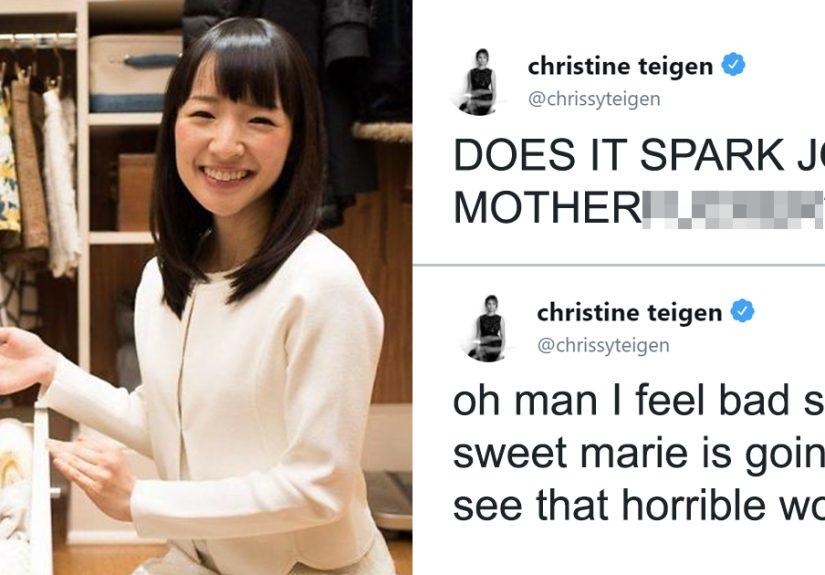
The funniest part was not simply that Netflix made a visual mistake. It was that the wrong image accidentally created an entire alternate universe: Marie Kondo, queen of gentle tidying, suddenly reimagined as the no-nonsense commander of clutter removal. Even Chrissy Teigen, famous for her quick humor online, joined the conversation, helping push the moment from “funny glitch” into “internet artifact.”
Below is a deep, SEO-friendly look at the viral Netflix Marie Kondo picture mistake, why the reactions were so funny, and what brands, publishers, and everyday internet users can learn from a thumbnail fail that definitely did not spark calmbut absolutely sparked joy.
What Happened With Netflix’s Marie Kondo Picture Mistake?
In January 2019, Tidying Up with Marie Kondo was already a cultural talking point. The Netflix series followed Marie Kondo as she visited families and helped them clear clutter using the KonMari Method, a system centered on keeping items that spark joy and respectfully letting go of the rest. The show was gentle, optimistic, and deeply meme-friendly from the start, especially because people were suddenly looking at their closets as if their socks had moral responsibilities.
Then came the image mix-up. A viewer noticed that Netflix’s page for the show appeared to feature the wrong promotional image, one that looked far more suited to an action thriller than a home organization series. The mismatch was instantly hilarious because it clashed so dramatically with Kondo’s public persona: calm, polite, precise, and encouraging.
Etiquette expert William Hanson helped kick off the viral moment by sharing the screenshot and wondering, in effect, whether Kondo’s tidying methods had escalated. From there, Twitter users began imagining a darker, more intense version of Tidying Up: one where Marie did not ask whether objects sparked joy so much as demand that clutter explain itself.
Why This Specific Mistake Became So Funny
Not every corporate image error becomes a meme. Some mistakes simply disappear into the digital junk drawer. This one exploded because the contrast was almost mathematically perfect. Marie Kondo’s brand is built around calm transformation, gratitude, mindfulness, and order. The mistaken image suggested chaos, urgency, and a completely different genre. It was as if a yoga class accidentally used a heavy-metal concert poster.
The timing also helped. Tidying Up with Marie Kondo arrived on Netflix on January 1, 2019, right when many viewers were thinking about resolutions, fresh starts, and whether their kitchen cabinets were legally classified as geological layers. People were already talking about decluttering. The Netflix glitch simply handed them a new comedic angle.
Most importantly, the mistake was harmless enough to laugh at. Nobody needed to decode a complicated controversy. The joke was immediate: peaceful organizing show, wildly mismatched image. The internet could understand it in half a second, which is exactly how fast a good meme needs to travel.
12 Of The Funniest Reaction Themes To The Netflix Marie Kondo Pic Fail
The original viral thread included many individual jokes, but the broader comedy fell into several unforgettable categories. Here are 12 of the funniest reaction themes that made the Netflix Marie Kondo mistake so memorable.
1. “Season Two Looks Intense”
This was the obvious first joke, and it worked beautifully. Viewers imagined that the next chapter of Tidying Up had abandoned gentle folding lessons and entered action-movie territory. The humor came from treating the glitch as an intentional creative pivot, as if Netflix had decided that clutter needed higher stakes.
2. “Marie Has Had Enough”
Another popular reaction framed Kondo as someone who had finally reached her limit. After years of asking people to thank their belongings, maybe this new version of Marie was done negotiating with overflowing drawers. The idea of the world’s most polite organizer snapping over a mountain of laundry was ridiculous in exactly the right way.
3. “Does This Spark Fear?”
Kondo’s famous questionwhether an item sparks joybecame the perfect structure for parody. Users twisted the phrase into jokes about fear, urgency, and questionable emotional responses to clutter. The best memes often come from a familiar phrase being bent just slightly out of shape, and “spark joy” was already one of the most recognizable lifestyle catchphrases of the moment.
4. “The Decluttering Has Entered Its Final Form”
Some reactions treated the mistaken image like the ultimate evolution of the KonMari Method. Step one: gather your clothes. Step two: hold each item. Step three: thank it. Step four: apparently become the final boss of messy closets. It was absurd, but the escalation made the joke land.
5. “Netflix Accidentally Created A Crossover Episode”
Streaming services are full of genre categories, recommendation rows, and endless thumbnails. The glitch made it look as though Netflix had accidentally merged a home makeover show with an action drama. Viewers joked that this was the crossover nobody requested but everyone suddenly wanted to watch.
6. “Marie Kondo: Clutter Hunter”
Many people responded by inventing fake show titles. The accidental image inspired imaginary spin-offs where Marie takes on closets, garages, basements, and paperwork with the seriousness of an elite mission. It is easy to see why this worked: the more dramatic the fake title, the funnier the contrast with neatly folded T-shirts.
7. “The Socks Were Warned”
Because Kondo’s folding method became one of the show’s most famous visuals, viewers loved imagining household items as characters in trouble. Socks, sweaters, books, and junk drawers were suddenly treated like suspects. The joke transformed everyday clutter into tiny villains. Somewhere, a tangled charging cable probably started sweating.
8. “This Is What Happens When You Keep Too Many Books”
At the time, there was already online debate about whether Kondo wanted people to get rid of books. She later clarified that the method is about personal values, not banning beloved shelves. Still, the mistaken image gave book lovers a fresh comedy angle: perhaps the book pile had finally become too powerful.
9. “The Algorithm Needs A Closet Cleanout”
Some of the smartest reactions turned the joke back on Netflix itself. If the platform was recommending the wrong image, maybe Netflix’s own digital home needed tidying. That joke works because streaming interfaces are basically closets: rows, categories, hidden corners, and at least one thing you keep meaning to watch but never do.
10. “Even The Thumbnail Didn’t Spark Joy”
This was the purest KonMari-style punchline. The wrong image obviously did not match the show’s mood, so users joked that Netflix should thank the thumbnail for its service and let it go. It was simple, clean, and perfectly on brand.
11. “Chrissy Teigen Entered The Chat”
Chrissy Teigen’s response helped amplify the moment because she had the timing and tone people expected from her online persona: fast, cheeky, and self-aware. The funniest celebrity reactions are not overproduced; they feel like someone saw the same weird thing everyone else saw and joined the group chat. That is why her involvement made the meme feel bigger without making it feel forced.
12. “Marie Kondo, But Make It Cinema”
The final reaction theme treated the error as if it were a prestige reboot. People imagined dramatic trailers, serious music, and a version of Marie who enters a room while clutter trembles. The joke was not about mocking Kondo; it was about celebrating how powerful a single wrong image can be when it collides with a beloved public figure’s gentle brand.
The Real Reason Marie Kondo Was Already So Memeable
Marie Kondo became an online phenomenon because her method is simple enough to repeat and flexible enough to parody. “Does it spark joy?” is memorable, emotional, and slightly mysterious. It sounds like organizing advice, but it also sounds like a question you could ask about a job, a friendship, a pair of shoes, or a leftover burrito in the fridge.
The Netflix show also had the right ingredients for social sharing. It featured real homes, emotional transformations, clear rituals, and visually satisfying before-and-after moments. Kondo’s approach was not framed as punishment. She encouraged people to respect their belongings, thank items for their service, and organize by category rather than by room.
That sincerity made the glitch even better. If Kondo’s brand had already been loud or chaotic, the mistaken image would not have been as funny. The humor depended on her established calmness. In comedy terms, she was the straight character, and the Netflix thumbnail was the banana peel.
What Netflix’s Mistake Teaches About Digital Branding
For brands, this viral moment is a tiny but useful case study. Digital images are not decoration; they are context. A thumbnail tells viewers what kind of experience they are about to have. A mismatched thumbnail can change the entire emotional meaning of a show before someone even presses play.
Netflix, like many streaming platforms, relies heavily on visual browsing. Users scan rows of titles quickly, judging tone, genre, and mood from a single image. That makes image accuracy essential. The wrong picture can confuse users, but it can also create unplanned comedy when the mismatch is dramatic enough.
However, the public reaction also shows something positive: when a mistake is low-stakes and funny, audiences may respond with creativity rather than outrage. Instead of a brand crisis, Netflix got a viral joke that kept people talking about Tidying Up with Marie Kondo. Not every error is useful, of course, but this one became a reminder that internet culture loves contrast, speed, and a clean setup.
How Chrissy Teigen’s Response Added Fuel To The Meme
Celebrity reactions can turn a viral post into a larger pop-culture moment. Chrissy Teigen’s online presence was already known for quick jokes and playful commentary, so her response fit naturally into the rhythm of the thread. She did not need to explain the joke. She simply joined the laughter.
That matters because memes often grow through social proof. When a celebrity with a large following reacts, more people notice, share, and add their own version. It becomes less like watching a joke from the outside and more like entering a crowded room where everyone is already laughing.
In this case, Teigen’s response also reinforced the central absurdity: everyone understood that the image was wrong, and everyone understood why it was funny. The joke did not require insider knowledge beyond knowing that Marie Kondo is associated with peaceful tidying. That made the meme accessible to casual Netflix viewers, organizing fans, and people who simply enjoy a corporate oops with perfect comedic timing.
Why The Internet Loves A Good “Unfortunate Thumbnail”
Thumbnails are tiny promises. They tell us whether something is cozy, scary, romantic, inspiring, dramatic, or funny. When that promise goes wrong, the internet gets a short burst of visual nonsense that feels almost engineered for sharing.
The Marie Kondo Netflix mistake belongs to a long tradition of accidental digital comedy: awkward captions, misplaced images, unfortunate cropping, and auto-generated recommendations that create strange combinations. These moments are funny because they reveal the machinery behind polished platforms. For a second, the seamless entertainment system looks like it has a junk drawer too.
There is also a human comfort in seeing big companies make small mistakes. Netflix is a global streaming giant with sophisticated technology and enormous resources. Yet one wrong image can still slip through and make the homepage look like someone sorted the media assets by chaos instead of category. That gap between scale and silliness is comedy gold.
The KonMari Method, Memes, And The Power Of A Simple Phrase
The KonMari Method’s online popularity proves that clear language travels. “Spark joy” became more than a decluttering test; it became a cultural shorthand for choosing what matters. People used it sincerely while cleaning. They also used it jokingly for everything from deleting emails to leaving group chats.
This is why the Netflix mistake produced such an easy wave of jokes. The meme already had a built-in vocabulary. Viewers could remix “spark joy,” “thank it for its service,” and “tidy up” into punchlines within seconds. When a brand phrase becomes that recognizable, people do not just repeat itthey play with it.
For writers, marketers, and creators, this is the lesson: the most shareable ideas are often simple enough to survive being joked about. In fact, parody can be proof of cultural reach. People cannot joke about a phrase unless they know it, and by 2019, plenty of people knew exactly what Marie Kondo meant by joy.
Experience Section: What This Viral Moment Feels Like From A Publisher’s Point Of View
If you publish content online, the Netflix Marie Kondo thumbnail mistake is funny in a slightly terrifying way. On one hand, it is a perfect reminder that the internet has a sense of humor. On the other hand, it proves that one image error can become the headline before the actual content even gets a chance to introduce itself.
Anyone who has managed a website, blog, YouTube channel, or social media page knows this feeling. You spend hours polishing the article, choosing the headline, writing the meta description, checking the formatting, and making sure the page loads correctly. Then the preview image pulls from the wrong folder, the crop cuts off the important part, or the social card displays something that makes the whole post look like it was assembled during a power outage.
The Marie Kondo example is especially memorable because it shows how visual context can override written context. The title said Tidying Up with Marie Kondo. The public knew the show was about home organization. Yet the wrong picture instantly created a new story. That is how fast audiences process images. They do not read first and interpret second; often, they react to the image before they even notice the headline.
From personal experience in digital publishing, the best prevention is a boring checklist. Boring checklists save exciting disasters. Before publishing, check the featured image, social preview, mobile crop, desktop crop, alt text, category placement, and any automatic recommendation modules. Preview the page as a reader, not as the person who built it. If the article is about cozy kitchen storage and the thumbnail looks like a legal thriller, something has gone wrong.
There is also a branding lesson here. Mistakes are easier to survive when the core brand is strong and likable. Marie Kondo’s public image was so clear that the wrong image became funny rather than confusing. People knew immediately that the mismatch was accidental. That kind of brand clarity is valuable. Whether you run a lifestyle blog, an ecommerce shop, a media site, or a streaming service, consistent tone helps audiences understand when something is off.
The experience also reminds creators not to panic over every harmless mistake. Some errors need immediate correction and accountability, especially when they mislead users or harm trust. But some low-stakes mistakes become moments of connection. People laugh, share, and move on with a slightly warmer feeling toward the subject. In this case, the joke did not damage Marie Kondo’s message. If anything, it gave people another way to talk about joy, clutter, and the strange magic of internet culture.
Finally, this viral moment is a lesson in humility. Every digital platform has a junk drawer. It may be a messy CMS, a confusing media library, an outdated image tag, or an algorithm that occasionally pairs the wrong assets. The goal is not perfection. The goal is to build systems that catch most mistakes, respond quickly when one slips through, and maintain enough personality that audiences can forgive a funny stumble. In other words: thank the mistake for its service, learn from it, and then let it go.
Conclusion: The Mistake That Definitely Sparked Joy
Netflix’s unfortunate Marie Kondo picture mistake became a viral hit because it combined a beloved public figure, a wildly mismatched image, and the internet’s endless talent for turning small glitches into full-blown comedy. The reactions worked because they were built on contrast: calm tidying versus action-level intensity, gentle advice versus dramatic imagination, and a polished streaming platform versus one very chaotic thumbnail.
The moment also proved how powerful Marie Kondo’s cultural language had become. “Spark joy” was not just a phrase from a decluttering method; it was a meme-ready idea that millions of people could instantly understand and remix. Add Chrissy Teigen’s response, and the whole thing became a snapshot of 2019 internet humor: fast, playful, slightly absurd, and strangely wholesome.
For viewers, it was a laugh. For brands, it was a lesson in image management. For publishers, it was a reminder to preview every page before going live. And for the rest of us, it was proof that even when a thumbnail fails, it can still tidy up our mood.