Table of Contents >> Show >> Hide
- Why Iguazu Falls Is Worth the Journey
- 1. Fly to Iguazu Falls: The Fastest and Easiest Option
- 2. Take a Bus to Iguazu Falls: The Budget-Friendly Route
- 3. Use a Taxi, Private Transfer, or Guided Tour: The Most Convenient Door-to-Door Option
- Should You Stay in Puerto Iguazú or Foz do Iguaçu?
- Can You Visit Both Sides of Iguazu Falls?
- Practical Tips for Getting to Iguazu Falls Smoothly
- Real Travel Experiences: What the Journey to Iguazu Falls Feels Like
- Conclusion: The Easiest Way to Get to Iguazu Falls Depends on Your Trip
- SEO Tags
Getting to Iguazu Falls sounds like the kind of travel puzzle that should involve a compass, a dramatic jungle map, and possibly a parrot with opinions. In reality, reaching this thunderous natural wonder is surprisingly simple once you understand one key fact: Iguazu Falls sits between Argentina and Brazil, and you can approach it from either side.
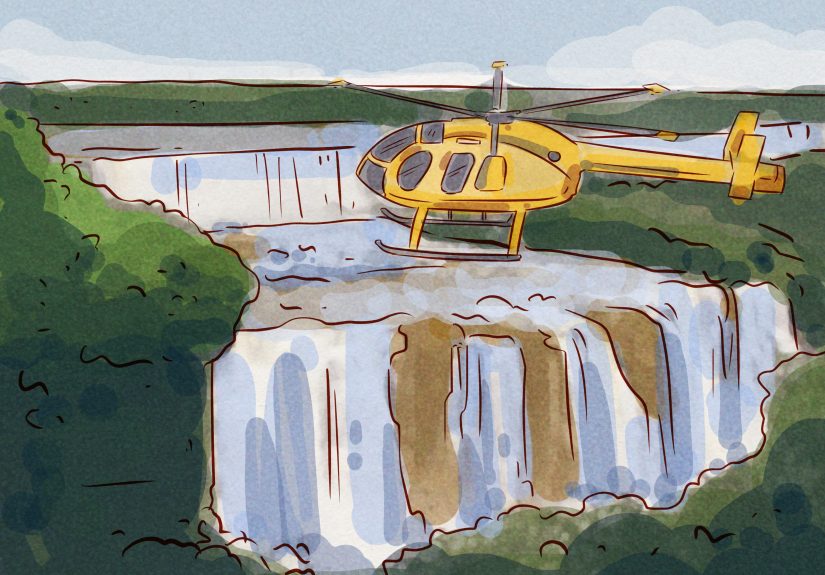
The falls are shared by Iguazú National Park in Argentina and Iguaçu National Park in Brazil. Together, they protect one of the most spectacular waterfall systems on Earth, with roughly 275 cascades stretching across the Iguazú River. The star of the show is Devil’s Throat, a roaring horseshoe-shaped drop where mist rises like the waterfall is trying to make its own weather.
The good news? You do not need to be a professional explorer to get there. Whether you are flying in from Buenos Aires, arriving from Rio de Janeiro or São Paulo, traveling by long-distance bus, or arranging a private transfer across the border, there are three easy ways to get to Iguazu Falls without turning your vacation into a transportation-themed escape room.
This guide breaks down the smartest routes, airport choices, bus options, border-crossing tips, and practical travel advice so you can spend less time worrying about logistics and more time preparing for the moment when the falls roar so loudly your thoughts politely leave the building.
Why Iguazu Falls Is Worth the Journey
Before we talk routes, let’s quickly answer the obvious question: why go through the effort at all? Iguazu Falls is not just “a big waterfall.” It is an entire landscape of water, jungle, rainbows, boardwalks, butterflies, coatis, and camera lenses fogging up from mist. It is also one of those rare places where both sides of the border offer completely different experiences.
The Argentine side is immersive. You walk along upper and lower circuits, ride the ecological train, and stand close enough to Devil’s Throat to feel the spray in your eyebrows. The Brazilian side is panoramic. It gives you the wide-angle “look at this magnificent beast” view, ideal for photographers and anyone who enjoys saying “wow” approximately 47 times in one hour.
Most travelers base themselves in one of two gateway towns: Puerto Iguazú in Argentina or Foz do Iguaçu in Brazil. Puerto Iguazú is smaller and relaxed, with easy access to the Argentine park. Foz do Iguaçu is larger, busier, and convenient for the Brazilian park, the airport, and other nearby attractions like the Bird Park and Itaipu Dam.
Now, let’s get practical. Here are the three easiest ways to get to Iguazu Falls.
1. Fly to Iguazu Falls: The Fastest and Easiest Option
If your goal is to arrive quickly and save your energy for walking the trails, flying is the best way to get to Iguazu Falls. The region has two main airports, one on each side of the border.
Flying to the Argentine Side: Cataratas del Iguazú International Airport
For travelers visiting from Argentina, the most convenient airport is Cataratas del Iguazú International Airport, commonly known by its airport code IGR. It is located near Puerto Iguazú and close to the entrance of Iguazú National Park on the Argentine side.
Most visitors fly from Buenos Aires, often from Aeroparque Jorge Newbery or Ezeiza International Airport, depending on the airline and route. The flight usually takes about two hours, which is mercifully short compared with an overnight bus ride long enough to make you question your relationship with your knees.
Once you land at IGR, you can reach Puerto Iguazú town by taxi, shuttle, or transfer. If your plan is to go directly to the Argentine park, the airport is close enough that many travelers head straight to the entrance, especially if they arrive early in the day. This can be a smart move if you have limited time and want to squeeze in a same-day visit.
Flying to the Brazilian Side: Foz do Iguaçu International Airport
For travelers coming from Brazil, Foz do Iguaçu International Airport, known as IGU, is the easiest arrival point. It has domestic connections from major Brazilian cities such as São Paulo, Rio de Janeiro, Curitiba, and Brasília. From the airport, the Brazilian park entrance is very close, making it possible to go from baggage claim to waterfall mist in impressively little time.
Foz do Iguaçu Airport is also convenient if you want to stay on the Brazilian side or visit both countries. Taxis, ride-hailing apps, private transfers, hotel shuttles, and local buses can connect you with downtown Foz, the park entrance, or even Puerto Iguazú across the border.
Which Airport Should You Choose?
Choose IGR if you are traveling through Argentina, planning to stay in Puerto Iguazú, or want your first full day focused on the Argentine trails. Choose IGU if you are traveling through Brazil, want fast access to the Brazilian viewpoints, or plan to stay in Foz do Iguaçu.
If flight prices are similar, pick the side that matches your broader itinerary. If one airport is dramatically cheaper, choose the cheaper option and arrange a transfer. The towns are close enough that crossing the border is manageable, provided your passport and visa requirements are in order. The waterfall does not care which airport you used; it will still be loud, wet, and spectacular.
Best For
Flying is best for first-time visitors, families, short trips, travelers with limited vacation days, and anyone who believes 20 hours on a bus is less “adventure” and more “slow-motion chair punishment.”
2. Take a Bus to Iguazu Falls: The Budget-Friendly Route
If you are traveling through South America on a budget, taking a bus to Iguazu Falls can make sense. It is not the fastest option, but it can be cheaper, flexible, and surprisingly comfortable if you choose a good long-distance bus company.
From Buenos Aires to Puerto Iguazú
From Buenos Aires, long-distance buses usually depart from the Retiro bus terminal and travel north to Puerto Iguazú. The journey often takes around 18 to 20 hours, depending on the service, road conditions, and how many stops are made along the way.
This option is popular with backpackers and slow travelers who are not in a hurry. Many buses offer reclining seats, onboard bathrooms, and different comfort classes. If you book a higher class seat, the trip becomes less painful and more like a very long movie night where the movie is Argentina passing by your window.
Once you arrive in Puerto Iguazú, you can take a local bus, taxi, remis, or tour transfer to the Argentine park entrance. Local buses from the town terminal to the national park are a common and affordable choice. They run during the day and are used by both tourists and locals.
From São Paulo or Rio de Janeiro to Foz do Iguaçu
From Brazil, buses connect major cities such as São Paulo and Rio de Janeiro with Foz do Iguaçu. These trips are long, often overnight, and better suited to travelers who want to save money or enjoy overland travel. São Paulo tends to be a more straightforward bus hub than Rio, but both are possible depending on schedules.
After arriving at the Foz do Iguaçu bus terminal, you can reach the Brazilian park by taxi, ride-hailing app, or local bus. Bus Route 120 is widely used because it connects downtown Foz do Iguaçu, the airport area, and the Brazilian national park entrance. It is one of the cheapest ways to reach the falls from the Brazilian side.
Local Buses to the Falls
Local buses are especially useful once you are already in the Iguazu region. From Puerto Iguazú, buses travel to the Argentine park entrance. From Foz do Iguaçu, Route 120 is the classic budget route to Iguaçu National Park. These buses are inexpensive, practical, and relatively easy to use if you are comfortable with public transportation.
The trade-off is time and flexibility. Buses may be crowded during peak periods, and you will need to plan around schedules. Bring cash or check local payment options, keep your belongings close, and do not assume every driver will understand your full waterfall-related life plan in English. A simple “Cataratas?” usually works wonders.
Best For
The bus route is best for budget travelers, backpackers, long-term travelers, and anyone who enjoys the romance of overland travel. It is not ideal for very short trips, tight itineraries, or travelers who become emotionally fragile after hour nine of sitting upright.
3. Use a Taxi, Private Transfer, or Guided Tour: The Most Convenient Door-to-Door Option
The third easy way to get to Iguazu Falls is to let someone else handle the driving. Taxis, private transfers, hotel shuttles, and guided tours are widely available on both sides of the border. This is often the smoothest option if you are traveling with luggage, visiting both countries, arriving late, or trying to maximize a short stay.
Taxi and Ride-Hailing Options
In Foz do Iguaçu, taxis and ride-hailing apps are commonly used to reach the Brazilian park, the airport, hotels, restaurants, and border points. This makes the Brazilian side especially easy for travelers who prefer direct transportation without decoding bus stops.
In Puerto Iguazú, taxis and remis services are common, while app-based ride-hailing may be more limited than in larger cities. Hotels can usually arrange reliable transportation to the park entrance, airport, or border. This is a good idea if you want an early start and do not want your morning to depend on finding a taxi while half-awake and holding a coffee like a survival tool.
Private Transfers Across the Border
Private transfers are especially useful if you want to see both sides of Iguazu Falls. The border crossing between Argentina and Brazil requires immigration checks, and depending on your nationality, visa rules may apply. A transfer driver who regularly handles this route can make the process easier by knowing where to stop, which lanes to use, and how much time to allow.
This option is particularly valuable for families, groups, travelers with large bags, and visitors on tight schedules. Some transfers can pick you up at one airport, take you to a park, store your luggage while you visit, and then continue to your hotel across the border. That kind of logistical ballet is hard to pull off on your own unless your hobby is spreadsheet-based vacation planning.
Guided Tours With Transportation Included
Guided tours are another simple option. Many tours include hotel pickup, park transportation, border assistance, and sometimes add-on experiences such as boat rides. A guide can help explain the history, wildlife, and geography of the area while making sure you do not accidentally spend half your day standing in the wrong line.
On the Argentine side, a guide can help you navigate the upper circuit, lower circuit, ecological train, and Devil’s Throat walkway. On the Brazilian side, a guide can help you time the viewpoints, understand park shuttle logistics, and combine the falls with nearby attractions.
The main downside is cost. Private transportation and guided tours are more expensive than public buses. However, for many travelers, the convenience is worth it. When you have only one or two days, paying for smooth logistics can be the difference between “what an unforgettable trip” and “why are we still at immigration?”
Best For
This option is best for families, couples, small groups, travelers with luggage, visitors crossing the border, and anyone who values convenience over saving every last dollar. It is also the best option if you are trying to visit both sides of the falls in a short time.
Should You Stay in Puerto Iguazú or Foz do Iguaçu?
Choosing where to stay depends on your travel style. Puerto Iguazú is smaller, calmer, and convenient for the Argentine park. It has a relaxed atmosphere, good restaurants, and easy access to the Three Borders Landmark. It is a great base if your main priority is spending a full day on the Argentine side.
Foz do Iguaçu is larger and has more hotel variety, easier airport access, and convenient transportation to the Brazilian park. It is also practical if you want to visit the Bird Park, Itaipu Dam, or cross into Paraguay for shopping in Ciudad del Este.
If time allows, consider staying one night on each side. That way, you can enjoy the Argentine trails without rushing, then wake up near the Brazilian viewpoints for a panoramic finale. It also reduces backtracking and gives you a fuller sense of the region.
Can You Visit Both Sides of Iguazu Falls?
Yes, and if your schedule allows, you absolutely should. The Argentine side and Brazilian side are not duplicates; they are complementary experiences. Argentina gives you proximity, trails, and dramatic boardwalks. Brazil gives you the postcard view, where the scale of the falls finally makes sense.
To visit both sides, you must cross an international border. Bring your passport, check visa requirements before your trip, and allow extra time for immigration. A taxi, private transfer, or guided tour is usually the easiest way to cross, especially if you are nervous about bus logistics.
A classic two-day plan looks like this: spend one full day on the Argentine side, then half a day on the Brazilian side. If you want to add a boat ride, wildlife center, or relaxed lunch, give yourself three days. Iguazu rewards travelers who do not sprint through it like they are late for a waterfall appointment.
Practical Tips for Getting to Iguazu Falls Smoothly
Book Flights Early During Peak Travel Periods
Domestic flights to IGR and IGU can fill up during holidays, school breaks, and high season. Book early if your dates are fixed, especially around Christmas, New Year, Carnival, and long weekends.
Check Visa and Entry Rules
Because Iguazu Falls sits on an international border, documentation matters. Requirements vary by nationality, so check Argentina and Brazil entry rules before you travel. Do not assume that being “just there for the waterfalls” makes immigration paperwork disappear. Sadly, waterfalls are powerful, but not bureaucratically powerful.
Start Early
The parks are most enjoyable in the morning. Early arrivals mean cooler temperatures, smaller crowds, better photos, and more time to recover if transportation takes longer than expected.
Protect Your Electronics
The mist at Iguazu is not shy. Bring a waterproof pouch, dry bag, or zip-top bag for your phone, passport, wallet, and camera. If you take a boat ride, assume you will get soaked. Not “a little damp.” Soaked.
Wear Comfortable Shoes
You will walk more than you think, especially on the Argentine side. Choose comfortable shoes with decent grip. Flip-flops may look relaxed, but they are not ideal when wet walkways and jungle paths join forces.
Real Travel Experiences: What the Journey to Iguazu Falls Feels Like
The journey to Iguazu Falls often begins quietly. Maybe you are staring out of a plane window as green forest spreads below like a giant rumpled blanket. Maybe you are stepping off a long-distance bus with stiff legs and the heroic expression of someone who has survived 19 hours of seat reclining negotiations. Maybe you are in a taxi watching the road signs switch languages as Argentina and Brazil trade places on the map.
Then the region starts dropping hints. The air becomes warmer and wetter. The trees look more tropical. Hotels sell ponchos. Tour desks display photos of people in boats smiling with the wild confidence of those who do not yet realize how wet they are about to become.
Arriving from the Argentine side feels intimate. Puerto Iguazú is compact, and the road to the park moves through a green corridor that builds anticipation. At the entrance, travelers gather with backpacks, water bottles, sun hats, and that universal tourist expression that says, “I read three blogs and still hope I am doing this correctly.” Once inside, the ecological train and walking circuits gradually pull you deeper into the soundscape. First you hear birds, then distant water, then the low thunder of the falls growing louder until conversation becomes optional.
The approach to Devil’s Throat is unforgettable. You walk along a raised metal walkway over wide, calm-looking water. It seems almost peaceful, which is nature’s version of dramatic irony. Then the river disappears over the edge, and suddenly the world is spray, roar, and white water. People stop talking. Phones come out. Some visitors laugh. Some cry. Some simply stand there with their mouths open, which is risky because the waterfall is already throwing water at everyone.
Arriving from the Brazilian side is different. Foz do Iguaçu feels more urban and organized, and the park visit has a smooth, scenic rhythm. After entering, visitors usually take the internal park bus toward the main trail. The first viewpoints tease you with pieces of the falls through the trees. Then the panorama opens, and the full scale becomes clear. This is the side where you understand how wide Iguazu really is. It is less about standing inside the drama and more about seeing the whole stage.
Many travelers say the Brazilian side is quicker, but that does not mean it is less powerful. The walkway near the end brings you close to the mist, and the elevator area gives wide views that are excellent for photos. It is the perfect counterpoint to Argentina’s close-up intensity.
The border crossing between the two sides can feel like a mini-adventure. With a private transfer, it is usually straightforward: stop, show passport, wait, continue. With public buses, it requires more patience and attention, especially because you may need to get off for immigration and reboard. The key is not to rush. Keep your documents handy, confirm where your bus continues, and allow extra time.
The most satisfying Iguazu trips usually share one trait: they are not overpacked. Travelers who try to land, cross a border, see both parks, take a boat ride, and catch an evening flight may technically succeed, but they often look like they spent the day being chased by a calendar. Give yourself breathing room. Let the place be big. Let your shoes dry. Let lunch happen.
And when you finally leave, whether by airport shuttle, taxi, public bus, or another long overnight ride, there is a good chance you will carry the sound of Iguazu with you. It is not just a destination you visit. It is a place that follows you out, still roaring somewhere in the background of your memory.
Conclusion: The Easiest Way to Get to Iguazu Falls Depends on Your Trip
The easiest way to get to Iguazu Falls depends on where you are coming from, how much time you have, and how much transportation adventure you are willing to tolerate before breakfast. For most travelers, flying into IGR in Argentina or IGU in Brazil is the fastest and simplest option. For budget travelers, long-distance buses and local park buses can work well. For maximum convenience, taxis, private transfers, and guided tours make the journey smooth, especially when crossing the border.
If you can, visit both sides. The Argentine side puts you close to the power of the falls. The Brazilian side shows you the grand panorama. Together, they turn a famous landmark into a complete experience.
Plan your route, check your documents, start early, and protect your phone from the mist. Iguazu Falls is easy to reach, but impossible to forget.