Table of Contents >> Show >> Hide
- Why Reusing Cardboard Drink Holders Makes Sense
- 1. Turn It Into a Small-Item Organizer
- 2. Use It as a Seed Starter for Herbs and Vegetables
- 3. Make a Craft Tray, Paint Palette, or Kids’ Activity Station
- 4. Turn It Into a Snack Caddy or Picnic Helper
- How to Choose the Right Cardboard Drink Holder to Reuse
- Cleaning and Safety Tips Before Reuse
- When to Recycle or Compost It
- Real-Life Experiences: What Actually Works Best
- Conclusion
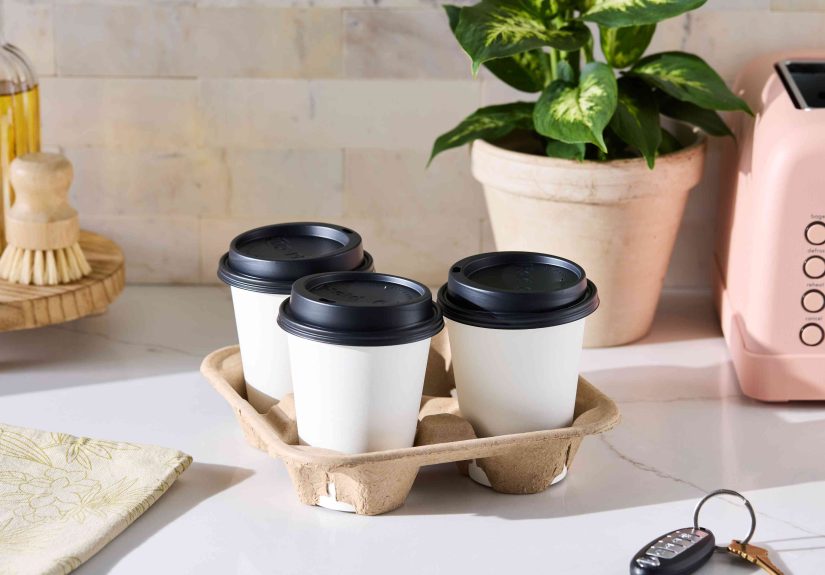
That cardboard drink holder from your coffee run may look like a one-and-done item, but do not be fooled by its humble, bumpy little face. This lightweight carrier has compartments, structure, absorbency, and just enough sturdiness to become surprisingly useful around the house. Before you toss it into the recycling bin, pause for a second. You may be holding a desk organizer, a seed starter, a craft tray, or a snack caddy in disguise.
Reusing a cardboard drink holder is not about turning your home into a museum of “things I might need someday.” Nobody needs a closet full of old cup carriers silently judging them. The goal is smarter: keep a few clean, dry holders and give them a second job before they are recycled or composted. Since most cardboard drink holders are made from molded paper fiber, they are often recyclable when clean and dry, and some can also break down in compost depending on local rules and whether they have coatings or heavy contamination.
In other words, this is the rare household hack that is practical, low-cost, and does not require a garage full of tools. Below are four clever ways to reuse your cardboard drink holder, plus real-life tips for making each idea actually work.
Why Reusing Cardboard Drink Holders Makes Sense
Cardboard drink holders are designed to solve one problem beautifully: keeping several drinks upright while a person walks, drives, unlocks doors, answers texts, and pretends they have their life together. That same design makes them useful for sorting, separating, holding, cushioning, and carrying all kinds of small items.
The key is condition. A holder that is clean, dry, and still firm is worth saving. A holder soaked with latte, syrup, salad dressing, or mystery car-floor liquid belongs in the trash or compost if your local program accepts it. Wet or greasy cardboard can contaminate recycling streams, so the “reuse first, recycle correctly later” approach works best when the material is in good shape.
Think of it as a tiny organizing tray with environmental benefits. You are extending the life of a disposable item, reducing clutter in a useful way, and delaying the need to buy another plastic bin, seed tray, or snack container. That is a win for your home, your budget, and your inner person who feels slightly guilty every time the recycling pile looks like a cardboard mountain range.
1. Turn It Into a Small-Item Organizer
The easiest way to reuse a cardboard drink holder is to make it an organizer for small household items. The built-in compartments are perfect for grouping things that love to scatter: paper clips, rubber bands, binder clips, sticky notes, batteries, keys, coins, charging cables, hair ties, sewing supplies, and craft odds and ends.
How to Use It
Place the drink holder inside a drawer, on a shelf, near your entryway, or in a home office. Use each cup space as a mini category. One section can hold pens, another can hold USB drives, another can hold earbuds, and another can hold those tiny screws you swear are important but cannot identify.
If the holder is too tall or bulky for a drawer, trim the edges with scissors. You can also line the bottom with scrap paper, a napkin, or a small piece of felt if you want a cleaner look. For a more finished version, wrap the outside with kraft paper, fabric scraps, or decorative tape. Suddenly, your “trash” looks like something from a charming craft blog instead of the passenger seat of your car.
Best Places to Use It
In the kitchen, a cardboard drink holder can organize seasoning packets, tea bags, fruit, garlic bulbs, or snack bars. In the bathroom, it can hold cotton rounds, travel-size toiletries, nail polish, or hair clips. In a garage or utility closet, it can separate nails, washers, picture hangers, zip ties, or small hardware pieces.
The trick is not to overload it. Cardboard drink holders are sturdy for their size, but they are not steel toolboxes. Keep them for lightweight items and dry spaces. If you use one near a sink or in a humid bathroom, replace it once it softens or looks tired. Cardboard, like people, loses confidence when damp.
2. Use It as a Seed Starter for Herbs and Vegetables
If you enjoy gardening, a cardboard drink holder can become a simple seed-starting tray. Its shallow wells are useful for small batches of herbs, flowers, lettuce, peppers, tomatoes, or other seedlings that will later be transplanted into larger containers or garden beds.
This idea works especially well because molded cardboard holds shape long enough for early seed starting but can eventually break down. It is not always as neat as a store-bought seed tray, but it is cheaper, biodegradable in many conditions, and already sitting on your counter after brunch.
How to Make a Drink Holder Seed Starter
Start with a clean, dry holder. Poke a few small drainage holes in the bottom of each cup section. Place the holder on a waterproof tray, plate, baking sheet, or reused plastic lid to catch water. Fill each compartment with seed-starting mix, not heavy garden soil. Add seeds according to packet directions, mist gently, and place the tray in a warm, bright location.
Label each section with a craft stick, strip of tape, or marker on the cardboard edge. This step matters more than you think. Without labels, your future garden becomes a suspense novel titled “Is This Basil or a Weed?”
Water carefully. Cardboard absorbs moisture, so use a spray bottle or gentle stream instead of flooding it. Once seedlings develop strong leaves and roots, transplant them into larger pots or the garden. If the cardboard is uncoated and beginning to soften, you may be able to tear the sections apart and plant pieces directly into the soil, but check that the roots are not trapped. When in doubt, peel away some cardboard before planting so roots can spread easily.
Extra Garden Uses
Even if you are not starting seeds, cardboard drink holders can help in the garden. Use them to carry small seed packets, plant markers, twine, gloves, and hand tools. Torn-up pieces can also be added to compost as a carbon-rich “brown” material if they are clean, plain, and free from plastic coating, glossy finishes, or food contamination.
3. Make a Craft Tray, Paint Palette, or Kids’ Activity Station
Cardboard drink holders and craft time are natural friends. Both are slightly messy, surprisingly creative, and usually involve someone saying, “Where did the glue go?” The separate compartments make the holder useful for sorting beads, buttons, crayons, pom-poms, stickers, puzzle pieces, googly eyes, shells, bottle caps, and other small supplies.
Use It as a Paint Palette
For kids’ painting projects, each cup space can hold a different paint color. The raised dividers help reduce color mixing, at least until a child discovers the artistic power of turning every color into brown. For better results, place a small scrap of wax paper, foil, or reused plastic packaging inside each well before adding paint. This protects the cardboard and makes cleanup easier.
You can also use the flat raised areas between wells as a place to rest brushes. If the holder gets too wet, let it dry completely before using it again, or recycle it if it is clean enough for your local program.
Create a Sorting Game
For younger children, turn the holder into a color-matching or counting activity. Add colored paper circles to each compartment and ask kids to sort buttons, blocks, beads, or pom-poms by color. You can also number each section and have them count objects into the spaces. It is simple, quiet, and educational, which is basically the parenting jackpot.
For adults, the same idea works for jewelry-making, model-building, sewing, or small repair projects. The holder keeps parts separated so you do not lose a tiny bead, screw, clasp, or needle. Anyone who has ever searched the floor for a missing earring back knows this is not a small benefit. It is emotional support cardboard.
4. Turn It Into a Snack Caddy or Picnic Helper
A clean cardboard drink holder can also become a casual snack caddy for dry foods, outdoor meals, road trips, movie nights, or children’s parties. It is not a replacement for washable dishes, and it is not ideal for wet, greasy, or saucy foods. But for dry snacks and wrapped items, it is delightfully convenient.
Snack Ideas That Work Well
Use the compartments for crackers, pretzels, popcorn, grapes, wrapped candies, granola bars, napkins, condiment packets, or small fruit like clementines. For a picnic, one holder can carry napkins, utensils, mini salt and pepper packets, toothpicks, wet wipes, and wrapped snacks. For a kids’ movie night, it can separate popcorn, raisins, pretzels, and a small treat without requiring four bowls and a dishwasher negotiation afterward.
To keep food safer and cleaner, line each compartment with parchment paper, cupcake liners, napkins, or small reusable silicone cups. Avoid using holders that previously carried spilled drinks or feel sticky. Cardboard can absorb liquid, and no snack deserves to taste faintly like old caramel macchiato.
Outdoor and Travel Uses
For road trips, place a holder in the back seat to organize packaged snacks, juice boxes, hand wipes, and small toys. At an outdoor gathering, use it as a lightweight caddy for disposable cutlery, straws, napkins, and packets. It is especially helpful when you need to carry several small items from the kitchen to the patio without doing the awkward “clutch everything against your chest and hope” walk.
Some people also use clean drink holders as temporary pet supply trays during travel, holding small bags of treats, collapsible bowls, waste bags, or grooming wipes. Do not use them as a long-term food or water bowl, especially for wet food or liquids. Cardboard is absorbent and can weaken quickly. As a short-term organizer, however, it is handy.
How to Choose the Right Cardboard Drink Holder to Reuse
Not every holder deserves a second act. Before reusing one, check three things: cleanliness, strength, and material. If it is dry and still firm, it is a good candidate. If it is stained, greasy, soggy, smelly, or shedding fibers, let it go. We are reusing cardboard, not auditioning for a mold documentary.
Plain molded fiber holders are usually the most versatile. Holders with glossy coatings, heavy printing, plastic liners, or waxy surfaces may not compost well and may be less suitable for gardening. If you plan to use one for seed starting or compost, choose the plainest version available.
Cleaning and Safety Tips Before Reuse
Because cardboard does not like water, do not wash it like a dish. Instead, shake out crumbs, wipe dry debris with a clean cloth, and spot-clean only if needed. If the holder has absorbed coffee, milk, soda, or food grease, skip reuse for food, crafts, and gardening. Use a cleaner one instead.
For food-related uses, line the compartments and stick to dry snacks. For kids’ crafts, supervise scissors, paint, glue, and small objects. For gardening, place the holder on a tray so water does not leak onto furniture. For organizing, keep it away from candles, wet counters, and anything heavy enough to crush it.
When to Recycle or Compost It
After a few uses, your cardboard drink holder will eventually reach retirement. If it is clean and dry, check your local recycling rules and place it in the paper or cardboard stream if accepted. If it is plain, uncoated, and approved by your local composting program, tear it into smaller pieces before composting. Smaller pieces break down faster and mix better with food scraps and yard waste.
If the holder is greasy, heavily stained, coated, or contaminated, it may belong in the trash. That may feel disappointing, but proper disposal is still better than wish-cycling. Wish-cycling is when we toss questionable items into the recycling bin and hope the recycling fairy handles it. Unfortunately, the recycling fairy is usually a sorting facility employee with a very hard job.
Real-Life Experiences: What Actually Works Best
After trying cardboard drink holders in everyday situations, the most successful reuse idea is the small-item organizer. It requires almost no setup, and the results are immediate. A holder placed near the front door can catch keys, coins, lip balm, earbuds, and the tiny objects that normally end up scattered across a table. In a desk drawer, it creates instant sections for clips, erasers, memory cards, sticky tabs, and charging accessories. The best part is that nobody needs instructions. You put small things in small spaces, and suddenly the drawer looks like it has been to therapy.
The seed-starting method is also useful, but it works best for gardeners who understand that cardboard is temporary. The holder should sit on a waterproof tray, and watering should be gentle. A spray bottle is better than a heavy pour. When the holder gets too wet, it softens quickly, so it is not ideal for long seedling stages. For fast-starting herbs or flowers, however, it is a fun and budget-friendly option. It is especially satisfying for beginners who want to try gardening without buying plastic trays right away.
The craft-tray idea shines with kids. The compartments keep supplies visible and separated, which reduces the classic craft-table chaos. Beads stay in one section, stickers in another, crayons in another, and glue sticks have a little home. It will not prevent glitter from escaping, because nothing prevents glitter from escaping, but it does make cleanup easier. For painting, the holder works best when lined. Paint directly on cardboard can soak in and weaken the tray, but a small liner makes it last longer.
The snack caddy is the most fun reuse, but it needs common sense. It is great for crackers, wrapped treats, napkins, fruit, and picnic supplies. It is not great for chili, dip, greasy pizza bites, or anything that would make the cardboard question its life choices. For family movie nights, a lined drink holder can become a cute individual snack tray. Kids enjoy having their own compartments, and adults enjoy not washing six tiny bowls afterward.
One practical habit is to save only two or three holders at a time. More than that can become clutter. Store them flat on a pantry shelf, in a craft cabinet, or near gardening supplies. If you do not use them within a few weeks, recycle them while they are still clean and dry. Reuse should make life easier, not turn your home into a cardboard sanctuary.
Conclusion
A cardboard drink holder may seem like disposable packaging, but with a little imagination, it can become a useful household helper. Use it to organize small items, start seeds, manage craft supplies, or carry snacks and picnic essentials. These ideas are simple, affordable, and realistic enough to fit into everyday life.
The smartest approach is to reuse only clean, dry holders and match each one to a job it can handle. When it becomes weak, stained, or worn out, recycle or compost it according to local guidelines. That way, the humble cup carrier gets a second life before leaving your home responsibly.
Note: This article was written for web publishing and is based on practical reuse methods, U.S. recycling guidance, composting principles, and common home organization and gardening practices.