Table of Contents >> Show >> Hide
- Why Excess Skin Happens After Bariatric Surgery
- 1. Give Your Body Time Before Making Big Decisions
- 2. Build Muscle With Strength Training
- 3. Prioritize Protein, Hydration, and Key Nutrients
- 4. Manage Skin Folds Like a Pro
- 5. Consider Body Contouring Surgery When the Time Is Right
- What About Creams, Collagen, and Skin-Tightening Devices?
- How to Talk to Your Doctor About Excess Skin
- Realistic Expectations: What Can Improve and What May Not
- Experience-Based Tips: Living With Excess Skin After Bariatric Surgery
- Conclusion
Bariatric surgery can feel like a plot twist your body has been waiting years to reveal. Blood pressure improves, knees stop filing formal complaints, stairs become less dramatic, and old clothes suddenly look like they belong to a much larger roommate. But after major weight loss, many people meet a new challenge: excess skin after bariatric surgery.
Loose skin is not a personal failure, a sign that you “did something wrong,” or proof that your transformation is incomplete. It is biology. When the skin has been stretched for a long time, its collagen and elastin fibers may not fully snap back after rapid or significant weight loss. The result can be sagging skin around the belly, arms, thighs, chest, back, neck, or under the breasts. For some people, it is mostly cosmetic. For others, it can cause chafing, rashes, odor, infections, discomfort during exercise, hygiene problems, and frustration when clothes still do not fit the way they imagined.
The good news? You have options. The honest news? There is no magic lotion that can erase a large skin fold overnight, no matter how inspirational the jar looks on a bathroom shelf. Fighting excess skin after weight loss surgery means combining smart lifestyle habits, realistic expectations, medical guidance, skin care, strength training, and sometimes body contouring surgery.
Here are five practical, medically sensible ways to manage loose skin after bariatric surgery while protecting your health, confidence, and sanity.
Why Excess Skin Happens After Bariatric Surgery
Before fighting excess skin, it helps to understand why it shows up in the first place. Skin is elastic, but it is not an unlimited rubber band. During years of weight gain, the skin stretches to cover a larger body size. After bariatric surgery, weight may come off quickly, especially during the first 12 to 18 months. The fat volume underneath the skin shrinks, but the outer layer may not have enough elasticity to shrink at the same pace.
The amount of loose skin after bariatric surgery depends on several factors: how much weight you lose, how fast you lose it, your age, genetics, smoking history, sun exposure, hydration, nutrition, muscle mass, and where your body stored weight before surgery. Someone who loses 40 pounds may have mild laxity, while someone who loses 150 pounds may have heavy folds that hang from the abdomen, arms, or thighs.
Common areas affected by excess skin include the lower belly, upper arms, inner thighs, breasts or chest, upper back, buttocks, and neck. These areas can become irritated when skin rubs against skin, especially in warm weather or during workouts. That is why managing loose skin is not only about appearance. It can also be about comfort, movement, hygiene, and quality of life.
1. Give Your Body Time Before Making Big Decisions
The first way to fight excess skin after bariatric surgery is surprisingly simple: do not panic too early. Your body changes dramatically during the first year after surgery. Weight loss often happens quickly, then slows, then stabilizes. Skin may continue to adjust over time, although major folds usually do not disappear completely on their own.
Many plastic surgeons prefer patients to wait until they are close to their goal weight and have maintained a stable weight for several months before considering excess skin removal surgery. This matters because if you have body contouring too soon and then continue losing weight, new sagging may appear. If you regain significant weight after surgery, the skin can stretch again.
What “stable weight” usually means
Stable weight does not mean the scale never moves by a pound. Human bodies are not spreadsheets. Weight can shift from water retention, hormones, sodium, bowel changes, or a suspiciously enthusiastic taco night. In general, stable weight means your weight has leveled off and is not rapidly dropping or rising. Your bariatric team can help decide when your weight loss has reached a safer, more predictable stage.
Use the waiting period wisely. Track skin issues, take photos if comfortable, document rashes or infections, and talk to your bariatric surgeon, primary care provider, or dermatologist if folds are causing pain, odor, or repeated irritation. This documentation may be useful later if you explore insurance coverage for medically necessary procedures such as panniculectomy.
2. Build Muscle With Strength Training
Strength training cannot remove excess skin, but it can improve body shape, posture, strength, and how loose skin sits on the body. Think of muscle as the supportive framework under the skin. After bariatric surgery, people often lose both fat and muscle, especially if protein intake is low or activity is limited. Losing muscle can make loose skin look more noticeable because there is less firm tissue underneath.
Resistance training helps preserve and rebuild lean muscle. It can also make everyday life easier: carrying groceries, climbing stairs, getting up from chairs, and walking longer distances all become less of a production. Better yet, strength training supports long-term weight maintenance, which is one of the most important parts of keeping skin surgery results stable if you choose that route later.
Begin safely and progressively
Start only when your bariatric team clears you for exercise. Early after surgery, walking is usually the star of the show. Later, you may add resistance bands, light dumbbells, weight machines, bodyweight moves, water exercise, or supervised personal training. A beginner plan might include two to three strength sessions per week, focusing on major muscle groups: legs, glutes, back, chest, shoulders, arms, and core.
Examples include chair squats, wall pushups, seated rows, step-ups, glute bridges, biceps curls, triceps presses, and farmer carries. The goal is not to become a superhero by Thursday. The goal is to train consistently, increase resistance gradually, and avoid injury. If you have joint pain, balance issues, hernias, or a history of complications, ask for a referral to a physical therapist or exercise specialist familiar with bariatric recovery.
Strength training also helps emotionally. Many people spend years seeing exercise as punishment for weight. After bariatric surgery, movement can become a celebration of what the body can do. That shift is powerful. Loose skin may still exist, but a stronger body often feels more like home.
3. Prioritize Protein, Hydration, and Key Nutrients
Your skin is living tissue, not decorative wrapping paper. It needs protein, fluids, vitamins, minerals, and adequate calories to heal, renew, and stay as healthy as possible. After bariatric surgery, nutrition is especially important because your stomach capacity is smaller and some procedures affect nutrient absorption.
Protein is critical for wound healing, muscle maintenance, immune function, and tissue repair. Many bariatric programs recommend a daily protein target, often around 60 to 100 grams depending on the procedure, body size, medical history, and stage of recovery. Your exact target should come from your bariatric surgeon or registered dietitian.
Skin-friendly nutrition after weight loss surgery
Good protein options may include eggs, Greek yogurt, cottage cheese, fish, poultry, lean meat, tofu, tempeh, lentils, beans, and approved protein shakes. Because bariatric portions are small, protein usually comes first at meals. Yes, vegetables matter. Yes, fiber matters. But after surgery, protein often gets the VIP wristband.
Hydration also matters. Dehydrated skin can look duller and feel more fragile, and dehydration after bariatric surgery can become serious. Sip fluids throughout the day according to your care plan. Many programs advise separating fluids from meals to avoid discomfort and maximize nutrition, but instructions vary by procedure and provider.
Micronutrients are another big piece of the puzzle. Bariatric-specific multivitamins, iron, vitamin B12, calcium, vitamin D, thiamine, zinc, and other supplements may be recommended depending on your surgery type. Do not freestyle supplements like you are mixing a smoothie at random. Too little can cause deficiencies; too much of certain nutrients can cause problems. Follow your lab schedule and supplement plan.
Will perfect nutrition make large folds disappear? No. But poor nutrition can make skin irritation worse, slow wound healing, contribute to hair loss, reduce energy, and increase muscle loss. If you eventually choose body contouring surgery, strong nutrition becomes even more important because your body needs the raw materials to heal incisions and rebuild tissue.
4. Manage Skin Folds Like a Pro
For many people, the hardest part of excess skin after bariatric surgery is not how it looks in the mirror. It is the daily friction. Skin folds can trap sweat and moisture, creating a cozy little vacation resort for irritation, odor, yeast, and rashes. Unfortunately, nobody wants their abdomen to host a tropical climate.
A smart skin-fold routine can reduce discomfort and help prevent problems. Keep folds clean and dry, especially after showering, sweating, or exercising. Use a soft towel and pat rather than scrub. A cool hair dryer on a low setting can help dry hard-to-reach areas. Moisture-wicking clothing can reduce rubbing. Some people benefit from soft barrier cloths, anti-chafing balms, or absorbent powders recommended by a clinician.
When to call a healthcare provider
Do not ignore persistent redness, itching, burning, cracking, bleeding, odor, open sores, or rash. Skin infections can happen in folds, and yeast infections often thrive in warm, moist areas such as under the abdomen, breasts, groin, or buttocks. If symptoms keep returning, ask your provider whether you need an antifungal cream, medicated powder, culture, diabetes screening, or dermatology referral.
Compression garments may help some people feel more supported during exercise or daily activities. They can reduce skin movement and chafing, but they should not be painfully tight or cut into the skin. A garment that leaves deep marks, causes numbness, worsens reflux, or makes breathing uncomfortable is not being “supportive”; it is auditioning to be a medieval device. Choose breathable fabrics and proper sizing.
Document medical skin problems. Take dated photos if you are comfortable, save visit summaries, and keep records of prescriptions or treatments. If excess skin causes recurrent infections, mobility limits, or hygiene problems, this information may help your healthcare team determine whether a procedure is medically necessary.
5. Consider Body Contouring Surgery When the Time Is Right
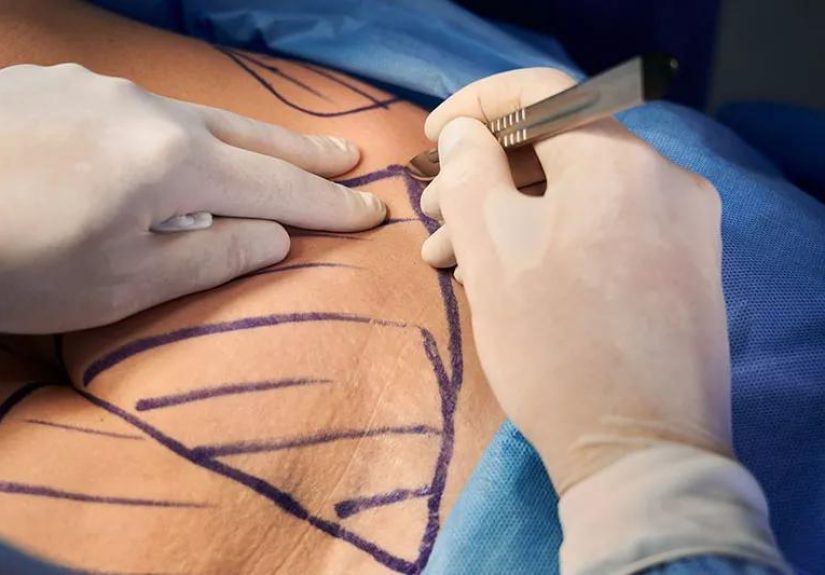
For significant loose skin, body contouring surgery is the most effective option. Non-surgical treatments may mildly improve skin tightness in selected areas, but they cannot remove heavy folds after major weight loss. Body contouring removes excess skin and sometimes fat while reshaping the underlying tissue for a smoother contour.
Common post-bariatric procedures include panniculectomy, tummy tuck, lower body lift, arm lift, thigh lift, breast lift, chest contouring, upper body lift, and neck lift. Some patients need only one procedure. Others need staged surgeries because treating every area at once would be too long, too risky, or too much recovery for one round.
Panniculectomy vs. tummy tuck
A panniculectomy removes the hanging apron of skin and tissue from the lower abdomen. It is often considered when the pannus causes rashes, infections, hygiene problems, or difficulty walking. A tummy tuck, also called abdominoplasty, removes extra skin and fat and may tighten abdominal muscles for a flatter contour. The two procedures are related but not identical. One may be more functional; the other may be more cosmetic or contour-focused, depending on the patient’s needs.
Lower body lift, arm lift, and thigh lift
A lower body lift, sometimes called a belt lipectomy, treats loose skin around the abdomen, hips, buttocks, and outer thighs. It can be especially helpful for people whose excess skin wraps around the body rather than staying only in front. An arm lift, or brachioplasty, removes hanging skin from the upper arms. A thigh lift targets loose inner or outer thigh skin that rubs, swings, or makes clothing uncomfortable.
Body contouring is major surgery. It can involve scars, drains, swelling, pain, activity restrictions, and weeks to months of healing. Risks include bleeding, infection, blood clots, wound healing problems, fluid buildup, numbness, asymmetry, and visible scars. Patients who smoke, have uncontrolled diabetes, are nutritionally deficient, or still have unstable weight may face higher risks.
Choose a board-certified plastic surgeon with experience in post-bariatric body contouring. Ask how many massive-weight-loss patients they treat, what procedures they recommend, where scars will be placed, whether surgery will be staged, how long recovery takes, what complications are possible, and what results are realistic. Bring photos of your skin concerns and be honest about your medical history, medications, nicotine use, supplements, and weight trends.
What About Creams, Collagen, and Skin-Tightening Devices?
This is where the internet gets sparkly. Creams, collagen powders, firming lotions, dry brushing, wraps, radiofrequency, ultrasound, microneedling, and laser treatments are often marketed as ways to tighten loose skin. Some may improve skin texture, hydration, or mild laxity. They may help the skin look smoother or feel better. But they cannot remove large folds of redundant skin after massive weight loss.
That does not mean skin care is useless. Moisturizing can reduce dryness. Sunscreen protects collagen from further damage. Gentle exfoliation may help texture. Treating rashes promptly prevents complications. But it is wise to avoid expensive promises that sound too good to be true. If a cream claims it can erase a post-bariatric abdominal fold, ask whether it also does taxes and walks the dog.
How to Talk to Your Doctor About Excess Skin
Some patients feel embarrassed discussing loose skin with their bariatric team. Please do not. Your providers have heard it before. Excess skin is a normal and common part of major weight loss, and it deserves practical attention.
During appointments, be specific. Instead of saying, “I hate my skin,” try: “The skin under my abdomen gets red and painful after walking,” or “I have had three rashes under my breast fold in four months,” or “My thigh skin rubs so much that I avoid exercise.” Specific symptoms help your clinician understand whether the issue is cosmetic, functional, medical, or all three.
Ask whether you should see a dermatologist, wound care specialist, physical therapist, registered dietitian, or plastic surgeon. Bariatric surgery is not a one-and-done event; it is long-term care. Managing excess skin is part of that journey.
Realistic Expectations: What Can Improve and What May Not
It is possible to improve comfort, strength, skin health, clothing fit, and confidence after bariatric surgery. It is also important to set realistic expectations. Lifestyle habits may reduce the appearance of mild loose skin, protect skin integrity, and improve body composition. They will not remove a large pannus or heavy upper-arm folds. Body contouring can remove excess skin, but it leaves scars and requires recovery. Insurance may cover certain procedures if they are medically necessary, but coverage rules vary widely.
Instead of chasing a “perfect” body, aim for a functional, healthy, comfortable body. That goal is more durable and much kinder. Your body carried you through obesity, surgery, recovery, and major change. It may have loose skin, but it also has a pretty impressive resume.
Experience-Based Tips: Living With Excess Skin After Bariatric Surgery
Life after bariatric surgery is full of small surprises. Some are wonderful, like fitting into an airplane seat more comfortably or walking farther without needing a motivational speech from your knees. Others are awkward, like realizing that loose skin has its own opinions during a workout. Many people describe excess skin as the “last chapter” of weight loss: not the main battle, but still a meaningful one.
One useful experience-based strategy is to create a daily skin-fold routine before problems appear. After showering, dry carefully under the abdomen, breasts or chest, groin, thighs, and arms. If a fold is hard to reach, use a clean soft towel, a handheld fan, or a cool blow-dryer setting. Put on breathable clothing after the skin is fully dry. This sounds basic, but consistency can prevent a lot of drama. Moisture plus friction is the villain in many post-bariatric skin stories.
Another practical tip is to test clothing during movement, not just in front of the mirror. A shirt may look great while standing still, then roll up during a walk like it has somewhere else to be. Leggings may feel supportive for five minutes but cause thigh chafing after thirty. Try different compression shorts, moisture-wicking undershirts, high-waisted leggings, supportive bras, or soft abdominal binders if your clinician approves. Comfort is not vanity. Comfortable clothing can make exercise and daily life easier.
Many patients also find that strength training changes their relationship with their body. Loose skin may still be there, but stronger arms, legs, and core muscles can make the body feel more capable. A person who once focused only on the scale may start celebrating non-scale victories: carrying laundry upstairs, walking through a store without pain, or lifting a suitcase without needing a committee meeting. Those wins matter.
Emotionally, excess skin can be complicated. Some people expect confidence to arrive automatically after weight loss, then feel confused when they still avoid mirrors or intimacy. This is normal. The mind sometimes needs time to catch up with the body. Support groups, therapy, and honest conversations with trusted people can help. Bariatric surgery changes your size, but it can also change identity, relationships, shopping habits, exercise routines, and self-image. Give yourself room to adjust.
If you are considering body contouring, start preparing early. Keep your follow-up appointments, maintain nutrition, avoid nicotine, track weight stability, and document rashes or infections. Consult more than one qualified surgeon if possible. Look at before-and-after photos from patients with similar weight-loss histories, not only highly polished celebrity-style images. Ask about scars, recovery help, time off work, drains, lifting restrictions, and how procedures may be staged. The best surgical plan is not always the fastest one; it is the safest and most realistic one.
Finally, remember that loose skin is evidence of change. It may be uncomfortable, annoying, and sometimes medically troublesome, but it is also proof that your body has moved through something significant. You are allowed to want it treated. You are allowed to feel proud and frustrated at the same time. You are allowed to wear compression garments, lift weights, call a dermatologist, consult a plastic surgeon, or simply take a day off from thinking about it. Progress does not require loving every inch of skin every minute. Sometimes progress is just choosing the next healthy step.
Conclusion
Excess skin after bariatric surgery is common, manageable, and worthy of real care. The best approach is not one miracle trick but a combination of patience, strength training, strong nutrition, smart skin-fold care, medical documentation, and professional guidance. For mild loose skin, lifestyle habits and skin care may improve comfort and appearance. For heavy folds that cause rashes, pain, hygiene problems, or major distress, body contouring surgery may be the most effective long-term option.
Your journey does not end when the scale changes. It continues as you build strength, protect your skin, learn your new body, and decide what comfort and confidence mean for you. Whether your next step is buying better workout clothes, calling your dietitian, treating a rash, or scheduling a plastic surgery consultation, make the decision from a place of care rather than criticism. Your body has already done something remarkable. Now it deserves support, not scolding.