Table of Contents >> Show >> Hide
- What Is Adult Acne?
- Why Adult Acne Happens
- Common Myths About Adult Acne
- How to Treat Adult Acne
- How Long Does It Take to See Results?
- When to See a Dermatologist or Other Specialist
- Practical Tips for Managing Adult Acne Day to Day
- Adult Acne and the Real-Life Experience Behind the Mirror
- Final Thoughts
- SEO Tags
Adult acne is one of those rude little reminders that life does not always follow the script. You survive algebra, awkward yearbook photos, and questionable early-2000s fashion choices, only to wake up at 34 with a breakout that looks like it has strong opinions. If that sounds familiar, you are not alone. Acne is not just a teenage problem, and for many adults, it hangs around well past the years when it was supposed to pack a bag and leave.
The good news is that adult acne is treatable. The slightly annoying news is that treating it often takes patience, consistency, and the emotional restraint not to declare war on your face with six new products in one weekend. This guide breaks down what causes adult acne, what treatments actually help, when to see a dermatologist, and what the day-to-day experience often feels like for adults trying to manage it while also pretending to be calm and productive.
What Is Adult Acne?
Adult acne is acne that continues after the teen years or starts for the first time in adulthood. It can show up as blackheads, whiteheads, small inflamed bumps, deeper painful pimples, cysts, or nodules. In many adults, it tends to appear on the lower face, jawline, and chin, but it can also show up on the cheeks, neck, chest, shoulders, and back.
Not every breakout is the same. Some people mostly deal with clogged pores and rough texture. Others get tender, inflamed lesions that seem to arrive before important meetings, vacations, weddings, or any event where cameras exist. Severe acne can also leave behind post-inflammatory dark marks, redness, and scarring, which is one reason early treatment matters.
Why Adult Acne Happens
Acne forms when hair follicles become clogged with oil, dead skin cells, and debris. Add inflammation and acne-causing bacteria into the mix, and suddenly your pore has become a tiny disaster zone. In adults, several triggers often overlap.
Hormones
Hormonal shifts are one of the biggest reasons adults break out, especially women. Fluctuations related to menstrual cycles, pregnancy, perimenopause, menopause, and conditions such as polycystic ovary syndrome can increase oil production and lead to acne. This is why adult acne often clusters around the chin and jawline and seems to flare right before a period, as if your calendar invited it.
Genetics
If acne runs in your family, your skin may be more likely to produce excess oil, clog easily, or respond to inflammation in a way that makes breakouts more likely. Thanks, ancestors. You may have inherited your grandmother’s cheekbones and your father’s tendency toward stubborn pores.
Stress
Stress does not directly sprinkle pimples onto your face like confetti, but it can worsen acne by affecting hormones and inflammation. Many adults notice that breakouts flare during deadlines, family stress, poor sleep, or major life changes. Skin, as it turns out, is a bit of a drama queen.
Skin and Hair Products
Heavy or greasy cosmetics, certain creams, pomades, oils, and hair products can clog pores. Even products marketed as “glowy,” “rich,” or “intense nourishment” may be too much for acne-prone skin. If a product leaves your face feeling like it has been basted, it may not be your soulmate.
Friction and Sweat
Pressure from helmets, straps, high collars, masks, hats, and even sweaty workout gear can irritate the skin and worsen acne. This is sometimes called acne mechanica. It is not glamorous, but it is real.
Medications
Some medications can trigger or worsen acne, including corticosteroids, lithium, certain anticonvulsants, testosterone therapy, and some hormone-related treatments. If acne seems to have started after beginning a new medication, it is worth asking a clinician whether there may be a connection.
Diet
Diet is not the entire story, but it is not completely innocent either. Research suggests that high-glycemic eating patterns may worsen acne in some people. That does not mean one cupcake is a villain, but if your diet is heavy in rapidly absorbed carbohydrates and sugary foods, it may be worth noticing whether your skin seems to object.
Common Myths About Adult Acne
Myth: Acne means your skin is dirty.
Reality: Acne is not caused by poor hygiene. In fact, scrubbing too hard can make it worse.
Myth: You should dry acne out with alcohol-heavy products.
Reality: Over-drying can irritate skin, damage the barrier, and trigger more inflammation.
Myth: Makeup automatically causes breakouts.
Reality: Makeup can be fine if it is non-comedogenic and removed gently at the end of the day.
Myth: Popping pimples helps them heal faster.
Reality: Picking often increases inflammation, delays healing, and raises the risk of scarring and dark marks.
How to Treat Adult Acne
Adult acne treatment is usually less about dramatic overnight miracles and more about building a boring, effective routine that your skin can tolerate. “Boring” sounds unromantic, but boring clears skin. Chaos does not.
Start With a Gentle Routine
A good foundation often includes a gentle cleanser used twice daily, a non-comedogenic moisturizer, and sunscreen during the day. Acne-prone skin still needs moisture. If your skin is dry, stinging, or peeling, your treatment plan may be too harsh, which can backfire.
Over-the-Counter Ingredients That Actually Help
Benzoyl peroxide: This ingredient helps reduce acne-causing bacteria and unclog pores. Lower strengths can work well and may be less irritating than stronger ones. It is useful for inflamed pimples but can bleach towels, pillowcases, and your favorite black T-shirt if given the chance.
Salicylic acid: This beta hydroxy acid helps exfoliate inside pores and is especially useful for blackheads and whiteheads. It can be a good choice for people dealing with congestion and rough texture.
Adapalene and other retinoids: Retinoids help normalize cell turnover, prevent clogged pores, and treat acne over time. They are not spot treatments. You apply them to the full acne-prone area, not just the one bump that has already made itself known.
Prescription Treatments
If over-the-counter care is not enough, prescription treatment may be the upgrade your skin has been waiting for.
Topical retinoids: Stronger retinoids can be very effective for adult acne, especially when clogged pores and recurrent breakouts are involved.
Topical or oral antibiotics: These are sometimes used for moderate to severe inflammatory acne. They are usually paired with benzoyl peroxide or another topical treatment to reduce bacterial resistance and are not meant to be a forever plan.
Hormonal therapy: For women with acne tied to cycles or jawline breakouts, hormonal options may help. Combined oral contraceptives can improve acne in some patients. Spironolactone may also reduce oil production and hormonally driven breakouts. Both require a clinician’s guidance, and spironolactone is not appropriate during pregnancy.
Isotretinoin: For severe, scarring, or treatment-resistant acne, isotretinoin may be the most effective option. It can produce long-lasting clearing, but it requires close medical supervision because of important side effects and strict pregnancy precautions.
What Not to Do
- Do not scrub your face like you are sanding furniture.
- Do not pick, squeeze, or “just get this one” repeatedly.
- Do not layer five active ingredients at once because social media said to “go hard.”
- Do not use harsh toners, rubbing alcohol, or abrasive tools on irritated skin.
- Do not expect a brand-new routine to work in four days.
How Long Does It Take to See Results?
This is the part nobody loves. Acne treatment usually takes time. Many effective treatments need at least six to eight weeks to begin showing meaningful improvement, and some require several months of steady use. Switching products too often can leave you stuck in a loop where your skin never gets a fair chance to respond.
If a product causes severe burning, swelling, hives, or trouble breathing, stop using it and get medical help right away. Mild dryness and irritation can happen with acne treatments, but severe reactions are a different story.
When to See a Dermatologist or Other Specialist
You should consider professional help if your acne is painful, leaving scars, worsening despite over-the-counter treatment, or affecting your mental health. Deep cysts, nodules, and frequent flares are also good reasons to stop guessing and get a plan.
Seek medical evaluation sooner if you have acne along with irregular periods, new excess facial hair, scalp hair thinning, or other signs of hormonal imbalance. In some cases, acne may be part of a broader issue such as PCOS. If you are pregnant or trying to become pregnant, acne treatment choices also need special care because some commonly used medications are not safe during pregnancy.
Practical Tips for Managing Adult Acne Day to Day
- Wash gently with lukewarm water and your fingertips, not a scrub brush.
- Choose oil-free, non-comedogenic makeup and skin care when possible.
- Remove makeup before bed, even when you are tired enough to negotiate with your pillow.
- Shower after workouts if sweat seems to trigger body breakouts.
- Keep hair products off the face and hairline.
- Change pillowcases regularly.
- Use acne treatments consistently, not only when a breakout feels dramatic enough to deserve punishment.
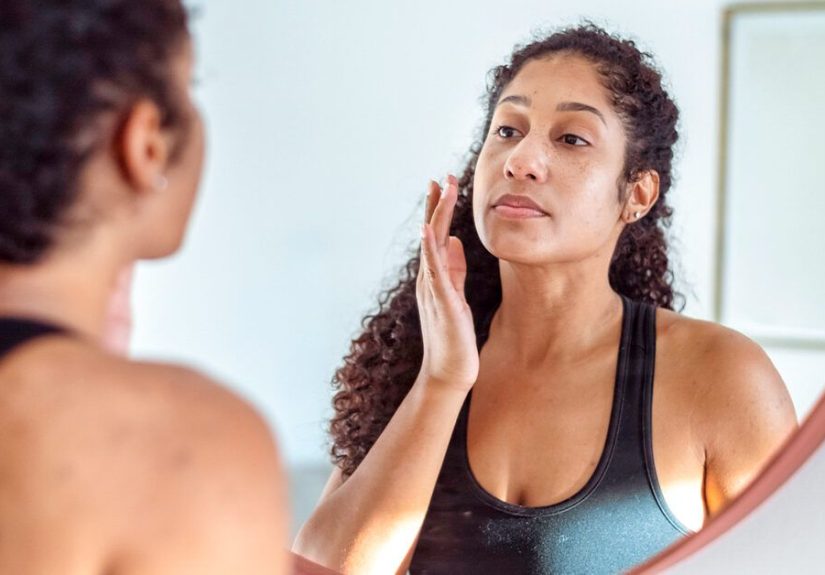
Adult Acne and the Real-Life Experience Behind the Mirror
Adult acne is not just about pores. It is also about timing, confidence, routine fatigue, and the weird emotional sting of feeling “too old for this.” Many adults with acne describe a special kind of frustration: they are juggling work, bills, parenting, school, dating, or caregiving, and still spending mental energy worrying about the breakout on their chin. It can feel absurd and deeply personal at the same time.
One common experience is the cycle of hope and disappointment. A person buys a new cleanser, uses it for five days, sees one decent morning, and starts imagining a future with movie-trailer skin. Then a breakout returns, usually right before something important, and morale drops faster than a phone at 2% battery. That emotional swing can be exhausting.
Another familiar experience is “cover and correct” living. Adults often become experts in strategic concealer placement, camera angles, and lighting choices. Some avoid video calls without makeup. Others skip social plans during a flare because they feel self-conscious, even when everyone around them is probably too busy worrying about their own skin, hair, or existence. Acne can quietly affect self-esteem in ways that outsiders do not always notice.
There is also the problem of adult acne existing alongside adult skin. Teenage acne care often focuses on oil control at all costs, but many adults have acne and sensitivity, acne and dryness, or acne and early signs of aging all at once. That means a harsh routine can make the skin feel tight, flaky, and irritated while the breakouts continue as if nothing happened. It is a rude combination, frankly.
Hormonal acne brings its own pattern recognition game. Many adults start noticing the same timing every month: a deeper breakout on the chin, along the jawline, or on the neck right before menstruation. Others notice flares during stressful work weeks, after poor sleep, or when they experiment with rich products that looked luxurious on the shelf but turned out to be a pore-clogging betrayal.
For some people, the most difficult part is the feeling of having “tried everything.” They may have rotated through cleansers, spot treatments, patches, masks, supplements, and internet hacks before finally learning that acne often responds best to a simple, targeted plan used consistently over time. Seeing a dermatologist can be a turning point, not because the advice is magical, but because it replaces guesswork with strategy.
The experience of improvement can be emotional too. When acne starts to calm down, people often describe more than clearer skin. They talk about leaving the house faster, thinking about their face less, touching their skin less, and feeling more comfortable in photos. In other words, successful treatment can give back time, attention, and peace of mind. That matters. Skin is not everything, but feeling at home in your skin does change how you move through the day.
Final Thoughts
Adult acne is common, complicated, and very capable of overstaying its welcome. But it is also manageable. The key is understanding that acne is a medical condition, not a personal failure or a sign that you somehow forgot how to wash your face. The right treatment depends on the type of acne, its severity, possible hormonal triggers, and how your skin tolerates active ingredients.
If your breakouts are mild, a gentle routine with proven over-the-counter ingredients may help. If acne is painful, persistent, scarring, or tied to possible hormone issues, seeing a dermatologist is worth it. You do not need to “earn” professional care by suffering first. And no, your chin does not need to keep holding monthly rebellion meetings forever.