Table of Contents >> Show >> Hide
- Why These Pandan Checkerboard Cookies Work So Well
- What Does Pandan Taste Like?
- Ingredients for the Best Pandan Checkerboard Cookies
- Ingredient Notes That Make a Difference
- How To Make Pandan Checkerboard Cookies
- Texture, Flavor, and What To Expect
- Best Tips for Clean Checkerboard Cookies
- Storage and Make-Ahead Tips
- Serving Ideas
- Common Mistakes To Avoid
- Why This Is the Best Pandan Checkerboard Cookies Recipe
- Baker's Experience: What It Feels Like To Make and Share These Cookies
- SEO Tags
Note: Clean HTML body only, ready for web publishing.
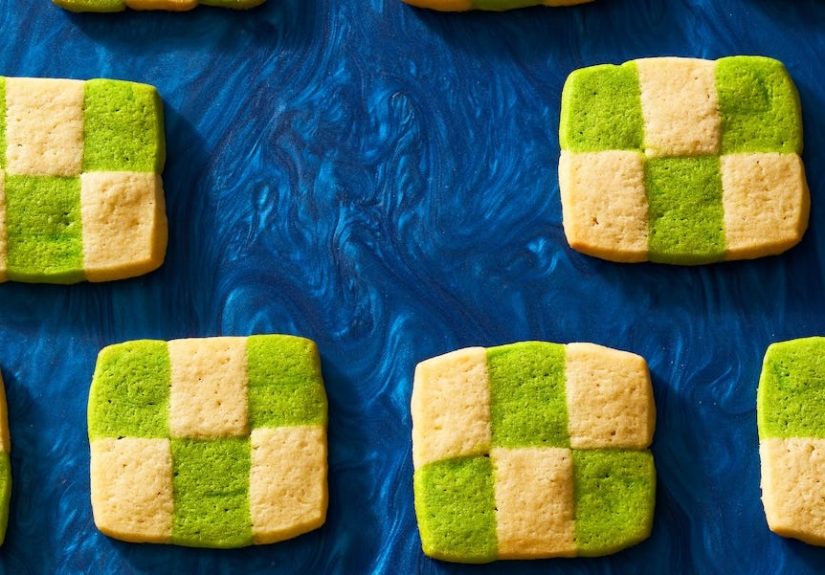
If classic butter cookies and a tropical breeze had a very stylish baby, it would be these pandan checkerboard cookies. They are crisp at the edges, tender in the middle, and packed with that unmistakable pandan aroma that smells a little like vanilla, a little like toasted rice, and a little like your kitchen suddenly got its life together. The best part? They look wildly impressive without requiring pastry-school drama. One slice reveals a neat little checkerboard pattern, and suddenly everyone assumes you own matching mixing bowls and say things like “laminate the dough” in casual conversation.
This pandan checkerboard cookies recipe is built for home bakers who want a cookie that tastes as good as it looks. It borrows the best parts of classic slice-and-bake checkerboard cookies and gives them a fragrant pandan twist. The plain dough keeps that rich buttery flavor, while the green dough brings the signature pandan character and a natural-looking pop of color. Together, they make a cookie that is elegant enough for holidays, cute enough for gifting, and delicious enough to vanish long before the coffee finishes brewing.
Why These Pandan Checkerboard Cookies Work So Well
A great pandan cookies recipe needs more than color. It needs balance. Too much pandan paste and the dough can become sticky, intense, or oddly neon. Too little and the cookie tastes like it just walked past a pandan leaf and waved politely. This recipe lands in the sweet spot. The dough is buttery enough to feel luxurious, firm enough to hold sharp lines, and flavorful enough that the pandan actually matters.
The checkerboard design also solves a very real cookie problem: indecision. Some people love plain butter cookies. Some want something more aromatic and a little different. These cookies politely refuse to pick a side. Every bite gives you both. It is the dessert version of diplomacy, but way more delicious.
What Does Pandan Taste Like?
If you are new to pandan, welcome. You are about to become the person who says, “No, no, it’s hard to describe, just try it,” at least five times a year. Pandan has a fragrant, sweet, grassy, almost vanilla-like profile with a subtle nutty warmth. It is widely used in Southeast Asian sweets and works beautifully in baked goods, especially anything buttery, creamy, or coconut-friendly.
For this recipe, pandan paste or pandan extract is the easiest option. Pandan paste usually gives stronger flavor and greener color, while pure extract can be more delicate and may need a tiny touch of food coloring if you want a bolder checkerboard contrast. Either works. The goal is a cookie that tastes vibrant and aromatic, not like you dropped a bottle of perfume into the mixer.
Ingredients for the Best Pandan Checkerboard Cookies
For the cookie dough
- 2 3/4 cups all-purpose flour
- 1/2 teaspoon baking powder
- 1/2 teaspoon fine salt
- 1 cup unsalted butter, softened
- 3/4 cup granulated sugar
- 1 large egg
- 1 teaspoon vanilla extract
- 1 to 1 1/2 teaspoons pandan paste, or 1 teaspoon pandan extract
- 1 to 2 teaspoons extra flour, only if needed for the pandan dough
For assembly
- 1 egg white, lightly beaten, or a little water for brushing between strips
Optional but lovely
- 1/4 teaspoon coconut extract in the pandan dough for a gentle tropical note
- A tiny drop of green gel food coloring if your pandan extract is pale
- Coarse sugar for the edges if you want a little sparkle and crunch
Ingredient Notes That Make a Difference
Use unsalted butter. This gives you better control over the flavor and helps the cookies keep that clean, rich, bakery-style taste.
Do not overwork the flour. Once the dry ingredients go in, mix until the dough just comes together. You want tender slice-and-bake cookies, not cookies that fight back.
Keep both doughs the same texture. Pandan paste can add moisture. If the green half feels softer than the plain half, knead in 1 or 2 teaspoons of flour. Matching textures are the secret to clean squares and a tidy log.
How To Make Pandan Checkerboard Cookies
1. Mix the dry ingredients
In a medium bowl, whisk together the flour, baking powder, and salt. Set the bowl aside. This step seems small, but it helps the dough mix evenly and keeps you from discovering a pocket of salt in one unlucky cookie. Nobody wants that kind of surprise.
2. Cream the butter and sugar
In a large bowl, beat the softened butter and sugar until the mixture looks light and creamy, about 2 to 3 minutes. Add the egg and vanilla extract, then beat just until smooth. The mixture should look fluffy, not soupy. If your butter is glossy and collapsing like it spent too much time at the beach, chill it briefly and regroup.
3. Add the flour mixture
Mix in the dry ingredients on low speed until the dough just comes together. It should be soft but not sticky. Divide the dough evenly in half.
4. Flavor the pandan half
Return one half of the dough to the mixing bowl. Add the pandan paste or pandan extract. If using coconut extract, add it here too. Mix just until the color is even. If the pandan dough feels noticeably softer than the plain dough, knead in 1 to 2 teaspoons of flour. This is a small adjustment, but it can save your checkerboard from turning into abstract art.
5. Chill both doughs
Pat each dough into a square about 1 inch thick. Wrap tightly and refrigerate for 45 to 60 minutes, until firm but still workable. Chilling matters here. Warm dough squishes, tears, and clings to your knife like a needy ex. Cold dough behaves.
6. Roll the dough into squares
Place each dough between two sheets of parchment paper. Roll each one into a 7-inch square about 3/8 inch thick. Trim the edges neatly so both squares match as closely as possible. Precision helps the pattern look clean, but do not panic if your squares are not perfect. Cookies are delicious geometry, not a final exam.
7. Cut the dough into strips
Using a ruler and a sharp knife, cut each square into 9 strips, each about 3/4 inch wide. If the dough softens while you work, slide it onto a tray and chill it again for 10 to 15 minutes. Clean cuts now mean prettier cookies later.
8. Build the checkerboard logs
Lay out 3 strips, alternating plain and pandan. Brush the sides and tops lightly with egg white or water to help them stick. Add a second layer of 3 strips in the opposite color pattern, then a third layer that matches the first. You will have one log with a checkerboard pattern.
Use the remaining strips to build a second log, reversing the color order so both logs look intentionally fancy. Wrap each log tightly in plastic wrap and chill for at least 30 minutes, or freeze for 15 minutes, until firm.
9. Slice the cookies
Preheat the oven to 350°F. Line baking sheets with parchment paper. Using a sharp knife, trim the ends of each log, then slice the cookies about 1/4 inch thick. Arrange them on the prepared baking sheets about 1 1/2 inches apart.
If you want extra crunch and sparkle, brush the outside edges of the logs very lightly with water before slicing and roll them in coarse sugar. This is optional, but it does make the cookies look like they dressed up for the occasion.
10. Bake until just golden
Bake for 12 to 14 minutes, rotating the pan halfway through, until the cookies are set and the edges are only lightly golden. Do not overbake. Checkerboard cookies look their best when the pale dough stays pale and the pandan squares stay bright. Let the cookies cool on the baking sheet for 5 minutes, then transfer them to a wire rack to cool completely.
Texture, Flavor, and What To Expect
These pandan checkerboard cookies are crisp-tender rather than chewy. Think elegant butter cookie with a little more attitude. The plain dough brings richness and vanilla warmth. The pandan dough adds aromatic sweetness and a hint of tropical depth. Together, they create a cookie that tastes refined but still extremely snackable. One becomes two, two become five, and suddenly you are “just checking quality” for the third time.
Best Tips for Clean Checkerboard Cookies
Chill whenever the dough feels soft
This is the golden rule. If the dough gets sticky, warm, or difficult to cut, chill it. Cold dough gives you sharp edges and neat slices.
Use a ruler
Yes, really. If you want even checks, even strips matter. This is one of those moments where your old school supplies become baking tools and feel strangely heroic.
Use just enough adhesive
Too much egg white or water can make the dough slippery. Too little and the strips separate. Use a light brush, not a flood.
Trim the edges
If the outer edges look uneven after stacking, trim them. Those trimmings can be rolled together into a marbled log and baked separately. Bonus cookies are not waste. They are emotional support snacks.
Storage and Make-Ahead Tips
Once cooled, store the cookies in an airtight container at room temperature for up to 5 days. They stay crispest if you keep them away from humid air, which is basically the sworn enemy of every good butter cookie.
You can also freeze the unbaked logs for up to 2 months. Wrap them well, then thaw in the refrigerator just until sliceable. This makes the recipe perfect for holiday baking, care packages, or those afternoons when you want homemade cookies without starting from scratch.
Serving Ideas
These cookies are excellent with hot tea, coffee, iced milk, or a coconut latte if you are feeling dramatic in the best way. They also look beautiful on dessert platters because the green-and-cream pattern stands out without needing icing, sprinkles, or an identity crisis. Pack them in a tin for gifts, stack them beside fruit and dark chocolate for an easy dessert board, or serve them with vanilla ice cream for a plated dessert that looks much fancier than the effort required.
Common Mistakes To Avoid
- Using overly soft butter: the dough becomes greasy and hard to shape.
- Skipping the chill time: your squares blur and your cookies spread more.
- Adding too much pandan paste: great color, but the dough may get too soft and the flavor can turn heavy.
- Overbaking: you lose the clean color contrast and the butter flavor becomes less delicate.
- Cutting with a dull knife: the pattern squashes instead of slicing neatly.
Why This Is the Best Pandan Checkerboard Cookies Recipe
The best version of this recipe is not just pretty. It is reliable. It gives you strong flavor, sharp definition, and a buttery crumb that feels polished instead of dry. It also leaves room for flexibility. You can keep it simple, add a whisper of coconut, make smaller logs for mini cookies, or use the same technique to create other color-and-flavor combinations later.
But honestly, pandan is hard to beat. It adds aroma, color, and personality without requiring frosting or decoration. These cookies do not need extra sparkle to get attention. They show up in neat little squares and quietly steal the whole dessert table.
Baker’s Experience: What It Feels Like To Make and Share These Cookies
There is something especially satisfying about making pandan checkerboard cookies because they deliver two joys at once: the private satisfaction of building the pattern and the public satisfaction of hearing someone say, “Wait, you made these?” The first time I made a batch in this style, I was fully prepared for them to look like a green-and-beige jigsaw puzzle after a minor kitchen earthquake. Instead, once the dough was chilled properly and sliced with a sharp knife, the checks appeared so neatly that I briefly considered acting humble for five full seconds.
What stands out most is the smell. While the dough is being mixed, the butter and sugar create that familiar cookie-shop comfort. Then the pandan goes in and suddenly the whole kitchen changes mood. It smells warm, grassy, sweet, and a little mysterious. Not weird. Not loud. Just interesting enough that people wandering in from the next room start asking questions they normally reserve for restaurant menus. “What is that?” quickly turns into “Can I try one?” and then into “Why did you only make one batch?”
These cookies are also the kind of recipe that makes you look more organized than you actually are. Because the dough is sliced from a chilled log, you can make it ahead, stash it in the refrigerator, and bake it later when you need something special. That means less last-minute panic, less flour all over the counter, and a much better chance of pretending you are the sort of person who always has an elegant cookie situation under control. Even if, fifteen minutes earlier, you were standing in your kitchen wearing mismatched socks and bargaining with butter.
Sharing them is half the fun. On a cookie tray, the pattern pops immediately. Among chocolate chip cookies, powdered sugar cookies, and the occasional brownie trying to blend in, pandan checkerboard cookies look like they have a passport and good opinions about tea. They spark curiosity before anyone takes a bite, and once they do, the flavor usually gets a second reaction. The first is appreciation for the buttery texture. The second is that little pause where the pandan registers and people realize this is not just a pretty cookie. It actually tastes memorable.
That is why this recipe is worth keeping. It gives you a cookie that feels playful, polished, and genuinely different without becoming complicated for the sake of drama. It is the kind of bake that makes an ordinary afternoon feel slightly more special, and frankly, we should all have more recipes like that. Preferably with coffee. And maybe a second cookie. Purely for research, of course.