Table of Contents >> Show >> Hide
- Why Pipe Material Matters
- Copper Pipes
- PEX Pipes
- CPVC Pipes
- PVC Pipes
- ABS Pipes
- Cast Iron Pipes
- Galvanized Steel Pipes
- Lead Pipes
- Brass Pipes and Fittings
- Stainless Steel Pipes
- Polybutylene Pipes
- How to Choose the Right Pipe Material
- Signs Your Pipes May Need Attention
- Installation Tips Homeowners Should Know
- Real-World Experience: What Homeowners Learn the Hard Way
- Conclusion
Every home has a hidden highway system. It carries clean water to the kitchen sink, sends shower water down the drain, vents sewer gases safely out through the roof, and occasionally makes mysterious knocking sounds at 2 a.m. just to keep life interesting. That system is your plumbing, and the material of each pipe matters more than many homeowners realize.
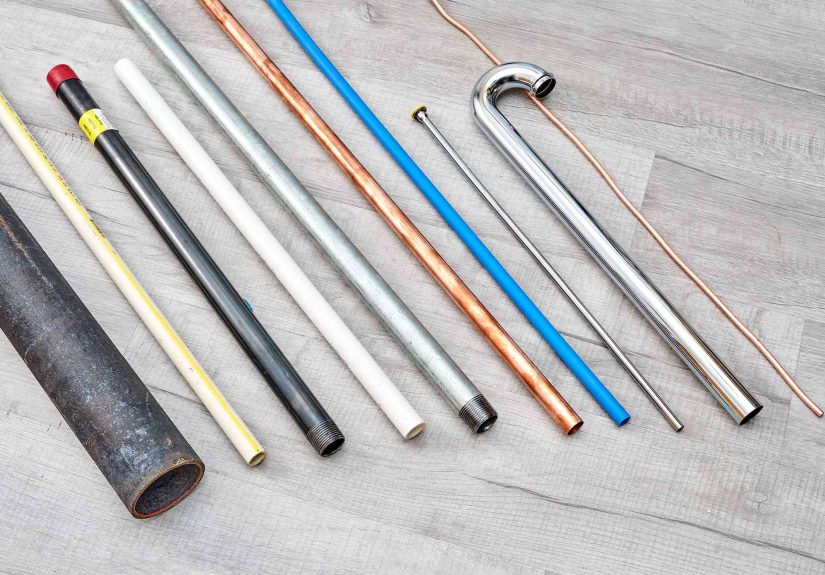
Choosing the right home plumbing pipe is not just about price. It affects water quality, repair costs, installation difficulty, noise, durability, and whether your local inspector smiles or reaches for a red correction sticker. Copper, PEX, PVC, CPVC, ABS, cast iron, galvanized steel, and even older materials like lead or polybutylene all have different jobs, strengths, weaknesses, and warning signs.
This guide explains the most common pipe materials used in the home, where they are typically found, what they are best for, and when they should raise an eyebrow. Think of it as a friendly tour behind the wallsminus the drywall dust in your hair.
Why Pipe Material Matters
A pipe is not just a tube. It is a tube that must handle pressure, temperature, chemistry, movement, corrosion, code requirements, and decades of daily use. A hot-water line under pressure has different needs than a toilet drain. A buried sewer line has different enemies than a basement water-supply line. That is why homes often use several pipe materials in one plumbing system.
Supply Pipes vs. Drain Pipes
The first thing to understand is the difference between supply pipes and drain, waste, and vent pipes, often called DWV piping.
Water-supply pipes deliver pressurized clean water to faucets, toilets, appliances, showers, and water heaters. These pipes must be approved for potable water if they carry drinking water.
Drain and vent pipes carry wastewater away and allow sewer gases to vent safely. These pipes are usually larger and are not under the same constant pressure as supply pipes. They are designed for flow, slope, and durability rather than drinking-water contact.
Using the wrong material in the wrong location can cause leaks, bad water taste, premature failure, code violations, or the kind of repair bill that makes you stare silently into the middle distance.
Copper Pipes
Copper is one of the classic plumbing materials in American homes. It has been used for decades in water-supply systems and is still valued for its strength, heat resistance, long service life, and clean appearance. If plumbing materials had a senior class president, copper would be wearing the sash.
Where Copper Is Used
Copper pipe is commonly used for hot and cold water distribution, water heater connections, and exposed plumbing where durability matters. It is available in different wall thicknesses, often referred to as Type K, Type L, and Type M. Type L is common in residential water lines, while Type M is thinner and often used where allowed by code. Type K is thicker and typically used for underground service lines.
Pros of Copper
Copper handles heat well, does not sag like some plastics, resists ultraviolet light better than plastic piping, and has a long track record. It is also recyclable, which gives it an environmental advantage over some materials. Properly installed copper plumbing can last for decades.
Cons of Copper
Copper is expensive compared with many plastic pipes, and installation usually requires soldering, press fittings, or compression fittings. It can corrode in certain water conditions, especially if the water is highly acidic or if the system has excessive velocity. Copper can also be vulnerable to pinhole leaks in some regions depending on water chemistry and installation quality.
Best for: durable hot and cold water lines, exposed areas, and homeowners who want a long-lasting premium pipe material.
PEX Pipes
PEX, short for cross-linked polyethylene, has become one of the most popular residential plumbing materials for water supply. It is flexible, relatively affordable, quick to install, and forgiving in tight spaces. In other words, PEX is the pipe that looked at old-school plumbing and said, “What if we made this less dramatic?”
Where PEX Is Used
PEX is used for hot and cold water distribution, fixture supply lines, remodeling projects, and new construction. It can be installed in traditional trunk-and-branch layouts or in manifold systems where individual lines run to each fixture.
Pros of PEX
The biggest advantage of PEX is flexibility. It can bend around corners, which reduces the number of fittings and potential leak points. It is easier to snake through walls and floors than rigid pipe. PEX also resists scale buildup and is generally faster to install than copper.
Cons of PEX
PEX should not be exposed to sunlight for long periods because ultraviolet light can damage it. It also must be installed with approved fittings and tools. Some homeowners dislike that rodents may chew plastic piping, although rodents are not exactly respectful toward many building materials. Local codes may also limit how and where PEX can be used, especially near water heaters or in certain fire-rated assemblies.
Best for: modern water-supply systems, remodels, tight spaces, and budget-conscious repiping projects.
CPVC Pipes
CPVC stands for chlorinated polyvinyl chloride. It looks similar to PVC but is designed to handle higher temperatures, making it suitable for hot and cold potable water lines when properly rated. CPVC is typically cream, tan, or light yellow in color.
Where CPVC Is Used
CPVC is commonly used for residential hot and cold water supply piping. It is more rigid than PEX but lighter and easier to cut than metal pipe. It is joined using solvent cement designed specifically for CPVC.
Pros of CPVC
CPVC is usually less expensive than copper, resists many types of corrosion, and does not require soldering. It is a practical option for many home water-supply systems when approved by local code and installed according to manufacturer instructions.
Cons of CPVC
CPVC can become brittle with age, especially in hot areas or when exposed to certain chemicals. It must be supported correctly to avoid stress on joints. Solvent-cemented joints require clean cuts, proper primer or cement where required, and enough curing time before the system is pressurized. Translation: the glue bottle is not a magic wand.
Best for: hot and cold water distribution where code allows and where a rigid plastic alternative to copper is desired.
PVC Pipes
PVC, or polyvinyl chloride, is one of the most familiar plumbing materials in homes. It is usually white and is widely used for drain, waste, vent, irrigation, and some cold-water applications. However, standard PVC is generally not used for hot potable water lines because heat can soften or deform it.
Where PVC Is Used
PVC is common in sink drains, toilet drains, vent stacks, main drain lines, condensate drains, outdoor drainage, and irrigation systems. It is lightweight, inexpensive, and easy to cut.
Pros of PVC
PVC is affordable, widely available, corrosion-resistant, and simple to work with. For drain and vent systems, it is a favorite because it is smooth inside, which helps wastewater flow efficiently. It also does not rust, which is a major advantage over older metal drain pipes.
Cons of PVC
PVC can crack if hit hard or exposed to extreme cold. It can also be noisy when used for drain lines because it does not dampen sound as well as cast iron. PVC must be joined with the correct primer and solvent cement, and the pipe must be properly sloped when used for drainage.
Best for: drain, waste, vent piping, cold-water applications where approved, and budget-friendly plumbing projects.
ABS Pipes
ABS stands for acrylonitrile butadiene styrene. It is usually black and is used mostly for drain, waste, and vent systems. ABS and PVC often perform similar jobs, but they are not the same material and should not be casually mixed without approved transition fittings.
Where ABS Is Used
ABS appears in residential drain and vent systems, especially in certain regions of the United States. It is lightweight and generally easier to install than heavy metal piping.
Pros of ABS
ABS is tough, impact-resistant, and does not require primer in some installations, depending on local code and the cement used. It performs well in many DWV applications and is especially appreciated where installers want a durable plastic drain pipe.
Cons of ABS
ABS can warp if exposed to direct sunlight for extended periods. It may not be accepted in every local jurisdiction, so homeowners should always check local plumbing code before choosing it. It can also transmit drain noise more than cast iron.
Best for: drain, waste, and vent piping where local code allows.
Cast Iron Pipes
Cast iron is the heavyweight champion of drain piping. Older homes often have cast iron stacks, basement drains, or sewer lines. It is strong, durable, and excellent at reducing the sound of rushing wastewater. If PVC is a plastic flute, cast iron is a bass drum wrapped in a blanket.
Where Cast Iron Is Used
Cast iron is used for drain, waste, vent, and sewer piping. It is especially common in older houses and multifamily buildings where quiet plumbing is important.
Pros of Cast Iron
Cast iron is extremely strong and has excellent sound-dampening qualities. It handles high-temperature wastewater well and can last many decades when conditions are favorable. In vertical stacks, it can be a durable and quiet choice.
Cons of Cast Iron
Cast iron is heavy, expensive to install, and difficult for casual DIY repairs. Over time, it can corrode from the inside, develop scale, crack, or leak at joints. Older cast iron sewer lines may suffer from root intrusion, bellies, or internal roughness that catches debris.
Best for: quiet drain stacks, older-home repairs, and high-durability DWV systems.
Galvanized Steel Pipes
Galvanized steel pipe was once common in water-supply systems, especially in homes built before the mid-20th century. The steel is coated with zinc to slow rusting, but time eventually wins the arm-wrestling match.
Where Galvanized Pipe Is Found
Galvanized pipe may be found in older water-supply lines, service lines, and some drain applications. It is often recognizable by its dull gray surface and threaded fittings.
Pros of Galvanized Steel
When new, galvanized pipe was strong and durable. It could handle pressure and mechanical abuse better than many lightweight materials.
Cons of Galvanized Steel
The main problem is internal corrosion. Mineral buildup and rust can reduce water flow, discolor water, and create pressure problems. Galvanized pipes connected to dissimilar metals, such as copper, can also experience accelerated corrosion if not separated with proper transition fittings.
Best for: mostly historical context. In modern homes, galvanized water lines are usually candidates for replacement rather than new installation.
Lead Pipes
Lead pipe is not a material homeowners should choose today. It is a legacy material found in some older service lines and plumbing systems. Lead can enter drinking water when corrosion occurs in lead-containing pipes, solder, fixtures, or service lines. This is a serious health concern, especially for children and pregnant people.
Where Lead May Be Found
Lead is most commonly associated with older service lines connecting a home to the water main. It may also be present in older solder or brass fixtures manufactured before modern lead-free requirements.
What Homeowners Should Do
If you suspect a lead service line, contact your water utility or a licensed plumber. Water testing can help identify lead at the tap, but pipe identification is also important. Replacing lead service lines is the long-term solution. Filters certified for lead reduction may help reduce exposure while replacement is being planned, but they must be selected, installed, and maintained correctly.
Best for: nothing in new plumbing. Lead pipe should be identified, managed carefully, and replaced.
Brass Pipes and Fittings
Brass is an alloy, usually made primarily of copper and zinc. It is more common in fittings, valves, nipples, and specialty connections than in long pipe runs inside modern homes.
Where Brass Is Used
Brass appears in shutoff valves, threaded adapters, faucet bodies, water heater connections, and transition fittings. Modern brass products intended for drinking water must meet lead-content requirements.
Pros of Brass
Brass is durable, corrosion-resistant in many conditions, and excellent for threaded components. It is easier to machine than many metals, which makes it useful for valves and fittings.
Cons of Brass
Older brass may contain more lead than modern plumbing standards allow. Brass can also dezincify in certain water conditions, weakening the material over time. For potable water, homeowners should choose certified lead-free products.
Best for: valves, adapters, fixture components, and durable fittings.
Stainless Steel Pipes
Stainless steel is less common in typical residential plumbing than copper, PEX, or PVC, but it appears in specialty applications. It is strong, corrosion-resistant, and attractive, but it is also expensive.
Where Stainless Steel Is Used
Homeowners may see stainless steel in flexible water heater connectors, appliance supply lines, filtration systems, exposed design-forward plumbing, or coastal areas where corrosion resistance is especially valuable.
Pros of Stainless Steel
Stainless steel resists corrosion better than many metals and has excellent strength. It can be a smart choice in demanding environments.
Cons of Stainless Steel
The cost is the biggest drawback. Stainless steel also requires compatible fittings and proper installation to avoid leaks or galvanic corrosion when connected to other metals.
Best for: specialty connections, corrosion-prone environments, and premium installations.
Polybutylene Pipes
Polybutylene is a gray plastic pipe material that was used in many homes from the late 1970s through the 1990s. It is no longer used for new residential plumbing in the United States because of widespread failure concerns.
Where Polybutylene Is Found
Polybutylene may be found in older supply lines, often near water heaters, under sinks, in crawl spaces, or entering the home from the main service line. It is commonly gray, though some versions are blue or black.
Why It Matters
Polybutylene can become brittle and fail over time, especially when exposed to disinfectants in public water supplies. If a home has polybutylene piping, a licensed plumber can evaluate whether replacement is recommended. Home buyers should pay attention to this material during inspections.
Best for: identification and replacement planning, not new installation.
How to Choose the Right Pipe Material
The best pipe material depends on the job. No single pipe is perfect for everything, no matter what your uncle with three wrenches and a strong opinion says.
For Water Supply
Common modern choices include copper, PEX, and CPVC. Copper offers durability and heat resistance. PEX offers flexibility and faster installation. CPVC offers a rigid plastic option for hot and cold water. The right choice depends on local code, water chemistry, budget, installer experience, and project type.
For Drain and Vent Lines
PVC and ABS are common plastic DWV materials. Cast iron is still valued where quiet operation and strength are priorities. Drain lines must be sized and sloped correctly, so material choice is only part of the story.
For Older Homes
Older homes may contain galvanized steel, cast iron, lead service lines, or polybutylene. These materials do not automatically mean disaster, but they do deserve inspection. Look for low water pressure, rusty water, recurring clogs, leaks, staining, corrosion, or unexplained water bills.
Signs Your Pipes May Need Attention
Plumbing problems often whisper before they shout. A small stain, a slow drain, or a sudden drop in pressure can be an early clue.
- Low water pressure in multiple fixtures
- Rust-colored or metallic-tasting water
- Green stains near copper joints
- Recurring drain clogs
- Water hammer or banging pipes
- Visible corrosion or flaking metal
- Musty odors near walls, cabinets, or crawl spaces
- Unexplained increases in the water bill
When in doubt, call a licensed plumber. Plumbing is one of those home systems where confidence is useful, but overconfidence can flood a kitchen.
Installation Tips Homeowners Should Know
Even the best pipe material can fail if it is installed badly. Proper support, correct fittings, clean cuts, compatible materials, and pressure testing all matter. Plastic pipes need room for expansion and contraction. Metal pipes need protection from corrosion. Underground pipes need proper bedding. Drain pipes need slope. Water pipes need pressure-rated materials. And all pipes need someone who reads the instructions before declaring, “Looks good enough.”
Mixing materials also requires care. Copper to galvanized steel, PVC to ABS, or plastic to metal transitions must be made with approved fittings. Improvised connections may work temporarily, but plumbing is not a place to audition experimental art.
Real-World Experience: What Homeowners Learn the Hard Way
After dealing with home plumbing projects, inspections, repairs, and renovation stories, one lesson becomes clear: pipe material is only half the battle. The other half is context. A copper pipe in a dry basement with balanced water chemistry may perform beautifully for decades. The same copper pipe in aggressive water conditions, poorly supported, or joined carelessly may become a pinhole-leak machine. PEX can make remodeling easier, but if it is kinked, exposed to sunlight, chewed by pests, or installed with the wrong fittings, its advantages disappear quickly.
One common homeowner experience is discovering that older plumbing is a patchwork. A house may have copper near the water heater, galvanized steel in the walls, PVC under the sink, cast iron in the basement, and PEX added during a bathroom remodel. This does not always mean the system is unsafe, but it does mean transitions deserve attention. Many leaks happen not in the middle of a pipe but at joints, adapters, valves, and fittings. The connection is often the drama queen of the plumbing world.
Another practical lesson is that noise matters. Plastic drain pipes are affordable and easy to install, but they can be louder than cast iron. In a powder room wall or a basement ceiling, that may not matter. In a bedroom wall, it may matter a lot. Homeowners sometimes replace old cast iron with PVC and then wonder why every upstairs toilet flush now sounds like a waterfall auditioning for a nature documentary. In noise-sensitive areas, cast iron or sound-insulated assemblies can be worth considering.
Water quality is another real-world factor. If water is acidic, hard, chlorinated, or high in minerals, pipe performance can change. Some homes experience scale buildup that narrows old galvanized pipes until the shower feels like it is powered by a polite drinking fountain. Others deal with corrosion stains, blue-green marks, or metallic taste. Before a major repipe, it can be smart to test water quality and ask a plumber what materials perform best locally.
Budget also needs a reality check. The cheapest material is not always the cheapest system. PEX may reduce labor costs because it installs quickly. Copper may cost more upfront but can be durable and attractive in exposed areas. PVC may be inexpensive for drains, but poor slope or sloppy joints can create expensive problems later. A good plumbing decision includes material cost, labor, code compliance, access, repairability, and long-term maintenance.
Finally, homeowners should remember that plumbing codes are local. A material that is common in one city may be restricted in another. Before starting a DIY project, check local requirements and product markings. For drinking-water systems, look for materials certified for potable water use. For drains, use pipe and fittings rated for DWV applications. The goal is not just to make water move today. The goal is to make water move safely, quietly, and reliably for years without turning the ceiling into a surprise sprinkler system.
Conclusion
Common pipe materials used in the home each have a specific role. Copper is durable and proven. PEX is flexible and remodel-friendly. CPVC handles hot and cold water when properly installed. PVC and ABS dominate many drain and vent systems. Cast iron is heavy, quiet, and long-lasting. Galvanized steel, lead, and polybutylene are older materials that deserve careful inspection and often replacement planning.
The smartest choice depends on the application, water chemistry, local code, budget, and the skill of the installer. A beautiful plumbing system is not always the fanciest oneit is the one that quietly does its job while you enjoy showers, coffee, clean dishes, and the luxury of not thinking about pipes at all.