Table of Contents >> Show >> Hide
- Why Kids Resist Chores in the First Place
- What Gamifying Household Chores Really Means
- The Developmental Benefits of Chores
- How Gamification Makes Chores More Appealing
- Age-Appropriate Chore Game Ideas
- Reward Systems: Helpful Tool or Parenting Trap?
- How to Build a Chore Game That Actually Works
- Common Mistakes to Avoid
- Real-Life Examples of Chore Gamification
- Why Family Contribution Matters More Than a Perfect Chart
- Extra Experience Section: What Families Often Learn When They Turn Chores Into a Game
- Conclusion
Note: This article is based on synthesized parenting guidance from reputable U.S. child-development and family resources, including pediatric, psychology, education, and parenting organizations. The core takeaway is consistent: children are more likely to help at home when chores are age-appropriate, clearly explained, positively reinforced, and connected to family contribution rather than constant nagging.
There comes a moment in every household when a parent looks around and realizes the laundry has multiplied like rabbits, the dishwasher has become a ceramic avalanche, and a mysterious trail of socks points directly to the children who “didn’t do anything.” Getting kids to help with chores can feel like negotiating an international peace treatyexcept the diplomats are holding tablets, asking for snacks, and claiming they “forgot” how to make a bed.
That is where gamifying household chores can save the dayor at least save the living room from becoming a toy-based obstacle course. Gamification means turning ordinary tasks into simple games using points, levels, timers, challenges, badges, family competitions, or reward systems. It does not mean turning your house into a theme park, although if your toddler insists on calling the laundry basket a “dragon cave,” honestly, let the dragon have the socks.
When done well, chore gamification helps kids pitch in because it makes expectations visible, gives children a sense of progress, and adds fun to jobs they might otherwise avoid. More importantly, it teaches responsibility, confidence, cooperation, and practical life skills. The goal is not to trick kids into working. The goal is to help them see that everyone in the family contributesand that contributing can feel satisfying, not miserable.
Why Kids Resist Chores in the First Place
Before building a chore game, it helps to understand why children resist chores. Most kids are not sitting around plotting against the dishwasher. Their brains are simply wired for immediate rewards, novelty, and play. “Fold laundry” does not naturally compete with “build a Minecraft castle,” “watch one more video,” or “stare dramatically at the ceiling while claiming boredom.”
Children also resist chores when the task feels too big, too vague, or too disconnected from anything meaningful. “Clean your room” can sound simple to an adult, but to a child it may feel like being asked to organize a tiny natural disaster. Where do the books go? What counts as clean? Is a hoodie technically furniture if it has been on the chair for three days?
Research-informed parenting advice often recommends clear instructions, age-appropriate responsibilities, consistency, and specific praise. Kids do better when they know exactly what to do, how to do it, and why it matters. Gamification works because it adds structure to all three.
What Gamifying Household Chores Really Means
Gamifying chores is not just slapping a sticker on a chart and hoping for domestic miracles. It is about borrowing the best parts of gamesclear goals, visible progress, small wins, teamwork, challenge, choice, and rewardsand applying them to household tasks.
A good chore game answers four questions for the child:
- What task do I need to complete?
- How will I know I finished it correctly?
- What progress am I making?
- Why does my effort matter?
For younger children, the game might be a colorful sticker chart or a “beat the timer” race to put toys in bins. For school-age kids, it might be a point system where tasks unlock family movie night privileges. For tweens and teens, it may involve choosing responsibilities, earning screen-time tokens, rotating weekly roles, or working toward a bigger family reward.
The best systems are simple enough to survive real life. If your chore game requires a spreadsheet, three passwords, a laminated handbook, and a parent who remembers to update it every seventeen minutes, it will collapse by Tuesday.
The Developmental Benefits of Chores
Household chores do more than keep the kitchen from becoming a science experiment. Age-appropriate chores help children build responsibility, self-confidence, independence, patience, and a sense of family belonging. Pediatric and child-development experts commonly encourage parents to involve children in simple household tasks early, especially when the work matches the child’s age and ability.
When kids contribute to family life, they learn that a home is not maintained by invisible magic. Plates do not wash themselves. Towels do not leap into closets. Trash does not march politely to the curb. Someone does the work, and in a healthy family system, everyone who can help does help.
Chores also teach executive-function skills: planning, sequencing, remembering steps, managing time, and finishing what was started. A child who learns to clear the table is practicing attention, organization, and follow-through. A teen who does laundry is learning independence, cause and effect, and the deeply humbling truth that red socks and white shirts should not become roommates.
How Gamification Makes Chores More Appealing
It Creates Instant Feedback
Kids love feedback. Games give it constantly: points, sounds, levels, stars, progress bars. Chores usually give feedback only when something goes wrong, such as “You missed a spot” or “Why is there cereal under the couch?” A gamified chore system flips that script by showing progress immediately.
A sticker on a chart, a token in a jar, or a checkmark next to a completed task tells a child, “You did it.” That small recognition matters. It turns invisible effort into visible progress.
It Makes Big Tasks Feel Smaller
Gamification helps break overwhelming chores into manageable missions. Instead of “clean your room,” try:
- Mission 1: Put dirty clothes in the hamper.
- Mission 2: Return books to the shelf.
- Mission 3: Put toys in bins.
- Mission 4: Make the bed.
Suddenly, the room is not a disaster zone. It is a four-level quest. Same mess, better marketing.
It Gives Kids Choice
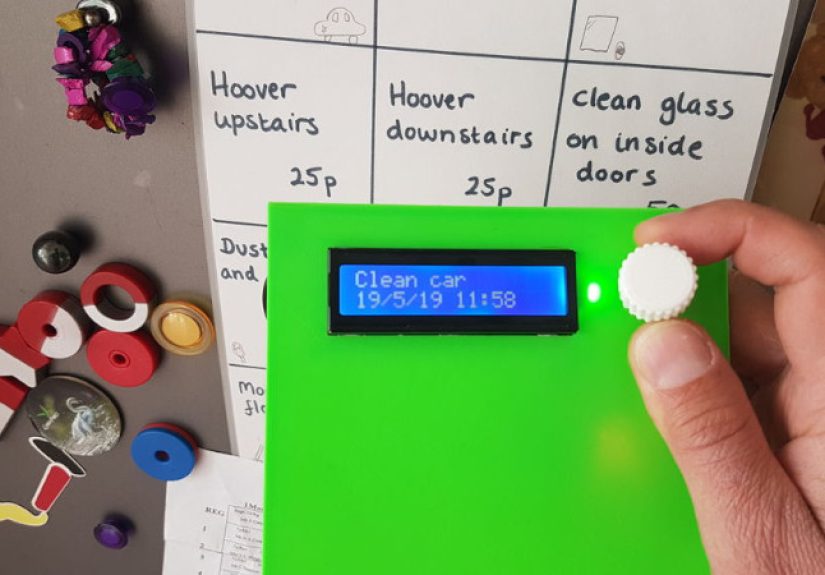
Choice increases cooperation because children feel some ownership over the process. Instead of assigning every task from above, offer a “chore menu.” Kids can choose from tasks worth different point values: feeding the pet, wiping the table, matching socks, watering plants, sorting recycling, or helping pack lunches.
This approach still keeps parents in charge of expectations, but it gives kids a voice. That voice can reduce power struggles and help children feel respected.
It Adds Playfulness
Play is how children learn. A five-minute clean-up challenge with music can feel completely different from a stern command. You can turn chores into “secret agent missions,” “team quests,” “speed rounds,” or “boss battles.” The boss battle, naturally, is the family room after a rainy Saturday.
Playfulness does not mean chores are optional. It means the tone is lighter, the energy is better, and the parent is not forced to become the Household Chore Police, a role nobody enjoys and the uniform is terrible.
Age-Appropriate Chore Game Ideas
Toddlers and Preschoolers: Keep It Visual and Tiny
Young children can help with simple tasks such as putting toys in a bin, placing napkins on the table, matching socks, watering plants with supervision, or carrying lightweight items. At this age, the game should be visual and immediate. Use picture charts, stickers, songs, and short timers.
Try a “clean-up song challenge.” Play one song and see how many toys can make it back to their homes before the music ends. The reward can be a high-five, a sticker, or the sacred honor of pushing the dishwasher button.
Elementary-Age Kids: Use Points, Levels, and Team Goals
School-age children can handle more responsibility: making beds, feeding pets, setting the table, unloading safe dishwasher items, sweeping small areas, packing backpacks, and helping fold laundry. This is a great age for point charts and level systems.
For example, a child might earn one point for quick jobs, two points for medium jobs, and three points for bigger jobs. Points can unlock small privileges, such as choosing dessert, picking a family game, staying up 15 minutes later on Friday, or choosing the music during Saturday clean-up.
Tweens and Teens: Connect Chores to Independence
Older kids usually do not want stickers shaped like dinosaursunless they are being ironic, in which case go with it. Tweens and teens respond better to autonomy, fairness, and real-life relevance. They can help with laundry, cooking simple meals, yard work, vacuuming, cleaning bathrooms, taking out trash, babysitting younger siblings for short periods when appropriate, and managing personal spaces.
For this age group, gamification can look like weekly responsibility boards, rotating zones, family contribution points, or “choose your load” systems. Teens may appreciate earning privileges, gas money, social flexibility, or extra time for activities after responsibilities are handled.
Make the message clear: chores are not punishment. They are part of becoming capable.
Reward Systems: Helpful Tool or Parenting Trap?
Rewards can be useful, but they need thoughtful handling. Sticker charts, tokens, points, and privileges can jump-start cooperation, especially for tasks children do not naturally enjoy. However, parents should avoid making every helpful action feel like a business transaction. If kids only help when payment is involved, the family may accidentally create tiny consultants who invoice for putting away spoons.
A balanced approach works best. Some chores can be treated as basic family responsibilities: clearing your plate, putting dirty clothes in the hamper, or keeping your school items organized. Extra taskswashing the car, helping with a big garage clean-out, or doing bonus yard workcan earn money, points, or special privileges.
Use rewards to build habits, not replace values. Praise effort, teamwork, and contribution. Say, “You helped the whole family by clearing the table,” not just, “You earned three points.” The first builds identity. The second tracks progress. Both can work together.
How to Build a Chore Game That Actually Works
Step 1: Hold a Family Meeting
Start with a short, friendly family meeting. Explain that the household works better when everyone contributes. Avoid launching into a lecture titled “Why I Am Tired and Nobody Appreciates Me,” even if that speech is emotionally available at all times.
Ask kids which chores they think they can handle. Let them suggest rewards or challenges. When children help design the system, they are more likely to buy into it.
Step 2: Make the Rules Clear
Every game needs rules. Define what counts as “done.” For example, “clean the table” might mean plates in the sink, crumbs wiped, and chairs pushed in. Without clear expectations, a child may proudly announce the table is clean while a spoon is stuck to it with syrup.
Use simple checklists for repeat tasks. Younger kids may need pictures. Older kids may prefer a shared app, whiteboard, or weekly chart.
Step 3: Keep the Scoring Simple
A simple point system is easier to maintain:
- 1 point: quick task under five minutes
- 2 points: medium task under fifteen minutes
- 3 points: bigger task requiring more effort
Family goals can work beautifully. For example, if the whole family earns 50 points by Friday, everyone gets a pancake breakfast, a movie night, or a backyard picnic. Team rewards reduce sibling rivalry and reinforce the idea that chores help the whole household.
Step 4: Rotate Jobs Fairly
Fairness matters. If one child always gets the easy job and another always faces the bathroom sink, resentment will arrive quickly and bring luggage. Rotate chores weekly or let kids take turns choosing from a chore board.
Fair does not always mean identical. A six-year-old and a sixteen-year-old should not have the same responsibilities. Fair means each child contributes in a way that fits their age, ability, schedule, and maturity.
Step 5: Praise Specifically
Specific praise is more powerful than generic praise. Instead of saying, “Good job,” try, “I noticed you put the shoes in the closet without being reminded. That helped the entryway stay clear.” Specific praise tells children exactly what behavior to repeat.
It also shows that parents are paying attention to effort, not just results. That matters because a child learning to fold towels may produce rectangles that look like confused burritos. Praise the effort first, then teach the skill.
Common Mistakes to Avoid
Making the System Too Complicated
If the chore game has too many categories, rules, exceptions, penalties, and reward tiers, parents will stop using it. Keep it simple enough that everyone can understand it while tired on a Wednesday night.
Using Chores Only as Punishment
Chores should be normal contributions, not just consequences. If chores are always linked to punishment, children may view helping as something unpleasant or shame-based. That makes long-term cooperation harder.
Expecting Perfection
Children are beginners. They will miss crumbs, fold shirts strangely, and put forks where spoons belong. Teach, model, and practice. The first goal is participation. Skill improves with repetition.
Forgetting to Update the Game
Kids grow. A chore system that works for a preschooler may bore a ten-year-old. Review the system every few weeks. Add new challenges, retire rewards that no longer motivate, and increase responsibility as children become more capable.
Real-Life Examples of Chore Gamification
The Ten-Minute Family Reset
Set a timer for ten minutes. Everyone chooses a zone: kitchen, living room, entryway, or bedrooms. The mission is to improve the space before the timer ends. Play music. Celebrate the result. This works because it is short, energetic, and shared.
The Mystery Chore Jar
Write small chores on slips of paper and place them in a jar. Kids draw one or two tasks. Add a few “bonus cards,” such as “trade one chore,” “pick the clean-up song,” or “earn double points.” The mystery adds novelty, which helps prevent chore boredom.
The Family Level-Up Board
Create levels such as Rookie Helper, Home Hero, Clutter Commander, and Master of the Laundry Realm. As kids complete chores, they level up. Keep rewards small but meaningful: choosing dinner, picking a game, extra reading time, or planning a family outing.
The Room Rescue Challenge
For messy bedrooms, break the task into rounds: clothes, books, trash, toys, bed. Each round earns a checkmark. Five checkmarks complete the rescue mission. This helps kids focus on one category at a time instead of freezing in front of the mess.
Why Family Contribution Matters More Than a Perfect Chart
The real purpose of gamifying chores is not to create a flawless system. It is to build a family culture where helping is normal. Children need to know they are not guests in a hotel run by exhausted adults. They are members of a team.
When kids pitch in, they experience competence. They learn, “I can do useful things.” They also develop empathy because they begin to notice the work involved in caring for a home. A child who has cleaned toothpaste from a sink may suddenly become more thoughtful about leaving toothpaste in the sink. Not always, of course. Let us not expect miracles before breakfast.
Gamification simply makes this learning process more engaging. It turns chores from a daily argument into a repeatable routine. It gives parents fewer reasons to nag and children more reasons to participate.
Extra Experience Section: What Families Often Learn When They Turn Chores Into a Game
One of the biggest surprises families discover when they gamify household chores is that kids often want to help more than parents expect. The problem is not always laziness. Sometimes the problem is that children do not know where to begin, do not feel ownership, or have learned that if they wait long enough, an adult will swoop in and finish the job. A chore game interrupts that pattern in a friendly way.
For example, imagine a family with two kids, ages seven and eleven. Every evening after dinner, the kitchen turns into a tiny disaster zone. Plates are everywhere, chairs are crooked, and someone has somehow left a single pea under the table like a vegetable calling card. The parent usually cleans while the kids disappear. Then the family introduces a “Dinner Dash” game. One child clears plates, one wipes the table, one parent loads the dishwasher, and another sweeps. They set a seven-minute timer and play upbeat music. If the team finishes before the timer, everyone gets one point toward Friday game night.
At first, the kids may focus mostly on beating the clock. That is fine. Over time, something better happens: the routine becomes automatic. The children stop asking, “Do I have to?” because the answer is already built into the rhythm of the evening. Dinner is followed by Dinner Dash. The game creates the habit, and the habit reduces conflict.
Another common experience is that children become more confident when adults stop redoing every task. This can be difficult for parents. A child’s version of a made bed may look like a blanket had a small argument with a pillow. But if the parent immediately fixes it, the child learns, “My work does not count.” A better approach is to praise the effort, offer one improvement tip, and let the child try again tomorrow. Progress beats perfection.
Families also learn that rewards do not have to be expensive. In fact, the best rewards are often connection-based: choosing the family movie, making pancakes together, picking the music in the car, planning a living-room picnic, or getting special one-on-one time with a parent. These rewards reinforce the idea that chores support family life, rather than turning every task into a cash exchange.
Some parents find that team goals work better than sibling competitions. A little competition can be fun, but too much can lead to arguments, accusations, and dramatic courtroom speeches about who really emptied the trash. Team goals encourage cooperation. Instead of “Who earned the most points?” the question becomes, “Can we reach our family goal together?” That shift matters. It teaches kids that a household is not a scoreboard of individual victories. It is a shared space where everyone’s effort helps.
Of course, no chore game works perfectly forever. Children get bored. Schedules change. The sticker chart that once inspired greatness may suddenly be treated like ancient wallpaper. That does not mean gamification failed. It means the system needs a refresh. Change the theme, update the rewards, rotate responsibilities, or let the kids redesign the board. When children help improve the system, they practice problem-solving and negotiation.
The most valuable experience is this: gamifying chores gives families a way to replace nagging with structure. Instead of repeating “Put your shoes away” twelve times, parents can point to the chart, start the timer, or ask, “Which mission are you choosing?” That small change lowers tension. It also helps children internalize responsibility because the expectation is visible and consistent.
In the end, a gamified chore system is not about producing spotless floors or perfectly folded laundry. It is about raising capable kids who understand that their actions matter. The house gets cleaner, yes. But the bigger win is that children begin to see themselves as contributors. And when a child proudly announces, “I finished my mission,” even if the towels look like fabric pancakes, that is a parenting victory worth celebrating.
Conclusion
Gamifying household chores helps kids pitch in because it makes responsibility clear, fun, and rewarding. By using points, charts, challenges, timers, and family goals, parents can turn everyday tasks into opportunities for growth. The best chore games are simple, age-appropriate, fair, and flexible. They use rewards wisely, praise effort specifically, and connect chores to the bigger idea of family contribution.
Children do not need a perfect system. They need consistent expectations, patient teaching, and chances to feel capable. When chores become part of family teamwork, kids learn skills that reach far beyond the laundry basket. They learn responsibility, confidence, empathy, and independence. And parents get a little less chaos, which is not nothing. In fact, on some days, it feels like winning the championship of adulthood.