Table of Contents >> Show >> Hide
- The Moment A Stray Dog Walked Into A Vet Clinic
- Why This Story Feels So Powerful
- What Quindim’s Diagnosis Teaches Us About Stray Dog Health
- What To Do If You Find An Injured Stray Dog
- How To Recognize A Dog That Needs Urgent Veterinary Care
- Why Veterinary Clinics Are Often The Front Line Of Compassion
- The Bigger Lesson: Help Should Be Easy To Find
- Related Experiences: What This Story Reminds Us About Helping Animals
- Conclusion
Some viral animal stories feel almost too perfectly scripted: a lonely street, a limping dog, a veterinary clinic door, and one tiny paw lifted as if to say, “Excuse me, humans, I believe this is your department.” But the story of a stray dog walking into a vet clinic in Brazil is not a movie scene. It is a real, tender reminder that animals are often far more observant, brave, and communicative than we give them credit for.
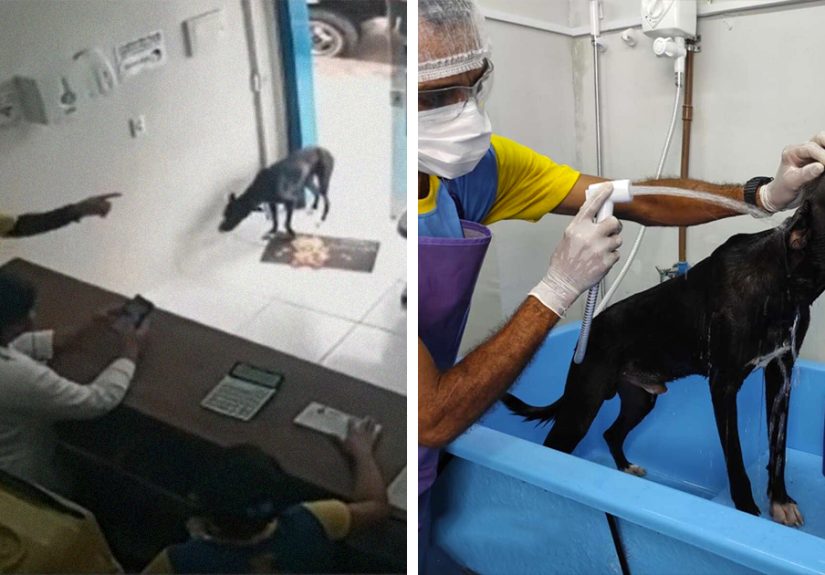
The dog, later named Quindim, appeared outside the veterinary clinic of Dayse Ferreira da Silva. Security footage showed him moving slowly, clearly uncomfortable, before entering the clinic. According to reports, he was limping and seemed to offer his injured paw forward, almost like a patient checking himself in at reception. No paperwork, no insurance card, no appointment. Just instinct, pain, and trust.
What happened next turned a simple rescue into a heartwarming online moment. The veterinary team examined him, discovered he needed real medical help, and began treatment. His case also opened a larger conversation about stray dog rescue, animal intelligence, veterinary care, and what ordinary people should do when they encounter an injured animal in need.
The Moment A Stray Dog Walked Into A Vet Clinic
Quindim’s story captured attention because it felt so intentional. He did not simply collapse near a clinic. He wandered in. He approached people. He allowed himself to be examined. For anyone who has ever tried to convince a perfectly healthy dog to step onto a bathroom scale, that level of cooperation is impressive.
The clinic staff noticed that he appeared wounded and weak. Ferreira reportedly invited him inside, and the dog responded with surprising calm. During the exam, the team found that his condition was more serious than a simple scrape. He was diagnosed with a transmissible venereal tumor, a contagious cancer seen more often in free-roaming and unneutered dog populations. Thankfully, this type of tumor is often treatable, commonly with chemotherapy, and Quindim began responding well to care.
The emotional hook of the video is obvious: a stray animal seemed to know where to go for help. Whether we interpret that as intelligence, luck, scent, memory, or a mix of all four, the result was the same. A sick dog ended up in the hands of people who could help him.
Why This Story Feels So Powerful
Animal rescue stories spread quickly online, but this one has a special ingredient: agency. Quindim was not just found; he appeared to participate in his own rescue. That small detail changes how people react. Viewers are not only touched by human kindness but also by the dog’s effort to survive.
Dogs Are Skilled At Reading Human Environments
Dogs have lived alongside humans for thousands of years, and that shared history has shaped how they respond to our voices, gestures, spaces, and routines. Research on dog-human communication suggests that dogs are especially good at using people as problem-solvers. They look at us, approach us, follow cues, and sometimes appear to “show” us what they need.
That does not mean every dog understands a veterinary sign on the wall. Quindim probably was not thinking, “Ah yes, a licensed animal hospital, excellent Yelp reviews.” But he may have recognized a doorway full of people, calm voices, and the familiar smells of other animals. For a street dog in pain, that could be enough.
The Injured Paw Became A Universal Message
The image of the dog putting his paw forward became the heart of the story because it translated instantly. You do not need to speak Portuguese, English, or fluent golden retriever to understand what it looks like when a hurt animal offers the painful part of his body. It is vulnerable. It is practical. It is heartbreaking.
That gesture is also a reminder that pain changes behavior. Injured dogs may become withdrawn, defensive, clingy, or unusually still. Some lick the affected area. Others avoid putting weight on a limb. In Quindim’s case, the limp and offered paw helped clinic staff identify that something was wrong right away.
What Quindim’s Diagnosis Teaches Us About Stray Dog Health
The diagnosis of a transmissible venereal tumor may sound alarming, but it is an important part of the story. Canine transmissible venereal tumor, often shortened to TVT or CTVT, is spread through direct transfer of tumor cells, most commonly during mating. It is more frequently associated with free-roaming, intact dogs in areas where stray populations are not well controlled.
In many cases, veterinarians can treat TVT successfully, often using chemotherapy such as vincristine. Early care matters, especially because stray dogs may also be dealing with parasites, malnutrition, wounds, infections, dental problems, and untreated injuries. A dog on the street rarely has one problem neatly labeled in a file folder. More often, the vet has to solve a medical mystery while the patient looks up with big eyes and zero ability to explain where it hurts.
Why Spay And Neuter Programs Matter
Quindim’s case also points to the importance of spay and neuter programs. These efforts reduce unwanted litters, lower the number of dogs living on the street, and can help limit diseases associated with uncontrolled breeding. Community veterinary outreach, rescue networks, and affordable sterilization services are not glamorous work, but they prevent suffering long before a dog has to limp into a clinic asking for help.
Animal welfare is not only about dramatic rescues. It is about boring, practical systems: microchips, vaccines, identification tags, community shelters, responsible adoption, and accessible veterinary care. Not flashy, but very effective. Think less superhero cape, more clipboard with compassion.
What To Do If You Find An Injured Stray Dog
Quindim got lucky because he found professionals. Most people who encounter an injured stray dog are not standing inside a veterinary clinic with exam gloves ready. If you see a limping, bleeding, frightened, or weak dog, the goal is to help without making the situation more dangerous for the animal or yourself.
1. Do Not Rush The Dog
An injured dog may bite out of fear or pain, even if he seems gentle. Move slowly, speak softly, and avoid direct staring, which some dogs read as pressure. If the dog is in traffic or another dangerous area, call local animal control, a shelter, or emergency services rather than chasing him. Chasing a scared dog near cars is how a rescue attempt turns into a cartoon disaster, minus the funny soundtrack.
2. Keep Yourself Safe
If the dog is growling, snapping, cornered, or too scared to approach, do not try to handle him. Contact trained responders. If the dog is calm and you can safely contain him, use a leash, carrier, crate, fenced yard, or a secure space. Avoid putting your face near his face. This is not the moment for a dramatic forehead-to-forehead rescue selfie.
3. Contact A Vet, Shelter, Or Animal Control
If the dog is sick, injured, or unable to walk normally, professional care should come first. Local shelters and animal control agencies can guide you on the right steps. Many veterinary clinics and shelters can scan for a microchip, which may help reunite the dog with an owner. A found-pet report can also be filed so that a searching family has a chance to locate their missing companion.
4. Look For ID And Microchip Options
A collar tag can provide immediate contact information, but collars can fall off. Microchips are more permanent and greatly improve the odds that a lost pet will be reunited with family. If you safely bring a found dog to a clinic, shelter, or animal care center, ask for a microchip scan. It is one of the simplest steps with the biggest potential payoff.
5. Avoid Giving Human Medication
Never give a stray dog human pain relievers such as ibuprofen, acetaminophen, or aspirin unless a veterinarian specifically instructs you to do so. Some human medications can be toxic to dogs or worsen bleeding, kidney issues, stomach ulcers, and other conditions. A bowl of water may help if the dog is alert and able to drink, but medicine should be left to professionals.
How To Recognize A Dog That Needs Urgent Veterinary Care
A limp can be caused by something minor, such as a thorn in the paw, or something serious, such as a fracture, dislocation, infection, or neurologic injury. Warning signs that call for urgent veterinary attention include refusal to bear weight, obvious swelling, a dangling limb, visible wounds, bleeding, heat in the limb, extreme pain, crying, weakness, collapse, or a leg positioned at an unnatural angle.
Dogs may also hide pain. Some continue wagging their tails while injured because dogs are charming little weirdos who sometimes act cheerful while making every veterinarian in the room nervous. That is why observation matters. A change in gait, repeated paw licking, reluctance to climb stairs, or sudden stillness can all be clues.
Why Veterinary Clinics Are Often The Front Line Of Compassion
Veterinary clinics are not just places for vaccines and annual checkups. They are often the first safe stop for animals in crisis. Clinic teams see the full emotional range of pet life: puppies, emergencies, senior care, recoveries, goodbyes, and the occasional stray dog who strolls in like he has a 2:30 appointment.
Quindim’s story shows how important trained veterinary staff can be. The clinic did not simply admire the touching moment; they acted. They examined him, diagnosed his condition, treated him, named him, and helped give him a chance at adoption. Compassion became useful because it was paired with medical skill.
The Cost And Limits Of Rescue
There is also a practical side that viral stories sometimes skip. Treating injured stray animals can be expensive. Shelters may have limited space. Animal control agencies may be stretched thin. Rescuers and veterinarians often face difficult choices about funds, fosters, transportation, and long-term care. That does not make the work less meaningful. It makes community support more necessary.
Donations, fostering, volunteering, adopting, sharing verified lost-pet posts, and supporting low-cost spay and neuter programs all help. Not everyone can bring a stray dog home. But many people can do one useful thing.
The Bigger Lesson: Help Should Be Easy To Find
The sweetest part of Quindim’s story is that he found the right door. The sadder part is that many animals never do. A stray dog with an infected paw, untreated tumor, or broken limb may spend days or weeks trying to survive unnoticed. That reality makes community awareness essential.
Neighborhoods can become safer for animals when residents know whom to call, where the nearest shelter is, which clinics scan microchips, and how to report found pets. Pet owners can help by keeping ID tags readable, updating microchip registration, securing gates, using leashes, and not allowing pets to roam. Rescue is not only what happens after an animal is hurt. It is also what prevents the hurt from happening in the first place.
Related Experiences: What This Story Reminds Us About Helping Animals
Stories like Quindim’s often make people ask, “What would I do if that happened near me?” The answer depends on the situation, but the emotional experience is familiar to anyone who has seen an animal in need. There is a moment of hesitation: Is the dog lost? Is he dangerous? Is he injured? Should I approach? Should I call someone? That brief pause matters because kindness works best when it is careful.
Imagine walking through a parking lot and seeing a dog holding one paw off the ground. He is not barking. He is not running. He just looks tired, dusty, and confused. The first instinct might be to rush toward him with a heroic soundtrack playing in your head. But a better approach is slower. You crouch at a distance. You speak softly. You check for traffic. You call a local shelter or clinic. If he comes closer, you offer space rather than pressure. In animal rescue, patience is not passive; it is a tool.
Many rescuers describe the first few minutes with an injured stray as a balancing act. Too much movement can scare the dog away. Too much confidence can get a person bitten. Too little action can leave the dog in danger. That is why experienced rescuers often carry simple items: a slip lead, treats, a towel, a crate, and phone numbers for local animal services. None of this looks dramatic, but it saves lives.
There is also an emotional lesson here for pet owners. A lost dog with a microchip, current tag, and recent photo has a much better chance of coming home. Updating a microchip record may feel like a boring errand, right up until the day it becomes the only thing connecting a scared dog to his family. The same goes for basic prevention: secure fences, leash habits, routine vet care, vaccines, and spay or neuter decisions. Small responsibilities stack up into protection.
Quindim’s experience also reminds us not to underestimate animals. Dogs may not speak in sentences, but they communicate constantly. A paw raised in pain, a lowered head, a tucked tail, repeated licking, a limp, or a sudden willingness to follow a stranger can all be messages. The question is whether humans are paying attention.
In the end, this story is not only about a dog who walked into a clinic. It is about the beautiful possibility that help can be available when courage meets compassion. Quindim did his part by stepping through the door. The clinic did its part by opening it wider. That is the kind of partnership every stray animal deserves: one brave little step from them, one responsible response from us.
Conclusion
The video of Quindim walking into a veterinary clinic with his injured paw forward touched millions because it felt like a silent conversation between a suffering animal and the people who could help. His story is sweet, but it is also educational. Injured stray dogs need calm handling, fast professional care, microchip checks, found-pet reports, and communities willing to support shelters and veterinary teams.
Most of all, Quindim reminds us that compassion should not wait for a viral video. Every limping dog, every lost pet, and every frightened animal on the street deserves a chance to be noticed. Sometimes rescue begins with a dramatic moment. Sometimes it begins with a phone call, a leash, a microchip scan, or a clinic door left open at exactly the right time.