Table of Contents >> Show >> Hide
- Why SEOFOMO Worked: It Solved a Real Industry Pain
- The SEOFOMO Growth Flywheel
- Email Marketing Lessons From SEOFOMO
- Why Owned Audiences Matter More Than Ever
- Deliverability: The Boring Part That Makes the Empire Possible
- How SEOFOMO Expanded Beyond One Newsletter
- Actionable Takeaways for Growing a Newsletter Like SEOFOMO
- Experience Notes: What Building Around the SEOFOMO Model Teaches You
- Conclusion
Some newsletters arrive in your inbox like a polite knock at the door. Others arrive like a caffeine-fueled industry command center, fully stocked with news, tools, trends, jobs, events, and just enough urgency to make you whisper, “Wait, did Google change something again?” SEOFOMO belongs firmly in the second group.
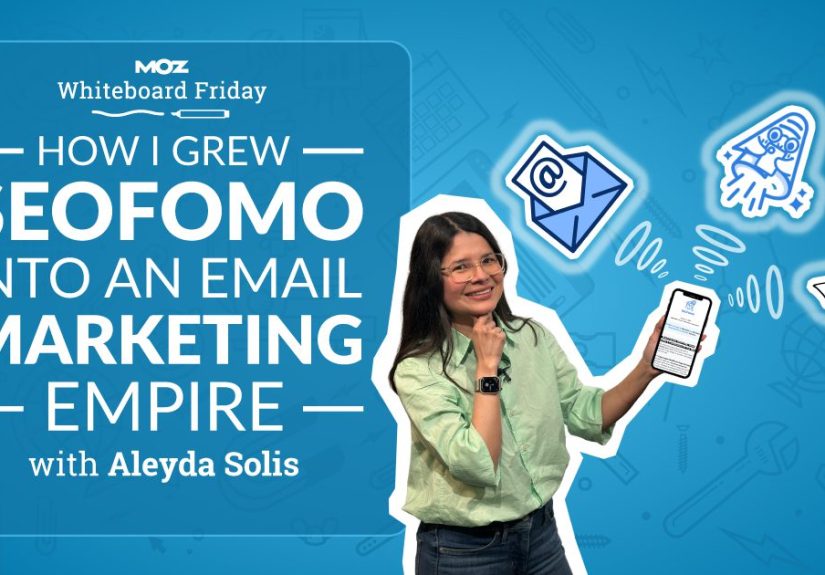
Built by international SEO consultant Aleyda Solis, SEOFOMO has become one of the best-known newsletters in the search marketing world. Moz’s Whiteboard Friday highlighted the story as a case study in how a highly focused newsletter can grow from a useful side project into a serious email marketing asset. At the time of that feature, SEOFOMO had reportedly reached 36.6K subscribers in about five years. Today, SEOFOMO promotes itself as a newsletter for more than 40,000 SEOs and digital marketers, with a weekly format centered on SEO news, AI search updates, guides, tools, jobs, events, and expert recommendations.
The impressive part is not just the subscriber count. Plenty of newsletters can inflate a list faster than a conference tote bag fills with branded pens. The real lesson is that SEOFOMO grew by being useful, consistent, community-aware, and intelligently monetized. It did not try to become everything for everyone. It became indispensable for one specific audience: people who care deeply about search.
Why SEOFOMO Worked: It Solved a Real Industry Pain
The name SEOFOMO is clever because it captures the emotional state of modern search professionals. SEO changes constantly. Google updates roll out, AI search experiences evolve, technical SEO recommendations shift, new tools appear, and someone on LinkedIn confidently declares that SEO is dead for the 743rd time this quarter.
For busy consultants, in-house marketers, founders, and content teams, keeping up with everything is exhausting. SEOFOMO does not merely send links. It reduces anxiety. It says, in effect: “Here are the things worth knowing this week. You may now stop doom-scrolling.” That is a powerful value proposition because it saves readers time, protects them from missing important updates, and gives them a curated view from someone with strong subject-matter authority.
The Best Newsletters Are Filters, Not Firehoses
A common mistake in email marketing is assuming that more content equals more value. In reality, readers rarely need more tabs open. They need better judgment. SEOFOMO’s strength is curation. It gathers SEO and AI search news, resources, tools, jobs, events, and people to follow into a predictable weekly package. The newsletter acts like a trusted filter between the reader and the chaotic open internet.
This is where many newsletters fail. They collect information but do not create meaning. SEOFOMO adds value because the selection itself tells readers what matters. That editorial judgment is the product.
The SEOFOMO Growth Flywheel
SEOFOMO’s growth can be understood as a flywheel: useful content attracts readers, readers share the newsletter, the larger audience attracts sponsors and partners, sponsorships support the operation, and the stronger operation produces even better content. Simple? Yes. Easy? Not unless you enjoy doing disciplined editorial work every week while the algorithmic circus performs backflips around you.
1. Start With a Narrow Audience
SEOFOMO did not launch as a vague “marketing newsletter.” It focused on SEO, then expanded naturally into AI search as the industry changed. That specificity matters. A focused newsletter is easier to recommend because readers instantly understand who it is for. “This is for SEOs who want to stay updated” is much stronger than “This is for anyone who likes business stuff.”
For creators and brands, the lesson is clear: choose a category where people have recurring information needs. SEO is perfect for this because the market changes weekly. A newsletter about a topic that never changes has to manufacture urgency. A newsletter about search simply has to keep up.
2. Build Trust Before Monetization
Email marketing empires are not built by squeezing every subscriber for revenue on day one. They are built by proving value repeatedly. SEOFOMO’s reputation comes from usefulness first. Sponsorship opportunities make sense because the audience is concentrated, relevant, and professionally valuable. Advertisers want access to people who care about SEO tools, platforms, conferences, hiring, consulting, analytics, and AI search workflows.
This is the difference between monetizing attention and monetizing trust. Attention can be bought. Trust has to be earned, issue by issue.
3. Use the Founder’s Authority as a Growth Asset
Aleyda Solis brought more than a mailing list to SEOFOMO. She brought credibility as an experienced SEO consultant, speaker, author, and founder of Orainti. That matters because newsletter subscribers are not only subscribing to a topic. They are subscribing to a person’s taste, standards, and judgment.
In a world where generic AI summaries are everywhere, expert-led curation becomes more valuable. Readers want to know that a real practitioner looked at the week’s noise and selected the signal. A strong personal brand can turn a newsletter from “another email” into a weekly appointment.
Email Marketing Lessons From SEOFOMO
The SEOFOMO story offers practical lessons for anyone building a newsletter, whether the topic is SEO, SaaS, finance, design, healthcare, food, or the surprisingly dramatic world of office coffee machines.
Consistency Beats Occasional Genius
SEOFOMO is sent weekly. That rhythm trains readers. When a newsletter shows up consistently, it becomes part of a routine. Random publishing may feel flexible for the creator, but it feels unreliable to the subscriber. Consistency does not mean every issue must be a literary masterpiece. It means the reader knows what to expect and when to expect it.
For SEO and content marketing, this also creates a compounding archive. Past newsletter editions can become searchable resources, landing pages, social posts, and internal research material. Every issue becomes both a relationship touchpoint and a content asset.
Community Can Grow a Newsletter Without Huge Ad Spend
One of the most interesting parts of SEOFOMO’s growth is how much of it has been supported by community mechanics: shoutouts, referrals, giveaways, partnerships, and visibility among SEO professionals. These tactics work because they are native to the audience. SEO people share tools, debate updates, recommend resources, and love a good checklist almost as much as they love arguing about canonical tags.
Instead of relying only on paid ads, SEOFOMO benefited from being genuinely shareable. Readers had a reason to forward it to colleagues. Brands had a reason to sponsor it. Industry peers had a reason to mention it. Growth became more organic because the product itself was worth talking about.
Smart Sponsorship Requires Audience Fit
Newsletter sponsorship works best when the sponsor is useful to the audience. A random ad in a niche newsletter feels like someone parked a food truck in the middle of a library. But an SEO tool, conference, job board, training program, or research report in an SEO newsletter feels relevant. Good sponsorship should feel like part of the ecosystem, not an interruption.
For publishers, this means protecting reader trust. Short-term revenue from bad-fit advertisers can damage long-term engagement. SEOFOMO’s model shows why niche authority is valuable: a smaller, high-intent audience can outperform a larger but unfocused list.
Why Owned Audiences Matter More Than Ever
SEOFOMO’s growth also reflects a larger marketing shift: smart creators and brands want owned audiences. Social platforms are useful, but they are rented land. Algorithms change. Reach drops. Accounts get restricted. Platforms rise, wobble, rebrand, or decide that every feed should become a casino of short videos and outrage confetti.
Email is different. You still depend on inbox providers and deliverability rules, but you have a more direct relationship with subscribers. That makes a newsletter one of the most durable assets in digital marketing. For B2B marketers especially, email newsletters remain important because they support education, retention, thought leadership, and community building.
The Inbox Is Crowded, So Relevance Wins
The inbox is not a peaceful meadow. It is a competitive arena where brand promotions, meeting reminders, software alerts, receipts, newsletters, and one mysterious “urgent” email from 2019 all fight for attention. To win, a newsletter must be immediately useful.
That means strong subject lines, clear formatting, fast-loading design, mobile-friendly structure, and content that respects the reader’s time. SEOFOMO succeeds because the promise is clear: subscribe and keep up with the most important SEO and AI search developments without doing all the digging yourself.
Deliverability: The Boring Part That Makes the Empire Possible
Email marketing success is not only about clever writing. It also depends on technical hygiene. Gmail and Yahoo have tightened sender requirements, especially for bulk senders. Authentication, spam complaint management, DNS accuracy, unsubscribe functionality, and proper message formatting all matter. The FTC’s CAN-SPAM rules also require truthful header information, accurate subject lines, clear opt-out mechanisms, and proper sender identification for commercial email.
This is not glamorous. Nobody launches a newsletter because they dream of configuring SPF, DKIM, and DMARC records under a full moon. But deliverability is the infrastructure behind growth. If readers do not receive the newsletter, even the world’s best subject line is just a tiny poem trapped in a server log.
Clean Lists Beat Big Lists
SEOFOMO’s public numbers include strong engagement signals, including open and click-rate claims on its sponsorship page. That reinforces a key email marketing principle: list quality matters more than raw list size. A smaller list of people who open, click, reply, and share is more valuable than a giant list of sleepy addresses that treat every email like digital wallpaper.
For creators, the practical lesson is to avoid purchased lists, unclear opt-ins, and aggressive frequency changes. Respect the promise made at signup. If people subscribed for a weekly expert digest, do not suddenly blast them daily with unrelated promotions. That is not growth; that is inbox vandalism with a logo.
How SEOFOMO Expanded Beyond One Newsletter
Another reason the SEOFOMO story feels like an email marketing empire is that it did not stop at a single inbox product. Aleyda Solis has built a broader ecosystem that includes SEOFOMO, MarketingFOMO, AI-focused marketing resources, SEOFOMO News, learning roadmaps, and other tools for marketers. This expansion works because the audience adjacencies are logical.
SEOFOMO is for SEO and AI search updates. MarketingFOMO covers broader digital marketing news and resources. AI marketing content responds to the rapid rise of generative AI in marketing workflows. Each extension serves a related but distinct information need. That is how a creator can expand without confusing the original audience.
Empire Building Means System Building
The word “empire” can sound dramatic, as if a newsletter creator sits on a throne made of Mailchimp templates. In reality, an email marketing empire is a system. It includes editorial processes, source discovery, audience feedback, sponsor operations, landing pages, archives, analytics, deliverability checks, community promotion, and product expansion.
SEOFOMO’s real achievement is not only subscriber growth. It is turning expertise into a repeatable media operation. That is the blueprint modern experts should study.
Actionable Takeaways for Growing a Newsletter Like SEOFOMO
Define the Reader’s Weekly Problem
Do not start with “I want a newsletter.” Start with “What recurring problem will this email solve?” SEOFOMO solves the problem of staying current in a fast-moving industry. Your newsletter might help founders track funding trends, designers find inspiration, teachers discover classroom tools, or local food lovers find the best new restaurants. The topic matters less than the recurring need.
Create a Format Readers Can Recognize
A repeatable format reduces production stress and improves reader experience. Categories such as news, guides, tools, jobs, events, expert picks, and sponsor slots help readers scan quickly. Familiar structure makes each issue easier to consume.
Make Sharing Obvious
Readers are more likely to recommend a newsletter when the value is easy to explain. “It helps SEOs avoid missing important updates” is instantly shareable. Add referral prompts, social snippets, and occasional community campaigns, but remember: the best referral engine is still a newsletter worth forwarding.
Monetize Without Breaking Trust
Sponsorships, job listings, paid placements, tools, courses, consulting leads, and premium products can all work. The key is alignment. Every monetization choice should feel useful to the reader and natural to the brand.
Experience Notes: What Building Around the SEOFOMO Model Teaches You
The biggest experience-based lesson from the SEOFOMO model is that newsletter growth feels slow until it suddenly looks obvious. In the early stages, every subscriber feels personal. You notice every unsubscribe. You overthink every subject line. You wonder whether anyone cares. Then, if the newsletter consistently solves a real problem, readers begin to build it with you. They forward it. They mention it in Slack groups. They quote it in meetings. They reply with suggestions. That is when the newsletter stops being a broadcast and becomes a community habit.
In practice, the hardest part is not writing one great issue. The hardest part is creating a repeatable system that survives busy weeks. A strong newsletter needs an intake process for sources, a clear editorial standard, a reliable publishing schedule, and a way to measure what readers actually use. For a topic like SEO, that means tracking official search updates, expert commentary, tool launches, case studies, conference talks, job market changes, and emerging AI search behavior. Without a system, the creator becomes the bottleneck. With a system, the newsletter becomes a machine that still feels human.
Another practical lesson is that personality matters, but usefulness matters more. A fun tone can make a newsletter memorable. A clever name can help. A strong founder brand can open doors. But none of those replace value. Readers forgive a simple design if the links are excellent. They forgive a long email if it saves them three hours. They do not forgive fluff disguised as insight.
SEOFOMO also shows the importance of earning the right to expand. Many creators launch three newsletters before proving one. That usually creates three tiny campfires instead of one strong flame. A better path is to dominate a narrow use case, learn what adjacent needs your audience has, and expand carefully. SEOFOMO’s broader ecosystem makes sense because SEO, digital marketing, and AI in marketing overlap naturally.
Finally, the SEOFOMO story proves that email marketing is not old-fashioned. It is mature. That is different. Mature channels reward discipline. They reward trust, relevance, segmentation, deliverability, and consistent usefulness. A newsletter does not need to chase every trend if it becomes the place people rely on to understand the trends. That is the magic trick: instead of being another voice shouting into the feed, become the inbox guide readers actually look forward to opening.
Conclusion
SEOFOMO grew because it combined expert curation, consistent publishing, audience focus, community-driven growth, and smart monetization. Moz’s Whiteboard Friday spotlighted the story for good reason: it is not just about one successful SEO newsletter. It is a practical example of how creators can build owned media in a crowded digital world.
The formula is not mysterious, but it is demanding. Pick a clear audience. Solve a recurring problem. Show up consistently. Protect trust. Build systems. Monetize with relevance. Keep improving. Do that long enough, and a newsletter can become more than a marketing channel. It can become an industry habit.
Note: This article is original editorial content written for web publication. Before publishing, review brand names, metrics, compliance language, and formatting to match your site’s editorial standards.