Table of Contents >> Show >> Hide
- What Is Acanthus?
- Why Gardeners Love Acanthus
- Best Types of Acanthus to Grow
- Where to Plant Acanthus
- How to Plant Acanthus Step by Step
- How to Care for Acanthus After Planting
- How to Propagate Acanthus
- Common Problems When Growing Acanthus
- How to Keep Acanthus from Taking Over
- Best Garden Design Uses for Acanthus
- Practical Growing Experiences and Lessons Gardeners Learn
- Final Thoughts
- SEO Tags
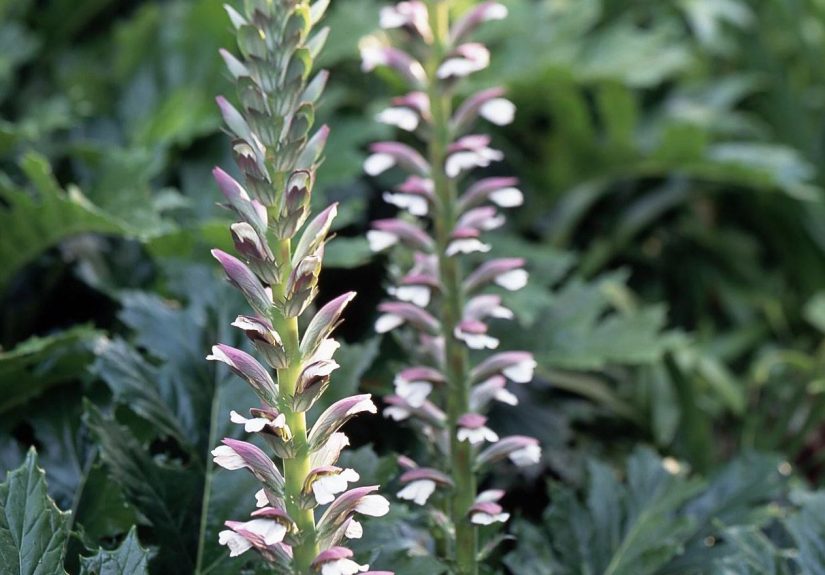
Acanthus, often called bear’s breeches, is the kind of plant that walks into a garden and immediately acts like it owns the place. Honestly, it sort of does. With glossy, deeply cut leaves and tall flower spikes dressed in white, cream, and purple bracts, acanthus brings old-world drama without requiring a full-time staff of gardeners in linen aprons. If you want a perennial that looks architectural, lush, and just a little bit theatrical, this is your plant.
That said, acanthus is not a “stick it anywhere and hope for the best” kind of green roommate. To plant and grow acanthus successfully, you need to understand its favorite conditions: good drainage, the right amount of sun for your climate, sensible watering, and enough space for a plant that likes to stretch out and occasionally test boundaries. Once established, though, it can be remarkably tough, drought-tolerant in many settings, and stunning for years.
This guide covers everything you need to know about how to plant and grow acanthus, including the best site, planting steps, care tips, propagation methods, and practical lessons gardeners usually learn only after the plant has already staged a small takeover.
What Is Acanthus?
Acanthus is a bold herbaceous perennial best known for its dramatic foliage and upright flower spikes. The most common species in gardens is Acanthus mollis, while Acanthus spinosus and hybrid forms such as ‘Summer Beauty’ are also popular. The leaves are so iconic that they inspired the famous acanthus motif used on Corinthian columns. In other words, this plant has been serving looks since ancient architecture was trending.
Depending on the species or cultivar, acanthus typically forms a broad clump of leaves 2 to 3 feet wide, with flowering stalks that can reach 3 to 6 feet tall. Hardiness varies by type. Acanthus mollis is often most reliable in warmer zones, while spiny or hybrid forms may handle a broader range of conditions. If you live near the edge of its hardiness range, winter mulch and careful siting can make a big difference.
Why Gardeners Love Acanthus
There are plenty of reasons acanthus earns a permanent place in perennial borders:
- Bold texture: The foliage adds a lush, tropical-looking effect even in traditional gardens.
- Long-lasting structure: Flower spikes hold their form beautifully and can be striking even as they dry.
- Shade tolerance: In hot climates, it performs well with morning sun and afternoon shade.
- Drought tolerance once established: It is tougher than it looks, though it prefers not to sit in soggy soil.
- Deer and rabbit resistance: Many forms are less appealing to browsing animals.
The catch? Acanthus can spread by rhizomes or root pieces, and once it settles in, it may be difficult to remove completely. So yes, it is gorgeous. It is also the friend who “just drops by” and somehow ends up living on your couch.
Best Types of Acanthus to Grow
Acanthus mollis
This is the classic bear’s breeches. It has broad, glossy, deeply lobed leaves and tall flower spikes with white blooms and purple bracts. It is especially valued for its foliage and stately form.
Acanthus spinosus
Often called spiny bear’s breeches, this type usually has more deeply divided leaves and a somewhat tougher constitution in some gardens. It can also be more cold tolerant than A. mollis.
Hybrid Acanthus
Hybrids such as ‘Summer Beauty’ are often grown because they combine dramatic foliage with improved heat and humidity tolerance. These can be excellent choices for gardeners in warmer, more humid regions who still want the acanthus look without the diva-level complaints.
Where to Plant Acanthus
Light
The right light depends on your climate. In cooler regions, acanthus can take full sun to part shade. In hotter Southern gardens, it generally performs better with morning sun, bright filtered light, or partial shade to prevent leaf scorch. Too much shade may reduce flowering, while too much intense afternoon sun can make the foliage look tired and crispy.
Soil
If there is one non-negotiable, it is drainage. Acanthus likes fertile, well-drained soil and strongly dislikes wet feet, especially in winter. Average garden soil is usually fine if it drains well. Adding compost before planting can improve soil structure and help roots establish, but avoid turning the bed into a swampy spa treatment.
Space
Give acanthus room. Mature plants are not shy. A spacing range of about 2 to 4 feet works well depending on the variety. If you plant it too close to delicate neighbors, the delicate neighbors may later file a formal complaint.
Placement Strategy
Because acanthus is bold and architectural, it works best in the back or middle of a border, near a wall, beside a path, or as a specimen in a cottage garden, formal garden, or Mediterranean-style planting. It also performs well in some containers, especially if you want to control spread.
How to Plant Acanthus Step by Step
1. Choose the Right Time
Plant acanthus in spring or fall when temperatures are mild. This gives the roots time to settle in before the stress of extreme summer heat or winter cold.
2. Prepare the Site
Clear weeds, loosen the soil, and mix in compost if needed. If your soil is heavy clay or tends to stay wet, improve drainage before planting or choose a raised bed. Acanthus forgives a lot, but chronic sogginess is not on that list.
3. Think About Containment
If you are growing a spreading type, install a root barrier before planting, or place it where wandering roots will not become a future headache. A container or hardscaped area can also help keep it in line.
4. Plant at the Correct Depth
Set the plant so the crown sits level with the surrounding soil. Do not bury it too deeply. Backfill gently and firm the soil around the roots.
5. Water In Well
Give the plant a deep drink after planting to settle the soil and eliminate air pockets. Then switch to a moderate watering schedule while it establishes.
6. Mulch Carefully
Add mulch around the plant to conserve moisture and moderate soil temperature, but keep it away from the crown. In colder areas, mulch also helps protect roots in winter.
How to Care for Acanthus After Planting
Watering
Water regularly during the first growing season. Once established, acanthus is relatively drought tolerant in many gardens, but it still looks better with occasional deep watering during dry periods. In very hot weather, lack of moisture can cause summer dormancy or droopy foliage. That does not always mean the plant is dying; sometimes it is simply taking a dramatic intermission.
Feeding
Acanthus is not especially demanding, but it benefits from soil enriched with organic matter. A yearly top-dressing of compost is often enough. If your soil is poor, a balanced fertilizer in spring can help, but do not overdo it. Too much fertilizer can encourage lots of leafy growth without improving overall performance.
Pruning and Cleanup
Cut flower stalks back after blooming if you want a tidier look or want to reduce self-seeding. In cold climates, leave worn foliage in place over winter to help protect the crown, then remove old leaves in early spring as new growth appears. In milder climates, acanthus may remain evergreen or semi-evergreen.
Winter Care
If you garden near the cold end of your plant’s hardiness range, site it in a protected location and apply a thick winter mulch. Late spring frosts can sometimes damage flower buds, which may reduce or eliminate blooming for the season even if the plant itself survives.
How to Propagate Acanthus
Division
Divide mature clumps in early spring or fall. Lift part of the clump carefully and replant sections with healthy roots and buds. Division is useful for creating new plants and refreshing older clumps.
Root Cuttings
This is one of the most reliable ways to propagate acanthus. Thick root sections can be cut into pieces and planted in a gritty, well-drained medium. Keep them lightly moist until new growth appears. Since even small pieces of root can sprout, propagation is fairly straightforward. It is also why removing unwanted acanthus can feel like negotiating with a hydra.
Seed
Acanthus can also be grown from seed, though it may take longer to establish and bloom. Sow in a seed-starting mix, keep conditions lightly moist, and be patient. Seed-grown plants can be rewarding, but if you crave instant drama, divisions or root cuttings are the faster route.
Common Problems When Growing Acanthus
Root Rot
This is the biggest concern and is almost always related to poor drainage or excessive watering. If your plant declines in wet soil, the site is the problem more than the plant.
Slugs and Snails
Young leaves can attract slugs and snails, especially in shady or damp gardens. Hand-picking, traps, and sensible garden sanitation can help keep damage manageable.
Powdery Mildew
Some acanthus plants may develop powdery mildew, especially when air circulation is poor or conditions swing toward stress. Space plants well and avoid crowding them into stale, humid corners.
Failure to Bloom
If acanthus produces beautiful leaves but no flowers, the usual suspects are too much shade, late frost damage, or a plant that is still settling in. Some forms take time to become well established before blooming heavily.
How to Keep Acanthus from Taking Over
If you love acanthus but do not want it auditioning for the role of neighborhood conqueror, use these strategies:
- Plant it where spreading roots have natural limits, such as near paving or walls.
- Use root barriers in loose, fertile soil.
- Grow it in a large container if your climate and watering habits allow.
- Remove unwanted shoots early before they establish.
- Think twice before digging it out casually, because leftover root pieces may resprout.
Also check local guidance before planting. In some areas, Acanthus mollis is treated as exotic and may be flagged for invasive behavior. A stunning plant is still not a free pass to ignore regional ecology.
Best Garden Design Uses for Acanthus
Acanthus shines in designs that celebrate structure and texture. It looks especially good with ornamental grasses, salvias, irises, foxgloves, roses, and other perennials that can hold their own visually. It also pairs beautifully with stone walls, gravel paths, and formal layouts where its classical look feels right at home.
Use it as:
- a focal-point perennial in a mixed border,
- a specimen in a partial shade garden,
- a dramatic foliage plant near patios and walkways,
- or a container feature where its spread can be controlled.
Practical Growing Experiences and Lessons Gardeners Learn
One of the most common real-world experiences with acanthus is surprise. Gardeners often plant it for the flowers, then end up falling in love with the foliage first. The leaves are huge, glossy, dramatic, and visible from across the yard. Even when the plant is not blooming, it still earns its keep. In a border full of smaller plants, acanthus acts like visual punctuation. It makes everything around it look more intentional, more layered, and frankly more expensive.
Another lesson gardeners learn quickly is that location matters more than pampering. Acanthus is not usually a high-maintenance perennial once established, but it is fussy about one thing: wet soil. Put it in a spot with poor drainage, and it can sulk, rot, or disappear in a way that feels deeply personal. Put it in a well-drained place with decent soil and reasonable light, and suddenly it becomes the sort of plant that makes visitors ask, “What on earth is that?” in a good way.
Gardeners in hot climates often report the best results in morning sun with protection from harsh afternoon heat. In cooler regions, the plant may flower better in more sun. This is why copying a growing tip from a gardener in another state can sometimes lead to disappointment. Acanthus is a wonderful reminder that plants do not read labels; they respond to local conditions. The same species may behave politely in one garden and enthusiastically in another.
Many people also discover that young acanthus can be slower to impress than expected. The first year may look like the plant is merely gathering opinions. Then, once the roots are established, it starts producing the bold leaves and towering flower spikes that made you buy it in the first place. Patience pays off here. This is not always a first-season firework. It is more of a slow-building symphony with a very dramatic finale.
Containment is another frequent topic in real gardens. Some gardeners adore acanthus right up until they try to move it. Because root pieces can resprout, digging out an established clump can become an accidental propagation project. That is why experienced growers often say to plant it where you truly want it from the beginning. Choosing the right home early saves a lot of future muttering, and possibly some creative vocabulary.
There is also the matter of seasonal appearance. In mild winters, acanthus may stay handsome for much of the year. In colder climates, the foliage can look rough by late winter, and cleanup in early spring makes a huge difference. Gardeners who leave the old foliage in place for protection, then remove it as new growth emerges, usually get the best balance between winter survival and spring beauty.
Finally, one of the best experiences with acanthus is the way it changes the personality of a garden. It adds confidence. It adds structure. It adds a little theatrical flair without demanding constant fussing. Once you have grown it successfully, you start seeing where bold foliage belongs in your landscape. Acanthus teaches that flowers are wonderful, but leaves with presence can carry a garden just as powerfully. And when those leaves are followed by towering bloom spikes, the whole performance feels like a standing ovation from nature.
Final Thoughts
If you want a perennial that delivers bold foliage, classical beauty, and serious garden presence, acanthus is hard to beat. Plant it in well-drained soil, match the light to your climate, water it sensibly while it establishes, and give it room to do its thing. Keep an eye on spread, protect it in colder regions, and do not panic if it takes a little time to settle in.
Learn how to plant and grow acanthus well, and you will be rewarded with a plant that looks both ancient and fresh, elegant and slightly wild. It is the botanical equivalent of showing up in a tailored suit and muddy boots at the same time. In other words, unforgettable.