Table of Contents >> Show >> Hide
- Why This Traditional Broom Still Gets Attention
- What Makes the Justamere Tree Farm Handcrafted Traditional Broom Different
- The Craft Tradition Behind the Broom
- Why Handmade Brooms Keep Winning in the Age of Plastic Everything
- How a Traditional Broom Changes the Sweeping Experience
- Design Appeal: Why This Broom Belongs in the Room, Not the Closet
- What Buyers and Homeowners Should Look For in a Similar Broom
- The Bigger Meaning of the Justamere Tree Farm Handcrafted Traditional Broom
- Extended Experience: What Living with a Traditional Broom Really Feels Like
- Conclusion
- SEO Tags
Some household tools are so ordinary they disappear into the background. A broom is usually one of them. It leans in a corner, does its job, and receives about as much appreciation as a light switch. Then a piece like the Justamere Tree Farm Handcrafted Traditional Broom comes along and ruins that whole system. Suddenly, the broom is not just a cleaning tool. It is a design object, a craft story, a practical heirloom, and, frankly, the kind of thing that makes guests ask, “Wait, where did you get that?”
That is the charm of a traditional broom made by hand. It does not try to impress you with futuristic plastic joints, suspiciously cheerful neon bristles, or the promise that it can somehow replace every cleaning device known to humankind. Instead, it wins the old-fashioned way: by being well made, durable, useful, and beautiful enough to earn a place in plain sight.
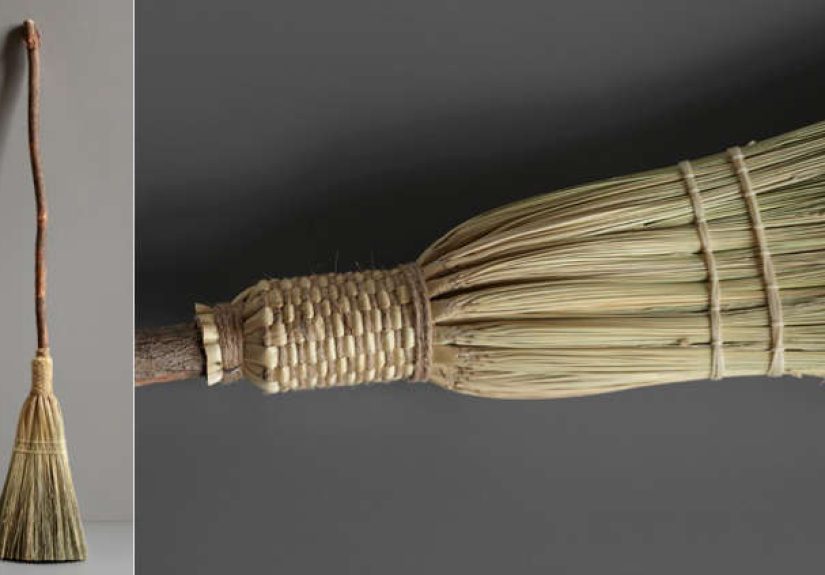
The Justamere Tree Farm handcrafted traditional broom has long stood out as a memorable example of this kind of American-made utility. Associated with Western Massachusetts and described in archived listings as a hand-tied, 54-inch broom made with woven broomcorn and a sassafras handle, it represents a category of household goods that many people forgot they were missing: tools that feel alive in the hand and improve daily work rather than turning it into a battle against flimsy materials.
Why This Traditional Broom Still Gets Attention
The first reason is simple: it does not look mass-produced. That matters more than people think. When a broom is handcrafted, the materials are not trying to imitate something natural; they are natural. The handle has character. The fiber has texture. The stitching and weaving show human judgment instead of anonymous factory speed. A broom like this feels less like a disposable supply and more like a purposeful object.
The second reason is performance. Traditional handmade broomcorn brooms have developed a loyal following because they often sweep with more control than bargain-bin synthetic brooms. The fibers gather dust, crumbs, grit, and porch debris with a kind of steady confidence. Not flashy confidence. More like “I was born for this” confidence.
The third reason is emotional, and yes, that may sound dramatic for a broom. But good domestic tools shape the feeling of a home. A thoughtfully made broom turns sweeping from an annoying chore into a satisfying ritual. That does not mean anyone wakes up thrilled to chase crumbs under a kitchen table. It just means the task becomes less irritating when the tool actually works and does not feel like it came free with disappointment.
What Makes the Justamere Tree Farm Handcrafted Traditional Broom Different
Based on archived product descriptions and coverage from design and regional food publications, the Justamere Tree Farm handcrafted traditional broom was known for several details that set it apart from generic brooms.
A Sassafras Handle with Personality
One of its defining characteristics was the sassafras handle, reportedly left with smooth bark intact. That detail matters for both aesthetics and feel. Instead of a uniform, bland stick pretending to be invisible, the handle gives the broom a distinctly rooted, woodland identity. It ties the object back to place, craft, and material in a way modern cleaning products rarely do.
Woven Broomcorn Construction
The broomcorn was described as woven or plaited where it connected to the handle. That handwork is not decorative fluff. It reflects the traditional skill of assembling a broom so the fibers are secured, shaped, and balanced for real use. In a well-made broom, construction affects how evenly it sweeps, how well it holds form, and how long it lasts before turning into an awkward, splayed-out floor octopus.
Built for More Than One Surface
Another notable feature was versatility. Archived descriptions positioned the broom as suitable for wood, tile, marble, sidewalks, porches, and decks. That suggests a practical everyday broom rather than a fragile display piece. In other words, this was not the kind of artisanal object that says, “Please admire me from three feet away and never let me encounter dirt.” It was meant to work.
The Craft Tradition Behind the Broom
To understand why this broom resonates, it helps to understand the broader history of traditional broom making in the United States. Broomcorn, a type of sorghum grown for its long fibrous seed heads, became central to American broom-making over the nineteenth century. Massachusetts has an especially important place in that story, since the state is often connected with early innovations that helped transform broom-making from a household task into a recognizable craft industry.
Shaker communities also helped define the visual and functional language of the American broom. Their influence is hard to miss: clean forms, honest materials, practical beauty, and construction that values usefulness over fussy ornament. The flatter broom shape associated with Shaker production was not just prettier; it was more efficient for sweeping. That combination of elegance and utility still shapes consumer interest in Shaker brooms and related handcrafted styles today.
Justamere Tree Farm’s broom-making reputation fits naturally into that lineage. Regional coverage described the farm’s owners as making brooms according to Shaker methods and using antique equipment, including a broom vise. That matters because it places the broom within a living craft tradition rather than a vague “rustic” marketing mood board. Rustic can be charming. Actual traditional skill is better.
Why Handmade Brooms Keep Winning in the Age of Plastic Everything
At first glance, a handcrafted broom might seem like a niche object for design enthusiasts, old-house devotees, or the kind of person who knows the difference between six shades of matte black paint. But the renewed interest in artisan brooms goes deeper than aesthetics.
They Offer Better Material Honesty
Consumers are increasingly drawn to products that show what they are made of and how they were made. A traditional broomcorn broom does not hide behind molded shells and synthetic gimmicks. It announces its materials openly. That transparency creates trust.
They Age Better
A cheap broom often looks tired almost immediately. The fibers bend strangely, the handle feels flimsy, and the whole thing starts leaning into retirement after a few months. A quality handcrafted broom tends to age with more dignity. Wear becomes part of its character rather than proof of its failure.
They Turn Utility into Beauty
The modern home has rediscovered the appeal of useful objects that are also visually satisfying. Open shelving, visible cookware, handmade ceramics, wooden cutting boards, linen towels, forged hooks, and artisan brushes all reflect the same instinct: people want daily-use items that are not ugly. A beautiful broom belongs in that conversation.
They Connect Cleaning to Place and Tradition
A broom like the Justamere model also carries a sense of regional identity. Western Massachusetts, local woods, hand-tied fibers, traditional methods, small-farm production: all of that creates a product story that feels grounded rather than generic. In a marketplace flooded with copycat home goods, authenticity has become a serious advantage.
How a Traditional Broom Changes the Sweeping Experience
Using a handcrafted broom is not magic. It will not pay your taxes, answer your email, or explain why mystery glitter still exists in households with no apparent glitter source. What it can do is make sweeping feel smoother, quieter, and more efficient.
The long handle encourages better posture. The balance of the broom matters when moving across floors. The natural fibers tend to create a soft, controlled sweep instead of the skittering chaos that some synthetic brooms produce. On porches and decks, a good broomcorn broom can feel especially satisfying, gathering grit and leaves with a direct, physical clarity that power tools sometimes miss.
There is also an acoustic difference. Handcrafted natural-fiber brooms often sound softer than stiff plastic alternatives. That may seem like a tiny detail, but in everyday life tiny details build atmosphere. A quiet, effective cleaning tool feels less aggressive. It is the difference between tidying up and staging a domestic percussion concert.
Design Appeal: Why This Broom Belongs in the Room, Not the Closet
Design editors noticed the Justamere Tree Farm broom for a reason. It belongs to that rare category of home tools that can be both functional and display-worthy. The combination of natural fibers, traditional construction, and a bark-on wooden handle gives it sculptural appeal. It looks especially at home in farmhouse, cottage, Shaker-inspired, early American, rustic-modern, and minimalist interiors that favor natural materials over plastic shine.
And unlike purely decorative objects, a broom earns its keep. Hang it on a hook by the mudroom door. Lean it near a fireplace. Store it in a pantry with visible utility pieces. It adds warmth to a space because it reflects work, habit, and care. That is part of its beauty. It is not pretending to be useful. It actually is.
What Buyers and Homeowners Should Look For in a Similar Broom
Because archived retailer pages indicate that this specific Justamere product may no longer be actively sold in the same form, it helps to know what to look for when evaluating a similar traditional handcrafted broom.
- Natural broomcorn: Look for dense, well-tied fibers with an even shape.
- Solid wood handle: Handles with character and good balance usually feel better in use.
- Visible handwork: Stitching, plaiting, and compression details often signal real craftsmanship.
- Functional length: A full-length broom around the mid-50-inch range can be comfortable for regular sweeping.
- Indoor-outdoor versatility: The best traditional brooms can move from kitchen floor to porch without drama.
- Maker credibility: Small workshops, regional artisans, and heritage broom-makers often provide stronger quality than anonymous mass-market brands.
In other words, buy the broom that looks like it has a backbone. Because ideally, it does.
The Bigger Meaning of the Justamere Tree Farm Handcrafted Traditional Broom
More than anything, this broom symbolizes a shift in what people value at home. For years, consumers were trained to buy the cheapest possible version of basic household items and replace them whenever they wore out. That habit produced a lot of clutter, a lot of waste, and a lot of tools nobody liked using.
The appeal of the Justamere Tree Farm handcrafted traditional broom points in the opposite direction. It suggests that even the most ordinary household object can be improved by skilled hands, honest materials, and a strong sense of place. It reminds us that practicality and beauty are not enemies. In the best homes, they are roommates.
It also shows why handcrafted goods endure in public imagination even when a specific item becomes harder to find. A memorable object keeps circulating through design articles, local farm profiles, and craft conversations because it represents something people are hungry for: utility with soul.
Extended Experience: What Living with a Traditional Broom Really Feels Like
Imagine the difference between grabbing a forgettable plastic broom from a hardware aisle and reaching for a handcrafted traditional broom hanging near your back door. The first one feels like an obligation. The second feels like part of the house. That distinction sounds poetic, but it becomes practical very quickly.
In a real home, sweeping happens in short, unglamorous bursts. Coffee grounds escape the filter. Dry leaves ride in on shoes. A trail of flour appears after ambitious baking. Bits of mulch sneak across the porch. The dog appears to be manufacturing fur independently of known science. These are not grand cleaning moments. They are tiny acts of maintenance that shape whether a place feels calm or chaotic.
A traditional broom changes those moments because it is easier to keep close at hand and easier to enjoy using. You do not hide it because it is ugly. You do not resent it because it feels flimsy. You do not use it once and then watch it shed dignity faster than debris. Instead, it becomes a familiar tool with a dependable rhythm.
There is a tactile pleasure to the whole experience. Your hand meets real wood rather than hollow plastic. The handle feels grounded. The broomcorn gives a slight whisper across the floor instead of a harsh scraping chatter. On a porch, the broom gathers grit in satisfying passes, leaving behind visible order. Indoors, it catches the dry kitchen messes that somehow multiply whenever company is on the way.
A handcrafted broom also invites a slower, more attentive style of housekeeping. That may sound old-fashioned, but not in a bad way. There is a reason people still love cast-iron skillets, wool blankets, wooden spoons, and handmade pottery. These objects ask to be used, not merely owned. A good broom belongs in that same family. It earns affection because it earns trust.
The visual experience matters too. A Justamere-style broom with woven broomcorn and a bark-on handle does not look like a cleaning product escaped from a fluorescent supply closet. It looks at home beside boots, baskets, stone floors, old floorboards, mudroom benches, and painted pantry doors. Even in a more modern interior, it adds texture and humanity. It says the people living here prefer things with substance.
Over time, a broom like this develops memory. You remember the first autumn you used it on the porch. You remember holiday cleanup after pine needles and wrapping paper staged a hostile takeover. You remember the quick five-minute sweep before guests arrived. Tools that stay with us collect those quiet domestic scenes. That is why handcrafted utility pieces can feel personal without being sentimental.
And yes, there is one more truth worth admitting: using a beautiful broom makes you slightly more likely to sweep before you absolutely have to. Not because you become a different person overnight. Let’s not oversell it. But because the tool no longer feels like punishment. It feels competent. It feels intentional. It feels like the household version of choosing the good pen.
That, ultimately, is the experience wrapped inside the Justamere Tree Farm Handcrafted Traditional Broom. It is not just about nostalgia, and it is not just about décor. It is about discovering that a humble everyday object can still be made with enough care to improve both the work and the atmosphere of home. For a broom, that is a pretty impressive sweep.
Conclusion
The Justamere Tree Farm handcrafted traditional broom endures as a smart example of what happens when craftsmanship meets utility. With its broomcorn body, sassafras handle, traditional handwork, and strong regional identity, it shows why handcrafted cleaning tools still matter in modern homes. Even if the original model is now best known through archived listings and design coverage, its appeal remains easy to understand: it is practical, durable, visually compelling, and deeply rooted in American broom-making tradition.
In a world crowded with disposable home goods, that is no small thing. A broom this thoughtful reminds us that even routine chores deserve tools made with care. And honestly, if you are going to sweep, you might as well do it with something that has more personality than your average office stapler.