Table of Contents >> Show >> Hide
- What Makes Peanut Brittle So Addictive?
- Ingredients
- Equipment and Setup (Do This Before You Turn on the Heat)
- Classic Homemade Peanut Brittle Recipe
- Temperature Cheat Sheet (Because Candy Is Basically Physics)
- Common Problems and How to Fix Them
- Flavor Variations (Choose Your Adventure)
- How to Store Peanut Brittle (So It Stays Snappy)
- Serving Ideas
- FAQ
- Kitchen Tales: of Peanut Brittle “Experience” (A.K.A. What Usually Happens in Real Kitchens)
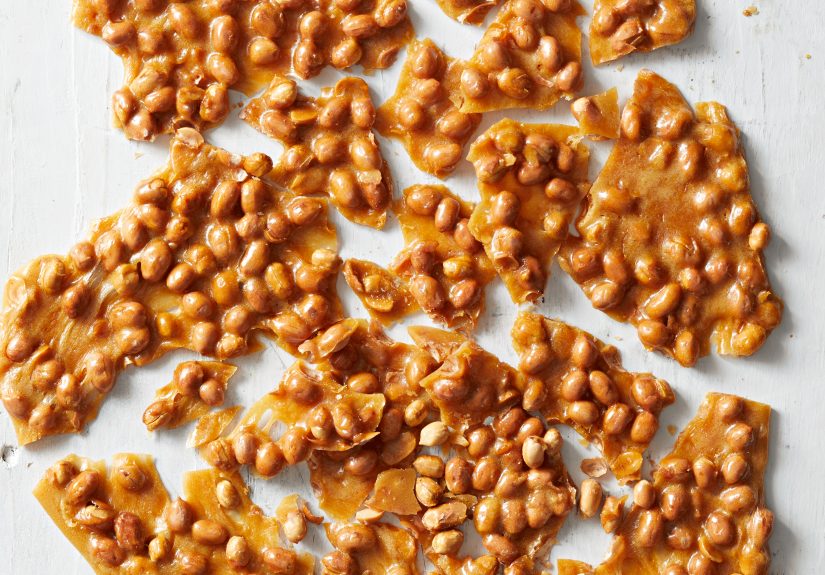
Peanut brittle is the snack equivalent of a mic drop: one dramatic crack, a sweet-salty crunch, and suddenly everyone in the room is “just going to have one more piece.” This classic homemade peanut brittle recipe is crisp, glossy, studded with peanuts, and just airy enough to bite cleanly instead of feeling like you’re gnawing on a stained-glass window.
The best part? It’s surprisingly simple once you understand two things: temperature (we’re aiming for the hard-crack stage) and timing (things move fast at the finish). I’ll walk you through the candy science, the step-by-step method, and the most common “why is my brittle sticky?” heartbreakplus how to avoid it.
What Makes Peanut Brittle So Addictive?
Brittle is basically a controlled sugar transformation. Sugar dissolves, boils, concentrates, and then caramelizes as it climbs in temperature. At around 300–310°F, the syrup reaches the hard-crack stage, meaning it will cool into a candy that snaps cleanly.
Then comes the magic trick: baking soda. When stirred into the blazing-hot syrup, it foams like a science fair volcano, creating tiny bubbles that make the candy lighter and easier to bite. That’s why peanut brittle has that signature “shattery but not tooth-breaking” texture.
Ingredients
This is an old-school peanut brittle recipe with pantry basics. Quality matters, but you don’t need anything fancy (unless you want to get fancymore on that later).
The Core Ingredients
- Granulated sugar – the backbone of the candy.
- Light corn syrup – helps prevent crystallization and keeps the texture smooth.
- Water – gets everything dissolved and boiling evenly.
- Peanuts – roasted peanuts bring flavor; salted peanuts bring the party.
- Butter – adds richness and a smoother bite.
- Baking soda – creates the airy, crackly structure.
- Vanilla extract – optional but highly recommended for warm, bakery vibes.
- Salt – optional if your peanuts are salted; essential if they’re not.
Peanut Notes (Because Nuts Have Feelings)
Dry-roasted peanuts are ideal. If you’re using raw peanuts, you can still make brittle, but the flavor won’t be as deep unless you toast them first. Salted peanuts help balance the sweetnesspeanut brittle is at its best when it’s confidently sweet and politely salty.
Equipment and Setup (Do This Before You Turn on the Heat)
Peanut brittle waits for no one. Once the syrup hits temperature, you’ll need to move quickly. Do the prep first, and you’ll feel like a candy wizard instead of a stressed-out raccoon rummaging for parchment paper.
- Heavy-bottom saucepan (3–4 quart): extra room prevents boil-overs and foam panic.
- Candy thermometer (recommended): accuracy = sanity.
- Sheet pan lined with parchment or a silicone mat, lightly buttered or sprayed.
- Heatproof spatula or wooden spoon.
- Optional: pastry brush + water to brush down sugar crystals.
Safety note: This syrup is basically edible lava. Keep kids and pets out of the “sugar splash zone,” wear long sleeves if you’re cautious, and never touch the candy until it’s fully cooled.
Classic Homemade Peanut Brittle Recipe
Recipe Overview
- Prep time: 10 minutes
- Cook time: 15–25 minutes (depends on stove + pan)
- Cool time: 30–45 minutes
- Yield: about 1 ½ pounds (plenty for sharing… or not)
Ingredients (Measured and Ready)
- 2 cups granulated sugar
- 1 cup light corn syrup
- 1/2 cup water
- 1/4 to 1/2 teaspoon salt (use less if peanuts are salted)
- 2 to 2 1/2 cups dry-roasted peanuts (salted preferred)
- 2 tablespoons unsalted butter
- 1 to 1 1/2 teaspoons baking soda
- 1 teaspoon vanilla extract (optional, but delightful)
Step-by-Step Instructions
1) Prep the Pan
Line a rimmed baking sheet with parchment paper or a silicone mat. Lightly butter or spray it. Set near the stove. Also lightly grease a spatula if you plan to spread the candy.
2) Dissolve, Then Boil
In a heavy saucepan, combine sugar, corn syrup, water, and salt. Stir over medium heat until the sugar dissolves. Once it starts boiling, reduce stirring to avoid crystallization. If you see sugar crystals on the side of the pan, brush them down with a damp pastry brush.
3) Cook to the “Peanut Zone” (Around 280°F)
Clip on a candy thermometer. Cook the syrup until it reaches about 280°F (often called the soft-crack stage). At this point, stir in the peanuts and butter. From here on out, you’ll stir more frequently so the nuts don’t scorch.
4) Cook to Hard-Crack Stage (300–310°F)
Continue cooking and stirring, watching closely, until the thermometer reads 300–310°F. This is the hard-crack stage. The mixture should be a deeper golden color and smell pleasantly toasty (not “campfire disaster” toasty).
5) Baking Soda Volcano (Fast Finish)
Remove the pan from heat. Immediately stir in the vanilla (if using), then sprinkle in the baking soda while stirring. The mixture will foam and expandthis is correct and slightly thrilling.
6) Pour, Spread, and Leave It Alone
Pour the foamy candy onto the prepared sheet. Quickly spread it thinner with a greased spatula (or tilt the pan and let gravity do the work). Don’t fuss too muchoverworking can flatten the bubbles.
7) Cool and Crack
Let it cool completely at room temperature. Once hard, break into pieces. Try not to “sample” half the batch while cracking it. (Or do. I’m not your snack supervisor.)
Temperature Cheat Sheet (Because Candy Is Basically Physics)
- 238°F: soft-ball stage (not where we finish, but you might see it mentioned in other recipes)
- 280°F: soft-crack stage (great time to add peanuts in many traditional methods)
- 300–310°F: hard-crack stage (the finish line for classic peanut brittle)
No Thermometer? Use the Cold Water Test
Drop a tiny bit of syrup into very cold water. If it forms brittle threads that snap cleanly, you’re at hard-crack. If it bends, you’re not there yet. If it dissolves into your regret, it’s definitely not there yet.
Common Problems and How to Fix Them
1) My Brittle Is Sticky or Chewy
Sticky brittle usually means it didn’t cook hot enough (below hard-crack) or it absorbed moisture from a humid environment. Next time, verify the thermometer accuracy (boiling water should read about 212°F at sea level) and cook to 300–310°F. For humidity, cool and store brittle in a truly airtight container, and consider making it on a drier day.
2) My Brittle Turned Grainy
That’s crystallization: sugar re-formed into gritty crystals. Causes include stirring too aggressively early on, sugar crystals stuck to the pan sides, or not using a crystallization helper (like corn syrup). Brush down pan sides, dissolve sugar fully, and reduce stirring once boiling begins.
3) It Tastes Burnt
Peanut brittle can go from “golden amber” to “charcoal audition” quickly. Use a heavy pan, stir more once peanuts are in, and pull the candy at hard-crackeven a few extra degrees can darken the flavor fast.
4) The Pot Is a Candy-Cement Nightmare
Don’t scrub your life away. Fill the pot with hot water and bring it to a simmer; the sugar will dissolve off like magic. Your sponge will thank you for not turning it into a tragic sticky sculpture.
Flavor Variations (Choose Your Adventure)
Spicy Peanut Brittle
Add a pinch of cayenne or chili powder with the baking soda for a sweet-heat kick. This is excellent with salted peanuts and makes people say, “Wait… what is that?” in a good way.
Chocolate-Drizzled Brittle
Once cooled, drizzle melted dark chocolate over the top. Let set before breaking. It becomes a candy-store vibe without candy-store pricing.
Mixed-Nut Brittle
Swap some peanuts for almonds, cashews, or pecans. Toast unsalted nuts first for deeper flavor. Brittle is flexiblelike a yoga instructor made of sugar glass.
Microwave Peanut Brittle (Shortcut Option)
If you’re short on time (or don’t want to hover over a pot), there are microwave methods that work well using sugar, corn syrup, peanuts, butter, and baking soda. The texture is still satisfyingly crisp, and the cleanup can be easier. Think of it as peanut brittle’s “weeknight dinner” mode.
How to Store Peanut Brittle (So It Stays Snappy)
Brittle’s biggest enemy is moisture. Store pieces in an airtight container at room temperature. If you’re gifting it, wrap tightly in cellophane bags or place in tins with a snug lid. Keep it away from steamy kitchens, open windows on rainy days, and any environment that feels like a tropical vacation.
- Room temperature: Best for keeping it crisp.
- Airtight container: Non-negotiable.
- Avoid the fridge: It can introduce moisture and make brittle sticky.
Serving Ideas
- Break into shards and serve with coffee or hot chocolate.
- Chop and sprinkle over ice cream, brownies, or yogurt for crunch.
- Package as holiday candy gifts with a handwritten label (people love a label).
- Use as a topping on cakesespecially chocolate or banana desserts.
FAQ
Do I really need corn syrup?
Corn syrup helps prevent sugar crystals, which keeps the brittle smooth instead of sandy. Some recipes work without it, but corn syrup increases reliabilityespecially if you’re new to candy making.
Should I use salted or unsalted peanuts?
Salted peanuts are the easiest way to get that classic sweet-salty balance. If you use unsalted, add salt to the syrup and consider a tiny sprinkle of flaky salt on top right after pouring.
Can I double the recipe?
You can, but it’s trickier because larger volumes hold heat and can overshoot the temperature faster. If you’re making a huge batch for gifts, two separate batches are usually safer and more consistent.
Kitchen Tales: of Peanut Brittle “Experience” (A.K.A. What Usually Happens in Real Kitchens)
If you ask a room full of home cooks about their peanut brittle experiences, you’ll hear the same emotional arc: confidence, curiosity, a sudden respect for thermodynamics, and thenif all goes wella triumphant crunch. Peanut brittle is one of those recipes that feels old-fashioned in the best way, like handwritten cards and slightly judgmental family traditions.
Many people’s first batch starts with, “How hard can it be?” followed by 10 minutes of staring into a bubbling pot like it’s going to reveal secrets about the universe. The moment the thermometer climbs past the “normal cooking” temperatures, it becomes very clear: this is not soup. This is a molten sugar situation. That’s why experienced brittle-makers do the setup firstbecause once you hit hard-crack, the finish line is a sprint, not a stroll.
One classic experience: the humidity betrayal. You make a gorgeous batch. It cools perfectly. You break it into shards, taste-test (for quality control, obviously), and tuck it into a container. The next day, it’s a little tacky. Not ruined, just… suspiciously clingy. That’s the weather winning. Brittle loves dry air and hates moisture like a cat hates bath time. People who live in humid climates often learn to store brittle with extra careairtight containers, tight wrapping, and sometimes even making it on days when the air conditioner is pulling its weight.
Another common tale is the baking soda surprise. New candy makers sometimes hesitate“Do I really add it all at once?” Yes. Add it and stir quickly. The foam-up is not a mistake; it’s the point. It’s also the moment you realize your saucepan needs to be big enough to handle a sudden expansion without turning your stovetop into a caramelized crime scene. The good news is that once you’ve seen the foam happen, it becomes the most satisfying part. It’s the recipe’s applause line.
Then there’s the “I blinked and it got dark” experience. Peanut brittle can move fast at the end, especially with thin pans or strong burners. Cooks who’ve done it a few times start paying attention to cues beyond the thermometer: the color shifting toward amber, the smell turning from sweet to toasty, the bubbles changing character. Those sensory checkpoints become your backup systemhelpful if your thermometer clips weirdly or your stove runs hot.
And finally, the best experience of all: the gifting effect. Brittle is the kind of homemade candy that makes people light up because it feels special. It’s crisp, nostalgic, and “store-bought” enough to impress, but still personal. People remember the tin of brittle from a neighbor, a grandparent, or a holiday table. Once you make a good batch, you’ve basically created a new traditionone that will be requested with suspicious enthusiasm every year.