Table of Contents >> Show >> Hide
- Quick Answer: Psoriasis vs. Poison Ivy
- What Is Psoriasis?
- What Is Poison Ivy Rash?
- Key Differences Between Psoriasis and Poison Ivy
- Can Psoriasis Be Mistaken for Poison Ivy?
- Can Poison Ivy Trigger Psoriasis?
- Treatment for Psoriasis
- Treatment for Poison Ivy
- When to See a Doctor
- Prevention Tips
- Specific Examples: Which Rash Sounds More Likely?
- Experience-Based Insights: Living With the Confusion Between Psoriasis and Poison Ivy
- Conclusion
Skin rashes are a little like mystery novels: itchy clues, suspicious red patches, and the occasional plot twist that makes you Google at 2 a.m. Two conditions that can cause plenty of confusion are psoriasis and poison ivy rash. Both can look red or inflamed. Both can itch. Both can make you suddenly very aware of how often your sleeve touches your arm.
But psoriasis and poison ivy are very different conditions. Psoriasis is a chronic, immune-mediated skin disease that tends to flare, calm down, and return again. Poison ivy rash is an allergic contact dermatitis caused by urushiol, the oily resin found in poison ivy, poison oak, and poison sumac. One is an internal immune system issue with recurring symptoms; the other usually starts after your skin meets a plant that clearly did not want to be hugged.
Understanding the difference matters because treatment, prevention, and when to call a doctor are not the same. Using a poison ivy approach for psoriasis may leave a chronic condition undertreated. Treating poison ivy like psoriasis may miss the chance to wash away urushiol early and prevent the rash from spreading to new areas through contaminated clothing, tools, or pets.
Quick Answer: Psoriasis vs. Poison Ivy
The fastest way to separate psoriasis from poison ivy is to look at the cause, timing, pattern, and duration.
| Feature | Psoriasis | Poison Ivy Rash |
|---|---|---|
| Main cause | Immune system dysfunction and inflammation | Allergic reaction to urushiol oil |
| Contagious? | No | The rash itself is not contagious, but urushiol can transfer |
| Typical appearance | Raised, thick, scaly plaques; often silvery or flaky | Red, very itchy rash, often with blisters or streaks |
| Common locations | Elbows, knees, scalp, trunk, hands, nails, skin folds | Exposed skin after outdoor contact, such as arms, legs, hands, face |
| Timing | Chronic flares that can last weeks or months | Usually appears hours to days after exposure |
| Treatment approach | Topicals, light therapy, systemic medicines, biologics when needed | Washing, cool compresses, calamine, hydrocortisone, antihistamines, prescription steroids for severe cases |
What Is Psoriasis?
Psoriasis is a chronic inflammatory skin condition linked to an overactive immune response. In plain English, the immune system starts acting like an overly enthusiastic construction crew, speeding up the skin cell production process. Instead of skin cells turning over gradually, they pile up too quickly, forming thick, scaly patches called plaques.
The most common type is plaque psoriasis. It often appears as raised, dry, red or discolored patches covered with silvery-white scale. On darker skin tones, psoriasis may look purple, brown, gray, or darker than the surrounding skin rather than bright red. The surface may feel rough, flaky, or cracked. It may itch, burn, sting, or bleed if irritated.
Common Psoriasis Symptoms
Psoriasis can look different from person to person, but common symptoms include:
- Thick, raised patches of inflamed skin
- Silvery, white, gray, or flaky scale
- Dry, cracked skin that may bleed
- Itching, burning, soreness, or tightness
- Scalp flakes that may resemble severe dandruff
- Pitted, thickened, ridged, or lifting nails
- Joint pain or stiffness in people with psoriatic arthritis
Psoriasis is not caused by poor hygiene, and it is not contagious. You cannot catch it from touching someone’s skin, sharing towels, or sitting near a person during lunch. Psoriasis may run in families, and flares can be triggered by stress, infections, skin injuries, cold weather, smoking, alcohol, or certain medications.
What Is Poison Ivy Rash?
Poison ivy rash is an allergic contact dermatitis. The troublemaker is urushiol, a sticky plant oil found in poison ivy, poison oak, and poison sumac. When urushiol gets on the skin, many people develop an itchy rash. The plant does not need to be dramatic about it. A tiny amount of oil can be enough to cause a reaction in sensitive people.
Poison ivy rash often appears after hiking, gardening, yard cleanup, camping, or touching contaminated clothing, gloves, shoes, tools, or pet fur. The rash may show up in lines or streaks where the plant brushed the skin. It can also appear in patches if the oil was spread by hands, clothing, or gear.
Common Poison Ivy Symptoms
Poison ivy symptoms may include:
- Intense itching
- Redness or discoloration
- Swelling
- Small bumps or blisters
- Oozing or crusting in blistered areas
- Streak-like lines where the plant touched the skin
The rash itself is not contagious. Blister fluid does not spread poison ivy. However, urushiol oil can remain on skin, clothing, tools, shoes, and pet fur. If that oil touches another part of your body or another person’s skin, it can cause a new rash. That is why washing quickly after exposure is so important.
Key Differences Between Psoriasis and Poison Ivy
1. The Cause Is Completely Different
Psoriasis begins inside the body. It is related to immune system activity, inflammation, and genetics. Even though symptoms appear on the skin, psoriasis is not simply a surface rash. It can be connected with other health concerns, including psoriatic arthritis and higher risk of certain inflammatory conditions.
Poison ivy starts outside the body. It happens when skin comes into contact with urushiol. The immune system reacts to that substance, causing an itchy rash. Remove the exposure, treat the inflammation, and the rash usually resolves. Poison ivy does not become a lifelong condition unless you keep running into the plant like it owes you money.
2. The Rash Pattern Often Gives Clues
Psoriasis usually forms defined plaques. These plaques may appear symmetrically, such as on both elbows or both knees. Scalp psoriasis can create thick scale near the hairline. Nail psoriasis may cause pitting or lifting. Inverse psoriasis can appear in skin folds and may look smoother and less scaly because of moisture and friction.
Poison ivy often appears in streaks, lines, or irregular patches on exposed skin. If you brushed against a vine, the rash may follow the path of contact. If you touched a contaminated glove and then rubbed your ankle, congratulations: your glove just became a tiny villain in the story.
3. Timing Is a Major Hint
Psoriasis tends to come and go over time. A flare may build gradually, last for weeks or months, then improve. Some people have long quiet periods. Others deal with frequent symptoms.
Poison ivy usually appears after a clear exposure window, often within hours to several days. In some cases, especially with first-time exposure or mild contact, symptoms can take longer to show up. If your rash arrived after clearing weeds, hiking through brush, or wrestling with suspicious backyard vines, poison ivy becomes a strong suspect.
4. The Texture Feels Different
Psoriasis often feels thick, dry, rough, or scaly. The plaques may flake when scratched, though scratching can worsen irritation and bleeding.
Poison ivy tends to feel more swollen, blistery, and intensely itchy. The itch can be fierce enough to make you reconsider every outdoor hobby you have ever claimed to enjoy. Blisters may ooze and crust as they heal.
5. Duration Is Not the Same
Poison ivy usually improves within one to three weeks, depending on severity and whether urushiol keeps recontacting the skin. Severe cases may last longer or need prescription treatment.
Psoriasis is chronic. It may improve with treatment, but it can return. The goal is long-term control, fewer flares, healthier skin, and better quality of life.
Can Psoriasis Be Mistaken for Poison Ivy?
Yes. Psoriasis and poison ivy can both be itchy, red, irritated, and uncomfortable. Confusion is especially possible when psoriasis appears suddenly or poison ivy becomes scaly during healing.
For example, someone with psoriasis may develop a new flare on the arms after stress or illness and assume it came from yard work. Another person may get poison ivy on the legs and think it is psoriasis because the rash becomes dry and crusty after several days. The difference often becomes clearer when you consider exposure history, rash pattern, and whether similar patches have happened before.
Can Poison Ivy Trigger Psoriasis?
In some people with psoriasis, skin injury or irritation can trigger new psoriasis lesions in the affected area. This is known as the Koebner phenomenon. Scratches, sunburns, cuts, bug bites, and rashes may all act as triggers for some people. That means poison ivy may irritate the skin first, and psoriasis may later flare in or around the same area.
This does not mean poison ivy “turns into” psoriasis. They remain different conditions. But if you already have psoriasis, any major skin inflammation can be a potential flare trigger.
Treatment for Psoriasis
Psoriasis treatment depends on severity, location, symptoms, and whether joints are involved. Mild psoriasis may respond well to topical treatments. Moderate to severe psoriasis may need phototherapy, oral medicines, injections, or biologic medications.
Common Psoriasis Treatments
- Moisturizers: Help reduce dryness, cracking, and irritation.
- Topical corticosteroids: Reduce inflammation and itching during flares.
- Vitamin D analogs: Help slow skin cell buildup.
- Salicylic acid: Helps soften and remove scale in some products.
- Coal tar: May reduce scaling and itching for some people.
- Phototherapy: Uses controlled ultraviolet light under medical guidance.
- Systemic medications: Oral or injected medicines may be used for more extensive disease.
- Biologics: Target specific parts of the immune system involved in psoriasis inflammation.
Because psoriasis can affect sensitive areas such as the face, genitals, scalp, palms, soles, and nails, it is best to work with a dermatologist. A cream that is appropriate for elbows may be too strong for eyelids or skin folds. Skin has neighborhoods, and each one has zoning laws.
Treatment for Poison Ivy
If you think you touched poison ivy, wash the skin as soon as possible with soap and cool water. Also wash clothing, shoes, gardening gloves, tools, and anything else that may have urushiol on it. Pets can carry the oil on their fur, so a careful bath may be needed if your dog proudly sprinted through suspicious greenery.
At-Home Relief for Mild Poison Ivy
- Use cool compresses to calm itching.
- Take short cool showers or soothing oatmeal baths.
- Apply calamine lotion to help dry oozing areas.
- Use over-the-counter hydrocortisone cream for mild inflammation.
- Consider an oral antihistamine if itching disrupts sleep, following label directions.
- Avoid scratching, which can break the skin and increase infection risk.
Severe poison ivy may require prescription corticosteroids. This is especially true if the rash is widespread, affects the face or genitals, causes major swelling, or does not improve with basic care.
When to See a Doctor
For psoriasis, see a dermatologist if you have recurring scaly patches, symptoms that affect daily life, nail changes, scalp plaques, or joint pain. Joint stiffness, swollen fingers or toes, heel pain, or morning stiffness may suggest psoriatic arthritis, which deserves medical attention.
For poison ivy, seek medical care if the rash is severe, widespread, near the eyes, on the face or genitals, shows signs of infection, or comes with fever. Get emergency help if there is trouble breathing, swelling of the throat or face, or exposure to smoke from burning poison ivy, poison oak, or poison sumac.
Prevention Tips
How to Help Prevent Psoriasis Flares
- Keep skin moisturized, especially in dry weather.
- Use prescribed treatments consistently.
- Manage stress with realistic routines, not imaginary spa days you never schedule.
- Avoid known personal triggers when possible.
- Protect skin from cuts, scrapes, and sunburn.
- Talk with a doctor before stopping or changing medications.
How to Help Prevent Poison Ivy Rash
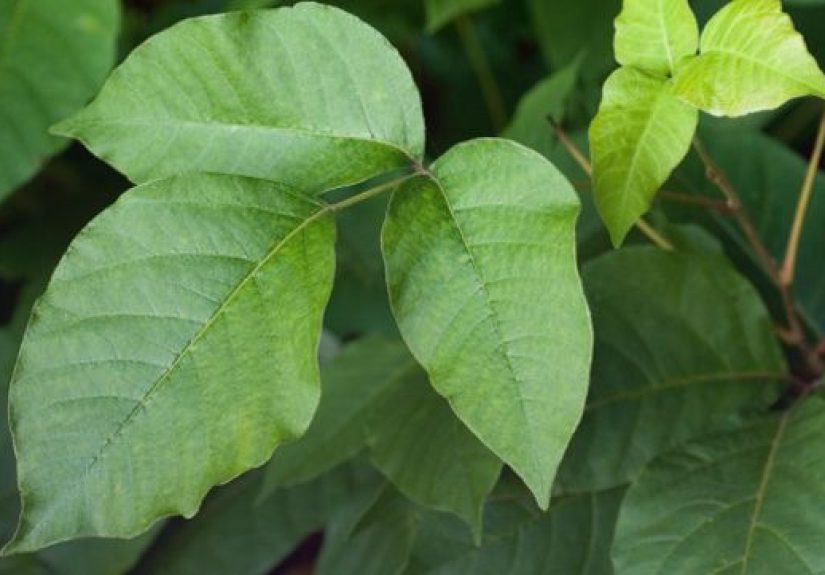
- Learn to identify poison ivy, poison oak, and poison sumac.
- Wear long sleeves, long pants, gloves, and closed shoes in brushy areas.
- Wash skin soon after possible exposure.
- Clean tools, shoes, gloves, sports gear, and pet fur.
- Never burn poison ivy, poison oak, or poison sumac.
- Use barrier skin products when exposure is likely, following product directions.
Specific Examples: Which Rash Sounds More Likely?
Example 1: The Weekend Gardener
After pulling vines near a fence, a person develops an intensely itchy rash in lines across the forearm two days later. Small blisters appear. This sounds more like poison ivy because of the outdoor exposure, streak-like pattern, and blistering itch.
Example 2: The Recurring Elbow Patches
A person gets thick, scaly patches on both elbows every winter. The patches improve with prescription ointment but return during stressful months. This sounds more like psoriasis because it is recurring, scaly, chronic, and appears in a classic location.
Example 3: The Confusing Combo
A person with known psoriasis gets poison ivy after hiking. Two weeks later, the poison ivy improves, but thick scaly patches remain where they scratched. This could be poison ivy followed by a psoriasis flare triggered by skin irritation. A dermatologist can help sort it out.
Experience-Based Insights: Living With the Confusion Between Psoriasis and Poison Ivy
Many people do not think about skin conditions until their skin starts behaving like it has a personal complaint department. The tricky part about psoriasis vs. poison ivy is that both conditions can interrupt normal life in surprisingly similar ways. You may avoid short sleeves, sleep poorly because of itching, or feel embarrassed when someone asks, “Is that contagious?” Spoiler: psoriasis is not contagious, and poison ivy rash is not spread by blister fluid. But that does not stop the awkward questions.
One common experience is the “timeline test.” People who have dealt with poison ivy often remember a specific outdoor moment: clearing weeds, camping, walking through tall grass, stacking firewood, or petting a dog that had been exploring the bushes like a furry detective. The rash usually has a story attached to it. Psoriasis, on the other hand, often has a pattern. It may return to the same places, such as elbows, knees, scalp, or behind the ears. The story is less “I touched a plant” and more “Here we go again.”
Another real-life difference is how people describe the itch. Poison ivy itch is often urgent, sharp, and hard to ignore. It can make a person want to scratch through denim, which is not recommended and also not nearly as satisfying as the brain promises. Psoriasis can itch too, but it may also feel tight, dry, sore, or burning. The scale can crack, especially during cold weather, after hot showers, or when skin is not moisturized.
People with psoriasis often learn that consistency matters. Moisturizing once and declaring victory usually does not work. Prescription creams, gentle skin care, trigger awareness, and follow-up appointments may be part of long-term control. The emotional side matters too. A flare before a big event, school photo, work presentation, or beach trip can feel unfair. Psoriasis care is not just about flattening plaques; it is about helping someone feel comfortable in their own skin again.
Poison ivy teaches a different lesson: clean everything. Many people treat the rash but forget the shoes, gloves, backpack, garden tools, or dog leash that still has urushiol on it. Then the rash seems to “come back,” when really the skin met the oil again. Washing contaminated items is not glamorous, but neither is explaining why your ankle rash returned after wearing the same hiking boots.
A practical experience-based tip is to take photos of the rash over several days. This can help you notice whether the rash is spreading in streaks, drying up, scaling, or returning to familiar areas. Photos can also help a clinician understand the timeline, especially if the rash changes before your appointment. Good lighting helps; dramatic bathroom mirror shadows do not.
It also helps to avoid panic-treating every rash with whatever is in the medicine cabinet. Strong steroid creams should not be used everywhere without guidance, especially on the face, genitals, or thin skin. Scrubbing poison ivy too aggressively after a rash appears can irritate skin more. Picking psoriasis scale can cause bleeding and may worsen plaques. Skin usually appreciates calm, boring care more than heroic bathroom experiments.
Finally, the biggest experience-based takeaway is this: when a rash is new, severe, painful, infected-looking, near the eyes, widespread, or linked with joint pain or breathing symptoms, do not play dermatologist roulette. Psoriasis and poison ivy are both manageable, but getting the right diagnosis saves time, discomfort, and unnecessary guessing. Your skin may be dramatic, but your care plan does not have to be.
Conclusion
Psoriasis and poison ivy can both cause itchy, irritated skin, but they are not the same condition. Psoriasis is a chronic immune-mediated disease that often causes recurring, scaly plaques and may need long-term treatment. Poison ivy is an allergic reaction to urushiol oil and usually appears after outdoor or indirect exposure. The rash pattern, timing, texture, location, and duration can help you tell the difference.
If the rash is mild and clearly linked to poison ivy, at-home care may be enough. If symptoms are severe, recurring, unusual, or associated with nail changes or joint pain, a healthcare professional can help identify the cause and recommend the right treatment. In the contest of psoriasis vs. poison ivy, the winner is not the rash. The winner is knowing what you are dealing with before your skin turns into a full-time detective case.