Table of Contents >> Show >> Hide
- Why the Spine Stool Stands Out
- The Design Story Behind Space Copenhagen's Spine Stool
- Materials, Craftsmanship, and Why They Matter
- Where the Spine Stool Works Best
- How Comfortable Is It Really?
- Styling Tips for Space Copenhagen's Spine Stool
- Is the Spine Stool Worth the Investment?
- Final Thoughts
- Experience Section: Living With Space Copenhagen's Spine Stool
Some stools are just stools. They hold a person, hold a drink, hold a place at the counter, and call it a day. Then there is Space Copenhagen’s Spine Stool, which behaves less like a background extra and more like the cool supporting character who somehow steals the whole movie. It is understated, yes. Minimal, absolutely. But bland? Not even close.
The appeal of the Spine Stool comes from its quiet contradictions. It looks refined without becoming precious. It feels rooted in Scandinavian design, but it avoids the sterile, “please do not touch the furniture” attitude that can make some modern interiors feel like museums with better lighting. It is warm, sculptural, and practical all at once. In a market full of bar stools that are either aggressively industrial or suspiciously flimsy, this one lands in a rare sweet spot: sophisticated enough for a design-forward interior and sturdy enough for actual, real-life sitting.
If you are searching for a luxury bar stool, a Scandinavian counter stool, or simply trying to understand why design lovers keep talking about this piece, the answer lives in the details. The Spine Stool is not trying to shout over the room. It wins by whispering better than everyone else.
Why the Spine Stool Stands Out
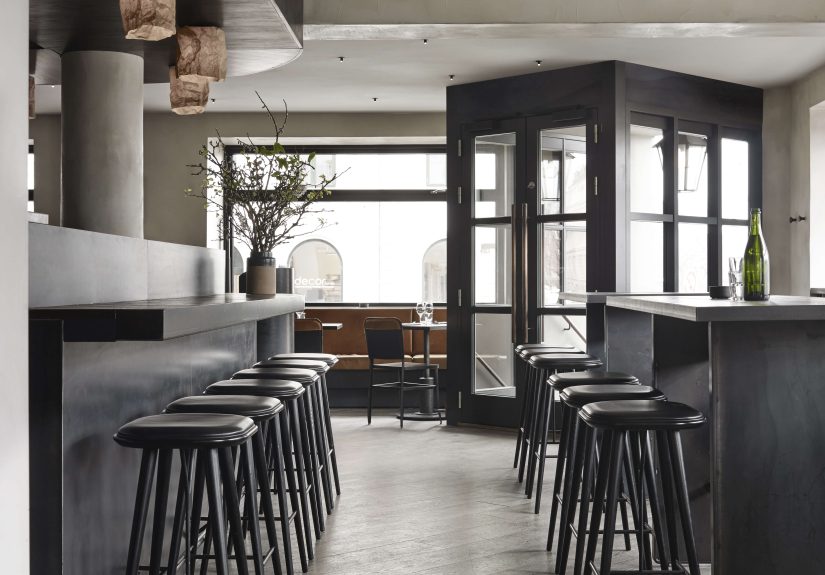
At first glance, the Spine Stool seems simple: a compact upholstered seat, clean lines, solid wood legs, and a metal stretcher that adds both structure and visual tension. But simplicity in furniture is often deceptive. The best pieces are usually the hardest to get right because they have nowhere to hide. Every angle matters. Every transition between materials matters. Every proportion gets judged without mercy.
That is exactly where the Spine Stool earns its reputation. The seat has the tailored look of fine dining furniture rather than the generic silhouette you see in mass-market counter stools. The wood base gives it character and warmth, while the metal stretcher introduces a crisp edge that keeps the stool from feeling too soft or overly traditional. It is this push and pull that makes the design memorable. The stool feels elegant, but never sleepy.
A Backless Stool That Still Feels Considered
Backless seating can go wrong in a hurry. Too hard, and it becomes punishment with legs. Too casual, and it looks like a spare perch dragged in from the garage. The Spine Stool avoids both traps by giving the seat real presence. The upholstery adds visual comfort before you even sit down, and the proportions are compact without looking mean.
That backless form is part of the charm. It slides neatly under a counter, keeps sightlines open, and gives a kitchen island or bar a cleaner, less crowded appearance. In smaller spaces, that matters a lot. A bulky stool with a tall back can make an otherwise beautiful kitchen feel like it is wearing shoulder pads from the 1980s. The Spine Stool keeps things streamlined.
The Design Story Behind Space Copenhagen’s Spine Stool
One of the reasons the Spine Stool resonates so strongly is that it did not appear out of nowhere as a trend-chasing showroom object. The broader Spine line grew out of hospitality thinking, and you can feel that in the design. This is furniture shaped by the idea of lingering, gathering, eating, drinking, and being present in a social space. In other words, it understands that good seating is not just about appearance; it is about atmosphere.
That origin story helps explain why the stool feels more nuanced than many residential bar stools. It has the polish of luxury hospitality design, but it is not fussy. It is stylish enough for a high-end interior yet grounded enough to live beside coffee mugs, laptop chargers, pancake batter, and the occasional life crisis at the kitchen island.
Space Copenhagen has long been known for balancing opposites in its work, and the Spine Stool carries that mindset beautifully. It feels organic yet structured, classic yet fresh, restrained yet rich in texture. This kind of duality is what makes a design last. Trendy stools age like questionable haircut choices. A stool built on proportion, material honesty, and craft tends to stick around.
Materials, Craftsmanship, and Why They Matter
The Spine Stool by Fredericia is the kind of piece that makes material quality impossible to ignore. The solid wood legs bring substance and a natural grain that softens the overall silhouette. The upholstered seat shell adds comfort and a tailored, almost fashion-like finish. Then the powder-coated aluminum stretcher steps in with a lean, graphic note that gives the whole piece its signature tension.
This combination matters because the stool is never relying on one idea alone. A fully wooden stool can look beautiful but a bit too rustic. A fully metal stool can feel cold. A heavily upholstered stool can become visually heavy. Here, the materials check one another in the best possible way. Wood brings warmth. Upholstery brings softness. Metal brings sharpness. Together, they create balance.
Upholstery options also change the mood of the stool dramatically. Leather versions tend to feel more architectural, more restaurant-ready, and a little dressier. Fabric options soften the personality and can make the stool feel more relaxed in a family kitchen or casual dining area. Black lacquered ash adds drama. Oak brings brightness and classic Scandinavian warmth. Smoked finishes land somewhere moodier and more refined. In short, the Spine Stool does not have one personality. It has range.
That range is part of what makes it a favorite among design-minded homeowners. You are not buying a fixed visual statement; you are buying a design language that can be tuned to suit the room.
Where the Spine Stool Works Best
1. Kitchen Islands That Need Some Personality
The most obvious home for the Spine Stool is the kitchen island, and for good reason. It offers the polish people want in a modern kitchen without turning the space into a showroom. If your kitchen has oak cabinetry, stone counters, warm brass, matte black fixtures, or other tactile materials, this stool fits right in. It looks especially strong in kitchens that lean Scandinavian, Japandi, contemporary, or softly modern.
Because the stool is backless, it also helps a kitchen stay visually calm. That is useful when the island is already carrying a lot of visual weight. A waterfall marble slab does not need five giant throne-like stools trying to compete with it. Let the counter be the diva. The Spine Stool knows how to harmonize.
2. Compact Dining and Entertaining Zones
In apartments, lofts, or open-plan homes where every inch counts, the Spine Stool earns extra points. It tucks away neatly, keeps circulation easier, and avoids the cluttered look that often comes from oversized seating. It is also the sort of stool that makes even casual entertaining feel a little more intentional. Put out olives, pour sparkling water into nice glasses, and suddenly everyone thinks you have your life together.
3. Hospitality-Inspired Interiors
If your design taste runs toward boutique hotels, moody restaurants, and spaces that look polished without feeling stiff, the Spine Stool is very much in its element. It can bring that refined, European, hospitality-inspired energy into a home bar, breakfast counter, or wine room without looking theatrical.
How Comfortable Is It Really?
Let us be honest: nobody buys a backless stool expecting lounge-chair behavior. That is not the job description. But comfort still matters, especially if the stool will be used daily for coffee, quick lunches, homework, conversation, or the sacred modern ritual of staring at your phone while pretending to answer emails.
The Spine Stool succeeds because it offers a more elevated sitting experience than the average hard-seat perch. The upholstered shell gives it some forgiveness, and the seat feels intentional rather than purely decorative. This is the kind of stool that works well for medium-length sitting sessions: breakfast, drinks, conversation, a casual dinner, a long catch-up with a friend who says, “I can only stay for twenty minutes,” and then remains there until the moon changes shifts.
The metal stretcher also adds practical value. Foot support is one of those things people forget until they sit on a poorly designed stool and feel like a confused flamingo. The Spine Stool avoids that problem. Good foot placement makes a bigger difference than many people realize.
Styling Tips for Space Copenhagen’s Spine Stool
If you want the Spine Stool to look its best, think in terms of material conversation rather than strict style matching. This stool does not need a room full of Scandinavian clichés to make sense. In fact, it often looks better when it has something interesting to play against.
Pair It With Natural Materials
Oak floors, limestone counters, plaster walls, unlacquered brass, linen drapery, and textured ceramics all bring out the richness of the stool’s form. The piece thrives in rooms where surfaces have depth and touchable character.
Use Contrast Wisely
A dark upholstered Spine Stool can add needed definition to a pale kitchen. An oak version can warm up a cooler, more monochrome space. The goal is not for the stool to disappear completely; it should contribute rhythm to the room.
Give It Breathing Room
The Spine Stool is not loud, but it is thoughtful. Crowding it with too many competing statement pieces weakens its effect. Leave some visual space around it. Good design, like a good joke, lands better when you do not overexplain it.
Is the Spine Stool Worth the Investment?
If you are looking for the cheapest possible way to seat people at a counter, this is not your stool. The Spine Stool lives in the premium end of the market, where the conversation shifts from “Will this hold up for two years?” to “Will I still want this in ten years?” That is a very different buying mindset.
In that context, the value starts to make sense. You are paying for design pedigree, durable materials, craftsmanship, and a silhouette that avoids trend fatigue. The stool has enough personality to elevate a room, but not so much that it will feel dated once the current wave of interior trends crashes into the next one.
For homeowners who care about longevity, that matters more than sticker shock. Replacing average furniture every few years is not always cheaper in the long run. Sometimes the smarter move is buying one piece that keeps earning its place.
Final Thoughts
Space Copenhagen’s Spine Stool works because it understands restraint without becoming boring. It is a stool built on contrast: soft and structured, polished and approachable, compact and expressive. It feels at home in luxury hospitality settings, but it also makes perfect sense in residential spaces where people actually live, snack, work, host, and occasionally pile unopened mail.
More than anything, the Spine Stool proves that small furniture can still make a big design statement. It does not need an acrobatic silhouette or gimmicky mechanism to feel special. It relies on proportion, craft, and material intelligence. That may not be flashy, but it is exactly why the stool still feels relevant.
In a world crowded with seating options, that kind of quiet confidence is rare. The Spine Stool does not beg for attention. It simply earns it.
Experience Section: Living With Space Copenhagen’s Spine Stool
Spending time with the Spine Stool changes your understanding of what a “simple” stool can do. On day one, you notice the shape. On day three, you notice the materials. A few weeks in, you realize the real trick is how naturally it folds itself into daily life. It does not sit in the room like a sculpture that must be admired from a respectful distance. It participates.
In the morning, it feels calm and useful. You pull it up to the counter for coffee and a quick breakfast, and the upholstery makes that first sit feel softer than expected. It does not announce comfort with oversized cushions or plush drama. Instead, it gives you a clean, composed seat that feels quietly supportive. That subtlety is part of the luxury. Nothing is overdone.
By afternoon, the stool often becomes a flexible landing spot. A child climbs onto it for a snack. Someone uses it while answering emails at the kitchen island. A guest leans in during conversation, one foot finding the stretcher without thinking. That foot support may sound like a tiny detail, but it changes the whole experience. Without it, a stool can feel temporary and awkward. With it, the Spine Stool feels settled, almost architectural.
The visual experience matters just as much. From across the room, the stool reads as neat and refined. Up close, it gets more interesting. You begin to appreciate the tension between the upholstery and the wooden frame, the way the metal element tightens the silhouette, and the way the piece manages to look tailored without feeling stiff. It is the furniture equivalent of someone wearing a beautifully cut jacket with very relaxed posture.
There is also something satisfying about how the stool behaves when not in use. Because it is backless, it tucks under a counter beautifully. That means the room looks tidier without any effort. In open-plan spaces, that matters more than people expect. Big stool backs can create visual clutter fast. The Spine Stool leaves the kitchen feeling airy, which makes the entire space look more expensive and more composed.
Over time, the experience becomes less about “owning a designer stool” and more about enjoying a well-resolved object. That is an important distinction. Great furniture eventually stops asking for compliments and starts improving routines. The Spine Stool does exactly that. It turns quick breakfasts into nicer moments. It makes evening drinks at the island feel a little more polished. It gives guests a comfortable place to gather without overwhelming the room.
And perhaps that is the best compliment you can give a piece like this: it makes everyday life look better, feel better, and flow better. Not through spectacle, but through intelligence. The Spine Stool may begin as a design purchase, but it earns its keep as a daily companion. That is where the real experience lives.