Table of Contents >> Show >> Hide
- Why Wacky Fundraisers Work So Well
- 10 Wacky Australian Fundraisers Worth Knowing
- 1. Movember: The Mighty Moustache Movement
- 2. World’s Greatest Shave: Hair Today, Hope Tomorrow
- 3. Mullets for Mental Health: Business in the Front, Kindness in the Back
- 4. Shitbox Rally: Terrible Cars, Excellent Cause
- 5. Dry July: The No-Drink Challenge for Cancer Support
- 6. The Push-Up Challenge: Fitness Meets Fundraising
- 7. RSPCA Cupcake Day: Bake Sales with Paw Power
- 8. Do It In A Dress: School Uniforms for Girls’ Education
- 9. Variety Bash: Old Cars, Big Costumes, Bigger Hearts
- 10. Daffodil Day Dip: Cold Water for a Cancer-Free Future
- What These Australian Fundraisers Have in Common
- How to Borrow These Ideas for Your Own Fundraiser
- Experience Notes: What It Feels Like to Join a Wacky Australian Fundraiser
- Conclusion: Funny Ideas Can Create Serious Impact
- SEO Metadata
Australia knows how to raise money with a straight face, a crooked moustache, a shaved head, a questionable car, and sometimes a school dress. While many charity campaigns around the world rely on elegant galas and silent auctions, Australian fundraisers often lean into something much more memorable: community chaos with a purpose.
That is exactly what makes wacky Australian fundraisers so effective. They are funny enough to grab attention, simple enough for everyday people to join, and meaningful enough to support causes that truly matter. From growing mullets for mental health to driving old cars across rugged roads for cancer support, these campaigns prove that fundraising does not have to feel stiff, corporate, or painfully polite.
Below are ten of the most creative, quirky, and conversation-starting charity fundraisers connected to Australia. Some are proudly homegrown; others have become part of the Australian fundraising calendar because they match the country’s taste for humor, mateship, and “why not?” energy. Together, they show how a silly idea can become a serious force for good.
Why Wacky Fundraisers Work So Well
Before we jump into the list, it is worth asking why oddball charity events work in the first place. The answer is simple: people remember them. A standard donation request may disappear into an inbox. A friend posting a photo of a rainbow buzz cut, a handlebar moustache, or a cupcake shaped like a sleepy koala is harder to ignore.
Creative fundraising events also lower the emotional barrier to giving. Serious causes can feel overwhelming, but a playful campaign gives people an easy way to participate. Humor becomes the invitation; generosity becomes the result. In Australia, where self-deprecating jokes and community challenges are practically a national sport, that formula works beautifully.
10 Wacky Australian Fundraisers Worth Knowing
1. Movember: The Mighty Moustache Movement
Movember is one of Australia’s most famous charity exports. It began in Melbourne in 2003 when a couple of mates joked about bringing the moustache back. What started as a facial-hair dare became a global men’s health movement supporting areas such as prostate cancer, testicular cancer, and mental health.
The genius of Movember is that the fundraiser is worn on the face. Participants grow moustaches during November, and the results range from heroic to “Did you lose a fight with a marker pen?” Either way, the moustache becomes a conversation starter. Coworkers ask questions. Friends tease. Family members donate just to encourageor perhaps endthe experiment.
As a wacky fundraiser, Movember works because it is visible, funny, and deeply social. It turns personal grooming into public advocacy. That is a rare sentence, but here we are.
2. World’s Greatest Shave: Hair Today, Hope Tomorrow
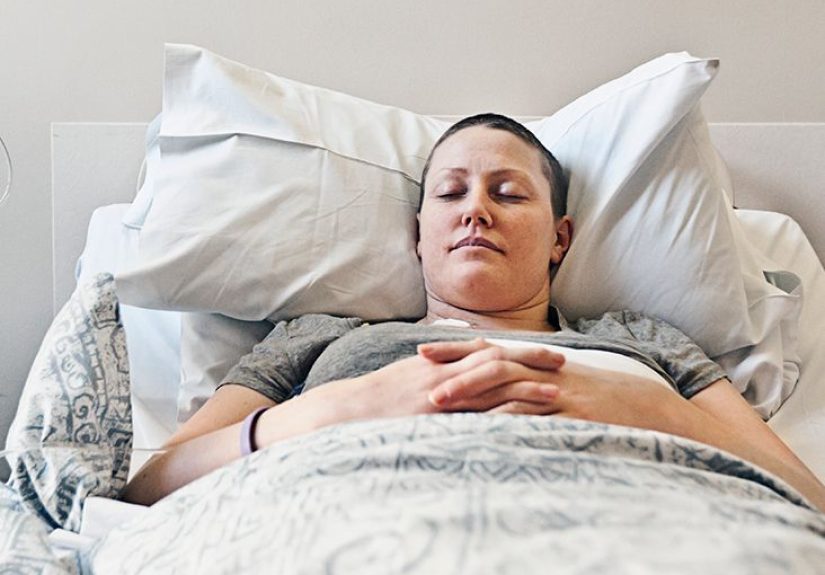
The World’s Greatest Shave is run by the Leukaemia Foundation and invites Australians to shave, cut, or color their hair to support people affected by blood cancer. It is bold, emotional, and impossible to miss.
Some participants go for a clean shave. Others choose a dramatic haircut or a neon color that says, “Yes, my head is now traffic-cone orange, and yes, it is for charity.” The campaign’s strength lies in the sacrifice. Hair can be personal, especially when someone has spent years growing it. Changing it publicly makes the act of support feel real and powerful.
The event also works across schools, workplaces, sports clubs, and families. It is not just about the haircut. It is about standing beside people facing a difficult health journey and showing that support can be loud, colorful, and occasionally very breezy around the scalp.
3. Mullets for Mental Health: Business in the Front, Kindness in the Back
Few hairstyles carry as much comic power as the mullet. Black Dog Institute’s Mullets for Mental Health campaign takes that power and uses it to start conversations about mental health research, education, and support.
Participants grow, style, shape, or color a mullet, then ask friends and family to sponsor them. The haircut is deliberately ridiculous, which is exactly the point. A mullet turns heads. A turned head creates a question. A question opens the door to talking about mental health.
This fundraiser is a perfect example of Australian humor doing something useful. It does not treat the cause lightly; it uses lightness to make the cause easier to approach. Also, let us be honest: anyone brave enough to grow a mullet for charity deserves both donations and a very patient barber.
4. Shitbox Rally: Terrible Cars, Excellent Cause
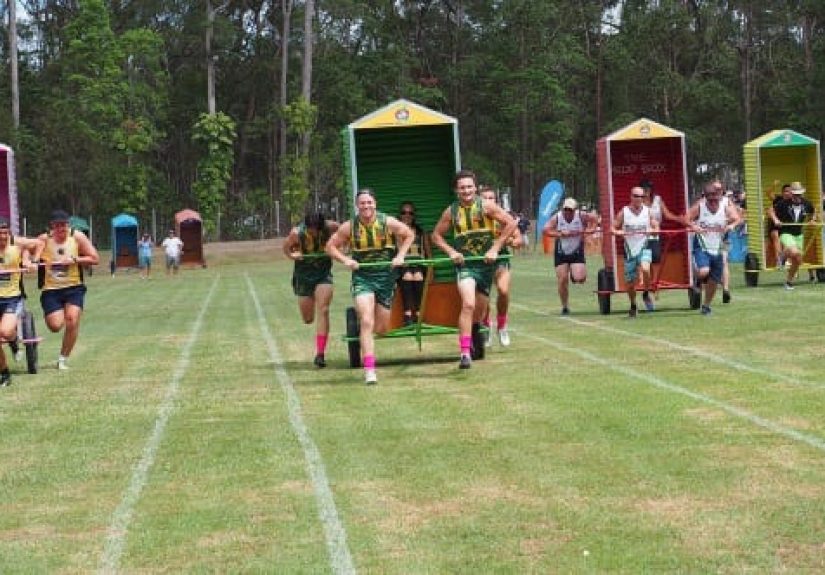
Shitbox Rally may have one of the most unforgettable names in charity fundraising. The idea is wonderfully absurd: teams drive cars worth less than a set limit across some of Australia’s toughest roads to raise money for Cancer Council.
This is not a luxury road trip. It is more like a mechanical trust exercise with dust, costumes, breakdowns, and a strong chance of someone naming their car “Beryl.” Participants decorate their vehicles, travel in teams, and take on remote routes that test patience, teamwork, and radiator hoses.
The rally is wacky because it turns unreliable cars into fundraising heroes. It is not about speed or polish. It is about endurance, creativity, and community. The event proves that even a questionable vehicle with suspicious noises can carry a meaningful mission.
5. Dry July: The No-Drink Challenge for Cancer Support
Dry July challenges adults to go alcohol-free for the month of July while raising funds for people affected by cancer. At first glance, it may sound less wacky than driving a decorated clunker across the outback, but in a social culture where drinks often appear at barbecues, parties, and Friday catch-ups, saying “I’m dry this month” can become a surprisingly bold public challenge.
The campaign is simple: sign up, invite donations, and skip alcohol for July. The twist is that the fundraiser turns an everyday habit into a personal commitment. Friends may respond with admiration, confusion, or dramatic gasps over sparkling water. All of those reactions help keep the cause visible.
Dry July is also clever because it connects personal wellbeing with community support. Participants often discover new routines, clearer weekends, and the strange truth that lime soda in a fancy glass can still make you feel like you have your life together.
6. The Push-Up Challenge: Fitness Meets Fundraising
The Push-Up Challenge asks Australians to complete a set number of push-ups over a campaign period to raise awareness and funds for mental health. It is physical, social, and slightly dangerous to the ego if your arms begin negotiating a peace treaty by day three.
Participants can do full push-ups, modified push-ups, or alternative exercises depending on ability. That flexibility makes the challenge more inclusive, while the daily structure keeps people engaged. Schools, workplaces, gyms, and friend groups can join together, which adds accountability and a little friendly competition.
The event’s wacky charm comes from the public commitment. Once you announce that you are doing hundreds or thousands of push-ups, people will ask how it is going. Your answer may involve noble dedication, sore shoulders, or lying on the floor reconsidering your choices. Either way, the conversation keeps mental health support front and center.
7. RSPCA Cupcake Day: Bake Sales with Paw Power
RSPCA Cupcake Day turns baking into animal welfare support. Participants host cupcake stalls, morning teas, office bake-offs, or pet-themed dessert tables to raise funds for animals in need.
The concept is simple, but the execution can get delightfully over-the-top. Think cupcakes decorated like puppies, cookies shaped like paws, brownies named after rescue cats, and office competitions where someone confidently enters a cake that appears to have survived a minor earthquake.
This fundraiser works because food brings people together. Add animals to the mix, and suddenly the emotional appeal is stronger than a Labrador staring at your sandwich. Cupcake Day is fun, accessible, and easy to adapt for families, schools, workplaces, and community groups.
8. Do It In A Dress: School Uniforms for Girls’ Education
Do It In A Dress is a creative fundraiser from One Girl that invites participants to wear a school dress while raising funds for girls’ access to education. The image is intentionally striking: adults, students, teams, and workplaces wearing school dresses to draw attention to the importance of education.
The campaign is playful, but the message is serious. Education can change a girl’s future, and the fundraiser uses a visible symbol to make that point instantly understandable. The school dress becomes more than a costume; it becomes a reminder that learning should not be a privilege reserved for the lucky.
Its wackiness comes from the contrast. Seeing a corporate team, a sports club, or a group of friends take on daily tasks in school dresses is amusing. But once people ask why, the conversation shifts from fashion to impact. That is smart fundraising.
9. Variety Bash: Old Cars, Big Costumes, Bigger Hearts
The Variety Bash is one of Australia’s iconic charity motoring events. Participants drive old, decorated vehicles through regional and outback routes while raising funds to support children facing illness, disadvantage, or disability.
This is not your average Sunday drive. Cars are often dressed up in wild themes, crews wear costumes, and the route can include remote roads, dust, detours, and community stops. It is part road trip, part endurance challenge, and part rolling parade of cheerful madness.
The Bash is especially powerful because it brings fundraising into regional communities. Participants do not just collect donations and disappear. They often visit towns, schools, and local groups, creating a direct connection between the fun of the event and the children it supports.
10. Daffodil Day Dip: Cold Water for a Cancer-Free Future
Cancer Council’s Daffodil Day is already one of Australia’s best-known cancer fundraising campaigns. One of its more eye-catching spin-offs is the Daffodil Day Dip, where participants take a cold-water plunge to raise funds for cancer research and support services.
Cold-water dips have become popular in wellness circles, but turning them into a fundraiser adds meaning to the shiver. Participants may dip into the ocean, a pool, a lake, or another safe cold-water setting. The result is dramatic, shareable, and extremely effective at producing the facial expression known as “instant regret for a good cause.”
The Daffodil Day Dip is wacky because it asks people to do something physically uncomfortable for a hopeful purpose. It is brief, bold, and easy to photograph. In the world of online fundraising, that matters. A person wrapped in a towel, laughing through chattering teeth, can tell a story faster than a paragraph ever could.
What These Australian Fundraisers Have in Common
Although these campaigns look very different, they share several ingredients. First, they are highly visual. A moustache, shaved head, mullet, cupcake table, school dress, or decorated car is instantly noticeable. That visual hook makes people curious.
Second, they are participatory. Donors are not only giving money; they are cheering someone on. That creates emotional investment. It is more fun to sponsor a friend’s mullet than to receive a generic donation request with the personality of a printer manual.
Third, these fundraisers make storytelling easy. Every participant has a reason for joining. Some support a loved one. Some care deeply about research, education, animals, or children’s welfare. Some begin because a friend dared them, then discover the deeper purpose along the way.
Finally, they create community. Whether it is a workplace bake sale or a cross-country rally, the best Australian charity campaigns give people something to do together. That shared experience is often what turns a one-time donor into a long-term supporter.
How to Borrow These Ideas for Your Own Fundraiser
You do not need a national campaign to create a memorable fundraiser. The lessons from these Australian examples can work for schools, clubs, local charities, sports teams, and community groups anywhere.
Choose a Visual Hook
People remember what they can see. A silly hat day, themed bake sale, costume walk, color challenge, or hair transformation can make your fundraiser stand out. The visual hook should connect to the cause or make the campaign easy to explain.
Make Participation Simple
The easier it is to join, the better. Movember requires facial hair. Cupcake Day requires baking or buying treats. Dry July requires a month-long personal pledge for adults. The best fundraisers give people a clear action that does not need a 47-page instruction manual.
Let People Personalize It
Participants love adding their own flair. A decorated car, custom cupcake, colorful haircut, or themed team outfit helps people feel ownership. That personal touch often leads to better photos, better stories, and more donations.
Connect the Fun to the Cause
Wacky fundraisers should never be random for the sake of being random. The silliness gets attention, but the cause gives it meaning. Make sure every funny moment leads back to why the money matters.
Experience Notes: What It Feels Like to Join a Wacky Australian Fundraiser
Anyone who has taken part in a quirky charity campaign knows the experience begins before the actual event. First comes the announcement. You post your fundraising page, send a message to friends, or stand in the office kitchen and say, “So, I’m doing this thing.” That is usually followed by silence, laughter, questions, and at least one person saying, “I’ll donate if you actually do it.”
That is the magic moment. The fundraiser becomes real because people are watching. If you are growing a moustache, your face becomes a progress report. If you are doing a shave, your hair starts to feel like a countdown clock. If you are baking for RSPCA Cupcake Day, your kitchen slowly transforms into a flour-covered wildlife sanctuary where the cupcakes have ears and your dog believes all of this is obviously for him.
There is also a strange kind of courage involved. Wacky fundraisers ask people to be visible. Wearing a school dress for Do It In A Dress, showing up with a mullet, or dipping into cold water for Daffodil Day can feel silly at first. But that silliness is what breaks the ice. It gives people permission to ask questions without making the conversation heavy or awkward.
In workplaces, these campaigns can change the mood of an entire week. A team push-up challenge may begin with enthusiastic spreadsheets and end with everyone comparing sore arms near the coffee machine. A cupcake fundraiser can turn quiet coworkers into competitive decorators. Someone will bring professional-looking treats. Someone else will bring cupcakes that look like they were iced during turbulence. Both will sell, because charity is kind and sugar is persuasive.
Community fundraisers also build memories. People remember who shaved their head, who wore the brightest costume, who drove the most ridiculous car, and who managed to make a donation pitch sound like stand-up comedy. These moments become stories people retell the next year, which is exactly how fundraisers grow from events into traditions.
The most meaningful part often comes after the laughter. Once the donations come in, participants can see that their odd little challenge produced something real. A moustache helped fund men’s health programs. A haircut supported blood cancer services. A road trip helped children and families. A school dress supported education. A cupcake helped animals receive care. Suddenly the joke has weight, and the silly photo has purpose.
That blend of humor and heart is the reason wacky Australian fundraisers work so well. They do not ask people to choose between fun and compassion. They combine both. They remind us that serious generosity does not always need a serious expression. Sometimes it wears a fake moustache, drives a dusty old car, or arrives at morning tea carrying cupcakes shaped like paw prints.
Conclusion: Funny Ideas Can Create Serious Impact
The best wacky Australian fundraisers prove that creativity can move people. A strange idea gets attention. A shared challenge builds momentum. A meaningful cause turns that energy into impact.
From Movember’s moustaches to Shitbox Rally’s battered cars, from mullets to cupcakes, these campaigns show that fundraising does not need to be bland to be respectful. In fact, the opposite is often true. When people laugh together, they connect. When they connect, they care. And when they care, they give.
So the next time someone suggests a fundraiser that sounds a little too weird, maybe do not shut it down immediately. Ask one question first: “Will people remember it?” If the answer is yes, you may be looking at the next great charity ideapossibly involving costumes, cake, cold water, or a haircut your future self will need time to forgive.