Table of Contents >> Show >> Hide
- Why Wild Hogs Come Into Yards in the First Place
- 7 Ways to Keep Wild Hogs Out of Your Yard
- 1. Remove the Food Sources That Invite Them In
- 2. Install Strong Exclusion Fencing Around Vulnerable Areas
- 3. Reinforce Gates, Low Spots, and Fence Gaps
- 4. Make the Yard Less Comfortable for Nighttime Visits
- 5. Protect Gardens, Lawns, and Newly Irrigated Areas
- 6. Keep Pets Safe and Do Not Feed Wildlife
- 7. Contact Local Wildlife Experts Before the Problem Grows
- What Not to Do When Wild Hogs Visit
- How to Repair Yard Damage After Wild Hogs Leave
- Field-Tested Experiences: What Homeowners Often Learn the Hard Way
- Conclusion: Make Your Yard Boring to Wild Hogs
Wild hogs do not politely knock, wipe their hooves, or ask whether your zoysia lawn is emotionally attached to its root system. They arrive like a landscaping crew with bad intentions, rooting through turf, flipping soil, damaging flower beds, and treating a peaceful backyard like an all-night buffet. If you have ever woken up to a lawn that looks as if it was tilled by a tiny tractor with tusks, you already know the problem is more than cosmetic.
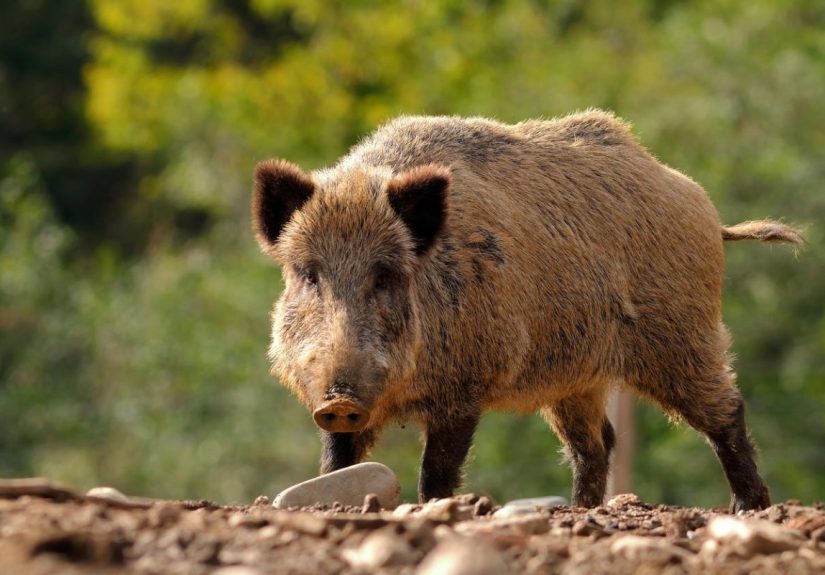
Feral swine, also called wild hogs, wild pigs, or feral pigs, are one of the most destructive invasive animals in the United States. They are intelligent, strong, adaptable, and surprisingly good at finding easy meals. A yard with fallen fruit, pet food, unsecured trash, soft soil, grubs, compost, or open water can become an irresistible stop on their nightly route.
The good news is that homeowners have practical options. The not-so-fun news is that wild hogs are not usually solved by one magic product, one blinking light, or one strongly worded sign that says “Please respect the mulch.” Keeping them out takes a layered approach: remove attractants, block access, protect vulnerable areas, and call local professionals when the problem becomes serious.
Below are seven smart, realistic ways to keep wild hogs out of your yard without turning your home into a fortress or your weekend into a wildlife management documentary.
Why Wild Hogs Come Into Yards in the First Place
Wild hogs are driven by food, water, shelter, and opportunity. Their powerful snouts help them root through soil for grubs, roots, insects, worms, bulbs, and other snacks hidden underground. To a hog, your lawn is not “landscaping.” It is a menu with grass on top.
They are especially attracted to properties near woods, creeks, drainage areas, farms, undeveloped land, golf courses, orchards, or neighborhoods built along natural corridors. In dry weather, yards with irrigation, ponds, birdbaths, or soggy low spots can become even more appealing. In mast years, when acorns and nuts are plentiful, hogs may travel through residential areas while feeding under oak trees.
Before you choose a control method, look for signs of activity. Common clues include torn-up turf, hoof tracks near mud or water, wallows in damp soil, rubbed tree trunks, damaged fencing, trails through brush, and droppings that may look similar to dog waste but contain plant matter or other undigested material. Once you confirm the culprit, it is time to make your yard less welcoming.
7 Ways to Keep Wild Hogs Out of Your Yard
1. Remove the Food Sources That Invite Them In
The first rule of wild hog prevention is simple: do not run a free buffet. Wild hogs are opportunistic feeders, and the easiest meal usually wins. If your yard offers pet food, spilled birdseed, open trash, fallen fruit, garden scraps, or unsecured compost, you are giving them a reason to return.
Start with the basics. Feed pets indoors when possible, or pick up outdoor bowls before evening. Store livestock feed, deer corn, chicken feed, and birdseed in sturdy containers with tight lids. Use trash cans that close securely, and avoid leaving garbage bags outside overnight. If you have fruit or nut trees, clean up fallen produce regularly, especially during peak drop periods.
Compost also deserves attention. Vegetable scraps, melon rinds, pumpkins, and food waste can smell like a five-star restaurant to a hungry hog. Use a closed compost system or avoid adding food scraps if hogs are active nearby. If you grill outside, clean grease traps and food residue. A wild hog may not understand barbecue etiquette, but it definitely understands the smell of leftovers.
This step will not physically block a determined hog, but it changes the risk-reward equation. A yard with fewer rewards is less likely to become part of a nightly routine.
2. Install Strong Exclusion Fencing Around Vulnerable Areas
When it comes to keeping wild hogs out, fencing is the heavyweight champion. Not decorative fencing. Not a charming little border around the herb garden. Wild hogs are muscular animals that can push under weak fencing, exploit gaps, and root at loose soil. A proper exclusion fence should be strong, low to the ground, and designed to prevent digging underneath.
For many homeowners, fencing the entire property may be expensive or unnecessary. Instead, focus on high-value targets: vegetable gardens, orchards, flower beds, turf areas that are repeatedly damaged, livestock pens, and compost zones. Heavy woven wire, livestock panels, or hog panels are often more useful than lightweight garden fencing. The bottom edge should touch the ground securely, and in high-pressure areas, it may need to be buried or reinforced with an apron that extends outward along the soil surface.
Electric fencing can also help when installed legally and safely, especially as a reinforcement to existing fencing. However, it must be maintained. Vegetation touching the wire, poor grounding, low battery power, or gaps can make it less effective. Homeowners should follow local rules, manufacturer safety guidance, and neighborhood restrictions before using electric options.
The key is to think like a hog: “Can I crawl under it, push through it, or dig around it?” If the answer is yes, the fence is more of a suggestion than a barrier.
3. Reinforce Gates, Low Spots, and Fence Gaps
A fence is only as strong as its weakest point, and wild hogs are excellent inspectors. They do not need a grand entrance. A low gap under a gate, a washout after rain, a loose corner, or a shallow ditch under the fence can be enough.
Walk your fence line after storms and after any new hog activity. Pay close attention to gates, drainage areas, slopes, creek edges, and spots where soil has eroded. Add heavy ground stakes, rocks, buried mesh, treated lumber, or fence aprons where hogs are likely to push or dig. Gates should close tightly, and the space underneath should be minimized.
If your property backs up to brush, woods, or pasture, clear a narrow inspection path along the fence line. This makes it easier to spot fresh digging and repair problems quickly. Hogs often return to the same access points once they learn them, so fixing a gap fast can prevent a small issue from becoming a recurring mud festival.
4. Make the Yard Less Comfortable for Nighttime Visits
Wild hogs are often most active at night or during low-light hours, especially around people. That does not mean lighting alone will solve the problem, but it can help make your yard feel less like a private hog lounge.
Motion-activated lights, motion sprinklers, and sudden water sprays can startle hogs and interrupt their routine. These tools work best as short-term pressure, especially when combined with fencing and attractant removal. If hogs discover that the yard still contains easy food, they may eventually ignore the light show. Think of scare devices as backup singers, not the lead vocalist.
Noise devices and visual deterrents may offer temporary help, but wild hogs are smart and can become used to repeated patterns. Move devices occasionally and avoid relying on one tactic for weeks at a time. A rotating combination of motion lights, water, and physical barriers is more useful than one gadget sitting in the same corner until the hogs name it “Bob.”
5. Protect Gardens, Lawns, and Newly Irrigated Areas
Freshly watered soil is easier to root, which can make irrigated lawns and gardens especially vulnerable. If hogs are active nearby, adjust irrigation timing where possible. Water early in the day instead of evening so the soil is less inviting overnight. Avoid overwatering low spots that already stay damp.
For gardens, use sturdy fencing before the first damage occurs. Once hogs learn that a vegetable bed contains tender plants, worms, bulbs, or compost-rich soil, they may keep returning. Raised beds can help, but only if paired with barriers. Hogs can still root around the base, knock into weak frames, or damage nearby soil.
If your lawn has recurring grub problems, address the underlying pest issue with appropriate lawn care methods. Hogs may be drawn to underground insects, so reducing the food source can reduce the digging incentive. Keep in mind that broad chemical use should be handled carefully and according to label directions. When in doubt, ask your local Extension office for region-specific lawn and pest guidance.
Also consider temporary protection for freshly seeded areas, new sod, and soft planting beds. These are easy targets. A little prevention before the first visit is much cheaper than replacing half a lawn after a midnight rooting party.
6. Keep Pets Safe and Do Not Feed Wildlife
Wild hogs may avoid people when they can, but they are still powerful wild animals. They can become aggressive if cornered, injured, surprised, or accompanied by young. Pets, especially dogs, may chase or confront them, creating a dangerous situation.
Keep dogs on a leash in areas with hog activity, particularly at dawn, dusk, and night. Do not let pets investigate fresh damage in thick brush or near water where hogs may still be nearby. If you see hogs in the yard, bring pets indoors and give the animals space to leave. Never try to scare them away at close range.
It is also important not to feed wildlife intentionally. Feeding deer, raccoons, or other animals can attract hogs as an unwanted bonus guest. Even bird feeders can become part of the problem if seed spills heavily onto the ground. Use catch trays, clean spilled seed, or pause feeding until hog activity drops.
In some regions, homeowners may confuse wild hogs with javelinas, which are a different animal and may be protected under state rules. If you are unsure what you are seeing, photograph the animal from a safe distance and contact your local wildlife agency for identification help.
7. Contact Local Wildlife Experts Before the Problem Grows
If wild hogs are visiting repeatedly, damaging fences, moving through the neighborhood, or appearing in groups, it is time to ask for help. Local wildlife agencies, USDA Wildlife Services offices, county Extension agents, and licensed nuisance wildlife professionals can explain legal options in your area.
This matters because wild hog rules vary by state and sometimes by county or municipality. Methods that are legal in one place may be restricted in another. Also, some control methods require training, permits, or professional handling. Homeowners should not attempt risky do-it-yourself removal, especially in residential areas.
Professionals can assess travel routes, damage patterns, attractants, fencing needs, and neighborhood-level management options. In many cases, one property owner cannot solve a hog problem alone because the animals move across property lines. A coordinated approach with neighbors, landowners, and local agencies is often more effective than one person trying random tactics in isolation.
When you call for help, document the damage. Take photos, note dates and times, mark entry points, and record whether you saw one hog or a group. This information helps experts recommend the right response and may help if your area has reporting programs for feral swine sightings.
What Not to Do When Wild Hogs Visit
Wild hog damage can be frustrating, but panic solutions often create bigger problems. Do not chase hogs, corner them, approach young animals, or send pets after them. Do not rely on homemade repellents as your only plan. Strong smells, pepper mixes, soaps, or random internet recipes may sound clever, but they rarely stand up to a determined hog with a good reason to be there.
Do not ignore small signs either. A few patches of rooting can become a pattern quickly if the yard continues to offer food, water, or easy access. The best time to respond is early, before hogs decide your property belongs on their regular route.
Finally, do not assume the problem is only yours. If hogs are in your yard, they may be moving through the entire neighborhood. Talk with neighbors, report sightings where appropriate, and encourage everyone to secure trash, remove food attractants, and repair fence gaps. One open buffet can keep the whole sounder coming back.
How to Repair Yard Damage After Wild Hogs Leave
Once you have reduced access and attractants, you can begin repairing the damage. Rake and level rooted soil, remove rocks or debris, and reseed or resod damaged turf. For deeper rooting, add topsoil before reseeding so the lawn surface does not remain uneven. In high-traffic areas, consider tougher grass varieties recommended for your region.
Repair compacted or muddy areas by improving drainage. Hogs often return to damp, soft soil, so fixing low spots can make the yard less appealing. Around trees and beds, replace displaced mulch, but avoid piling mulch against trunks. If ornamental bulbs were dug up, consider protecting future plantings with mesh barriers below the soil surface.
Do not rush to repair before the access problem is addressed. Fresh sod and soft soil can attract another visit. Stabilize the yard first, reinforce weak points, then restore the landscape.
Field-Tested Experiences: What Homeowners Often Learn the Hard Way
One of the most common homeowner experiences with wild hogs is disbelief. The first morning after damage, many people assume a dog, armadillo, or raccoon caused the mess. Then they see the scale of it: long strips of turf peeled back, flower beds turned over, muddy tracks near a fence, and a lawn that suddenly has the texture of a badly made brownie. That is usually when the phrase “wild hogs” starts sounding less like a rural problem and more like tonight’s main concern.
Homeowners often learn that timing matters. Waiting a week to “see if they come back” can give hogs enough time to establish a habit. If the yard has acorns, grubs, fallen fruit, or pet food, they may return again and again. The faster you remove attractants and block entry points, the better your chances of interrupting the pattern.
Another real-world lesson is that cheap barriers can become expensive. A lightweight garden fence may look fine from the porch, but hogs test the bottom edge. If they can lift it, bend it, or root beneath it, they will. Many homeowners end up buying materials twice: first the flimsy version, then the stronger version they needed in the beginning. For vegetable gardens and soft landscaping, sturdy panels or heavy woven wire usually save money over time.
People also discover that neighbors matter. One household may secure trash and stop feeding pets outside, but if another property has spilled deer corn, open compost, or fallen fruit everywhere, hogs may keep traveling through the area. A friendly neighborhood conversation can do more than another gadget. Nobody wants to be blamed, so frame it as shared prevention: “We are seeing hog damage nearby, and these steps may help all of us.”
Motion lights and sprinklers can be useful, but homeowners often overestimate them. They may work beautifully for a few nights, then suddenly stop making a difference. That does not mean they are useless. It means they should support a bigger plan. Think of them as temporary pressure while you remove food sources and improve fencing.
The final lesson is safety. A wild hog in the yard is not a photo opportunity, a pet-training challenge, or a chance to prove bravery in slippers. Bring pets inside, stay back, document from a safe location, and contact local experts when visits continue. The calm, boring response is usually the best one. With wild hogs, boring is beautiful.
Conclusion: Make Your Yard Boring to Wild Hogs
Keeping wild hogs out of your yard is not about one miracle spray or one dramatic weekend project. It is about making your property less attractive, less accessible, and less rewarding. Remove food sources, secure trash, protect gardens, reinforce fences, manage soft soil, use deterrents wisely, and call local experts when the damage becomes more than a one-time visit.
Wild hogs are persistent, but they are not mysterious. They follow food, water, cover, and easy entry. Take those advantages away, and your yard becomes much less interesting. In other words, become the dullest restaurant on the block. For once, boring is exactly what your lawn needs.