Table of Contents >> Show >> Hide
- Why It Matters Where Old Clothes End Up
- Easy Way #1: Donate Clothes That Are Still Wearable
- Easy Way #2: Sell Clothes That Still Have Resale Value
- Easy Way #3: Recycle or Repurpose Clothes That Are Too Worn to Donate
- A Simple Rule for Deciding What to Do
- Common Mistakes to Avoid When Disposing of Old Clothes
- Real-Life Experiences With Getting Rid of Old Clothes
- Final Thoughts
Let’s be honest: most of us have a chair, drawer, or mysterious closet corner where old clothes go to “rest.” They’re not exactly part of the wardrobe anymore, but somehow they’re still hanging around like unpaid interns. The good news is that getting rid of them does not have to be dramatic, wasteful, or complicated.
If you have been wondering how to dispose of old clothes without tossing everything straight into the trash, you have options. In fact, the best approach usually comes down to one simple question: Is the item wearable, valuable, or worn out? Once you answer that, the decision gets much easier.
In this guide, you’ll learn three easy ways to dispose of old clothes: donate them, sell them, or recycle them. Along the way, we’ll cover what each method is best for, what mistakes to avoid, and how to make your closet cleanout feel less like a chore and more like a smart life upgrade.
Why It Matters Where Old Clothes End Up
Old clothes may look harmless sitting in a pile, but once they are tossed carelessly, they can become part of a much bigger waste problem. That is why responsible clothing disposal matters. A shirt that is still wearable can help someone else. A pair of jeans with minor wear might still have resale value. Even a stained towel or stretched-out T-shirt may still be useful in textile recycling or household repurposing.
In other words, your old clothes are not always “trash.” Sometimes they are a donation. Sometimes they are cash. Sometimes they are industrial wiping cloths, insulation material, pet bedding, or cleaning rags. Not glamorous, sure, but still a better fate than being forgotten in a landfill.
The smartest way to handle old clothes is to sort them by condition instead of treating everything the same. That one habit makes it much easier to decide what to do next and keeps good items in use longer.
Easy Way #1: Donate Clothes That Are Still Wearable
If your clothing is clean, in decent shape, and something another human would realistically want to wear, donation is usually the fastest and easiest option. It clears space, helps others, and gives your clothes a genuine second life.
What Counts as Donatable Clothing?
As a rule of thumb, donated clothing should be clean, dry, and wearable. Think of it this way: if you would not hand it to a friend, it probably should not go in the donation bag.
- T-shirts without major stains or holes
- Jeans that still fit the category of “clothing” and not “distressed archaeology”
- Coats, sweaters, dresses, and kids’ clothes in usable condition
- Shoes with life left in them
- Accessories like scarves, belts, and handbags if they are still functional
Before donating, wash everything, empty pockets, and pair shoes together. That tiny bit of prep goes a long way. A donation center is not a magical repair kingdom. If you send in dirty, damp, or badly damaged items, the organization may have to spend time and money disposing of them instead.
Where to Donate Old Clothes
You have several good options for clothing donation:
- National thrift organizations such as Goodwill and The Salvation Army
- Local shelters, churches, and community closets
- Specialized nonprofits that focus on coats, workwear, shoes, bras, or children’s clothing
- School, neighborhood, or seasonal clothing drives
Local organizations can be especially helpful if you want your clothing donations to stay in your area. A winter coat, school uniform basics, or interview-ready outfit may be far more useful locally than you think.
How to Donate Smartly
Not every donation center accepts the same things, so always check first. Some places welcome clothing and household textiles. Others only take certain categories. A quick look at local donation guidelines can save you the frustration of showing up with three giant bags and a very optimistic attitude.
It is also wise to verify the organization if you are donating for charitable reasons. If you are giving to a charity rather than just dropping clothes in a general collection bin, make sure you know who is behind the drive and how the goods support the cause. A little due diligence beats donating blindly and then wondering whether your blazer went to a good home or a weird warehouse adventure.
If you plan to claim a tax deduction in the U.S., keep your receipt and remember that donated clothing generally needs to be in good used condition or better. Translation: your ripped concert tee from 2009 may be emotionally priceless, but the IRS is not sentimental.
Easy Way #2: Sell Clothes That Still Have Resale Value
If your old clothes are in great condition, from known brands, on-trend, vintage, or barely worn, selling them can be the best route. This is especially true for coats, designer pieces, athletic wear, handbags, and high-quality denim.
Selling takes a little more effort than donating, but it can put money back in your pocket and keep good clothing in circulation. If your closet cleanout includes items that still look sharp, this option deserves a serious look.
What Kinds of Clothes Are Worth Selling?
Not every item is worth listing. A plain stretched-out tank top may not be the resale hero of the season. But some pieces do well, especially if they check several of these boxes:
- Excellent or like-new condition
- Recognizable or premium brand
- Seasonal demand, such as coats, boots, or occasion wear
- Trendy, classic, or vintage styles
- Items with original tags or very little wear
A good rule is this: if someone would happily pay for it at a thrift store, consignment shop, or resale app, it may be worth selling.
Best Places to Sell Old Clothes
You have a few common paths:
- Online resale platforms for direct listings
- Consignment services that handle more of the process
- Brand trade-in programs for selected labels and categories
- Local consignment stores if you want less shipping and more instant decisions
Online marketplaces work well when you are willing to photograph, describe, and ship items yourself. If that sounds fun, great. If that sounds like a part-time job you did not apply for, consignment or trade-in may be the better choice.
Tips to Sell Faster
- Be honest about condition. Mention flaws clearly and photograph them.
- Use good lighting. A sweater photographed like a crime scene will not sell well.
- Include measurements. Sizes vary wildly, and buyers know it.
- Price realistically. Sentimental value does not count as market value.
- Clean items first. Buyers want pre-owned, not pre-mystery.
And here is the important reality check: some items are technically sellable but not practically worth your time. If you have to spend twenty minutes photographing a $4 fast-fashion top, congratulations, you have created a terrible hourly wage. That piece may be better donated instead.
Easy Way #3: Recycle or Repurpose Clothes That Are Too Worn to Donate
This is the category many people get wrong. They assume that if clothing is torn, stained, outdated, or stretched out, the only option is the trash. Not always.
If your clothes are not wearable but are still clean and dry, textile recycling may be the right solution. Some programs accept old clothing, shoes, linens, and household textiles even when they are no longer fit for resale.
What Can Usually Be Recycled?
Textile recycling programs may accept:
- Torn T-shirts
- Stained jeans
- Single socks
- Worn towels
- Old bedding and linens
- Shoes with too much wear for donation
However, acceptance rules vary. Some bins and programs only want reusable items. Others accept damaged textiles for recycling. That is why checking the specific program matters so much. One drop box may welcome household textiles, while another will say no thanks to anything beyond clothing and shoes.
How Textile Recycling Works
Once collected, textiles are often sorted into several streams. The best pieces may be reused. Others may be cut into wiping rags, shredded into fiber, or processed for industrial uses. It is not glamorous, but it is effective. Your retired hoodie may not become runway fashion again, but it could still avoid the landfill and do useful work.
Repurposing at Home Still Counts
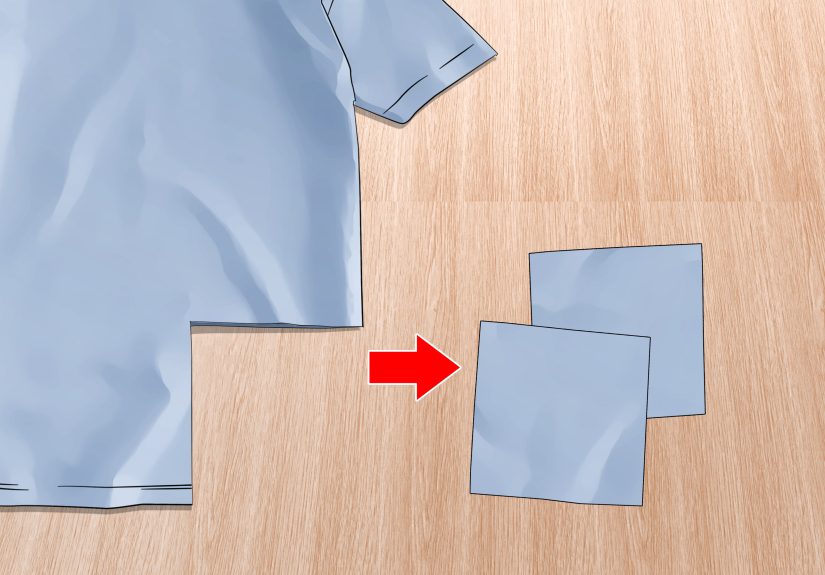
If you are not ready to haul everything to a recycling drop-off, repurposing old clothes at home is still a smart disposal method. You can turn worn textiles into:
- Cleaning rags
- Dust cloths
- Pet bedding
- Garage wipes
- Protective cloths for painting or moving
Old cotton tees are particularly useful here. They may have retired from public life, but they can still excel at wiping mirrors and soaking up spills. Some shirts are simply destined for a second act as the household MVP.
A Simple Rule for Deciding What to Do
When sorting through a pile of old clothes, use this quick system:
- Still wearable? Donate it.
- Still stylish or valuable? Sell it.
- Too worn for either? Recycle or repurpose it.
This three-step filter removes most of the indecision. Instead of staring at a mountain of fabric and questioning every life choice, you can move through the pile with purpose.
Common Mistakes to Avoid When Disposing of Old Clothes
1. Donating Junk Instead of Donating Well
Donation is wonderful, but it is not a free pass to unload unusable items on someone else. Sending ripped, damp, smelly, or moldy clothes to a charity creates extra work and extra cost.
2. Assuming All Bins Accept the Same Things
They do not. Some collection points are for resale-quality donations only. Others accept unwearable textiles for recycling. Read the instructions before drop-off.
3. Forgetting to Sort by Condition
Mixing sellable, donatable, and worn-out clothes together slows everything down. Make separate piles and the process becomes much easier.
4. Hanging On “Just in Case” Forever
If you have not worn it in years, it does not fit, and it does not make you happy, you are not preserving a wardrobe. You are curating museum storage.
5. Ignoring Specialty Donation Needs
Workwear, winter coats, bras, and kids’ clothes may be especially useful to targeted community organizations. Sometimes the most responsible disposal option is also the most helpful one.
Real-Life Experiences With Getting Rid of Old Clothes
The first time I seriously cleaned out a closet, I made the classic rookie mistake: I created one giant “donate” pile and felt extremely noble about it. Then I actually looked through the pile. Some pieces were perfectly wearable. Some had stains I had somehow learned to ignore. One sweater had a sleeve stretched so far out it looked like it had been in a wrestling match. That was the moment I realized old clothes are not one category. They are three different categories pretending to be one problem.
Once I started sorting by donate, sell, and recycle, everything got easier. The clean, wearable basics went into a donation bag. A few nicer jackets and barely worn jeans were set aside to sell. The sad, overwashed T-shirts became cleaning rags. Instead of feeling overwhelmed, I felt weirdly powerful, like a person who had finally cracked the code of the laundry universe.
Another experience taught me the value of being realistic. I once kept a stack of “good enough to sell” clothes in a corner for months. I told myself I would photograph them on the weekend, write detailed listings, compare prices, and become a resale genius. In reality, I listed two items, forgot about the rest, and ended up donating most of them later. The lesson was simple: just because an item can be sold does not mean it is worth selling for you. Convenience matters. Time matters. Closet peace matters.
I also learned that donation works best when the clothes are truly ready to wear. Clean items folded neatly into bags feel respectful. Random wrinkled clothes shoved into trash bags feel like you are trying to pass a problem to someone else. That difference may sound small, but it changes the whole mindset. Donating old clothes is not just about removing them from your home. It is about giving them a usable second life.
One of the most useful habits I picked up was keeping a small box for worn-out textiles. Single socks, stained towels, stretched undershirts, and ripped pajamas no longer get tossed into random drawers. They go into that box until I have enough to repurpose or take to a recycling option that accepts textiles. It is not dramatic, but it keeps the house organized and prevents those “I’ll deal with it later” fabric piles from multiplying in the dark.
The biggest emotional surprise, though, was how often clothing clutter turned out to be memory clutter. Old concert shirts, work outfits from a former chapter of life, jeans from a size that felt like a negotiation with the past, all of it carried a little story. Sorting through those pieces was not just housekeeping. It was deciding what still served me and what was simply taking up emotional rent-free space. Once I let go of that idea that every item had to stay because it once mattered, disposing of old clothes became much easier.
So yes, dealing with old clothes can be practical, but it can also be strangely personal. The best system I found was this: keep what you wear, donate what can help someone, sell what still has clear value, and recycle what has done its job. Everything else is just clutter wearing a costume.
Final Thoughts
If you want the easiest possible answer to how to dispose of old clothes, here it is: do not treat every item the same. The right method depends on condition.
Donate the pieces that are still wearable. Sell the ones with resale value. Recycle or repurpose the clothes that are too worn out for either. That approach is practical, responsible, and refreshingly free of closet guilt.
Best of all, it helps you clear space without wasting useful items. Your old clothes may be leaving your closet, but with the right plan, they do not have to leave the world in the worst possible way.