Table of Contents >> Show >> Hide
- Why Teeth Turn Yellow in the First Place
- 1. Start With a Professional Dental Cleaning
- 2. Use Whitening Toothpaste and Better Daily Oral Care
- 3. Try Dentist-Approved Over-the-Counter Whitening Strips or Trays
- 4. Get Professional Whitening From a Dentist
- What Not to Do if You Want Whiter Teeth
- When Yellow Teeth Mean You Should See a Dentist
- How to Keep Teeth From Turning Yellow Again
- Conclusion
- Experiences Related to “4 Ways to Get Rid of Yellow Teeth”
Note: Body-only HTML content for web publishing. Unnecessary citation artifacts removed.
Yellow teeth can sneak up on you the way dust sneaks onto a black T-shirt: slowly, rudely, and always right before you need to smile in public. One day your teeth look fine, and the next day your coffee mug, red sauce habit, and “I’ll floss tomorrow” attitude seem to have joined forces against you.
The good news is that yellow teeth are often treatable. The less-fun news is that not every yellow tooth problem has the same cause, which means not every whitening trick on the internet deserves your trust. Some teeth are yellow because of surface stains. Others look darker because enamel has thinned over time and the naturally yellower dentin underneath is showing through. In some cases, discoloration can also be linked to smoking, plaque buildup, certain medications, aging, or dental issues that need a dentist’s attention.
So if you want a brighter smile without turning your bathroom into a questionable chemistry lab, start with methods that are effective, realistic, and safer for your teeth. Below are four smart ways to get rid of yellow teeth, plus a few mistakes to avoid if you’d rather not trade stains for sensitivity.
Why Teeth Turn Yellow in the First Place
Before you try to whiten anything, it helps to know what you’re dealing with. Teeth can look yellow for a few different reasons, and that matters because some causes respond beautifully to whitening while others barely budge.
Surface stains
These are the usual suspects. Coffee, tea, red wine, dark sodas, berries, curry, tomato sauce, and tobacco can leave pigments on the outside of the teeth. If your smile has slowly lost its brightness and your daily routine includes iced coffee and a heroic amount of black tea, surface staining is a likely culprit.
Plaque and tartar buildup
When plaque is not removed well, it can collect along the gumline and between teeth. Over time, it can harden into tartar, which can make teeth look dull, darker, or more yellow than they really are. This is one reason some people think they need whitening when what they actually need is a proper dental cleaning.
Age and enamel wear
Enamel is the hard outer layer of the tooth. As it wears down with age, grinding, acidic foods, or overzealous brushing, more of the yellowish dentin underneath can show through. That means older teeth often look warmer in color even when they are perfectly healthy.
Deeper discoloration
Some stains are more stubborn. Certain medications, trauma, fluorosis, or developmental issues can affect tooth color from within. If your teeth are gray, brown, patchy, or unevenly discolored, regular whitening products may not do much. That is when a dentist should help you decide whether whitening, bonding, veneers, or another treatment makes the most sense.
1. Start With a Professional Dental Cleaning
If your teeth look yellow, the first move is often not a whitening strip. It is a dental cleaning. This is not the flashy answer, but it is the sensible one, and sensible usually ages better than viral hacks.
A professional cleaning removes plaque, tartar, and many surface stains that brushing alone cannot tackle. If you drink coffee every day, smoke, or have not had a cleaning in a while, you may be surprised by how much brighter your teeth look afterward. In some cases, a cleaning alone is enough to make people stop Googling “celebrity veneers near me.”
This step also matters because whitening products work better on clean teeth. If tartar and buildup are sitting on the surface, whitening gels and strips cannot do their job as evenly. A cleaning gives you a more accurate picture of your natural tooth color and helps you avoid wasting money on products before you know what actually needs fixing.
Why this works
Yellowing caused by plaque, tartar, or surface debris is not really a “deep color” problem. It is a buildup problem. Remove the buildup, and the smile often looks fresher right away.
Best for
People with visible buildup near the gums, smokers, coffee and tea drinkers, and anyone overdue for a checkup.
Pro tip
If you plan to whiten your teeth for a wedding, a photo shoot, a job interview, or a reunion where your ex might suddenly become very observant, schedule a cleaning first. It is the easiest way to improve the result of everything that comes after.
2. Use Whitening Toothpaste and Better Daily Oral Care
If your yellow teeth are mostly from everyday staining, whitening toothpaste can help. This is not a magic wand, and it will not bleach your teeth several shades lighter overnight. But it can gradually remove surface stains and help keep new stains from setting up permanent residence.
Many whitening toothpastes rely on gentle polishing agents to scrub away stain buildup. Some formulas also include ingredients that help teeth appear less yellow or brighten the look of the enamel. The key word here is surface. Whitening toothpaste is best for maintenance and mild discoloration, not dramatic transformations.
Of course, toothpaste works best when paired with the world’s least glamorous but most useful advice: brush properly and floss daily. Brushing twice a day for two full minutes and cleaning between your teeth helps control plaque, which lowers the chance of that dull, yellowish film building up again. In other words, whitening toothpaste is helpful, but it is not a substitute for basic oral hygiene. Nice try, lazy toothbrush users.
How to do it well
Choose a toothpaste from a reputable brand, ideally one with a recognized safety and efficacy standard. Use a soft-bristled toothbrush, brush gently, and do not scrub like you are sanding old paint off a fence. Aggressive brushing can wear enamel down over time, which may actually make teeth look more yellow later.
Best for
People with mild yellowing, new surface stains, or anyone who wants to maintain results after a cleaning or whitening treatment.
What to expect
Think “gradual improvement,” not “movie-star reveal.” Whitening toothpaste is the steady gym routine of smile care, not the dramatic makeover montage.
3. Try Dentist-Approved Over-the-Counter Whitening Strips or Trays
If brushing and whitening toothpaste are not enough, over-the-counter whitening strips or trays can be a solid next step. These products usually contain peroxide-based ingredients that lift stains more effectively than toothpaste alone.
This is where many people see a more noticeable change. Strips and trays can work well for yellowing caused by age, food, drinks, and smoking-related stains, especially when used exactly as directed. The directions matter more than most people think. Leaving them on longer than recommended will not automatically turn you into a toothpaste commercial model. It may just leave you with sore gums and sensitive teeth.
Look for products that are made for teeth whitening specifically. That means no “creative substitutions” involving random hydrogen peroxide from the medicine cabinet, improvised mouthguards, or internet recipes that sound like they were written during a power outage. Whitening ingredients in dental products are formulated and tested differently from household or first-aid products.
How to choose
Pick products from reputable manufacturers and follow the full instructions. Consistency matters more than enthusiasm. It is usually better to complete the recommended course properly than to go rogue and overdo it in three days.
Best for
People with moderate yellowing who want a noticeable improvement without paying for in-office treatment right away.
Watch for sensitivity
Some tooth sensitivity or gum irritation can happen, especially if you already have sensitive teeth, exposed roots, or gum recession. If it starts to sting like you are biting into ice and regret at the same time, pause and talk to your dentist.
4. Get Professional Whitening From a Dentist
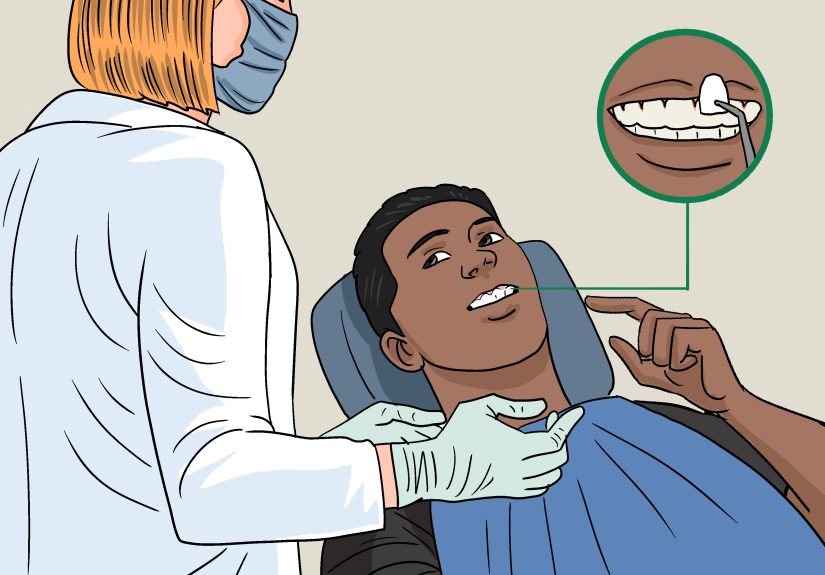
If your teeth are still stubbornly yellow, professional whitening is usually the fastest and most effective option. Dentists can offer in-office bleaching or custom take-home trays with stronger, better-monitored formulas than most store-bought products.
The biggest advantage here is precision. Your dentist can examine your teeth first, confirm whether whitening is appropriate, protect your gums, and help you avoid wasting time on methods that are unlikely to work. This is especially important if you have restorations like crowns, veneers, or tooth-colored fillings, because those materials do not whiten the same way natural teeth do.
Professional whitening can also be useful when your discoloration is more complex. Maybe your front teeth are unevenly stained. Maybe one tooth looks darker after an old injury. Maybe your teeth are yellow because enamel has thinned and you need a plan that balances brightness with sensitivity. A dentist can tailor treatment instead of making you guess.
In-office whitening
This is the speediest option. Results can often be seen after one appointment, which is why people choose it before big events. If you have a deadline and want the dental equivalent of “let’s not drag this out,” this is often the move.
Custom take-home trays
These are slower than in-office treatment but more personalized than generic store-bought trays. Because they are shaped to fit your teeth, they can distribute whitening gel more evenly and reduce the chance of irritating your gums.
Best for
People with deeper stains, more noticeable yellowing, uneven discoloration, or anyone who wants the most predictable result.
What Not to Do if You Want Whiter Teeth
Now for the part the internet hates: not every “natural” teeth-whitening idea is a good one. Some are ineffective. Some are too abrasive. Some are acidic enough to annoy your enamel into early retirement.
Do not use lemon juice or other acidic DIY mixtures
Acids can erode enamel. That may make teeth temporarily feel squeaky-clean, but it can also damage the surface and eventually make teeth look even more yellow because the inner dentin shows through more clearly.
Do not brush aggressively with abrasive powders
Baking soda in a properly made toothpaste can be one thing. Scrubbing your teeth with random gritty mixtures because a stranger online swore by it is another. Too much abrasion can wear enamel away.
Do not swish or paint on straight hydrogen peroxide from home bottles
Whitening products are carefully designed for dental use. Household peroxide is not a shortcut. It can irritate your gums and soft tissues, and guessing your own concentration is not a winning strategy.
Do not expect miracles from charcoal trends
Charcoal products are often marketed like they were invented by a wizard in a very convincing apron. But many do not have strong evidence for meaningful whitening, and some may be abrasive with repeated use.
When Yellow Teeth Mean You Should See a Dentist
Sometimes yellow teeth are mostly cosmetic. Sometimes they are a clue. Book a dental visit if your discoloration comes with pain, sensitivity that is getting worse, gum bleeding, visible tartar, bad breath that will not quit, white or brown spots, one tooth that suddenly darkened, or stains that appeared after an injury or medication change.
You should also see a dentist before whitening if you have cavities, gum disease, worn enamel, dental restorations on front teeth, or very sensitive teeth. Whitening without checking those issues first can lead to frustration, discomfort, or a color mismatch that makes your smile look stranger instead of brighter.
How to Keep Teeth From Turning Yellow Again
Once your teeth look better, maintenance matters. Otherwise you are basically mopping during a rainstorm.
- Brush twice a day with fluoride toothpaste.
- Clean between teeth daily with floss or another interdental cleaner.
- Rinse or drink water after coffee, tea, wine, or strongly pigmented foods.
- Use a straw for iced coffee or tea when practical.
- Do not smoke or use tobacco products.
- Keep up with regular dental cleanings and exams.
- Use whitening toothpaste or dentist-recommended maintenance products if needed.
The real secret is not one magical product. It is combining stain control, daily hygiene, and the right level of whitening for your specific kind of discoloration.
Conclusion
If you want to get rid of yellow teeth, start with methods that actually match the cause. A professional cleaning can remove buildup and surface stains. Whitening toothpaste and strong daily oral care can help keep mild yellowing under control. Over-the-counter strips or trays can brighten many common stains when used properly. And professional whitening offers the fastest, most customized option when you want bigger results.
The smartest approach is simple: skip the risky DIY experiments, protect your enamel, and get a dentist involved when stains are deep, uneven, or unusually stubborn. A brighter smile is absolutely possible. It just usually comes from consistency and evidence, not citrus fruit and optimism.
Experiences Related to “4 Ways to Get Rid of Yellow Teeth”
One of the most common experiences people report is the “coffee shock” moment. It usually goes like this: someone catches their reflection in a car window, on a video call, or in a brutally honest bathroom mirror and realizes their teeth are looking more buttery than bright. Often, they assume they need the strongest whitening product available. But after a dental cleaning, many discover that a big part of the yellow look came from tartar and surface stains. This experience matters because it shows how easy it is to confuse buildup with permanent discoloration.
Another frequent story comes from people who try whitening toothpaste and feel disappointed after three days. They expect fireworks, but what they really signed up for was a slow cleanup crew. Over a few weeks, though, many notice their teeth look fresher and less dingy, especially if they also improve their brushing and flossing routine. The lesson here is that whitening toothpaste tends to reward patience, not panic-buying.
Then there is the classic over-the-counter strip experience. Plenty of people get a nice boost in brightness from strips, particularly if their yellow teeth are linked to coffee, tea, or age-related staining. But there is often a learning curve. Some users place the strips unevenly, use them too often, or ignore mild sensitivity until it becomes very annoying. People who tend to have the best outcome usually follow directions carefully, take breaks if sensitivity starts, and do not treat the process like a speed competition.
Professional whitening experiences are often the most dramatic, especially before a big life event. Brides, grooms, graduates, job seekers, and anyone facing a camera-heavy season often describe in-office whitening as the quickest confidence boost. What stands out, though, is not just the color change. It is the relief of having a dentist evaluate whether whitening is even the right solution. Some people go in expecting bleach and leave realizing they actually need a cleaning, bonding, or treatment for a worn or injured tooth.
There are also cautionary experiences, and these are worth mentioning because they are everywhere online. Some people try lemon juice, charcoal powders, or homemade peroxide mixtures because they want a cheap shortcut. At first, their teeth may feel smoother or look slightly brighter from temporary dehydration or surface scrubbing. But many end up with gum irritation, sensitivity, or no meaningful improvement at all. The takeaway is painfully consistent: “natural” does not always mean safe, and “viral” definitely does not mean dentist-approved.
Smokers and former smokers often have a different journey. Their staining can be heavier and more stubborn, so they may need a combination of professional cleaning, whitening, and tobacco cessation to really change the look of their smile. What many of them report is that whitening works better once the source of the stain stops coming back every day. It is hard to win a color battle when your habits are sending in reinforcements.
Older adults also share an important perspective. Many say they became more aware of yellowing with age even though they had not changed their routine much. That is because enamel naturally wears over time, allowing more of the deeper yellow dentin to show through. Their experience highlights a useful truth: yellow teeth are not always a hygiene failure. Sometimes they are simply biology plus birthdays. In those cases, the right whitening approach can help, but so can realistic expectations.
Perhaps the most helpful shared experience is this: the people happiest with their results rarely rely on one single trick. They get a cleaning, improve daily care, choose a whitening method that fits their teeth, and maintain the result. In other words, brighter teeth usually come from a system, not a stunt. That may be less exciting than a one-minute miracle hack, but it is a lot better for your enamel and far less likely to make your dentist sigh heavily at your next appointment.