Table of Contents >> Show >> Hide
- Quick Comparison: The 5 Best Smart Light Bulbs
- What Makes a Smart Light Bulb Worth Buying?
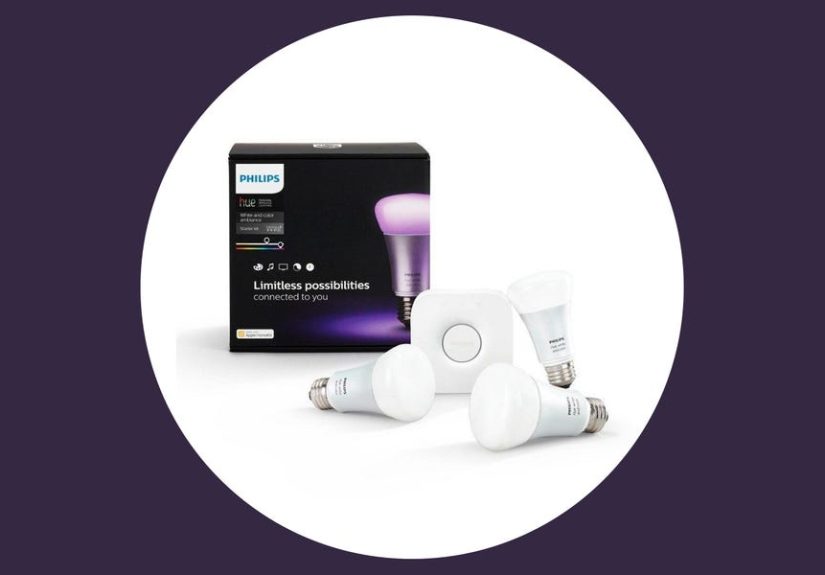
- 1. Philips Hue White and Color Ambiance A19: Best Overall Smart Bulb
- 2. TP-Link Tapo L535E: Best Bright Smart Bulb for Kitchens and Workspaces
- 3. Wyze Bulb Color: Best Budget Smart Bulb for Bedrooms
- 4. Nanoleaf Essentials Matter A19: Best for Apple Home and Matter Fans
- 5. Govee Smart RGBWW Light Bulbs: Best for Parties, Gaming, and Mood Lighting
- How to Choose the Best Smart Bulb for Each Room
- Smart Bulb Buying Tips Most People Learn Too Late
- Best Smart Bulb by Occasion
- Final Verdict: Which Smart Light Bulb Should You Buy?
- Real-World Experiences: Living With Smart Bulbs Day After Day
- SEO Tags
Smart light bulbs used to feel like tiny pieces of science fiction: twist one into a lamp, open an app, and suddenly your living room could look like a sunset, a movie theater, a coffee shop, or a suspiciously dramatic villain lair. Today, they are far more practical. The best smart light bulbs can help you wake up gently, focus during work, make dinner feel warmer, improve home security, and save energy compared with old incandescent bulbs.
But choosing the right smart bulb is not as simple as picking the one with the brightest package or the most neon-looking product photo. Some bulbs are better for bedrooms because they dim low and shift warm. Some are better for kitchens because they push out enough lumens to help you see what you are chopping. Some are made for parties, some are made for serious smart homes, and some are made for people who simply want to say, “Alexa, turn off the lights,” without adopting a new part-time job in home automation.
This guide breaks down five of the best smart light bulbs for different rooms, moods, and occasions. The focus is on real-world usefulness: brightness, color quality, app control, voice assistant support, automation, value, and how each bulb actually fits into a home. Because a smart bulb should make life easier, not make you stare at your router like it owes you money.
Quick Comparison: The 5 Best Smart Light Bulbs
| Smart Bulb | Best For | Brightness | Key Strength |
|---|---|---|---|
| Philips Hue White and Color Ambiance A19 | Whole-home smart lighting | Up to about 1,055 lumens | Premium ecosystem and reliable scenes |
| TP-Link Tapo L535E | Kitchens, offices, and bright rooms | 1,100 lumens | Matter support, high brightness, no hub required |
| Wyze Bulb Color | Bedrooms and budget setups | 30 to 1,100 lumens | Strong value, low dimming, wide white range |
| Nanoleaf Essentials Matter A19 | Apple Home and Matter smart homes | Varies by model, commonly bright enough for daily use | Matter over Thread and colorful scenes |
| Govee Smart RGBWW Light Bulbs | Parties, gaming rooms, and mood lighting | Up to 1,200 lumens on select models | Fun effects, app modes, and bold color |
What Makes a Smart Light Bulb Worth Buying?
A good smart bulb should do more than change color. That is fun, of course. Nobody is against turning the living room purple during movie night. But the real magic happens when smart lighting becomes useful in daily routines.
Brightness Matters More Than Wattage
With LED bulbs, lumens are the number to watch. Lumens measure visible light output, while watts measure energy use. A 1,100-lumen smart bulb can usually brighten a kitchen, office, or larger lamp better than a standard 800-lumen bulb. For bedrooms and accent lamps, 800 lumens may be plenty. For work areas, brighter is usually better.
Color Temperature Changes the Feeling of a Room
Smart bulbs with tunable white light let you shift from warm, cozy tones to crisp daylight tones. A warm 2,200K to 3,000K glow feels relaxed and evening-friendly. A cooler 5,000K to 6,500K light feels sharper and more energetic, which is useful for reading, cooking, cleaning, and working. In other words, your bulb can stop pretending every room has the same personality.
Compatibility Can Save You Headaches
Before buying, check whether the bulb works with Alexa, Google Assistant, Apple Home, Samsung SmartThings, Matter, Thread, Wi-Fi, Bluetooth, or a hub. A bulb may be excellent but still wrong for your setup. Philips Hue is fantastic for people who want a full ecosystem. Tapo is appealing for Matter users who want simple Wi-Fi setup. Nanoleaf is especially interesting for homes already using Thread border routers. The best choice is not always the fanciest bulb; it is the one that plays nicely with the devices you already own.
1. Philips Hue White and Color Ambiance A19: Best Overall Smart Bulb
The Philips Hue White and Color Ambiance A19 remains one of the safest premium picks for anyone who wants smart lighting that feels polished. It offers white and color light, strong app controls, Bluetooth setup, and the option to add a Hue Bridge for deeper automations and a more robust whole-home system.
This bulb is best for living rooms, bedrooms, dining rooms, and anyone planning to build a larger smart lighting setup over time. It is not usually the cheapest option, but Philips Hue has earned its reputation because the experience is smooth. Scenes are easy to create, automations are dependable, and the ecosystem includes bulbs, light strips, sensors, switches, lamps, outdoor lighting, and more. Hue is less like buying one bulb and more like entering a lighting universe. Thankfully, it is a friendly universe, not the kind with laser doors and ominous music.
Where It Works Best
Use Philips Hue in the living room if you want movie-night scenes, cozy reading light, and voice-controlled ambiance. It also works beautifully in bedrooms, especially if you want morning wake-up routines that slowly brighten instead of blasting your eyeballs like a tiny indoor sunrise with no manners.
Why It Stands Out
The strongest reason to choose Hue is reliability plus ecosystem depth. You can start with one bulb over Bluetooth, then add a Bridge later if you want more advanced automations, remote control, motion sensors, and larger room groups. For users who want the most mature smart lighting platform, Hue is still the big name in the room.
Potential Drawbacks
Price is the main issue. Hue bulbs can cost more than many Wi-Fi bulbs. Also, while Bluetooth control is convenient for beginners, the best Hue experience usually comes when you add the Bridge. If you only want one cheap color bulb for a desk lamp, Hue may be more than you need.
2. TP-Link Tapo L535E: Best Bright Smart Bulb for Kitchens and Workspaces
The TP-Link Tapo L535E is a strong pick for rooms that need actual illumination, not just decorative sparkle. With 1,100 lumens, a 2500K to 6500K white range, 90+ CRI, Matter compatibility, Wi-Fi connection, app control, scheduling, voice support, and no required hub, it checks a lot of practical boxes.
This is the smart bulb for people who cook, read, fold laundry, work from home, or occasionally need to find a black sock on a dark floor. Its brightness makes it better suited for kitchens, home offices, craft rooms, garages, and utility spaces than some lower-output color bulbs.
Where It Works Best
Put the Tapo L535E in a kitchen ceiling fixture, a desk lamp, or a home office floor lamp. During the day, cooler white light can help the room feel alert and clean. In the evening, warmer white light can soften the space so your kitchen no longer looks like a dental clinic with countertops.
Why It Stands Out
Matter support is a major advantage. Matter is designed to make smart home devices work across major platforms more smoothly. The Tapo L535E can be added to compatible ecosystems such as Alexa, Google Home, and Apple Home through Matter, while still offering Tapo app features. That makes it a flexible choice for mixed-device households.
Potential Drawbacks
Like most Wi-Fi smart bulbs, it uses 2.4 GHz Wi-Fi. That is normal, but it means setup can be annoying if your phone is temporarily on a 5 GHz-only network. Also, it is bright and practical, but people who want the deepest entertainment-style color effects may prefer Govee or Philips Hue.
3. Wyze Bulb Color: Best Budget Smart Bulb for Bedrooms
The Wyze Bulb Color is one of the best smart light bulbs for buyers who want strong features without turning their wallet into a tragic short story. It offers up to 1,100 lumens, 16 million colors, tunable white light from a very warm 1800K up to 6500K, 90+ CRI, dimming down to low levels, and automation options for sleep routines.
That wide color temperature range makes it especially useful in bedrooms. The very warm low end is ideal for winding down at night, while the cooler high end can help mornings feel less like a negotiation with gravity.
Where It Works Best
Use Wyze Bulb Color in bedrooms, nurseries, guest rooms, small apartments, and rental homes. It is also a great starter bulb for anyone who wants to experiment with smart lighting before investing in a full ecosystem.
Why It Stands Out
Wyze delivers a lot of brightness and color flexibility for the price. The 30-to-1,100-lumen range is particularly useful because the bulb can go from soft nightstand glow to full-room brightness. A bulb that can be both “gentle bedtime companion” and “where did I drop my earring?” is doing honest work.
Potential Drawbacks
Wyze is great for affordability, but it may not feel as polished or expandable as Philips Hue. It also fits best for people comfortable using the Wyze app and Wi-Fi-based control. For a complex whole-home setup with many rooms and accessories, Hue or a Matter-focused option may be easier to grow over time.
4. Nanoleaf Essentials Matter A19: Best for Apple Home and Matter Fans
The Nanoleaf Essentials Matter A19 is a smart pick for people building a modern Matter-based home, especially those already using Apple Home, Google Home, or compatible Thread border routers. Nanoleaf’s Essentials bulbs focus on colorful lighting, tunable whites, app and voice control, and Matter over Thread support on compatible models.
Thread can be a major advantage because it is designed for low-power smart home devices and can create a mesh network where devices help extend reliability. For users with a HomePod mini, Apple TV 4K, Google Nest Hub, or another compatible Thread border router, Nanoleaf can fit neatly into a future-friendly smart home plan.
Where It Works Best
Nanoleaf Essentials works well in bedrooms, offices, hallway lamps, and creative spaces where color scenes matter. It is also an excellent choice for Apple Home users who want lights that feel native to their ecosystem.
Why It Stands Out
The big appeal is Matter over Thread. Instead of adding another Wi-Fi device to your network, a Thread bulb can communicate through a Thread mesh when the proper hub is available. That can mean quicker response and less Wi-Fi clutter in a smart home with many devices.
Potential Drawbacks
To get the full Matter-over-Thread experience, you need the right compatible hub or border router. Without that, setup may not feel as simple as a basic Wi-Fi bulb. Nanoleaf is best for users who either already have the required smart home hardware or are intentionally building in that direction.
5. Govee Smart RGBWW Light Bulbs: Best for Parties, Gaming, and Mood Lighting
Govee smart bulbs are made for people who want lighting to have personality. Select Govee RGBWW smart bulbs offer up to 1,200 lumens, A19-E26 compatibility, multiple app modes, group control, color effects, and lively scenes. These bulbs are a natural fit for gaming rooms, dorm rooms, party spaces, home bars, and anywhere “normal lamp” feels emotionally underdressed.
Govee’s app is a major part of the experience. It is packed with scenes, effects, music-reactive features on many products, and playful customization. If Philips Hue feels like a luxury lighting showroom, Govee feels like a light show that remembered to bring snacks.
Where It Works Best
Use Govee bulbs in entertainment rooms, behind lamps near a TV, in a teen bedroom, or anywhere you want bold color without paying premium ecosystem prices. They are especially fun for holidays, game nights, birthday parties, and themed dinners.
Why It Stands Out
Govee is excellent for mood and occasion lighting. Want red and green for the holidays? Done. Blue and purple for gaming? Easy. Warm amber for a relaxed dinner? Also possible. The brand’s strength is turning ordinary rooms into scenes without requiring complicated setup.
Potential Drawbacks
Govee may not be the best choice for users who want the most refined smart home integration or a minimalist app. The app is powerful, but it can feel busy. For pure reliability across a large home, Hue may still be stronger. For simple bright task lighting, Tapo may be more practical.
How to Choose the Best Smart Bulb for Each Room
Bedroom
Choose a bulb with warm dimming, strong scheduling, and gentle wake-up routines. Wyze Bulb Color is excellent here because it can go very warm and very dim. Philips Hue is also a premium bedroom choice if you want sunrise automations and scenes that sync with the rest of your home.
Living Room
The living room needs flexibility. You may want bright white light for cleaning, warm light for guests, dim amber for movies, and colorful scenes for holidays. Philips Hue is the best all-around living room pick, while Govee is great if your living room doubles as a party lounge.
Kitchen
Brightness matters in the kitchen. Look for 1,100 lumens or higher if the bulb is your main light source. The Tapo L535E is a strong kitchen choice because it combines high brightness, tunable white light, Matter support, and no required hub.
Home Office
For work, prioritize white temperature control over dramatic color. Cooler white light can help during focus time, while warmer light is better late in the day. Tapo, Philips Hue, Nanoleaf, and Kasa-style bulbs all work well here, depending on your ecosystem.
Kids’ Rooms and Playrooms
Color scenes can make bedtime, cleanup, and playtime more fun. A soft blue scene can signal wind-down time, while bright white can mean homework mode. Wyze and Govee are especially good value options for these spaces.
Smart Bulb Buying Tips Most People Learn Too Late
Do Not Use Smart Bulbs With Traditional Dimmer Switches
Most smart bulbs should not be connected to old-style wall dimmers unless the manufacturer specifically says they are compatible. The bulb already handles dimming through its electronics. A traditional dimmer can cause flickering, buzzing, connection problems, or early bulb failure.
Leave the Wall Switch On
A smart bulb needs power to stay smart. If someone flips the wall switch off, the app and voice assistant usually cannot reach it. This is the classic smart bulb family argument. The solution is simple: leave the switch on, and use the app, voice command, automation, or a compatible smart button.
Check the Bulb Shape and Base
Most U.S. lamps use A19 bulbs with E26 bases, but not all fixtures are standard. Recessed cans may need BR30 bulbs. Decorative fixtures may need candle bulbs. Before ordering a multipack, check the fixture. Nothing humbles a smart home genius faster than buying four bulbs that do not fit.
Think About Privacy and Account Security
Smart bulbs connect to apps and cloud services, so account security matters. Use strong passwords, enable two-factor authentication when available, keep apps updated, and avoid buying unknown-brand bulbs with poor support. A light bulb should not be the weakest link in your home network.
Best Smart Bulb by Occasion
Movie Night
Choose Philips Hue for polished scenes or Govee for colorful entertainment effects. Set lights to low amber, deep blue, or soft purple to reduce glare and make the room feel cinematic.
Dinner Party
Use warm white around 2700K to 3000K. It flatters food, faces, and furniture. Your casserole deserves lighting that says “homemade comfort,” not “airport security checkpoint.”
Morning Routine
Use sunrise schedules or gradually brightening white light. Philips Hue, Tapo, Wyze, and Nanoleaf can all support routines depending on your setup. A gradual wake-up scene is much kinder than a phone alarm that sounds like a robot having a crisis.
Working From Home
Pick a cooler white setting between 4000K and 6500K during focus hours. Tapo L535E is especially useful here because of its brightness and crisp white range.
Holiday Decorating
Govee is the fun pick for holidays. Save scenes for Halloween, Christmas, New Year’s Eve, birthdays, and game days. Once you have holiday lighting presets, regular white bulbs start to look like they gave up.
Final Verdict: Which Smart Light Bulb Should You Buy?
If you want the best overall smart bulb and plan to grow your system, choose Philips Hue White and Color Ambiance A19. If you need bright, practical, Matter-friendly lighting for kitchens and offices, choose the TP-Link Tapo L535E. If you want great value for bedrooms and everyday routines, choose Wyze Bulb Color. If you are building a Matter-over-Thread smart home, especially around Apple Home, choose Nanoleaf Essentials. If you want fun scenes, bold colors, and party-ready energy, choose Govee Smart RGBWW bulbs.
The best smart light bulb is not always the most expensive bulb or the one with the longest feature list. It is the bulb that fits your room, your habits, your smart home platform, and your tolerance for app tinkering. Start with the room where lighting annoys you most. Maybe it is the bedroom that feels too bright at night, the kitchen that feels too dim in the morning, or the living room that needs a little atmosphere beyond “overhead sadness.” Fix one room first. Then, once you experience the joy of saying “turn off everything” from bed, the rest of the house will probably volunteer itself.
Real-World Experiences: Living With Smart Bulbs Day After Day
The biggest surprise with smart light bulbs is not the color. The color is fun for about five minutes, especially when someone inevitably turns the room neon green and declares it “goblin mode.” The real surprise is how quickly smart lighting becomes part of your routine. After a few days, walking across a dark room to turn off a lamp starts to feel oddly primitive, like churning butter or printing MapQuest directions.
In a bedroom, the experience can be genuinely better. A smart bulb set to 10% warm light at night makes the room feel calm without forcing you to stumble around in darkness. A scheduled sunrise scene can make mornings less aggressive. It will not magically turn a night owl into a cheerful 6 a.m. jogger, but it can make waking up feel smoother. That matters, especially during winter or in rooms that do not get much natural light.
In the kitchen, brightness is everything. Color bulbs are entertaining, but a kitchen bulb needs to help you see onions, labels, stovetops, and whether the thing in the back of the fridge is sauce or a science project. A bright smart bulb with cooler white settings makes cooking and cleaning easier. Then, after dinner, switching the same bulb to a warmer tone changes the whole mood. The kitchen stops feeling like a workspace and starts feeling like part of the home again.
In a living room, smart bulbs shine because they support different activities without changing fixtures. Reading needs one type of light. Watching TV needs another. Having friends over needs something warmer and more flattering. Cleaning needs full brightness, because dust hides like it pays rent. A few saved scenes can make one room feel flexible without buying new lamps or rearranging furniture.
The most useful automations are usually simple. Lights on at sunset. Bedroom lamp dimmed at 10 p.m. Porch lamp on when you are away. Office bulb cool and bright on weekday mornings. Complicated automations can be fun, but the best ones disappear into daily life. You stop thinking about them because they just work.
There are annoyances, of course. Someone will flip the wall switch. Wi-Fi bulbs can occasionally need reconnecting. Apps update. Voice assistants misunderstand things in hilarious and mildly insulting ways. You may say, “Turn on the bedroom lamp,” and your assistant may respond by turning on the dining room, because apparently it has chosen chaos. Still, once your basic setup is stable, smart bulbs are one of the easiest smart home upgrades to recommend.
The best approach is to avoid buying a giant multipack before testing one or two bulbs. Try a bulb in the bedroom or living room first. See how the app feels. Check whether the color looks good. Test voice control. Make sure the brightness suits the room. If it works, expand slowly. A thoughtful smart lighting setup feels comfortable and useful. A rushed one feels like your house joined a tech startup without asking you.
Overall, smart bulbs are worth it when they solve real lighting problems: too dim, too harsh, too inconvenient, too boring, or too easy to forget. They are also one of the rare home upgrades that can be practical on Monday morning and ridiculous on Saturday night. That range is the whole appeal. One bulb can help you focus, relax, cook, celebrate, wake up, wind down, and locate the remote under the couch. Honestly, that is a pretty impressive resume for something shaped like an egg.