Table of Contents >> Show >> Hide
- Why Stainless Steel Office Drawers Work So Well
- 1. The Slim Six-Drawer Metal Unit
- 2. The Mobile Steel Pedestal Drawer
- 3. The Two-Drawer Lateral Steel File Cabinet
- 4. The Industrial Steel Drawer Cabinet
- 5. The Premium Architectural Steel Pedestal
- How to Style Stainless Steel Office Drawers
- Organization Tips That Actually Work
- Cleaning and Maintenance
- Buying Guide: Match the Drawer to the Job
- Real-World Experience: Living With Stainless Steel Office Drawers
- Conclusion
If your desk currently looks like a paper tornado met a charging-cable octopus, stainless steel office drawers may be the calm, shiny adult in the room. They are practical, polished, durable, and just industrial enough to make your workspace feel intentional rather than “I found this storage bin during a panic-clean.” Whether you run a home office, a design studio, a shared workspace, or a command center disguised as a tiny apartment desk, the right metal drawer unit can turn clutter into a system.
The appeal is easy to understand. Stainless steel and stainless-look office drawers bring a clean modern edge, resist everyday wear better than many lightweight storage options, and pair beautifully with wood, concrete, glass, black metal, white walls, and even the occasional sad office plant. True stainless steel cabinets are less common in standard office furniture than powder-coated steel or brushed-metal finishes, but the best options still deliver the same design language: sleek, sturdy, wipeable, and built for daily use.
Below are five favorite styles of stainless steel office drawers worth considering, from slim under-desk units to serious lateral filing cabinets. Think of this as a stylish storage shortlist for people who want their workspace to look smart, not like a supply closet having an identity crisis.
Why Stainless Steel Office Drawers Work So Well
Office storage has one job: keep essential items close without letting them take over your desk. Stainless steel office drawers do that especially well because they combine strength, clean lines, and long-term usability. Metal drawer units are often used in commercial offices because they can handle repeated opening, closing, rolling, locking, bumping, and the mysterious weight of old tax folders that somehow feel heavier every year.
Compared with plastic drawers, steel units feel more permanent and usually look more professional. Compared with wood or laminate drawers, they can feel lighter visually, especially in small spaces. A brushed stainless finish or soft gray steel cabinet can disappear neatly under a desk, while a polished or industrial drawer cabinet can become a design feature.
What to Look for Before Buying
Before falling for the first shiny cabinet that winks at you from a product photo, check the basics. Good stainless steel office drawers should have smooth drawer glides, a stable frame, useful drawer depths, and a finish that fits your room. For paperwork, look for file drawers that accept letter-size or legal-size hanging folders. For supplies, shallow drawers are often better than deep ones because they prevent the classic “office junk cave” situation.
Locks are useful if you store client files, checks, personal paperwork, backup drives, or office snacks that mysteriously vanish when roommates are nearby. Casters are helpful if you move between workstations or need to vacuum under the desk. Anti-tip features matter for taller cabinets, especially lateral files, because nobody wants a drawer unit that behaves like a dramatic falling bookshelf.
1. The Slim Six-Drawer Metal Unit
The first favorite is the slim multi-drawer metal unit: narrow, mobile, and surprisingly useful. This is the kind of stainless steel office drawer style that fits under or beside a desk and quietly swallows pens, notebooks, sticky notes, headphones, receipts, craft tools, chargers, and all the tiny objects that otherwise reproduce on your desktop overnight.
A six-drawer steel unit works beautifully for creative professionals, students, crafters, and anyone who likes categories. One drawer can hold writing tools, another can hold tech accessories, another can hold paper, and another can become the “I do not know where this goes yet, but at least it is not on my desk” drawer. We all need one. We simply do not need five.
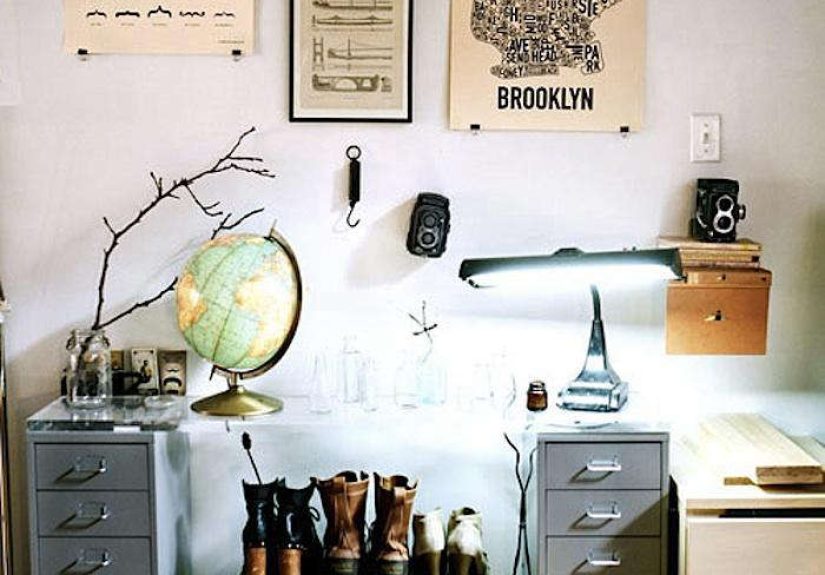
Look for models with label slots on the drawer fronts. Labels may sound old-school, but they are the difference between a drawer system and a guessing game. Slim metal office drawers with casters are especially practical in small rooms because they can slide beside the desk during work hours and roll away when you need floor space.
Best For
This style is best for home offices, dorm rooms, art studios, sewing corners, compact workstations, and anyone who stores many small items. It is less ideal for heavy files unless the drawers are specifically designed to hold full-size documents.
2. The Mobile Steel Pedestal Drawer
The mobile steel pedestal is the dependable middle child of office storage: not flashy, not fussy, but incredibly useful. It usually includes two small utility drawers and one larger file drawer, making it a strong choice for people who need both supply storage and document organization. Many modern pedestal drawers are made from powder-coated steel, which gives the stainless steel look with added color and scratch resistance.
This type of drawer unit often sits directly under a desk and rolls out when needed. That makes it perfect for hybrid workers who want a clean desktop during video calls but still need quick access to folders, notebooks, charging cables, and emergency chocolate. The best versions include drawer dividers, a lock, smooth glides, and file rails that fit letter and legal folders.
A mobile pedestal also helps define a workstation. In a shared room, it gives you a personal storage zone. In a home office, it keeps daily essentials within arm’s reach. In a corporate office, it prevents your desk from becoming a community supply shelf, which is how your favorite pen begins its journey into the unknown.
Best For
Choose a mobile steel pedestal if you want a balanced storage solution for supplies and paperwork. It works especially well under height-adjustable desks, compact writing desks, and shared office stations.
3. The Two-Drawer Lateral Steel File Cabinet
If your work involves serious paperwork, a two-drawer lateral steel file cabinet may be the grown-up solution. Unlike narrow vertical file cabinets, lateral file drawers are wider and allow files to be stored side by side or front to back, depending on the rail system. This makes them excellent for client files, household records, tax documents, contracts, design samples, and manuals you are absolutely keeping “just in case.”
A stainless steel or steel lateral cabinet has a clean architectural look that can sit against a wall, behind a desk, or under a low shelf. The top surface can also serve as a printer stand, scanner station, plant perch, or display area for trays and organizers. Because lateral cabinets can get heavy when full, prioritize models with full-extension drawers and a safety mechanism that prevents multiple drawers from opening at once.
The two-drawer version is often the sweet spot for home offices. It gives you meaningful storage without turning your workspace into a records department. It also tends to look more furniture-like than taller file cabinets, especially in a brushed steel, white, gray, or matte black finish.
Best For
This is the right choice for consultants, freelancers, small-business owners, teachers, accountants, designers, and households that still believe important documents should not live forever in a kitchen drawer.
4. The Industrial Steel Drawer Cabinet
The industrial steel drawer cabinet is for people who need storage with muscle. It borrows its personality from workshops, warehouses, architecture offices, and utility rooms, but it can look surprisingly chic in a modern office. Think wide drawer pulls, reinforced construction, powder-coated metal, deep drawers, and a no-nonsense shape that says, “Yes, I own a label maker.”
This style is excellent for mixed storage. It can hold files, tools, camera gear, office supplies, shipping materials, product samples, cables, small inventory, and heavy binders. In creative offices, industrial drawers are especially useful because they can manage both paperwork and physical materials. A graphic designer might store print samples, a photographer might store accessories, and a small shop owner might use one for packaging supplies.
The visual effect is also strong. Industrial steel drawers add texture to a room full of smooth desktops and upholstered chairs. Pair one with a wood desk and the contrast feels warm and modern. Pair it with a glass desk and the result is more polished, almost gallery-like. Add a plant on top, because every metal cabinet benefits from a little leaf drama.
Best For
Pick an industrial steel drawer cabinet for high-capacity storage, creative workrooms, home businesses, studios, garages converted into offices, and spaces where durability matters as much as appearance.
5. The Premium Architectural Steel Pedestal
The fifth favorite is the premium architectural pedestal: the sleek, design-forward steel drawer unit that looks like it belongs in a modern studio or executive office. These cabinets often have refined pulls, smooth coatings, lockable drawers, carefully finished edges, and dimensions designed to fit neatly with professional desks and workstation systems.
Premium steel office drawers are not only about looks. They usually offer better drawer movement, stronger construction, quieter operation, and more thoughtful proportions. Many are designed for long-term office use, which means the drawers should not wobble like a shopping cart with emotional baggage. Some models include glides instead of casters for a built-in look, while others roll easily for flexible workspaces.
This category is ideal when your office furniture needs to feel cohesive. If you have invested in a quality desk, ergonomic chair, good lighting, and cable management, a flimsy drawer unit can ruin the whole effect. A premium steel pedestal keeps the workspace sharp and functional without shouting for attention.
Best For
Choose this option for executive home offices, design-conscious workspaces, client-facing studios, and anyone who wants storage that feels as considered as the desk itself.
How to Style Stainless Steel Office Drawers
Stainless steel office drawers are versatile, but styling them well makes a big difference. For a warm modern look, pair steel drawers with a natural wood desk. The metal keeps things crisp, while the wood prevents the room from feeling like a laboratory. For a minimalist setup, use white walls, a simple desk lamp, neutral organizers, and a gray or brushed-steel drawer unit.
If you prefer an industrial look, lean into contrast. A black metal desk, exposed shelving, concrete accessories, and a stainless steel drawer cabinet can create a workspace that feels focused and efficient. Just avoid overdoing the hard surfaces. Add a rug, upholstered chair, cork board, linen pinboard, or plant to soften the room.
For small offices, choose low-profile drawers that fit under the desk. This keeps the floor plan open and avoids visual clutter. For larger offices, a lateral cabinet can become a useful anchor piece. Place a tray on top for incoming mail, a lamp for task lighting, or a stack of design books if you want to look effortlessly organized while absolutely still having one chaotic drawer.
Organization Tips That Actually Work
The best drawer cabinet will not save you if every drawer becomes a tiny basement. Start by assigning a purpose to each drawer. For example, top drawer for daily tools, second drawer for tech, third drawer for paper, bottom drawer for files. If the cabinet has six shallow drawers, use categories such as writing, mailing, charging, stationery, receipts, and active projects.
Drawer inserts are worth using. Small trays keep paper clips, USB drives, binder clips, and sticky notes from merging into one metallic office soup. Hanging file folders work best when labeled clearly by category, not by vague moods like “important” or “later.” Later is not a filing system. Later is where documents go to retire.
Keep the most-used items in the easiest drawer to reach. Archive rarely used files in the bottom drawer or a separate cabinet. Review the contents once every few months. If you have not used an item in a year and it is not legally, financially, or emotionally important, it may not deserve premium drawer real estate.
Cleaning and Maintenance
Stainless steel and steel office drawers are generally easy to maintain. Dust them with a soft cloth, wipe fingerprints with a damp microfiber cloth, and dry the surface afterward to avoid streaks. For brushed stainless finishes, wipe in the direction of the grain. Avoid harsh abrasives, because they can scratch the surface and make your sleek cabinet look like it lost a fight with a sponge.
For powder-coated steel drawers, a mild soap solution is usually enough for everyday cleaning. Check casters occasionally, especially if the unit rolls under a desk where dust, hair, and cable ties gather like office tumbleweeds. If drawers begin to feel sticky, remove extra weight and inspect the glides. Overloading drawers is one of the fastest ways to shorten the life of any cabinet.
Buying Guide: Match the Drawer to the Job
For small supplies, choose shallow drawers. For paperwork, choose file drawers with hanging-folder support. For mixed use, choose a pedestal with both utility drawers and one file drawer. For heavy documents or office equipment, choose a lateral or industrial cabinet with full-extension glides and a strong steel frame.
Measure carefully before buying. Check height, width, depth, drawer clearance, and desk clearance. If the unit has casters, make sure the listed height includes them. Also consider whether the drawers open fully in your space. A cabinet that technically fits but cannot open because it hits your chair is not storage; it is a decorative metal box with secrets.
Finally, choose a finish that works with your room. Brushed stainless steel feels sleek and modern. White steel looks clean and bright. Black steel feels bold and industrial. Soft gray is the safest all-around choice because it blends with most office furniture without demanding attention.
Real-World Experience: Living With Stainless Steel Office Drawers
After using different kinds of metal office drawers in home and work settings, one thing becomes clear quickly: the best drawer is not always the biggest drawer. It is the drawer that matches your habits. A six-drawer metal unit can be fantastic for someone who loves sorting small tools, but it can frustrate a person who mainly stores thick folders. A lateral file cabinet can feel luxurious for paperwork, but it may be overkill if your entire filing system consists of three receipts and a warranty card from 2017.
The most useful setup I have seen is a combination of one small mobile pedestal and one separate archive cabinet. The pedestal holds daily-use items: pens, notebooks, chargers, headphones, stamps, scissors, and current project folders. The larger cabinet stores documents that matter but do not need to sit within arm’s reach every day. This separation keeps the desk area light and prevents the “everything drawer” from becoming a black hole with drawer pulls.
Stainless steel office drawers also change the feel of a room more than people expect. In a small home office, a brushed-metal drawer unit can make the workspace feel cleaner and more intentional. It reflects light subtly, pairs well with simple furniture, and does not visually sag the way some bulky storage pieces do. In a darker office, black or graphite steel drawers can look sharp and grounded, especially with a wood desktop and warm lamp.
There are a few lessons worth learning before buying. First, shallow drawers are excellent for supplies but annoying for bulky items. Second, casters are wonderful until the cabinet rolls every time you pull a drawer, so locking casters are worth having. Third, labels are not just for hyper-organized people who alphabetize their soup cans. Labels save time. Even simple labels like “Tech,” “Mail,” “Files,” and “Tools” can prevent daily rummaging.
Another real-life point: fingerprints happen. If you choose a shiny stainless finish, expect to wipe it occasionally. Matte, brushed, or powder-coated finishes are more forgiving. For busy households or shared offices, that matters. A drawer unit should make your workday easier, not become a reflective surface that documents every snack break.
The biggest benefit is psychological. When your office drawers work well, the desk feels calmer. You know where things belong. You can clear the desktop in two minutes. You can find the charging cable before your laptop hits three percent battery and begins judging your life choices. Good storage does not make work effortless, but it removes small daily irritations. That is why stainless steel office drawers remain a favorite: they are practical, durable, good-looking, and quietly heroic.
Conclusion
Stainless steel office drawers are more than shiny boxes for hiding clutter. They are long-term workspace tools that can improve organization, protect important documents, and make an office feel polished without trying too hard. The five favorite styles above cover most needs: slim multi-drawer units for small supplies, mobile pedestals for daily work, lateral cabinets for paperwork, industrial drawer cabinets for heavy-duty storage, and premium architectural pedestals for design-focused offices.
The right choice depends on what you store, how often you access it, and how much space you have. Measure first, choose the drawer layout carefully, and look for sturdy construction, smooth glides, useful locks, and a finish that fits your style. Do that, and your office drawers will stop being a clutter disguise and start being part of the reason your workspace finally feels under control.
Note: This article is written for web publication and synthesizes real office-storage product information, material-care guidance, and practical workspace experience without adding external source links.