Table of Contents >> Show >> Hide
- Why Peak Sun Is So Hard on Plants
- 1. Do Not Transplant Seedlings or Move Plants in Peak Sun
- 2. Do Not Spray Fertilizers, Pesticides, or Leaf Treatments Under Blazing Sun
- 3. Do Not Deep-Prune, Shape, or Cut Back Stressed Plants at Midday
- 4. Do Not Mow a Heat-Stressed Lawn in Peak Sun
- 5. Do Not Do Heavy Weeding, Soil Turning, or Mulch Hauling in Peak Sun
- What You Can Do During Peak Sun Instead
- Best Times of Day for Common Garden Chores
- Experience Notes: What a Garden Pro Learns the Sweaty Way
- Conclusion
There is a special kind of gardening confidence that arrives around noon on a hot summer day. You look outside, see one sad tomato leaf drooping like it just read its tax bill, and think, “I’ll just pop out for ten minutes.” Forty-five minutes later, you are sweating into your mulch, your basil looks offended, and the hose has become a wild garden snake with plumbing privileges.
Peak sun is not just “bright outside.” It is the part of the day when sunlight, heat, wind, and dry soil team up like tiny villains in gardening gloves. For many U.S. gardens, that usually means late morning through mid-afternoon, especially on hot, dry, breezy, or humid days. During this window, plants lose water faster, leaves can scorch more easily, roots are under stress, and gardeners are more likely to overdo it physically.
The good news? You do not need to abandon your garden and let the zucchini form a government. You simply need to move a few high-stress tasks to early morning, late afternoon, evening, or a cooler cloudy day. Below are five garden tasks you should never do in peak sun, plus what to do instead so your plants stay perky and you stay upright.
Why Peak Sun Is So Hard on Plants
Plants cool themselves partly through transpiration, which is the process of moving water from roots through leaves and releasing moisture into the air. When soil is dry and temperatures climb, plants may close their stomata, the tiny pores on leaves, to conserve water. That helps prevent fast water loss, but it also limits cooling. The result is heat stress: wilting, curled leaves, flower drop, scorched edges, poor fruit set, and slow growth.
Peak sun also changes how garden products behave. Fertilizers, insecticidal soaps, horticultural oils, and some sprays can become harsher on leaves when heat and sunlight are intense. Even harmless-looking chores like transplanting seedlings or mowing a thirsty lawn can pile stress onto plants that are already struggling.
Think of your garden like a person standing on hot pavement in flip-flops. It can handle some sun. It may even love sun. But ask it to move house, get a haircut, eat a salty meal, and run laps at 1 p.m.? Rude.
1. Do Not Transplant Seedlings or Move Plants in Peak Sun
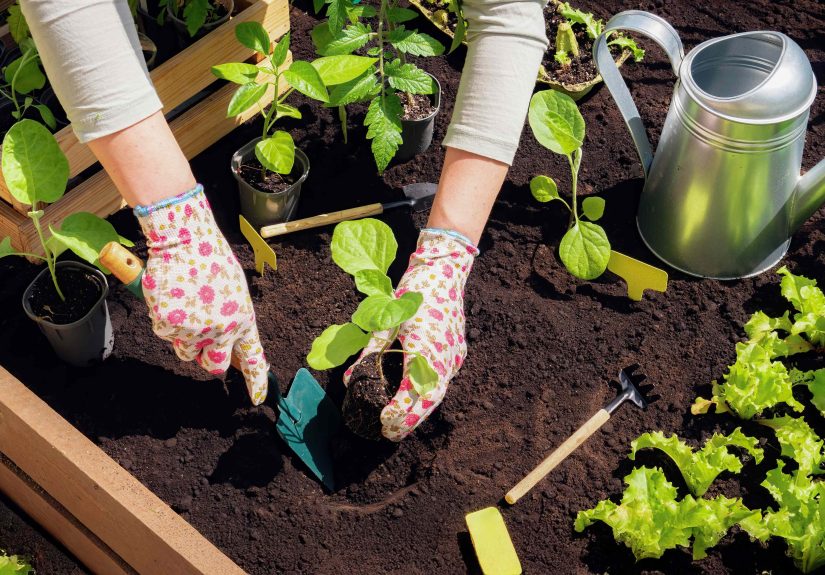
Transplanting is one of the most stressful events in a plant’s life. The roots are disturbed, the plant loses access to its cozy container environment, and suddenly it must deal with wind, real soil, brighter light, and temperature swings. Doing that in peak sun is like sending a houseplant to boot camp without a water bottle.
Why it causes problems
New transplants have limited root systems. They cannot pull water from surrounding soil as efficiently as established plants. Under harsh sunlight, their leaves keep losing moisture while their roots are still figuring out the new neighborhood. This can lead to severe wilting, leaf burn, transplant shock, stunted growth, and sometimes total plant loss.
Seedlings grown indoors or purchased from a nursery are especially vulnerable if they have not been hardened off. Hardening off means gradually exposing young plants to outdoor sun, wind, and temperature changes over several days. Skipping this step and planting them at noon is a fast way to turn tender seedlings into botanical toast.
What to do instead
Transplant in the late afternoon, early evening, or on a cool, cloudy, calm day. Water seedlings well before planting, handle roots gently, and water the soil thoroughly after transplanting. If the weather is hot, give new plants temporary shade for a few days with shade cloth, row cover, an overturned crate, or even a strategically placed lawn chair. Fancy? No. Effective? Absolutely.
For vegetables such as tomatoes, peppers, eggplants, cucumbers, squash, and herbs, the first 48 hours after transplanting matter a lot. Keep soil evenly moist but not swampy. Mulch lightly once plants are settled to moderate soil temperature and reduce evaporation.
2. Do Not Spray Fertilizers, Pesticides, or Leaf Treatments Under Blazing Sun
Peak sun is not the time to apply foliar fertilizer, insecticidal soap, horticultural oil, neem products, herbicides, or “miracle” garden tonics you bought during a moment of weakness at the garden center. Many sprays are useful when used correctly, but heat and strong sunlight can increase the risk of phytotoxicity, which is a science-y way of saying “chemical leaf damage.”
Why it causes problems
When sprays dry too quickly, they may leave concentrated residues on leaves. Some products can burn foliage when temperatures are high or when plants are drought-stressed. Fertilizer salts can also pull moisture from plant tissues, causing browning, yellowing, crispy leaf edges, and general plant drama. Pesticides may also drift more easily in hot, breezy weather, landing where they do not belong.
Even organic products can cause damage if applied at the wrong time. “Organic” does not mean “spray it with the confidence of a superhero.” Insecticidal soaps and oils, for example, work by direct contact and must be used according to label directions. In hot sun, they can injure leaves, especially on tender, drought-stressed, or thin-leaved plants.
What to do instead
Spray in the early morning or evening when temperatures are cooler, sunlight is softer, and beneficial insects are less active. Always read the label first, including temperature limits, plant warnings, dilution rates, and re-entry instructions. Test new sprays on a small area before treating the whole plant, especially on ornamentals, herbs, and vegetables with delicate leaves.
Better yet, diagnose before you spray. A few aphids are not a national emergency. Many pests can be managed with water sprays, hand removal, pruning out small infestations, floating row covers, or encouraging beneficial insects. Your garden does not need a chemical thunderstorm every time one beetle looks at a bean leaf funny.
3. Do Not Deep-Prune, Shape, or Cut Back Stressed Plants at Midday
Pruning can be healthy. It removes dead wood, improves airflow, shapes plants, and encourages strong growth. But heavy pruning during peak sun, especially in hot and dry weather, can do more harm than good.
Why it causes problems
Leaves are not just decorative plant confetti. They produce energy, shade stems and fruit, and help regulate water movement. When you remove too much foliage during hot weather, you reduce the plant’s ability to recover and expose previously shaded tissue to direct sunlight. This can cause sunscald on fruit, scorched stems, and extra water stress.
Trees and shrubs are particularly sensitive to unnecessary summer pruning when they are already stressed by heat or drought. Big pruning cuts are wounds. In hot weather, the plant must spend energy sealing those wounds while also trying to stay hydrated. That is a lot to ask from a hydrangea that already looks like it has seen the end of days.
What to do instead
Save major pruning for the proper season for that plant. Many trees and shrubs are best pruned during dormancy or after flowering, depending on species. In summer, limit yourself to removing dead, diseased, broken, or truly hazardous branches. Light deadheading of flowers is usually fine if the plant is hydrated and you work during cooler hours, but avoid hard cutbacks in the hottest part of the day.
For vegetables, be cautious with removing large amounts of tomato foliage during heat waves. Some airflow is good; stripping a plant bare is not. Leaves help shade fruit from sunscald. If you need to prune, do it early in the morning, use clean tools, and avoid taking more than necessary.
4. Do Not Mow a Heat-Stressed Lawn in Peak Sun
Lawns may look tough, but during summer heat they often shift into survival mode. Cool-season grasses, common in many parts of the United States, slow down or go dormant during hot, dry periods. Mowing them at noon is like asking someone to get a haircut while running a fever.
Why it causes problems
Mowing removes leaf surface, which grass uses for photosynthesis. During heat and drought, grass needs as much leaf area as possible to maintain energy and shade the crown, the growing point near the soil surface. Cutting too short or mowing when turf is drought-stressed can worsen browning, increase water loss, and make the lawn more vulnerable to weeds and disease.
There is also the human side. Mowing is hot, physical work. Pushing a mower during peak sun increases your risk of dehydration and heat illness. Even riding mowers reflect heat, dust, and glare. Your grass can wait. Your body is not a lawn ornament.
What to do instead
Mow in the morning after dew has dried or in the early evening when temperatures drop. Keep mower blades sharp so cuts are clean rather than ragged. Raise the mowing height during summer; taller grass shades the soil and helps roots stay cooler. Follow the one-third rule: never remove more than one-third of the grass blade at a time.
If the lawn is brown, crispy, or not actively growing, pause mowing until rain or irrigation revives it. And if you must mow during a warm spell, wear light clothing, take breaks, drink water, and do not try to win the imaginary Neighborhood Lawn Olympics. No trophy is worth heat exhaustion.
5. Do Not Do Heavy Weeding, Soil Turning, or Mulch Hauling in Peak Sun
Weeding seems harmless. Soil turning seems productive. Mulch hauling seems noble. But under peak sun, these tasks can stress both the garden and the gardener.
Why it causes problems
Pulling weeds in dry, hot soil can disturb plant roots, especially in crowded beds where desirable roots and weed roots are tangled together like earbuds in a backpack. Turning soil during hot, dry weather exposes moist lower layers to rapid evaporation and can disrupt soil life near the surface. Hauling mulch, compost, or bags of soil in blazing sun increases physical strain and heat risk.
Freshly exposed soil heats quickly. Bare soil loses moisture faster than covered soil, and nearby plants may respond by wilting. If you cultivate too deeply around vegetables, annuals, or shallow-rooted perennials, you can damage feeder roots just when plants need every root hair available.
What to do instead
Weed after a rain or after watering, when soil is softer and roots release more easily. Work in the morning or evening. Use a hoe lightly at the soil surface for tiny weeds, and hand-pull larger weeds with care. Add mulch after watering so the soil starts moist and stays cooler longer.
For big jobs, break the work into small sessions. Move mulch in batches. Use a cart instead of carrying bags across the yard like a tragic garden mule. Spread two to three inches of organic mulch around plants, keeping it away from stems and trunks. Mulch helps conserve soil moisture, moderate temperature, and suppress weeds, which means less emergency weeding later. That is not laziness. That is strategy wearing sunscreen.
What You Can Do During Peak Sun Instead
Peak sun does not mean you must hide indoors and whisper encouragement through the window. It simply means choosing low-stress tasks.
Good peak-sun garden tasks
Use the hottest part of the day for observation rather than intervention. Walk the garden briefly and look for patterns: which containers dry out first, which plants wilt and recover, where afternoon shade falls, and which beds need mulch. Take photos, make notes, sharpen tools indoors, clean seed trays, plan fall crops, or refill birdbaths with fresh water.
If a plant is severely wilted and the soil is dry, do not ignore it just because morning is “ideal.” Emergency watering is better than letting a plant collapse. The key is to water the soil, not blast the leaves. Use a gentle stream at the base of the plant and soak deeply enough to reach roots. A thirsty plant does not need a spa mist; it needs a drink.
Best Times of Day for Common Garden Chores
Early morning is usually the best time for watering, harvesting many vegetables, light weeding, and checking for pests. Temperatures are lower, plants are hydrated, and water has time to soak into the root zone before the day heats up.
Late afternoon and early evening are useful for transplanting, planting containers, deadheading, and doing moderate cleanup. Just avoid soaking foliage late at night, because leaves that stay wet for too long can encourage disease in some gardens.
Cloudy days are excellent for planting, transplanting, dividing perennials, moving containers, and catching up on chores that would be too stressful under full sun. Gardeners love cloudy days because plants complain less and humans make fewer noises that frighten the neighbors.
Experience Notes: What a Garden Pro Learns the Sweaty Way
Every experienced gardener has at least one peak-sun mistake story. Mine begins with a tray of pepper seedlings, a cheerful weather forecast, and the dangerous phrase, “This will only take a minute.” It did not take a minute. It took most of an afternoon, three bottles of water, and the emotional collapse of twelve pepper plants that had done nothing wrong except trust me.
The seedlings had been hardened off, but not enough. I planted them in full sun around lunchtime because the bed was ready and I was impatient. By 3 p.m., they looked like green ribbons left on a dashboard. I watered them, shaded them with whatever I could find, and gave them the kind of apology usually reserved for pets after stepping on a paw. Most survived, but they sulked for weeks. Lesson learned: plants may be rooted in place, but they absolutely have opinions.
Another lesson came from foliar feeding. Years ago, I sprayed a liquid fertilizer on container flowers during a hot afternoon. The label recommended cooler conditions, but I convinced myself that “warm” and “surface of the sun” were close enough. The next day, the leaves had brown edges and pale spots. The plants recovered eventually, but they looked rough for a while, like they had attended a garden party and lost a fight with the punch bowl.
Mowing taught me the human side of the same rule. A lawn can wait, but heat stress does not always announce itself politely. One summer, I decided to mow during a humid midday window before guests arrived. Halfway through, I felt lightheaded, cranky, and strangely determined to finish one more strip. That stubborn little voice is exactly why gardeners need rules. I stopped, went inside, cooled down, and finished near sunset. The guests did not inspect the lawn. They inspected the snacks. Another useful lesson.
Heavy pruning in heat is also a classic trap. When a shrub looks messy, it is tempting to attack it with pruners and a podcast. But I have seen over-pruned summer shrubs respond with scorched inner leaves, drooping stems, and weak regrowth. A better approach is to remove dead or damaged pieces, then wait for cooler weather before shaping. Plants recover better when they are not trying to heal wounds and survive a heat wave at the same time.
The smartest gardeners I know are not the ones who work hardest at noon. They are the ones who read the weather, watch the soil, and schedule chores around plant stress. They water deeply before heat arrives. They transplant when the sun is low. They keep mulch on the soil. They use shade cloth without feeling like they are cheating. They carry water for themselves as faithfully as they carry water for tomatoes.
My favorite trick is the “morning rescue lap.” Before the day gets hot, walk the garden with a hose, pruners, and a small bucket. Water containers, check young transplants, pull the obvious weeds, harvest anything ripe, and remove diseased leaves. Then stop. Not because everything is perfect, but because gardening is a long game. A little done at the right time beats a heroic amount done at the wrong time.
Peak sun makes every chore more dramatic. The soil dries faster, leaves lose moisture faster, sprays behave differently, and people get tired faster. Once you accept that, gardening becomes less of a wrestling match and more of a rhythm. Morning is for care. Evening is for planting and repairs. Midday is for planning, observing, and occasionally standing in the shade with iced tea while pretending to supervise the bees.
Conclusion
Peak sun is not evil. Many garden plants need plenty of sunlight to grow, flower, and fruit. The problem is timing stressful tasks when plants are already working hard to stay cool and hydrated. Transplanting, spraying, heavy pruning, mowing stressed turf, and major soil work are best saved for cooler hours or cloudy days.
A garden pro’s real secret is not a fancy tool or a mysterious fertilizer. It is timing. Do the right job at the right hour, and your plants will reward you with stronger roots, healthier leaves, better blooms, and fewer crispy surprises. Plus, you will spend less time staggering into the kitchen looking like you were personally defeated by a cucumber trellis.
Respect the sun, protect your plants, and remember: the garden will still be there after 4 p.m. Probably bigger. Possibly with more zucchini.