Table of Contents >> Show >> Hide
- What Is the $1 Green Smoothie?
- Why Green Smoothies Became So Popular
- The Budget Formula: How to Build a Green Smoothie for About $1
- A Simple $1 Green Smoothie Recipe
- Estimated Cost Breakdown
- Why This Smoothie Can Be a Smart Nutrition Choice
- How to Make It Taste Better Without Spending More
- Food Safety Tips for Green Smoothies
- Common Mistakes to Avoid
- Budget Shopping Tips for the $1 Green Smoothie
- Three Easy Variations
- Who Should Be Careful With Green Smoothies?
- My Real-Life Experience With the $1 Green Smoothie
- Conclusion: A Small Habit With Big Practical Value
A green smoothie that costs about one dollar sounds like something whispered in a grocery aisle by a budgeting wizard wearing spinach-colored robes. But no magic wand is required. With a few humble ingredients, smart shopping habits, and a blender that does not need to be fancier than a spaceship dashboard, you can make a healthy, filling, and surprisingly tasty green smoothie for around $1 per serving.
The idea behind The $1 Green Smoothie is simple: use affordable produce, keep the recipe flexible, skip expensive “wellness” add-ins, and build flavor with ingredients that actually earn their spot in the blender. No powdered moon dust. No imported berries that cost more than your phone bill. Just fruit, greens, liquid, and optional pantry boosters that turn a low-cost drink into a practical breakfast, snack, or post-school/work pick-me-up.
This article breaks down how to make a budget green smoothie, why it works nutritionally, how to keep it safe, and how to avoid the classic smoothie trapslike accidentally creating a 700-calorie dessert with a leaf floating in it and calling it “health.”
What Is the $1 Green Smoothie?
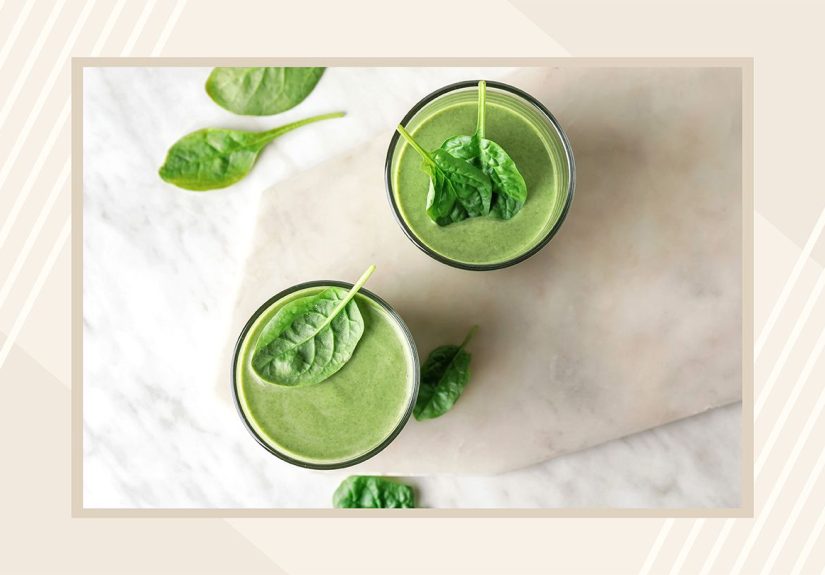
The $1 Green Smoothie is a low-cost smoothie built around inexpensive, nutrient-rich ingredients such as banana, spinach or kale, water or milk, and a small amount of fruit for sweetness. The goal is not to make the fanciest smoothie on the internet. The goal is to make one you can actually repeat without checking your bank balance afterward.
A basic version might include:
- 1 ripe banana
- 1 cup fresh or frozen spinach
- 1/2 cup frozen mango, pineapple, or berries
- 3/4 to 1 cup water, milk, or unsweetened soy milk
- Optional: 1 tablespoon oats, peanut butter, or yogurt
Depending on local grocery prices, store brand options, seasonal produce, and whether you buy frozen ingredients in larger bags, this smoothie can land close to the one-dollar mark. Prices vary by region and month, so think of $1 as a practical target rather than a legally binding contract with your banana.
Why Green Smoothies Became So Popular
Green smoothies became popular because they solve a common problem: many people want to eat more fruits and vegetables, but they do not always want to chew through a mountain of salad at 7:30 in the morning. A smoothie makes greens easier to include, especially for people who are busy, picky, or still emotionally recovering from a childhood encounter with boiled vegetables.
Blending fruits and vegetables keeps much of the fiber in the drink, unlike juicing, which often removes pulp. That fiber helps with fullness and supports digestive health. A smoothie can also be customized quickly. Add more greens for a lighter drink, oats for staying power, yogurt for creaminess, or peanut butter for a richer flavor.
The trick is balance. A green smoothie should not be fruit juice wearing a green Halloween costume. If the drink is mostly juice, sweetened yogurt, honey, and five servings of fruit, it may taste amazingbut it will act more like dessert than a smart everyday smoothie.
The Budget Formula: How to Build a Green Smoothie for About $1
1. Start With an Affordable Sweet Base
Bananas are the unofficial mayor of budget smoothies. They are widely available, naturally sweet, creamy when blended, and easy to freeze when they get too ripe. One medium banana can make a smoothie taste smooth and sweet without needing added sugar.
If bananas are not your favorite, try applesauce with no added sugar, frozen mango, canned pineapple packed in juice and drained, or seasonal fruit bought on sale. The cheapest fruit is often the fruit that is in season, on promotion, or hiding in your freezer before it turns into a science project.
2. Use Frozen Greens When Possible
Fresh spinach is convenient, but frozen spinach can be cheaper and lasts much longer. Frozen greens are especially useful if you make smoothies several times a week. They also help chill the drink without needing extra ice, which can water down flavor.
Spinach has a mild taste, making it the easiest green for beginners. Kale is stronger and earthier, so use less at first. If your smoothie tastes like lawn clippings after a thunderstorm, reduce the kale and let banana or pineapple do some diplomacy.
3. Choose a Low-Cost Liquid
Water is the cheapest smoothie liquid, and it works surprisingly well when you use banana or frozen fruit for body. Milk, unsweetened soy milk, or plain yogurt can make the smoothie creamier and add protein. If you are watching costs closely, use mostly water and add a splash of milk for texture.
Skip fruit juice for everyday smoothies. Juice adds sweetness, but it also increases sugar quickly without adding the same fullness as whole fruit. A ripe banana usually does the sweetening job just fine.
4. Add a Pantry Booster Only When It Helps
A tablespoon of oats can make the smoothie more filling. A small spoonful of peanut butter can add flavor and healthy fat. Plain yogurt can add creaminess and protein. These add-ins are useful, but they are not required every time.
The best budget smoothie strategy is not “add everything.” It is “add the one thing that solves the problem.” Too thin? Add oats or frozen banana. Not filling enough? Add yogurt or peanut butter. Too green-tasting? Add pineapple or mango. Too thick? Add liquid and stop making blender cement.
A Simple $1 Green Smoothie Recipe
Ingredients
- 1 medium ripe banana, fresh or frozen
- 1 cup spinach, fresh or frozen
- 1/2 cup frozen mango or pineapple
- 3/4 cup cold water
- 1 tablespoon rolled oats, optional
- 1 teaspoon peanut butter, optional
Instructions
- Add the liquid to the blender first.
- Add spinach, banana, and frozen fruit.
- Add oats or peanut butter if using.
- Blend for 30 to 60 seconds, or until smooth.
- Taste and adjust. Add more water if too thick or more frozen fruit if too thin.
This recipe is flexible. If mango is expensive, use pineapple. If spinach is cheaper frozen, use frozen. If you have milk that needs to be used, swap it in. The $1 Green Smoothie is not a rigid recipe; it is a survival plan for your breakfast routine.
Estimated Cost Breakdown
Exact prices depend on where you shop, but a practical cost breakdown might look like this:
- Banana: about $0.20 to $0.35
- Spinach: about $0.20 to $0.40 when bought frozen or in a large fresh package
- Frozen fruit: about $0.25 to $0.45
- Water: nearly free
- Oats or peanut butter: about $0.05 to $0.15 per serving
That puts the total around $0.70 to $1.35 per smoothie in many kitchens. To stay closer to $1, buy store brands, use frozen produce, avoid single-serve smoothie packs, and choose fruit based on price instead of online smoothie fashion trends. Acai may be lovely, but your wallet may prefer bananas and mango.
Why This Smoothie Can Be a Smart Nutrition Choice
A well-built green smoothie can help you include more fruits and vegetables in your day. Spinach and kale provide vitamins, minerals, and plant compounds. Fruit adds natural sweetness, fluid, and fiber. Oats can add extra fiber and make the drink more satisfying. Milk, soy milk, yogurt, or nut butter can add protein or healthy fats.
The most important word here is well-built. A smoothie is only as healthy as what you put in it. A drink made with greens, fruit, and plain liquid is very different from one made with sweetened yogurt, juice, syrup, and a scoop of candy-flavored protein powder. The blender does not magically cancel sugar. It is powerful, yes, but it is not a wizard.
Fiber Helps With Fullness
Because smoothies use whole fruits and vegetables, they usually keep fiber in the mix. Fiber helps add volume and can make a smoothie feel more satisfying than a sugary drink. For better fullness, include a balance of fruit, greens, and optional protein or fat.
Greens Add Nutrients Without Taking Over
Spinach is the beginner-friendly green because it blends smoothly and has a mild flavor. Kale is nutrient-rich but more noticeable. Romaine, cucumber, and even a little celery can work too, but spinach is the easiest place to start.
Fruit Makes It Taste Like Something You Want to Drink
Fruit is not the enemy. Fruit helps make a green smoothie enjoyable, and enjoyment matters. A smoothie you hate will not become a habit. The key is using enough fruit for flavor without turning the drink into a fruit-only sugar parade.
How to Make It Taste Better Without Spending More
Cheap smoothies do not have to taste cheap. The secret is using ingredients strategically.
- Freeze ripe bananas: They add sweetness and creaminess.
- Use pineapple or mango: Tropical fruit hides the flavor of greens beautifully.
- Add lemon or lime juice: A small splash brightens the flavor.
- Use cinnamon: It makes banana and oats taste warmer and richer.
- Blend longer: A smoother texture makes the drink taste more polished.
Texture matters more than people admit. A gritty smoothie feels like a punishment from the blender gods. Add liquid first, blend long enough, and avoid overloading the blender with too many frozen ingredients at once.
Food Safety Tips for Green Smoothies
Since green smoothies often use raw produce, basic food safety matters. Wash fresh fruits and vegetables under running water before cutting or blending. Keep cutting boards, knives, counters, and blender parts clean. Do not wash produce with soap, detergent, or bleach. Your smoothie should taste like fruit and greens, not like a tragic bubble bath.
If you use prewashed greens labeled ready-to-eat, follow the package instructions. Store perishable ingredients in the refrigerator or freezer. Drink smoothies soon after blending, or refrigerate them in a covered container and use them within a reasonable time. If it smells strange, looks separated in a scary way, or has been sitting out too long, do not negotiate with it. Throw it out.
Common Mistakes to Avoid
Mistake 1: Using Too Much Juice
Juice can make smoothies taste good, but it can also turn them into sugary drinks quickly. Use water, milk, or unsweetened alternatives most of the time.
Mistake 2: Adding Too Many Expensive Extras
Chia seeds, flaxseed, protein powder, collagen, matcha, and specialty powders can all increase the cost. Some may be useful, but none are required for a basic green smoothie. A budget smoothie should not need a financial advisor.
Mistake 3: Forgetting Protein
If you want the smoothie to act like breakfast, consider adding plain yogurt, milk, soy milk, peanut butter, or another protein source. If it is just fruit and greens, it may work better as a snack.
Mistake 4: Making It Too Big
Smoothies can become enormous without looking like much. A banana here, a cup of fruit there, peanut butter, yogurt, oats, and suddenly your “light snack” has become a blended buffet. Use measuring cups at first until you learn what a reasonable serving looks like.
Budget Shopping Tips for the $1 Green Smoothie
The best smoothie budget starts before you turn on the blender. Buy bananas when they are slightly spotted; they are sweeter and sometimes discounted. Freeze peeled banana slices in a bag so they are ready to blend. Choose frozen spinach, kale, mango, pineapple, or berries when fresh options are costly. Store brands are often just as useful in smoothies as name brands.
Also, compare unit prices. A large bag of frozen fruit may cost more upfront but less per serving than a small bag. The same is true for oats and peanut butter. If you shop with a list, you are less likely to wander into the snack aisle and return with cookies, chips, and no spinach. We have all been there. The snack aisle has excellent lighting and no conscience.
Three Easy Variations
1. Tropical Green Smoothie
Blend banana, spinach, frozen pineapple, water, and a squeeze of lime. This is the best version for people who are suspicious of green drinks. Pineapple walks into the blender and says, “Relax, I’ve got this.”
2. Creamy Peanut Banana Green Smoothie
Blend banana, spinach, water or milk, oats, and a teaspoon or tablespoon of peanut butter. This version is more filling and works well as a quick breakfast.
3. Berry Green Smoothie
Blend spinach, banana, frozen berries, and milk or soy milk. The color may turn purple-brown instead of bright green, but do not panic. It tastes better than it looks. Some smoothies are not photogenic; they are simply delicious in private.
Who Should Be Careful With Green Smoothies?
Most people can enjoy green smoothies as part of a balanced diet, but some people may need to adjust ingredients. If you have diabetes, kidney disease, food allergies, digestive issues, or take medications affected by vitamin K, talk with a qualified healthcare professional about what ingredients make sense for you. This is especially relevant if you plan to drink large green smoothies every day.
Also, a smoothie should not replace every meal. It can be a helpful breakfast or snack, but your body still appreciates chewing food. Teeth like having a purpose.
My Real-Life Experience With the $1 Green Smoothie
The first time I tried making a cheap green smoothie, I approached it with the confidence of a person who had watched exactly three recipe videos and therefore believed I was unstoppable. I tossed spinach, banana, frozen fruit, oats, and water into the blender. Then I added more spinach because health. Then more oats because breakfast. Then less water because I wanted it thick. What came out was not a smoothie. It was green pudding with ambition.
Lesson one: budget smoothies are easy, but proportions matter. A good $1 Green Smoothie needs enough liquid to move, enough fruit to taste pleasant, and enough greens to be useful without making the drink taste like the bottom of a lawn mower. After a few tries, the winning formula became simple: one banana, one generous handful of spinach, half a cup of frozen pineapple or mango, and enough water to help the blender do its job without filing a complaint.
The second lesson was that frozen ingredients are the budget hero. Fresh spinach is great, but if you forget it in the fridge for a week, it becomes a sad green cloud. Frozen spinach is patient. Frozen fruit is patient. Frozen banana slices are basically smoothie gold. When ingredients wait quietly in the freezer, you waste less food and make fewer emergency grocery trips.
The third lesson was that the smoothie does not need to be complicated. At one point, I tried adding every “healthy” thing in the kitchen: flaxseed, cinnamon, peanut butter, oats, yogurt, three kinds of fruit, and enough spinach to frighten a rabbit. The result was fine, but it was no longer a $1 smoothie. It was a blender-based committee meeting. Now I choose one booster at a time. Oats if I need fullness. Peanut butter if I want richness. Yogurt if I want creaminess. That is it.
The best part of the $1 Green Smoothie is that it makes healthy eating feel less dramatic. You do not need a complete lifestyle makeover. You do not need a refrigerator that looks like a wellness influencer arranged it with tweezers. You just need a few affordable ingredients and a repeatable habit. On busy mornings, it is faster than cooking. On lazy afternoons, it beats buying an expensive drink. And when your banana starts looking too spotted for polite society, it gets a second career in the freezer.
Over time, I learned that the most sustainable smoothie is the one you can make when life is normal, not perfect. If the mango runs out, use berries. If milk is expensive, use water. If fresh greens are not available, use frozen. If the smoothie turns out too thick, add liquid and blend again. The $1 Green Smoothie is forgiving, flexible, and practicalthe kind of recipe that does not judge you for eating toast over the sink five minutes later.
Conclusion: A Small Habit With Big Practical Value
The $1 Green Smoothie proves that healthy habits do not have to be expensive, complicated, or dressed up in luxury grocery-store language. With banana, greens, frozen fruit, and a simple liquid, you can create a budget-friendly smoothie that tastes good, supports better produce intake, and fits into real life.
The smartest version is balanced: not too much juice, not too many pricey extras, and not so many ingredients that your blender needs emotional support. Keep it simple, keep it flexible, and let your freezer do some of the heavy lifting. Whether you drink it for breakfast, as an afternoon snack, or as a way to rescue ripe bananas from the edge of doom, this smoothie earns its place in a budget-conscious kitchen.