Table of Contents >> Show >> Hide
If your garden feels a little too polite by midsummer, dahlias are the answer. These blooms do not whisper. They arrive in rich jewel tones, creamy pastels, sunset oranges, velvety reds, and enough petal drama to make ordinary annuals look like they forgot to get dressed. From compact border plants to giant dinnerplate showstoppers, dahlias can fill containers, cutting beds, cottage borders, and late-season landscapes with color from summer into fall.
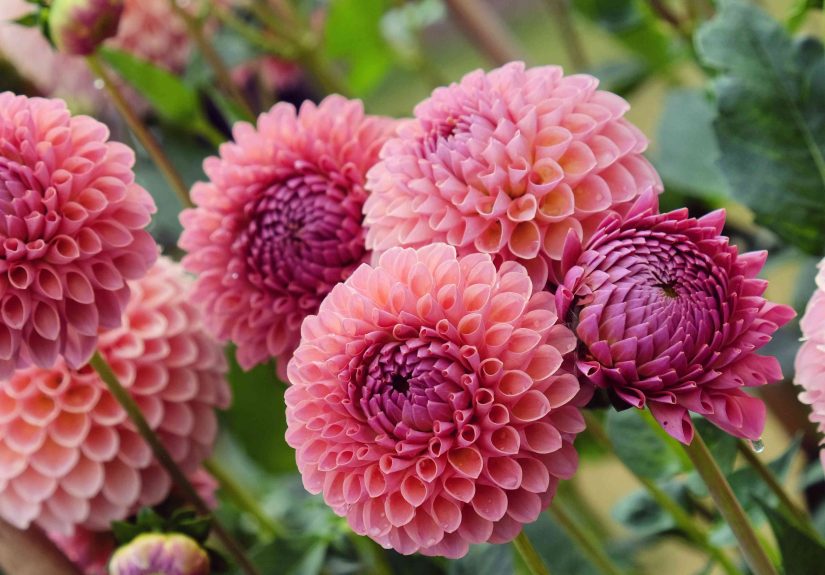
Part of the reason gardeners fall hard for dahlias is variety. Some are tidy and geometric, like little floral honeycombs. Others are loose, frilly, and slightly chaotic in the most charming way possible. Some have dark foliage that makes the flowers glow even brighter. Others are practically made for bouquets, wedding work, or that one vase on the kitchen table that suddenly makes you feel like you have your life together.
This guide breaks down 65 standout dahlia varieties worth growing, along with practical advice on how to choose the right ones for your space. Whether you want giant blooms for backyard bragging rights, round ball dahlias for cutting, or compact varieties for containers, there is a dahlia here with your name on it. Possibly in all caps. With glitter.
Why Dahlias Earn Their Keep
Dahlias are not just pretty faces. They bloom for a long season, come in an astonishing range of flower forms, and work hard in the garden when many spring flowers have already taken a nap. In warm regions, tubers can often stay in the ground. In colder climates, gardeners usually lift and store them after frost, which sounds complicated until you do it once and realize it is mostly a matter of timing, labeling, and resisting the urge to say, “I’ll definitely remember which tuber is which.” You will not.
They are also incredibly flexible in design. Large decorative and dinnerplate types command attention at the back of a border. Ball and pompon dahlias are florist favorites because they hold their shape beautifully. Single, mignon, collarette, and anemone forms add movement and a more relaxed look. If you want a cutting garden, dahlias are practically the overachievers of the group project.
How to Choose the Right Dahlia Type
Go big if you want drama
Dinnerplate and large decorative dahlias are the headline acts. They are ideal if you want major impact in beds and bouquets, but many need staking because giant flowers and summer storms are not always best friends.
Choose ball and pompon types for cutting
These varieties usually have rounded, tightly packed petals and excellent vase presence. They read polished, structured, and elegant in arrangements, which is a fancy way of saying they look expensive even when you grew them next to a tomato cage.
Pick singles, collarettes, and anemones for a lighter look
If you prefer a looser, more naturalistic garden, these forms feel less formal than the fully double types. They also pair especially well with grasses, cosmos, zinnias, and cottage-garden companions.
Think about height before planting
Compact border dahlias are excellent for containers, front-of-bed placement, and smaller gardens. Tall varieties belong where they will not block everything else or collapse onto a pathway like dramatic Victorian fainting couches.
65 Dahlia Varieties Worth Growing
Dinnerplate and Decorative Showstoppers
- Mango Madness A warm, glowing giant with sunset tones that reads like peach, apricot, pink, and gold all at once.
- Penhill Watermelon Huge, shaggy, painterly blooms in soft watermelon shades make this one a favorite for romantic borders and bouquets.
- Maya Compact for a decorative type, but loaded with soft blended tones that look polished without feeling stiff.
- Cafe au Lait The famous blush-beige beauty that became a floral celebrity for very good reason.
- Cafe au Lait Royal A richer, pinker cousin with streaks and color variation that keeps every bloom interesting.
- Kelvin Floodlight A giant yellow dahlia that looks like somebody turned a sunflower into a luxury item.
- Thomas Edison Deep purple and full-petaled, this classic still earns a prime spot in dramatic plantings.
- Labyrinth Curled and twisted petals in rose, apricot, and pink give it a watercolor effect in the garden.
- Fleurel Crisp white and beautifully full, perfect for cooling down hot summer color palettes.
- Break Out Soft blush tones and oversized blooms make this one feel made for florist buckets and bridal work.
- Belle of Barmera Large rosy-pink flowers with serious presence and a strong “look at me” personality.
- Lilac Time A soft purple giant that brings elegance without trying too hard.
- Great Silence Peachy, apricot, and pink shades blend into one of the prettiest muted dahlias around.
- Blizzard A tall, clean white variety that shines in moon gardens, cutting beds, and all-white combinations.
- Ace Summer Sunset Bold orange with yellow warmth, like a sunset that decided subtlety was overrated.
Ball and Pompon Dahlias for the Cutting Garden
- Jowey Frambo Raspberry-toned ball blooms with superb form and long-lasting appeal in arrangements.
- Cornel A beloved cut-flower variety with rich red, perfectly rounded blooms and reliable performance.
- Cornel Bronze The warm coppery-orange sibling that glows in late-summer and autumn plantings.
- Burlesca Small, round, durable flowers with lively pink-purple energy and excellent bouquet value.
- Eveline Antique white touched with lavender and a soft center that makes it feel refined and romantic.
- Wizard of Oz Pastel pink pompons that look sweet in borders and absurdly cute in small arrangements.
- Small World Mini white pompons with blush undertones, ideal for weddings and elegant mixed bouquets.
- Golden Scepter Bright yellow, symmetrical, and cheerful enough to lift any planting scheme.
- Jowey Winnie A lovely pink ball dahlia that brings a softer, more classic look to the cutting patch.
- Sylvia A warm orange ball dahlia that adds glowing color without the bulk of giant flowers.
- Petra’s Wedding Clean white ball blooms that feel crisp, polished, and very easy to pair with everything.
- Boom Boom White Puffy, bright, and dependable for anyone who wants white flowers with strong vase appeal.
- Ivanetti Deep plum-purple pompons with moody color and a tidy, formal flower shape.
Dark, Dramatic, and Slightly Theatrical Picks
- Arabian Night Deep maroon blooms so dark they often read as black from a distance.
- Black Narcissus Spiky, semi-cactus flowers in near-black burgundy for maximum gothic garden energy.
- Karma Choc Dark flowers plus dark foliage equals instant contrast and serious cutting-garden style.
- Diva Rich wine-purple flowers that look luxurious without becoming fussy.
- Verrone’s Obsidian A striking orchid form with pointed petals and a dramatic, dark look.
- David Howard Warm orange flowers set against bronzy foliage for built-in color contrast.
- Bishop of Llandaff One of the great classics, with red blooms and chocolate foliage that practically glows.
- HS Date A single-flowered dahlia with melon tones and dark foliage that attracts admiring glances fast.
- HS Flame Bright red single blooms over near-black foliage create a bold, modern garden statement.
- Fascination Rose-pink semi-double flowers and dark stems give this variety a lively, airy elegance.
- Envy Large, rich red blooms with a strong traditional garden presence.
- Radar Deep plum petals tipped in white give it a dramatic, hand-painted look.
- Rip City A rich red decorative dahlia with velvety depth and excellent late-season moodiness.
- Engelhardt’s Matador Vivid pink-purple blooms and attractive stems make this one a memorable border choice.
Unusual Forms and Conversation-Starters
- Karma Sangria Semi-cactus petals mix yellow and salmon-pink in a bloom that practically crackles with color.
- Terracotta Soft, earthy peach-rose tones make this a brilliant partner for ornamental grasses and bronze foliage.
- Peaches n’ Cream Each plant throws slightly different peach, pink, and white combinations, which keeps things fun.
- Tsuki Yori No Shisha Long, narrow white petals create an almost feathery, starburst effect.
- Jessica A cactus type with buttery yellow petals tipped in flame red, and yes, it knows it looks fabulous.
- My Love A white cactus dahlia that feels both crisp and whimsical at the same time.
- Pooh A cheerful collarette dahlia in red and yellow tones that brings instant cottage-garden charm.
- Honka Pink Star-shaped, open, and playful, perfect for gardeners who want something less formal.
- Dad’s Favorite An anemone-flowered variety with a tufted center and plenty of personality.
- Pam Howden Waterlily-form blooms in orange-coral shades, ideal when you want a softer petal silhouette.
- Duet Red petals tipped in white give this mid-sized variety a crisp, high-contrast look.
- Chinese Lantern Big orange blooms that bring fiery color to the border without apology.
- Penn’s Gift Huge pink flowers for gardeners who believe bigger is better and have the staking to prove it.
Compact, Border-Friendly, and Container Stars
- G.F. Hemerik A dwarf mignon type with bright orange-toned flowers that works beautifully near the front of beds.
- Gallery Art Deco Coral-pink border dahlia with big flowers on compact plants, perfect for patios and pathways.
- Gallery Singer Scarlet-red blooms on shorter plants that still flower like overachievers.
- Gallery Pablo A compact variety in melon, rose, and soft yellow shades that thrives in containers and small spaces.
- Melody Dora A neat border dahlia with polished form and strong color for formal or mixed plantings.
- Melody Allegro Bright, cheerful, and compact, this one is tailor-made for front borders and patio pots.
- Happy Single Flame Open-faced blooms and dark foliage give you strong contrast plus a lighter visual texture.
- Scura Dwarf, vivid, and free-flowering, excellent for edging and long-season color.
- Fashion Monger A playful collarette-style dahlia that adds movement and a less formal garden feel.
- Edge of Joy An anemone-flowered variety with striking contrast and enough flair to wake up any container display.
How to Make These Varieties Look Their Best
Plant tall dahlias where they can be staked early and allowed to grow upright. Add supports when the plants are young, not after they have already become floppy masterpieces of chaos. Use compact border varieties in containers, along walkways, or near the front of mixed beds. Pair giant decorative forms with grasses, cosmos, zinnias, rudbeckia, and salvias for a late-summer border that looks busy in the best way.
For bouquets, focus on ball, pompon, and smaller decorative types such as Cornel, Jowey Frambo, Wizard of Oz, and Eveline. For wow-factor focal points, pick Cafe au Lait, Kelvin Floodlight, Thomas Edison, or Penn’s Gift. If your taste runs moodier, mix Arabian Night, Karma Choc, and Bishop of Llandaff with silver foliage or pale flowers for sharp contrast.
Real-World Growing Experience: What Dahlias Teach You Fast
The first time you grow dahlias, you think you are planting flowers. By August, you realize you have joined a lifestyle. You start the season with a few tubers and perfectly reasonable expectations. Then one bloom opens, and suddenly you are walking outside before breakfast to “just check on them,” which is gardener language for standing in the yard in pajamas, staring proudly at a flower the size of a salad plate.
One of the biggest lessons dahlias teach is that planning matters. The varieties that look calm and manageable in spring can become surprisingly ambitious by midsummer. Tall types need support early. Compact types deserve prime placement where their bloom power can be appreciated. And color planning, which seems optional in April, becomes very real once hot orange, soft blush, dramatic burgundy, and buttery yellow are all flowering at once. Dahlias are generous, but they are not shy.
Another lesson is that cutting flowers actually helps. New growers often hesitate to snip those first beautiful blooms, but dahlias reward harvesting and deadheading with more flowers. A lot more. Once you start bringing stems indoors, the garden becomes more productive, not less. That is one of the most satisfying parts of growing them. The flowers are not precious museum pieces. They are meant to be enjoyed in the yard, in bouquets, on the table, and in the hands of anyone lucky enough to get a bunch.
Dahlias also sharpen your eye. You start noticing the difference between a formal ball bloom and a looser decorative form. You realize that some flowers are excellent from ten feet away, while others are magical up close. A variety like Cornel wins for structure. Labyrinth wins for painterly petals. Bishop of Llandaff wins for foliage contrast. Wizard of Oz wins for pure charm. Before long, you are not just growing dahlias. You are developing opinions about them, which is how hobbies quietly become obsessions.
There is also the tuber issue. At the end of the season, lifting and storing tubers can feel like homework, especially if you forgot to label anything. But it becomes easier every year. You learn which varieties were worth saving, which ones bloomed earliest, which handled heat best, and which flopped like divas after a storm. That kind of firsthand knowledge is more useful than any catalog description because it is tailored to your garden, your weather, and your growing style.
Most of all, dahlias teach patience followed by abundance. They do not explode out of the gate in cool spring weather the way tulips or daffodils do. They make you wait. Then, when summer settles in and many other flowers start fading, dahlias hit their stride and keep going. That long arc of anticipation followed by weeks of bloom is exactly why gardeners stay loyal to them. They turn late summer into peak season. And once you have had a garden full of dahlias glowing in evening light, ordinary flower beds can feel a little underdressed.
Conclusion
If you want a garden that feels lush, colorful, and full of personality from midsummer to frost, dahlias are one of the smartest plants you can grow. The trick is choosing varieties that match your space and your style. Giant decorative types bring the drama. Ball and pompon forms carry the cutting garden. Singles, collarettes, and anemones add movement and charm. Compact border varieties make containers and smaller beds look far more expensive than they are. Choose a few with intention, stake the tall ones early, cut generously, and prepare to become the kind of person who casually says things like, “I’m really into form and stem length this year.”