Table of Contents >> Show >> Hide
There are plenty of acceptable fake things in life. Fake eyelashes? Fine. Fake plants? Sometimes necessary. Fake confidence before a job interview? Practically a national pastime. But fake Santa beards? That is where the heart starts asking difficult questions.
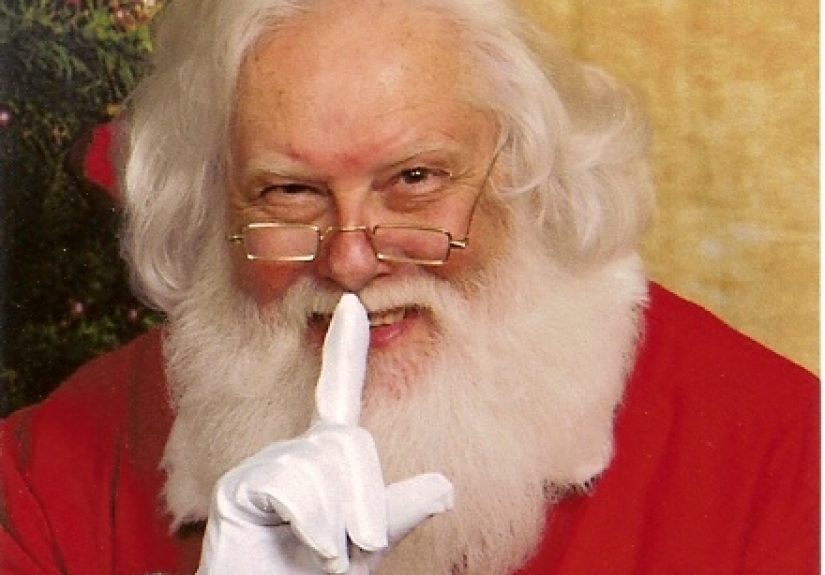
A real-bearded Santa just hits differently. He does not look like he sprinted out of a discount costume aisle five minutes before story time. He looks like he has been aging gently in a snow globe, drinking cocoa, answering letters, and maintaining excellent relationships with reindeer. The beard moves naturally. The smile lands better. The whole picture feels less like “holiday appointment” and more like “you may have just met the North Pole branch manager.”
That is what makes real-bearded Santas worthy of a spot on 1000 Awesome Things. They represent one of those rare, charming corners of modern life where professionalism, nostalgia, performance, kindness, and a little theatrical fluff all work together. Yes, Santa is a character. But the best real-bearded Santas make that character feel warm, believable, and deeply human. In a season that can sometimes feel like a sprint through crowded stores and blinking lights, they slow the room down and turn it into something memorable.
Why Real-bearded Santas Feel More Magical
The magic starts with credibility. A real beard gives Santa a kind of visual honesty. Children may not be conducting a formal beard audit, but they are excellent noticers. They can detect tension in a room, spot costume weirdness from several yards away, and ask devastatingly direct questions. A beard that grows from an actual face helps remove one layer of distraction. Instead of wondering whether the whiskers are attached with glue and hope, kids can focus on the bigger business at hand: presents, promises, and whether the reindeer are unionized.
Adults feel the difference too. For parents and grandparents, a real-bearded Santa often restores an older version of Christmas wonder. He feels rooted in tradition rather than assembled for efficiency. He resembles the Santa from childhood picture books, vintage window displays, and department-store memories. Even people who insist they are “just there for the kids” usually soften the second a convincing Santa says hello in that calm, practiced voice. A real-bearded Santa does not simply pose for a photo. He anchors the atmosphere.
And that atmosphere matters. Holiday rituals are built from tiny details: the smell of pine, the squeak of winter boots, the sound of wrapping paper, the ridiculous emotional power of a well-timed bell. A convincing Santa belongs in that sensory collection. He is part costume, part storyteller, part public comfort blanket. The beard is not the whole job, but it is the first handshake with the imagination.
The Long, Jolly History Behind the Beard
From saintly legend to American icon
The Santa Americans recognize today did not arrive fully formed in a red velvet suit with excellent posture. He evolved over time from a mix of traditions linked to Saint Nicholas, Father Christmas, Dutch Sinterklaas, and other European winter gift-givers. Over the 19th century, literature and illustration helped shape the now-familiar Santa image: cheerful, bearded, generous, larger than life, and somehow capable of impressive home-entry logistics.
That history matters because the beard is not an accessory tacked onto Santa at the last minute. It is part of the iconography. Santa’s beard signals age without frailty, authority without stiffness, and warmth without needing to say a word. It suggests wisdom, patience, and a complete lack of hurry. In other words, it looks like the face of someone who has heard every wish, every excuse, and every last-minute toy request since approximately forever.
How Santa moved into American public life
Once Santa became a recognizable figure in American culture, businesses realized he was not just beloved, but also wildly useful. Department stores and later shopping malls understood that a live Santa could do something advertising alone could not: create an event. Suddenly, a shopping trip became a family tradition. Christmas moved from being only something celebrated at home to something staged in public, complete with decorated windows, toy departments, special displays, and eventually elaborate Santa experiences.
This is where the real-bearded Santa became especially powerful. He turned holiday retail into holiday theater. A good Santa did not simply sit in a chair while children queued for a picture. He welcomed families into a tiny performance of belief. The set mattered. The lighting mattered. The throne mattered. But the beard mattered too, because it completed the illusion that this was not just an actor in a red suit. This was Santa, temporarily working retail for the good of the people.
Being Santa Is an Actual Craft
Yes, there are Santa schools
One of the most delightful truths about this whole subject is that Santa is not just a seasonal costume gig. It is a specialty. Professional Santas train for the work, and some even attend formal Santa schools. That sentence alone deserves respect. Somewhere in America, adults are studying to become better Santas, and honestly, that is a beautiful use of human ambition.
The professional side of Santa work includes wardrobe standards, grooming, voice control, character development, improvisation, etiquette, photography posture, child interaction, and often community service. The best Santas know how to handle a shy toddler, a skeptical eight-year-old, a grieving parent, a child with a sensory challenge, and an adult who mostly wants a funny office party photo but ends up unexpectedly emotional. That is not random cheerfulness. That is trained performance mixed with real empathy.
A real-bearded Santa has to go even further because authenticity raises expectations. If the beard says “North Pole executive leadership,” the behavior has to match. The performer needs warmth, patience, and the kind of calm presence that can settle a nervous room in seconds. He also needs to listen. Great Santas are not only talkers. They are listeners in a red suit.
The beard is commitment, not decoration
A real beard also signals dedication. It implies that being Santa is not something this person does for one chaotic Saturday in December between errands. It suggests year-round maintenance, planning, grooming, and intentionality. The beard is a lifestyle choice with seasonal dividends. While a fake beard says, “I am dressed as Santa,” a real beard quietly says, “I have been preparing for this for months, perhaps spiritually.”
And unlike many holiday shortcuts, this one does not feel cynical. It feels generous. A real-bearded Santa is choosing to help other people believe more easily. That is effort directed toward delight, which is far more noble than, say, creating one more peppermint-flavored candle no one asked for.
What Real-bearded Santas Actually Deliver
On paper, Santa’s job looks simple: smile, wave, laugh, pose, ask what people want for Christmas. In reality, real-bearded Santas often do much more. They become emotional translators during the most sentimental month of the year. Children tell them their wish lists, of course, but they also tell them worries. Adults joke around, then reveal family stories. People ask for toys, but they also ask for health, peace, jobs, pets, and one more holiday with someone they love.
This is where the role stops being kitschy and starts being quietly meaningful. A skilled Santa knows when to keep the moment light and when to make room for something real. He knows how to reassure a frightened child without overwhelming them. He knows how to offer attention without rushing. He knows how to make a child with a disability, a family using sign language, or a parent holding things together by coffee and sheer willpower feel seen instead of processed.
That kind of interaction is why real-bearded Santas remain culturally relevant even in an age of online shopping and digital everything. People are not just paying for a photo. They are showing up for a feeling: wonder, continuity, comfort, delight, maybe even a brief break from the harshness of ordinary life. A real-bearded Santa can deliver that in under three minutes. That is efficiency with soul.
Why Real-bearded Santas Belong on a List of Awesome Things
Awesome things are rarely awesome because they are flashy. They are awesome because they make life feel richer, warmer, funnier, or more human. Real-bearded Santas do all four. They create a tiny island of sincerity in the middle of one of the most commercial seasons on the calendar. They remind people that tradition still works when it is done well. They prove craftsmanship can exist even in the silliest-seeming roles. And they offer a form of joy that is not ironic, not complicated, and not trying to be cool.
That last part matters. Real-bearded Santas are gloriously uncool in the best possible way. They are not optimizing a brand strategy while leaning against an exposed-brick wall. They are not pretending to be too sophisticated for holiday sentiment. They are fully committed to kindness, costume, character, and communal magic. That kind of earnestness is rare. It should be protected like fragile vintage ornaments.
They also make public spaces feel softer. A mall becomes less exhausting when Santa is there. A town square becomes more than decorative. A holiday market becomes a story. A parade becomes tradition rather than traffic with sequins. Real-bearded Santas do not just fill a role. They change the emotional temperature of a place.
Conclusion
#971, real-bearded Santas, earns its place among awesome things because it celebrates authenticity in the most cheerfully theatrical way possible. These performers sit at the intersection of history, holiday culture, community ritual, and plain old human warmth. They carry forward a tradition that has evolved over generations, but they keep it feeling alive in the present tense. Their beards may be the headline, but their real gift is credibility, care, and the ability to make strangers smile at each other in public without suspicion. That is practically a Christmas miracle.
In a world full of shortcuts, a real-bearded Santa feels like the long way around in the best sense. He looks right, sounds right, listens well, and brings with him the kind of old-fashioned seasonal magic that no app can duplicate. He is not just Santa-adjacent. He is the full yuletide package. And that, without question, is awesome.
500 More Words of Real-bearded Santa Experiences
One of the best things about encountering a real-bearded Santa is that the experience almost always begins before he says a word. Families notice him from a distance. Children tug sleeves. Adults straighten up a little. Even people who planned to act casual suddenly develop the expression of someone who has wandered into a memory they forgot they had. That first glimpse matters. A real-bearded Santa does not need a dramatic introduction. The beard, the suit, the posture, and the calm little wave do the work. It feels less like spotting an entertainer and more like recognizing a seasonal landmark that somehow came to life.
Then comes the line, and that is its own tiny theater. The line to see Santa is one of the few public places where impatience and softness wrestle in full view. Toddlers wobble in puffy coats. Older siblings pretend they are above it, then carefully rehearse what they are going to ask for. Parents negotiate hats, mittens, snack crumbs, and the ever-present threat of tears. And right at the end of that line sits a real-bearded Santa, making the whole operation feel less like crowd control and more like a ritual. He is the calm center of a snow globe shaken by modern life.
The actual meeting can be funny, tender, chaotic, or all three. Some kids march right up and start listing gifts with the confidence of tiny CEOs. Others freeze completely, as if meeting Santa has triggered a system reboot. A good real-bearded Santa adjusts instantly. He lowers the volume, softens the questions, and gives the moment room to breathe. Sometimes the child says nothing and still leaves smiling. Sometimes the biggest laugh comes from an adult who sat down “just for the photo” and immediately starts confessing that they have wanted a certain bicycle since 1987.
There is also something unexpectedly moving about the texture of the interaction. A real beard changes the feel of the whole scene. It makes the character more physically convincing, which makes the emotional exchange more natural. When Santa leans in to listen, strokes his beard thoughtfully, or lets out a hearty laugh that lands from the chest instead of the throat, the performance becomes strangely comforting. It feels handcrafted. There is no visible seam, no slipping moustache, no moment where the illusion wobbles. The result is not perfection. It is believability, which is often much more powerful.
And the memories tend to last. Years later, families rarely remember the exact shopping bags they carried or which sale brought them to the store that day. They remember the Santa who made their shy child smile. They remember the booming “ho ho ho” that echoed just right. They remember how convincing he looked in the photos. They remember the beard, because the beard helped make the moment feel real enough to keep. That is why real-bearded Santas stay with people. They are not just a holiday service. They are memory-makers with velvet cuffs, a practiced laugh, and the admirable willingness to become part of someone else’s Christmas story for a few minutes at a time.