Table of Contents >> Show >> Hide
- What Is Ceramic Subway Tile, Exactly?
- Why Homeowners Love Ceramic Subway Tile
- Best Places to Use Ceramic Subway Tile
- Sizes, Finishes, and Style Options
- Patterns That Completely Change the Look
- Grout: The Unsung Hero or Villain
- Installation Basics You Should Know Before Ordering
- Cleaning and Maintenance
- Common Mistakes to Avoid
- How to Make Ceramic Subway Tile Look Expensive
- Real-World Experiences With Ceramic Subway Tile
- Conclusion
If home design had a hall of fame, ceramic subway tile would already have a plaque, a spotlight, and probably a very smug acceptance speech. It is one of those rare materials that manages to be practical, stylish, affordable, and flexible without acting like it deserves a trophy for every square foot installed. From classic white backsplashes to moody green shower walls, ceramic subway tile has stuck around because it works. It looks clean, plays nicely with almost every design style, and does not ask much in return beyond decent installation and the occasional scrub.
But choosing ceramic subway tile is not as simple as grabbing the first glossy rectangle you see and calling it a day. There are sizes, finishes, grout colors, layout patterns, edge profiles, and room-specific concerns to think through. The good news is that ceramic subway tile is forgiving. The better news is that when you understand how it behaves, you can make it look custom instead of cookie-cutter. This guide breaks down what ceramic subway tile is, where it works best, how to style it, how to care for it, and how to avoid the design mistakes that make a room feel more “builder basic” than beautifully intentional.
What Is Ceramic Subway Tile, Exactly?
Ceramic subway tile is a rectangular wall tile made from clay and fired at high temperatures, usually finished with a glaze that gives it color, sheen, and stain resistance. The “subway” part refers to its classic brick-like shape, famously associated with early subway stations and later adopted into residential kitchens and bathrooms. Traditional sizes started with the familiar 3-by-6-inch format, but today the category includes 2-by-8, 3-by-12, 4-by-12, and elongated versions that feel far more modern than their old-school ancestor.
One reason ceramic subway tile remains so popular is that it lands in the sweet spot between beauty and practicality. It tends to be more budget-friendly and easier to cut than porcelain, which makes it appealing for backsplashes, bathroom walls, laundry rooms, mudrooms, and accent walls. In other words, it is the dependable friend of interior finishes. Not flashy all the time, but incredibly useful when life gets messy.
How Ceramic Tile Differs From Porcelain
This is where many homeowners squint at samples and pretend they know what is going on. Ceramic and porcelain are related, but they are not the same. Porcelain is generally denser and less absorbent, which makes it a stronger candidate for heavy-wear floors or certain wet areas depending on the product. Ceramic, on the other hand, is often easier to work with, usually less expensive, and especially popular for vertical applications like kitchen backsplashes and bathroom walls.
That does not make ceramic second best. It simply means you should match the tile to the job. A ceramic subway tile backsplash behind your stove? Excellent idea. A ceramic wall treatment in a powder room? Also excellent. A random floor application without checking the tile’s rating first? That is how enthusiasm becomes regret.
Why Homeowners Love Ceramic Subway Tile
First, it is incredibly versatile. Ceramic subway tile can look traditional, coastal, farmhouse, minimalist, vintage, transitional, or surprisingly modern depending on the color, finish, and layout. White tile with white grout gives a soft, timeless feel. White tile with dark grout looks graphic and crisp. Elongated matte subway tile in sage or navy can make a room feel tailored and fresh without trying too hard.
Second, it is easy to maintain. The glazed surface generally wipes clean more easily than many porous materials, which is why it is such a favorite for kitchens and bathrooms. If spaghetti sauce attacks your backsplash or toothpaste declares war on your vanity wall, ceramic tile is far less dramatic about it than painted drywall.
Third, it is widely available. Big-box retailers, specialty tile brands, design showrooms, and online tile stores all carry ceramic subway tile in an enormous range of styles. That means homeowners can find everything from budget-friendly basics to artisan-inspired pieces with rippled surfaces and handmade variation.
Best Places to Use Ceramic Subway Tile
Kitchen Backsplashes
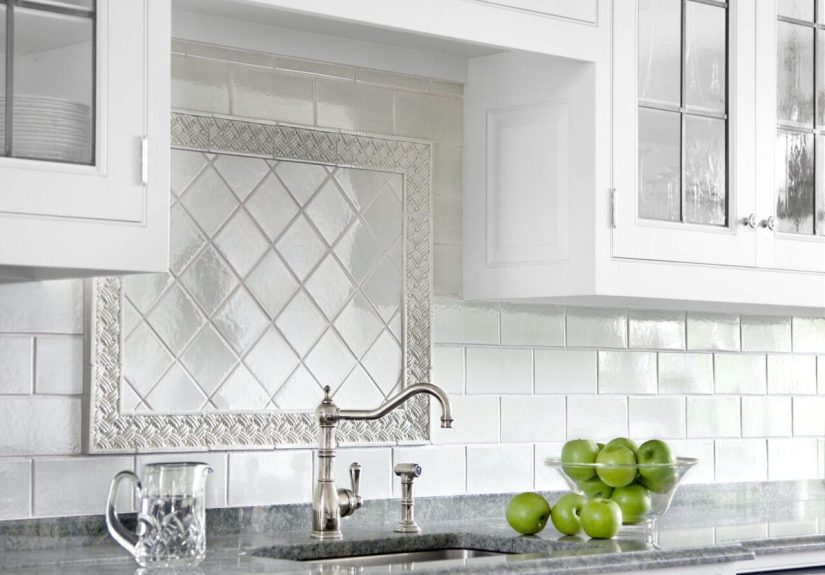
This is ceramic subway tile’s natural habitat. It protects walls from splatters, adds texture, and gives the kitchen a finished look without overwhelming the rest of the room. It works especially well when cabinets, countertops, and hardware already have strong personalities and need a backsplash that ties everything together instead of stealing the show.
Bathroom Walls
Bathroom vanities, tub surrounds, shower walls, and wainscoting-style installations all benefit from ceramic subway tile. It reflects light beautifully, helps smaller bathrooms feel brighter, and can be styled in ways that range from spa-like to retro-cool.
Laundry Rooms, Mudrooms, and Accent Walls
Subway tile is not just for kitchens. In utility spaces, it brings easy-clean durability and a polished finish. On accent walls, especially in bars, breakfast nooks, or fireplace surrounds where approved, it can add subtle geometry without feeling trendy in a disposable way.
Sizes, Finishes, and Style Options
Classic vs. Modern Sizes
The classic 3-by-6-inch tile still works because proportions matter, and this size has never really lost its charm. But newer sizes such as 2-by-8, 3-by-12, and 4-by-16 create a more contemporary rhythm. Longer tiles can make a backsplash feel less busy, while smaller tiles offer a more traditional cadence.
Glossy vs. Matte
Glossy ceramic subway tile reflects more light, which makes it a smart choice for smaller kitchens and bathrooms. It feels bright, clean, and a little dressy. Matte finishes are quieter and more modern, often creating a softer, more architectural look. If glossy tile is the extrovert at the party, matte tile is the stylish person in the corner who somehow still gets all the compliments.
Flat, Beveled, Handmade-Look, and Textured
Flat tile is the most versatile and easiest to pair with different design styles. Beveled tile adds dimension and shadow, which can elevate a simple white backsplash. Handmade-look ceramic tile introduces subtle variation in surface and edge, giving the installation warmth and character. Textured or rippled subway tile can make a monochromatic palette feel layered instead of flat.
Patterns That Completely Change the Look
Layout matters more than many people expect. The exact same ceramic subway tile can look classic, sleek, playful, or high-end depending on the pattern.
Running Bond
This is the traditional brick-style pattern. It is timeless, familiar, and forgiving. If you want a look that will still feel right ten years from now, this is the safe bet.
Stacked
Stacked layouts line tiles up evenly, either horizontally or vertically. The result feels cleaner and more contemporary. It works especially well with elongated tile.
Vertical Stack
Turning the tile vertical instantly changes the energy of a room. It can make walls feel taller and a backsplash feel more custom. It is one of the easiest ways to modernize subway tile without abandoning it entirely.
Herringbone
Herringbone adds movement and sophistication. It takes more planning and more cuts, but when done well, it looks expensive in the best possible way.
Basketweave and Crosshatch Variations
These layouts are ideal if you want a designer touch without using a wildly unusual material. Sometimes the smartest way to make subway tile feel special is not to change the tile at all, but to change the choreography.
Grout: The Unsung Hero or Villain
Grout color can make or break the final look. Matching grout creates a more seamless effect and keeps the tile pattern subtle. Contrasting grout makes the geometry pop and adds visual punch. White tile with charcoal grout is bold and graphic. White tile with warm gray grout is softer and more forgiving than bright white. White tile with white grout looks classic, but it may ask more of you in the maintenance department.
Grout width also matters. Narrow joints feel crisp and sleek, while slightly wider joints can lean more traditional or handmade. Before you commit, test tile and grout together under real lighting. Showroom confidence has a funny way of evaporating under under-cabinet LEDs.
Installation Basics You Should Know Before Ordering
The prettiest ceramic subway tile in the world cannot save a bad install. Surface preparation matters. Layout planning matters. Clean cuts matter. Edge finishing matters. And yes, this is the part where the room reminds you that design is not just about taste, but also about math.
Start With the Right Surface
The wall needs to be stable, flat, clean, and appropriate for tile. Wet areas may require proper backer board or waterproofing systems depending on the location. Skipping prep is the renovation equivalent of building a cake on a paper plate and acting surprised when things wobble.
Plan the Layout Before the First Tile Goes Up
A smart layout minimizes awkward slivers at the edges and helps focal areas feel balanced. This is especially important around windows, outlets, shelves, and range hoods. Tile tends to reward people who measure twice and cut once, then measure one more time because they have trust issues.
Do Not Forget Trim and Transitions
Exposed tile edges need a clean finish. That might mean bullnose pieces, pencil trim, metal edge profiles, or a thoughtful transition into painted wall. A backsplash with rough unfinished edges can make an otherwise beautiful project feel weirdly incomplete.
Cleaning and Maintenance
Ceramic subway tile is low-maintenance, not no-maintenance. The glazed tile surface usually cleans easily with gentle products, but grout needs more attention because it is more porous. Routine wiping prevents buildup. Mild soap and water handle most messes. Tougher grime may need a grout cleaner approved for the material.
It is also wise to treat grout like the needy sidekick it is. In many cases, sealing grout helps reduce staining and makes upkeep easier, especially in kitchens and showers. Avoid using harsh acidic cleaners unless the manufacturer explicitly says they are safe. That homemade miracle cleaner from someone’s social media reel may not be a miracle for very long.
Common Mistakes to Avoid
One common mistake is choosing tile in isolation. Ceramic subway tile does not live alone. It has neighbors: countertops, cabinet paint, wall color, flooring, and hardware. Always view samples next to the materials already in the room.
Another mistake is ignoring sheen. A glossy white subway tile and a matte white subway tile may share a color name, but they do not create the same mood. The same goes for grout contrast, tile size, and edge detail.
A third mistake is using a beautiful wall tile in a location it was never designed for. Always check the manufacturer’s recommendations for wet areas, floors, fireplaces, and high-traffic spaces. “It looked cute online” is not a recognized building standard.
How to Make Ceramic Subway Tile Look Expensive
You do not need rare marble or a celebrity designer budget to get a high-end result. You need restraint and intention. Choose a tile size that suits the room’s scale. Use a layout that complements the architecture. Pick grout carefully. Finish the edges cleanly. Consider carrying the backsplash all the way to the ceiling behind open shelving or a range hood for extra impact. If you want warmth, choose a tile with subtle surface variation or a handmade look. If you want crisp modernity, go with a long matte tile in a stacked or vertical layout.
The secret is not to force ceramic subway tile to be something it is not. Let it be what it does best: simple, hardworking, and quietly stylish. Then elevate it with smart details.
Real-World Experiences With Ceramic Subway Tile
One of the most useful things about ceramic subway tile is how differently it behaves in real homes. On paper, every tile sample looks brave, sophisticated, and ready to change your life. In reality, some installations become instant favorites while others teach expensive lessons. After watching ceramic subway tile show up in kitchens, bathrooms, rentals, remodels, and first homes, a few patterns become clear.
The first experience many homeowners mention is relief. Ceramic subway tile is often one of the least overwhelming finish decisions in a remodel because it offers so many safe options. White 3-by-6 tile with soft gray grout is not exactly a reckless personality test. It is dependable. That matters when the rest of the renovation budget is being emotionally held hostage by countertops, appliances, and lighting. People often choose ceramic subway tile because it feels manageable, and later realize that “manageable” was actually a pretty smart design strategy.
The second common experience is surprise at how much grout changes everything. Many people think they are selecting tile when they are really selecting tile plus grout plus layout plus lighting. A glossy cream subway tile can feel charming and warm with a beige grout, but crisp and slightly vintage with a bright white grout. The exact same tile can look dramatic with dark grout and almost invisible with a close color match. This is why homeowners who order samples and test grout boards tend to be much happier than the brave souls who wing it and hope for enlightenment.
Another real-life lesson is that ceramic subway tile often looks better after the room is finished than it does during installation. Mid-project, it can feel disappointingly plain. Then the cabinets go in, the hardware gets installed, the paint color settles into place, and suddenly the tile starts doing its job. It becomes the background that makes everything else look more intentional. Good ceramic subway tile rarely screams. It just makes the whole room look smarter.
There is also the experience of learning where not to cheap out. Homeowners who save money on a basic ceramic tile but invest in careful installation, proper prep, and good grout choices usually end up thrilled. Homeowners who buy a beautiful tile and rush the install often spend years staring at crooked lines, awkward cuts, or a messy edge near the upper cabinets. Ceramic subway tile is forgiving, but it is not magical. It will absolutely reveal whether the installer respected the layout.
Then there is the maintenance reality, which is mostly positive with one tiny asterisk shaped like grout. People generally love how easy the tile surface is to wipe down. Kitchen grease, bathroom splashes, and daily life do not scare glazed ceramic much. But grout can collect grime if neglected, especially in hardworking spaces. The homeowners who stay happiest are usually the ones who accepted this early and treated grout like a normal maintenance item instead of a decorative afterthought.
Finally, many people say the same thing after living with ceramic subway tile for years: they do not get tired of it. That may be the strongest endorsement of all. In a world full of trend cycles, ceramic subway tile tends to age with grace. It can be updated with paint, hardware, lighting, or decor without needing to be ripped out every time design trends do a cartwheel. That is not boring. That is value.
Conclusion
Ceramic subway tile remains a favorite because it earns its place. It is attractive without being fussy, practical without being dull, and flexible enough to work in homes that lean classic, modern, rustic, or somewhere happily in between. When you choose the right size, finish, grout, and pattern, ceramic subway tile becomes more than a safe option. It becomes the kind of design choice that quietly improves the entire room.
If you want a material that is approachable, stylish, and capable of surviving both kitchen splatters and changing tastes, ceramic subway tile is still one of the smartest picks around. It may not be the loudest finish in the room, but it is often the one doing the most work. Honestly, that deserves a little respect.