Table of Contents >> Show >> Hide
- What Makes Blick No. 10 Different?
- Why Heavy Cotton Canvas Rolls Appeal to Serious Painters
- Best Uses for Blick No. 10 Extra Extra Heavy Cotton Canvas Rolls
- How to Prepare This Canvas for Painting
- Pros and Cons of Choosing This Canvas
- Who Should Buy Blick No. 10 Extra Extra Heavy Cotton Canvas Rolls?
- Common Artist Experiences With Blick No. 10 Extra Extra Heavy Cotton Canvas Rolls
- Final Thoughts
If regular canvas feels a little too polite for your painting habits, Blick No. 10 Extra Extra Heavy Cotton Canvas Rolls may be the surface that finally says, “Go ahead, make a mess. I can take it.” This is the kind of canvas artists look at when lightweight options start feeling flimsy, smooth surfaces feel too civilized, and the project in their head involves scale, texture, muscle, or all three at once.
Blick No. 10 Extra Extra Heavy Cotton Canvas Rolls are known for being a rugged, unprimed cotton duck surface with a rougher feel than lighter cotton canvases. In practical terms, that means more tooth, more physical presence, and more freedom for artists who want to stretch their own supports, prime them their own way, and build paintings that do not feel precious. It is the sort of canvas that invites big brushes, broad gestures, palette knives, layered grounds, and a little healthy studio chaos.
For artists who prefer control over every stage of the process, a heavy roll canvas like this offers a major advantage. Instead of buying a pre-stretched surface and accepting whatever texture, tension, and primer came with it, you get the raw material. You decide the size, the stretcher depth, the type of primer, the number of coats, and even how much texture remains visible once everything is ready to paint. In other words, this is not just canvas. It is creative authority rolled up in a tube-shaped temptation.
What Makes Blick No. 10 Different?
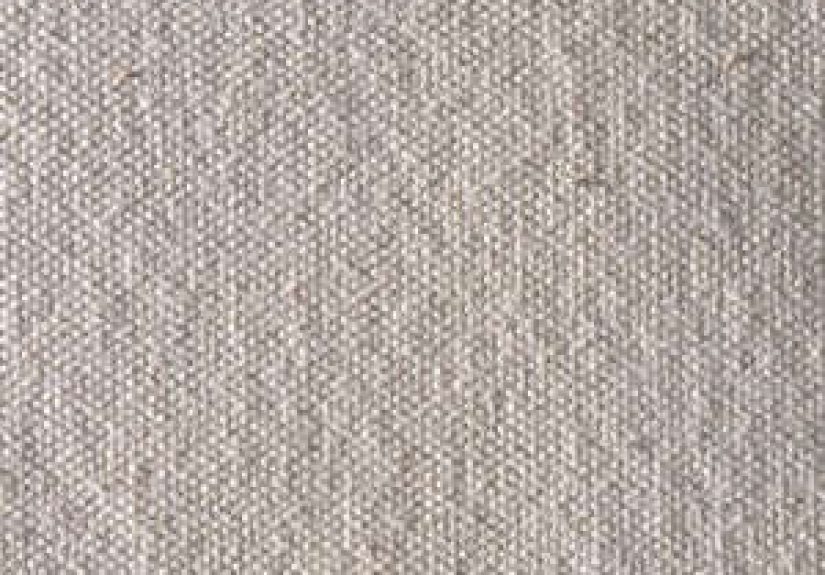
The appeal starts with the build. This canvas is extra extra heavy cotton duck, which places it firmly in the “serious surface” category. The fabric has a rougher texture than many lighter cotton canvases, and that texture matters. It can grab onto acrylic gesso, interact beautifully with drybrush effects, and give body to paintings that would look a little sleepy on a smoother ground.
The “No. 10” designation also signals something important in canvas language. In duck cloth numbering, lower numbers generally indicate a heavier and thicker fabric. That means No. 10 sits on the more robust end of the spectrum, making it a logical choice for artists who want a sturdier support for large work, heavier paint application, or demanding studio handling. This is not the canvas equivalent of a paper napkin. It is closer to the denim jacket of painting surfaces: sturdy, dependable, and absolutely not afraid of hard work.
Another key feature is that the canvas is unprimed and unbleached. That naturally off-white color is more than just visually pleasing. It gives artists flexibility. You can leave the surface closer to its natural state for certain mixed-media or textile-inspired pieces, or you can build the exact ground you want with acrylic gesso, clear gesso, absorbent ground, or an oil-compatible preparation system. Artists who care about archival prep, paint feel, and surface absorbency usually see that as a huge plus rather than an inconvenience.
It is also sold in roll format, which opens the door to custom sizes and unconventional formats. Want a narrow panoramic piece? Easy. Need one large statement canvas for a studio wall? Also possible. Planning a mural study, oversized abstract, stage backdrop, or floorcloth-style decorative work? A roll makes that dramatically easier than trying to stitch together smaller ready-made canvases and pretending the seams are “part of the concept.”
Why Heavy Cotton Canvas Rolls Appeal to Serious Painters
1. More control over surface preparation
Many artists eventually realize that the surface changes the painting as much as the paint does. A factory-primed canvas can be convenient, but it is not always ideal. Some painters want more absorbency. Others want less. Some want a bright white ground, while others prefer a toned or warmer base. With Blick No. 10 Extra Extra Heavy Cotton Canvas Rolls, the artist controls that decision from the beginning.
For acrylic painters, that usually means applying one to several coats of acrylic gesso depending on how much tooth and absorbency they want. For oil painters, the process may include sizing first and then applying an appropriate ground. That little extra effort up front can completely change how the paint behaves later. Brush drag, blending speed, edge control, and color luminosity all start with the ground.
2. Better suited to larger formats
Heavy canvas rolls make a lot of sense when size becomes part of the artistic language. Large paintings need a support that can handle stretching, handling, and transport without feeling flimsy. A more substantial cotton duck gives artists greater confidence, especially when they are working on oversized abstracts, layered mixed-media pieces, or studio work that gets moved around more than once before it reaches a wall.
The ability to buy canvas by the yard also helps artists avoid waste. Instead of settling for a standard size that is almost right, you can cut exactly what the composition needs. That matters more than people think. Proportion is not decoration. It is structure. The wrong shape can make a strong idea feel awkward before the first brushstroke even lands.
3. Great for tactile, expressive painting
If your painting style involves texture, scraping, dragging, layering, or energetic mark-making, a rougher, heavier canvas can feel wonderful. The weave becomes part of the visual conversation. Thin paint catches on the high points. Drybrush effects become more lively. Gesso can be sanded or left intentionally textured. Even underpainting starts to feel more physical and less slippery.
This is one reason heavy cotton duck remains popular with artists who like expressive surfaces. It does not try to disappear completely under the paint. Instead, it collaborates. Sometimes quietly, sometimes loudly, but always with a bit of backbone.
Best Uses for Blick No. 10 Extra Extra Heavy Cotton Canvas Rolls
Custom stretched canvases
This is the obvious use, and still the best one. Artists who build their own canvases can pair this roll with stretcher bars sized exactly to the work they want to make. That is particularly useful for nonstandard dimensions, diptychs, triptychs, and tall or panoramic pieces that are hard to find pre-made.
Murals and large studio studies
Because the canvas is durable and available in roll form, it works well for murals, temporary installations, and large painted studies that need flexibility in scale. Artists can stretch it, staple it to a wall support, or mount it to another substrate depending on the project. If the piece needs physical stamina, this material is a smarter pick than thinner hobby-grade canvas.
Decorative painted canvas applications
Heavy cotton duck can also move beyond fine art. Decorative floorcloth-inspired projects, painted banners, theatrical backdrops, and studio display pieces all benefit from a canvas with more heft. A lighter fabric might wrinkle, shift, or feel too delicate. This one is much better at saying, “Sure, let’s do something ambitious,” without immediately regretting it.
Textural abstract and mixed media work
Artists working with gel mediums, modeling compounds, collage, acrylic skins, and layered grounds often appreciate a sturdy base. While extremely aggressive build-ups may still push some artists toward rigid panels, a heavy cotton roll is a strong middle ground for those who want flexibility without stepping all the way down into flimsy territory.
How to Prepare This Canvas for Painting
Preparation is where good intentions become good paintings. Because this canvas is unprimed, you should not treat it like a ready-to-go surface. Raw canvas has charm, but paint systems behave differently on it, especially if long-term durability matters.
For acrylic painting
Stretch the canvas first if that fits your workflow, or prepare it before mounting if you prefer. Apply acrylic gesso in thin, even coats, letting each layer dry thoroughly. One or two coats may be enough if you like a more absorbent, toothy surface. More coats can create a slightly smoother feel, especially if you sand lightly between applications. Some artists also tint the ground with acrylic color to knock back the bright white and start with a more atmospheric base.
For oil painting
Oil painters generally need to be more careful. Raw canvas should be properly sealed or sized before applying an oil-compatible ground. Skipping that step can allow oil to migrate into the fabric, which is not a great long-term plan if you would like your painting to survive longer than your favorite studio coffee mug. Once sized, the canvas can be primed with an appropriate ground system based on the artist’s preferences.
For smoother surfaces
If the natural roughness feels a bit too energetic for portraiture or fine detail, you do have options. Apply additional gesso coats and sand between them. You will not magically turn a heavier duck canvas into ultra-smooth portrait linen, but you can definitely tame the tooth enough for more refined work.
Pros and Cons of Choosing This Canvas
Pros
Blick No. 10 Extra Extra Heavy Cotton Canvas Rolls offer durability, customization, strong texture, and flexibility for artists who want to build their own surfaces. The heavy fabric is well suited to large work, expressive techniques, and projects that need a sturdier support. The unprimed surface also gives artists complete control over archival prep and painting feel.
Cons
The same qualities that make it appealing can also make it less beginner-friendly. It requires preparation. It may feel rough for artists who prefer silky smooth portrait surfaces. Stretching heavier canvas also takes more effort than working with lighter cloth, especially for large formats. And for extremely heavy impasto or highly rigid paint structures, some painters may still prefer a properly prepared panel.
Still, those are not really flaws so much as trade-offs. You do not buy an extra heavy canvas roll because you want the easiest route. You buy it because you want a tougher, more customizable support and you know how to use it. Or at least you are ready to learn, preferably before wrestling with a 6-foot section in a room that suddenly feels much smaller than it looked yesterday.
Who Should Buy Blick No. 10 Extra Extra Heavy Cotton Canvas Rolls?
This canvas is ideal for intermediate to advanced painters, muralists, mixed-media artists, art students moving into custom supports, and anyone who is tired of being limited by standard stretched sizes. It is especially attractive for artists who enjoy preparing their own surfaces and want the freedom to build a support around the work rather than forcing the work to fit whatever was hanging in the supply aisle.
If you mostly paint small studies, prefer ultra-smooth surfaces, or never want to think about gesso again, a pre-primed ready-made canvas may be more practical. But if you enjoy process, scale, texture, and surface control, this canvas roll makes a very convincing case for itself.
Common Artist Experiences With Blick No. 10 Extra Extra Heavy Cotton Canvas Rolls
Artists who choose a canvas like this usually do so for a reason, and those reasons tend to show up quickly in the studio. One of the most common experiences is the immediate difference in feel. Compared with lighter cotton canvas, this material feels more substantial right out of the roll. There is a sense of density and resistance that many painters love, especially when the project is large enough to make thinner canvas feel a little too floppy. That extra body can make stretching feel more secure and can also give the finished work a more professional, intentional presence.
Another recurring experience is that the rougher weave changes how paint moves. Painters working with fluid acrylics, drybrush, scumbling, or broken color often notice that the surface gives them livelier edges and more variation without much effort. Instead of every mark sliding on like it is late for a meeting, the paint catches slightly on the weave, which can create a more tactile and energetic result. For abstract painters, that is often a win. For highly detailed realism, it can be either a charming character trait or a signal to add more primer and sanding.
Artists also tend to appreciate how well a heavy roll canvas adapts to custom formats. A panoramic landscape, a tall narrow figure study, or a multipart installation is much easier to plan when the support is cut to fit the idea. This flexibility is one of the biggest reasons painters graduate from pre-stretched canvases to rolls. Once you have made a surface that fits the work exactly, going back to “close enough” can feel strangely unsatisfying.
There is also a practical side to the experience. Heavier canvas usually asks for a little more patience during setup. Stretching corners can be tougher, and larger sections may require a second pair of hands unless you enjoy turning canvas prep into an upper-body workout. Priming takes time, drying takes time, and if you are aiming for a particular surface quality, sanding adds another layer of labor. Still, many artists feel that the final result is worth it because the surface feels more personal and better matched to their technique.
For artists making murals, decorative canvas pieces, or floorcloth-style works, the experience often centers on durability. A strong cotton duck simply inspires more confidence than a lighter cloth. It can handle more demanding applications and broader handling without feeling fragile. That does not mean it is indestructible, because sadly no canvas has achieved superhero status yet, but it does mean the material feels appropriate for ambitious work.
Finally, many artists describe a shift in mindset when working on a canvas roll like this. The surface itself encourages bigger thinking. You stop asking, “What size canvas do I have?” and start asking, “What size does this idea need?” That is a meaningful change. Sometimes the best thing an art material does is remove the tiny limitations that quietly shape your work. A strong, heavy roll of canvas does exactly that.
Final Thoughts
Blick No. 10 Extra Extra Heavy Cotton Canvas Rolls are not trying to be the softest, smoothest, or easiest surface in the room. Their appeal comes from strength, texture, flexibility, and control. For artists who want a rugged cotton duck surface they can stretch and prepare themselves, this canvas offers a compelling combination of durability and creative freedom.
It is particularly well suited to large paintings, expressive brushwork, mural-scale ideas, and projects that benefit from a tougher support. Yes, it demands a little more work up front. But that is often the deal with better results: a little more prep, a lot more payoff. If your painting practice is moving toward larger, bolder, or more customized work, this canvas roll deserves a serious look.