Table of Contents >> Show >> Hide
- What Makes the Blue On Blue Splatterware 9" Pasta Bowl Stand Out?
- The Beauty of Blue-on-Blue Splatterware
- Why Pugliese Craftsmanship Adds Value
- How This Bowl Performs in Everyday Life
- Care, Cleaning, and What to Know Before Buying
- Who Will Love the Blue On Blue Splatterware 9" Pasta Bowl?
- Final Thoughts
- The Ownership Experience: Living With a Blue On Blue Splatterware 9" Pasta Bowl
Some bowls are just bowls. They hold soup, tolerate cereal, and quietly disappear into the cabinet without ever becoming the main character. The Blue On Blue Splatterware 9" Pasta Bowl is not that kind of bowl. This one arrives with personality. It has color, movement, old-world craft, and the kind of easy charm that makes leftovers feel suspiciously close to a lifestyle choice.
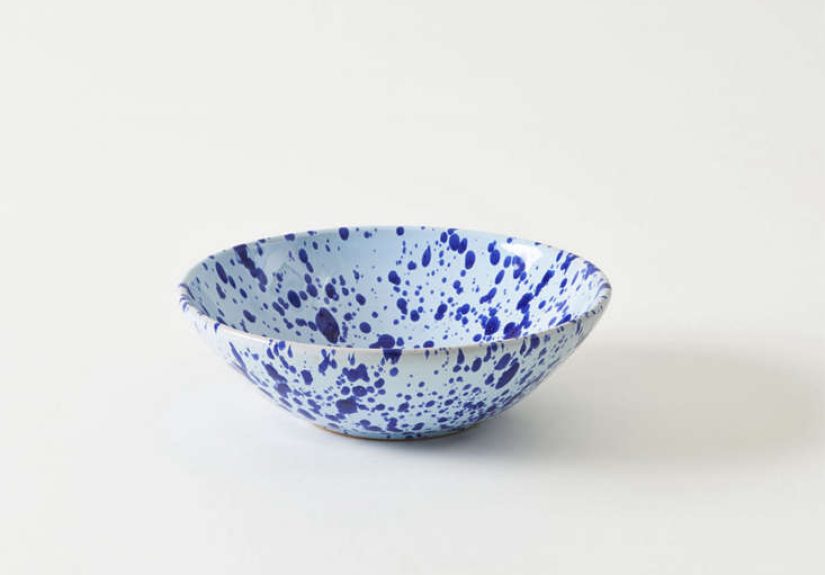
At first glance, the appeal is obvious: a rich blue-on-blue splatter pattern that feels playful without looking childish, artistic without becoming fussy, and rustic without wandering into “I churn my own butter on weekends” territory. Look a little closer, though, and the real story starts to show. This bowl is tied to a long Italian ceramics tradition, typically described as coming from the Pugliese region of Italy, and retail listings for this specific piece describe it as glazed earthenware, made in Italy, and sized at 9 inches in diameter by 4 inches tall. That combination matters, because it tells you this bowl is not merely trying to look handmade. It is selling the real thing: character, craft, and usefulness in one very photogenic package.
What Makes the Blue On Blue Splatterware 9" Pasta Bowl Stand Out?
The short answer is balance. The longer answer is that this bowl manages to sit at the sweet spot between decorative tabletop object and practical daily dinnerware. That is harder than it sounds. Plenty of bowls are pretty but annoying. Plenty are durable but about as exciting as printer paper. This one lands in that rare middle ground where aesthetics and function actually get along.
A Shape That Works With Real Food
The phrase pasta bowl can sound oddly specific, as if the vessel only wakes up when spaghetti enters the room. In reality, pasta bowls are popular because they combine the best parts of a plate and a standard bowl. They have enough depth to keep sauce, grains, and broth from escaping over the edge, but enough openness to let the food breathe. That wider, more generous shape also frames a meal beautifully, which is a fancy way of saying dinner looks better before you inhale it.
For a 9-inch bowl, that versatility is a huge selling point. It is roomy enough for pasta with a proper amount of sauce, but not so oversized that a weeknight serving of rigatoni looks like it got lost on the way to the table. The proportions make sense for salads, risotto, braised beans, grain bowls, roasted vegetables, and those “clean out the fridge and call it dinner” meals that somehow taste better when served in pretty ceramics.
The Depth Is Not Just for Drama
Retail descriptions place the bowl at 4 inches tall, which gives it more presence than a shallow coupe bowl. That extra height helps contain saucy dishes, brothy pasta, stews, and composed meals with multiple textures. It also makes the bowl feel substantial in the hand. Not clunky. Not dainty. Just reassuring. It is the tabletop equivalent of a friend who knows how to host without making everybody remove their shoes and admire the napkin folds.
The Beauty of Blue-on-Blue Splatterware
The color story is a big part of the charm. Blue on blue sounds simple, but it creates surprising depth. The base color establishes calm and consistency, while the splattered glaze adds motion and spontaneity. The effect is decorative, but still grounded enough for everyday use. It is less “special occasion china” and more “Tuesday night pasta, but make it look like you have your life together.”
What makes this especially appealing is that splatterware naturally resists looking overly perfect. Uniform dinnerware can sometimes feel sterile, especially in modern kitchens where everything else is already smooth, matte, and trying very hard to be minimal. Splatterware breaks that up. It adds visual energy. It looks collected instead of clinical. It says someone in this kitchen believes food should be joyful and that dishes do not need to behave like office furniture.
Handmade Variation Is Part of the Point
One of the most appealing things about Italian splatterware is that slight variation is part of the design language. The splashes, dots, and irregular marks are what give the piece life. That means the Blue On Blue Splatterware 9" Pasta Bowl does not aim for factory-perfect sameness. It aims for individuality. In a world of algorithm-approved sameness, that is refreshingly human.
For buyers, that matters because handmade dinnerware often improves with familiarity. The tiny quirks become the charm. One bowl may have denser flecks near the rim. Another may have a softer field of blue at the center. Instead of looking mismatched, a set tends to feel layered and alive. It is the tabletop version of a good linen shirt: not flawless, but far more lovable because of it.
Why Pugliese Craftsmanship Adds Value
The bowl’s Italian origin is not a throwaway marketing detail. Puglia has a strong ceramics identity, and splatter-decorated earthenware from southern Italy carries a very specific old-world appeal. That regional association gives the bowl cultural texture. It suggests a lineage of makers, workshops, glazing traditions, and techniques that long predate online wish lists and curated kitchen shelves.
That heritage also helps explain why splatterware remains relevant. It is not trendy in the disposable sense. It keeps returning because it blends rustic warmth with graphic style. In one kitchen it looks Mediterranean and sun-soaked. In another it looks modern and artsy. In another it feels slightly vintage. Few dinnerware styles pull off that many identities without becoming confused.
Rustic, but Not Rough Around the Edges
There is a difference between something looking handmade and something feeling unfinished. Good glazed earthenware should still be pleasant to use day after day. The bowl’s appeal comes from that mix of artisanal character and practical design. It has enough visual texture to feel special, but enough polish to sit comfortably in a well-styled table setting, an everyday family meal, or a dinner party where somebody suddenly starts talking about olive oil as if it has a backstory.
How This Bowl Performs in Everyday Life
Let’s talk real-life use, because even the most beautiful bowl eventually meets tomato sauce, dishwasher steam, and somebody balancing garlic bread on the side like that was always the plan.
Ideal for More Than Pasta
Yes, it is a pasta bowl. No, that is not a limitation. The wide opening and contained depth make it excellent for:
- spaghetti, rigatoni, orecchiette, and ravioli
- grain bowls with rice, lentils, or farro
- large salads that need tossing room
- risotto, polenta, and saucy braises
- stews and chowders that deserve better than a mug
- roasted vegetables topped with yogurt, herbs, or sauce
That flexibility is one reason pasta bowls have become such a favorite in modern kitchens. They handle hybrid meals well. And modern meals are very hybrid. One night it is bucatini. The next night it is salmon over rice with cucumber salad and a questionable amount of chili crisp. A bowl like this is built for that kind of culinary mood swing.
A Strong Styling Piece for the Table
The Blue On Blue Splatterware 9" Pasta Bowl also works hard visually. Blue is one of the easiest colors to style in a kitchen or dining room because it plays well with white linens, natural wood, brass flatware, stone countertops, and both crisp modern interiors and more collected, eclectic spaces. That blue-on-blue finish gives the bowl enough visual interest to anchor a place setting without overwhelming everything around it.
Pair it with plain white plates and it becomes the accent. Pair it with other splatterware pieces and the table becomes lively, layered, and unmistakably personal. Pair it with a simple salad and a hunk of bread and suddenly you have a lunch that looks like it wandered in from a design magazine while you were busy answering emails.
Care, Cleaning, and What to Know Before Buying
Because the bowl is described as glazed earthenware, care matters. Product information tied to this line has described it as dishwasher safe, with a low-temperature setting recommended. That is good news for everyday usability, but it still suggests a little common sense. Handmade ceramics generally live longer and look better when treated with slightly more respect than a stainless steel mixing bowl you have emotionally abandoned.
How to Keep It Looking Good
Use gentle dishwashing settings when possible, avoid harsh temperature shocks, and do not stack it carelessly with pieces that can scratch or chip the glaze. If you are the kind of person who tosses dishes into the sink like they insulted your family, this bowl may encourage some personal growth.
That is not a flaw. It is the trade-off that often comes with artisanal dinnerware. You get beauty, texture, and soul in exchange for a little mindfulness. Frankly, that is a fair deal. Nobody buys handmade Italian splatterware because they want their table to feel emotionally identical to a college apartment starter set.
Is It Worth It for Everyday Use?
For the right buyer, yes. If you want dinnerware that is invisible, this is not it. If you want a bowl that adds personality to daily meals, photographs beautifully, and makes even simple food feel more inviting, it absolutely earns its place. That is especially true for people who prefer buying fewer, better pieces instead of endless stacks of generic dishes that all look like they came free with a gas station loyalty card.
Who Will Love the Blue On Blue Splatterware 9" Pasta Bowl?
This bowl makes the most sense for people who care about how their table feels, not just how it functions. It is a great fit for design-conscious home cooks, casual entertainers, fans of Italian ceramics, and anyone trying to build a tabletop collection with more personality than plain white plates can offer on their own.
It is also ideal for people who love versatile dinnerware. A bowl like this can go from solo lunch to dinner party service without ever looking out of place. That flexibility gives it real value. Beautiful pieces that only come out twice a year are nice. Beautiful pieces you actually reach for all the time are better.
Final Thoughts
The Blue On Blue Splatterware 9" Pasta Bowl succeeds because it does more than look good. It tells a story. It brings together Italian craftsmanship, practical proportions, painterly color, and the everyday usefulness that makes a favorite dish become your dish. It is expressive without being loud, artisanal without being precious, and stylish without requiring the rest of your kitchen to audition for a catalog.
In a market full of dinnerware that tries very hard to be neutral, this bowl remembers that eating should feel pleasurable. It adds color to the table, movement to the setting, and a little extra delight to the meals that happen most often. Not every bowl can do that. Some are just ceramic circles with ambition. This one has actual charm.
The Ownership Experience: Living With a Blue On Blue Splatterware 9" Pasta Bowl
Living with a bowl like this is less about one dramatic moment and more about a steady stream of tiny upgrades to everyday meals. It changes the mood of ordinary food. Leftover penne feels more intentional. A basic arugula salad with shaved Parmesan suddenly looks like lunch at a place that charges extra for sparkling water. Even a fried egg over rice gets a little promotion. That is the real magic of a beautifully made pasta bowl: it does not change what you cook, but it absolutely changes how that food shows up.
There is also something deeply satisfying about reaching into a cabinet and grabbing a piece that does not look generic. The blue splatter pattern keeps the bowl from blending into the background. It catches the eye without begging for attention. On open shelving, it reads decorative. On the dinner table, it reads warm and relaxed. In the sink after a long day, it still somehow manages to look more dignified than the rest of us.
The bowl’s shape makes daily use especially enjoyable. Wide enough for composed meals, deep enough for sauce, and substantial enough to feel secure, it invites repeat use because it solves practical problems without announcing itself like some overdesigned gadget. You do not have to fight it to twirl pasta. You do not have to worry that broth is one enthusiastic spoonful away from escaping. You do not have to pile food into a cramped center and hope for the best. The bowl quietly makes the meal easier to serve and nicer to eat.
Another underrated part of the experience is how well it supports a mixed table. Not everyone wants a perfectly matched 16-piece set that looks like it was issued by a very tasteful corporation. Splatterware works beautifully with plain white dishes, vintage finds, rustic linens, and modern flatware. That means the bowl can be a gateway piece. Buy one, use it constantly, then slowly build around it with confidence. Before long, your table starts looking less like a random assortment of dishes and more like a point of view.
There is an emotional side to this too. Handmade ceramics often become favorites because they feel personal. The slight variation in the pattern, the depth of the glaze, and the handmade presence all give the bowl more warmth than mass-produced dinnerware. You notice it. Guests notice it. People tend to ask where it came from, which is usually a good sign that a household object has crossed over from merely useful into memorable.
Of course, part of living with earthenware is accepting that it deserves basic respect. You treat it like a good everyday piece, not like an indestructible cafeteria tray. But that small amount of care becomes part of the enjoyment. It slows things down just enough to remind you that setting a table can be its own pleasure. In that sense, the Blue On Blue Splatterware 9" Pasta Bowl is more than a serving vessel. It is a little nudge toward better meals, a better-looking table, and a kitchen that feels a touch more alive.