Table of Contents >> Show >> Hide
- What Does a Gynecologist Do?
- Why Choosing the Right Gynecologist Matters
- 1. Check Credentials and Board Certification
- 2. Match Their Experience to Your Health Needs
- 3. Consider Communication Style
- 4. Think About Comfort, Respect, and Personal Preferences
- 5. Review Hospital Affiliations and Practice Setting
- 6. Confirm Insurance Coverage and Costs
- 7. Look at Location, Scheduling, and Access
- 8. Read Reviews, But Do Not Worship Them
- 9. Understand What Happens at a First Visit
- 10. Ask About Preventive Screenings and Health Guidance
- 11. Pay Attention to Red Flags
- Questions to Ask Before Choosing a Gynecologist
- How to Prepare for Your First Appointment
- Experience-Based Tips for Choosing a Gynecologist
- Conclusion
Choosing a gynecologist is not exactly the same as choosing a new coffee shop, although both decisions can affect your mood, your schedule, and whether you feel like running out the door. A gynecologist is someone you may talk to about periods, pelvic pain, birth control, pregnancy planning, menopause, sexual health, infections, screenings, and private concerns you may not even say out loud to your group chat. In other words, this is not a “pick the first name on the list and hope for the best” situation.
The right gynecologist should combine medical skill, good communication, respect for your comfort, and practical accessibility. You want someone qualified, yes, but also someone who does not make you feel like a confused houseplant when you ask a question. A good provider explains, listens, respects boundaries, and helps you make informed decisions about your body.
This guide walks through what to look for when choosing a gynecologist, how to compare options, what questions to ask, and which red flags deserve your full attention. Whether you are scheduling your first well-woman visit, switching doctors, planning a pregnancy, or finally dealing with symptoms you have been trying to ignore like an email marked “urgent,” this article will help you choose with confidence.
What Does a Gynecologist Do?
A gynecologist is a doctor who focuses on the female reproductive system, including the uterus, ovaries, cervix, vagina, vulva, breasts, hormones, menstrual health, and related conditions. Many gynecologists are also obstetricians, often called OB-GYNs, meaning they also provide care during pregnancy, childbirth, and the postpartum period.
Common gynecologic services include annual wellness visits, pelvic exams when appropriate, Pap tests, HPV testing, breast health discussions, STI testing, contraception counseling, menstrual problem evaluation, fertility conversations, menopause support, and treatment for conditions such as fibroids, endometriosis, ovarian cysts, vaginal infections, and pelvic pain.
A good gynecologist is not just there for emergencies. Preventive care is a major part of the job. Cervical cancer screening, for example, can help find changes early before they become serious. A gynecologist may also help you understand which screenings you need based on your age, health history, symptoms, and risk factors.
Why Choosing the Right Gynecologist Matters
Gynecologic care is personal. Very personal. “Let’s discuss your cycle, symptoms, sexual health, medical history, and possibly put your feet in stirrups” personal. That means trust is not a luxury; it is part of good care.
When you feel comfortable with your gynecologist, you are more likely to ask questions, share symptoms honestly, follow through with screenings, and return for care when something feels off. If you feel judged, rushed, ignored, or dismissed, you may delay care. And when it comes to reproductive and pelvic health, delaying care can turn small problems into larger ones.
The right gynecologist should make you feel informed, respected, and included in decisions. They should explain options clearly instead of tossing medical terms at you like confetti. They should also respect your preferences, culture, privacy needs, and personal comfort level.
1. Check Credentials and Board Certification
Start with the basics: Is the gynecologist licensed and properly trained? In the United States, an OB-GYN should have completed medical school, residency training in obstetrics and gynecology, and state medical licensing requirements.
Board certification is another important sign. A board-certified OB-GYN has met standards set by the American Board of Obstetrics and Gynecology. Certification shows that the physician has completed specialized training and demonstrated knowledge in women’s health. It is not the only thing that matters, but it is a strong starting point.
How to Verify Credentials
You can usually check a doctor’s credentials through the practice website, hospital profile, state medical board, or certification verification tools. Look for information such as medical school, residency, board certification, hospital affiliations, and areas of clinical interest.
Also consider checking for disciplinary actions through state medical board resources or physician license lookup tools. This is not about being suspicious; it is about being informed. Choosing a doctor is a health decision, not a blind date with a stethoscope.
2. Match Their Experience to Your Health Needs
Not every gynecologist has the same focus. Some spend much of their time on pregnancy care. Others may focus on minimally invasive surgery, menopause, infertility, adolescent gynecology, pelvic pain, high-risk pregnancy, or hormone-related concerns.
If you simply need routine preventive care, many general OB-GYNs will be a good fit. But if you have a specific condition, experience matters. For example, someone with severe period pain may want a provider familiar with endometriosis evaluation. Someone with repeated pregnancy loss may need a physician who works closely with fertility or maternal-fetal medicine specialists. Someone approaching menopause may want a doctor comfortable discussing hot flashes, sleep changes, vaginal dryness, bone health, and hormone therapy options.
Examples of Matching Needs
If you are choosing a gynecologist for pregnancy, ask where they deliver babies, what hospitals they are affiliated with, how after-hours questions are handled, and who covers delivery if your doctor is unavailable.
If you need birth control counseling, look for someone who explains multiple options, including pills, IUDs, implants, shots, patches, rings, condoms, and permanent contraception when appropriate. The best provider will not push one option like it is the final rose on a dating show. They will help you understand benefits, risks, side effects, and fit.
If you are managing a chronic gynecologic condition, ask whether the doctor has experience with your diagnosis and how they approach treatment plans. You want care that feels thoughtful, not rushed.
3. Consider Communication Style
Communication can make or break the patient experience. A gynecologist may have a wall full of diplomas, but if they talk over you, dismiss symptoms, or make you feel silly for asking questions, the relationship may not work.
Look for a provider who explains what they are doing before and during exams, asks permission, answers questions clearly, and checks whether you understand the plan. Good communication includes listening. If you say, “My periods are so painful I miss school or work,” the answer should not be, “That happens.” Pain that disrupts life deserves evaluation.
Signs of Good Communication
A strong gynecologist uses plain language, gives you time to speak, explains test results, discusses alternatives, and encourages follow-up questions. They should also be comfortable discussing sensitive topics without awkwardness. If you mention discharge, sex, contraception, missed periods, or mood changes and the doctor reacts like you brought a raccoon into the exam room, that is not ideal.
It is also okay to prefer a doctor with a certain communication style. Some patients like warm and chatty. Others prefer direct and efficient. What matters is that you feel respected, heard, and safe.
4. Think About Comfort, Respect, and Personal Preferences
Comfort matters in gynecologic care. Many people prefer a gynecologist of a specific gender because of privacy, cultural, religious, trauma-related, or personal reasons. That preference is valid. You do not need to write a five-paragraph essay defending it.
You may also want a provider who is experienced with LGBTQ+ health, teen health, disability accommodations, trauma-informed care, or language access. If these factors matter to you, ask the office directly before scheduling.
Respect should be non-negotiable. A gynecologist should explain exams before performing them, give you privacy to change, allow questions, respect consent, and stop if you are uncomfortable. You can ask whether a chaperone is available during exams. In many practices, chaperones are standard for pelvic or breast exams.
5. Review Hospital Affiliations and Practice Setting
Hospital affiliation matters more in some situations than others. If you are pregnant, planning pregnancy, considering surgery, or managing a complex condition, you should know which hospital or surgical center the gynecologist uses.
For pregnancy care, hospital policies and resources may affect your birth experience. For surgery, affiliation may influence where procedures are performed and what specialists are available if complications occur. For routine care, hospital affiliation may be less central, but it still gives you useful context.
Questions to Ask About Practice Setting
Ask whether the gynecologist works solo or in a group practice. In a group setting, you may see nurse practitioners, physician assistants, midwives, or other doctors depending on the visit. That can be convenient, but it is helpful to know who provides which services.
Also ask how urgent concerns are handled. Can you get a same-week appointment for pain, bleeding, infection symptoms, or a pregnancy concern? Is there an after-hours phone line? Can you message the care team through a patient portal? Practical systems matter when your body decides to schedule drama at 7:43 p.m.
6. Confirm Insurance Coverage and Costs
Before you fall in love with a doctor’s biography, confirm whether they accept your insurance. Health care costs in the U.S. can be confusing, and “out of network” is not a cute surprise.
Call your insurance company or use its online provider directory to confirm the gynecologist is in network. Then call the office to double-check. Ask about coverage for annual wellness visits, Pap tests, HPV tests, STI testing, ultrasounds, birth control procedures, and lab work. Sometimes the doctor is in network, but the lab or imaging center is not. Yes, it is annoying. No, you are not wrong for asking.
If you do not have insurance, ask whether the practice offers self-pay rates, payment plans, sliding-scale options, or referrals to community clinics. Planned Parenthood, federally qualified health centers, county health departments, and women’s health clinics may provide lower-cost reproductive health services depending on location.
7. Look at Location, Scheduling, and Access
The best gynecologist on paper may not be the best choice if getting to the office requires two buses, a rideshare, a motivational speech, and a snack. Access matters.
Consider how far the office is from your home, school, or workplace. Check appointment availability, parking, public transportation, office hours, and whether virtual visits are available for certain concerns. Some issues require an in-person exam, but telehealth may be useful for follow-ups, medication questions, lab reviews, or counseling.
Accessibility Details Worth Checking
Ask whether the office has accessible exam rooms, adjustable exam tables, interpreter services, gender-inclusive forms, and clear policies for privacy. If you need accommodations, the office should respond professionally and respectfully.
Also pay attention to phone etiquette. If scheduling an appointment feels like trying to reach customer service on another planet, that may tell you something about the practice experience.
8. Read Reviews, But Do Not Worship Them
Online reviews can help, but they are imperfect. A five-star review may be about the parking lot. A one-star review may be from someone upset about a billing issue unrelated to medical skill. Read reviews for patterns, not isolated drama.
Look for repeated comments about listening, bedside manner, wait times, office staff, billing transparency, follow-up, and whether patients felt rushed. If many reviews say the doctor explains things well and takes concerns seriously, that is useful. If many reviews say patients felt dismissed, ignored, or unable to get results, pay attention.
Personal recommendations can also help. Ask your primary care doctor, trusted friends, family members, or other health professionals. Just remember that a doctor who is perfect for your cousin may not be perfect for you. Your cousin may also think pineapple belongs on every pizza, so use judgment.
9. Understand What Happens at a First Visit
Knowing what to expect can make the first appointment less stressful. A gynecology visit may include a conversation about your medical history, menstrual cycle, symptoms, medications, sexual health, vaccines, family history, and health goals. The provider may check height, weight, blood pressure, and general health information.
A pelvic exam is not always required at every visit, especially for younger patients or visits focused on counseling. Whether you need one depends on your age, symptoms, health history, and reason for the appointment. Cervical cancer screening typically begins at age 21 for average-risk patients, though recommendations can vary based on individual circumstances.
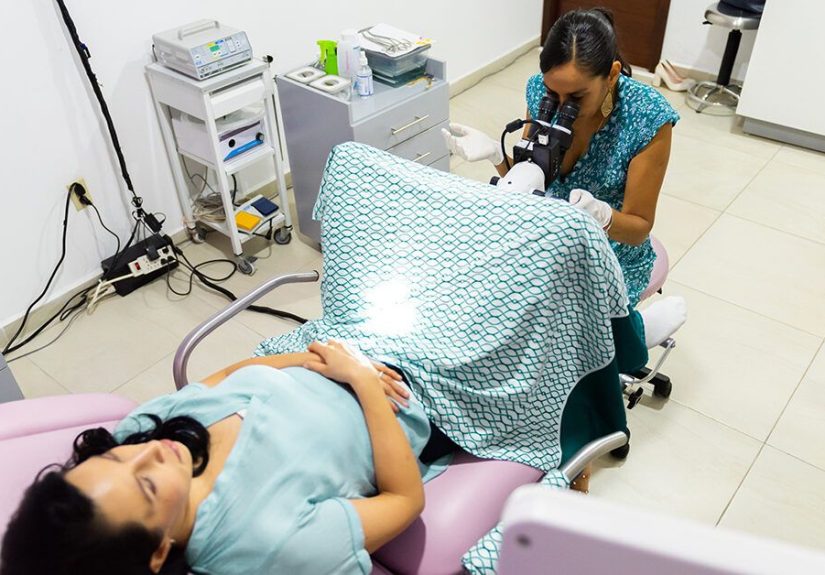
If an exam is needed, the doctor should explain each step. You can ask what will happen, why it is needed, and whether there are alternatives. You can also ask to pause or stop. Consent is not a decorative throw pillow; it is essential.
10. Ask About Preventive Screenings and Health Guidance
A good gynecologist should help you understand preventive care without turning the visit into a pop quiz. Important topics may include cervical cancer screening, breast health, STI testing, HPV vaccination, pregnancy planning, menstrual health, contraception, bone health, menopause, and lifestyle factors.
For cervical cancer screening, U.S. guidance generally recommends Pap testing beginning at age 21 for average-risk individuals. Adults ages 30 to 65 may have several screening options, including Pap testing, HPV testing, or co-testing depending on current guidelines, risk factors, and provider recommendations. Your gynecologist should explain what applies to you.
Preventive care is not one-size-fits-all. Your doctor should consider your age, symptoms, sexual history, pregnancy plans, family history, prior test results, immune status, and personal preferences.
11. Pay Attention to Red Flags
Some warning signs suggest a gynecologist or practice may not be the right fit. If a provider dismisses pain, refuses to answer questions, pressures you into decisions, makes judgmental comments, ignores consent, or does not explain procedures, consider switching.
Other red flags include poor follow-up on test results, unclear billing, repeated difficulty reaching the office, rushed visits, outdated information, or a lack of privacy. No medical office is perfect, but patterns matter.
Your comfort does not have to come last. If something feels wrong, you can seek a second opinion. You are allowed to change doctors. You are not married to the provider directory.
Questions to Ask Before Choosing a Gynecologist
Before scheduling or during your first visit, consider asking practical questions. Is the doctor board certified? What conditions do they commonly treat? Which hospitals are they affiliated with? Do they accept your insurance? How long is the typical wait for appointments? Who handles after-hours concerns? How are test results shared? Can you message the care team online?
You can also ask care-style questions. How do they approach birth control counseling? Do they support shared decision-making? What is their experience with your specific concern? Do they offer trauma-informed care? Are chaperones available? What should you do if symptoms worsen after the visit?
The goal is not to interrogate the doctor like a courtroom attorney in a medical drama. The goal is to learn whether the practice fits your needs.
How to Prepare for Your First Appointment
Bring your insurance card, photo ID, medication list, allergy information, and any relevant records. If you have irregular periods, pelvic pain, heavy bleeding, or mood symptoms related to your cycle, track dates and symptoms before the visit. A simple note on your phone is enough; no need for a color-coded spreadsheet unless that brings you joy.
Write down your top three concerns. Medical appointments can feel fast, and it is easy to forget something important once the paper gown enters the chat. Be honest about symptoms, sexual health, pregnancy possibility, medications, and past experiences. Your doctor needs accurate information to help you safely.
If you are nervous, say so. A good provider will slow down, explain what is necessary, and help you feel more in control.
Experience-Based Tips for Choosing a Gynecologist
Many people choose a gynecologist only after something pushes them to make the appointment: a painful period, a pregnancy test, a strange symptom, a move to a new city, or the realization that “I should probably find a doctor” has been sitting on the mental to-do list since the invention of Wi-Fi. Experience shows that the best choice often comes from combining research with real-life feel.
One helpful approach is to start with a short list of three to five providers. Look for board certification, insurance coverage, location, hospital affiliation, and clinical interests. Then call the office. That phone call can reveal more than you expect. Is the staff respectful? Do they answer questions clearly? Are appointment times reasonable? Do they sound annoyed that you exist? Front-desk culture does not tell the whole story, but it often gives a preview of the patient experience.
Another practical tip is to treat the first appointment as a two-way evaluation. You are not just being evaluated as a patient; you are evaluating whether this provider deserves your trust. Notice whether the doctor makes eye contact, listens without interrupting, explains recommendations, and asks about your goals. For example, if you say you want birth control but are worried about side effects, a good gynecologist should compare options and help you weigh trade-offs. They should not wave away your concern with “You’ll be fine.” Maybe you will be fine, but explanations are free and very fashionable.
People with ongoing symptoms should pay special attention to whether the doctor investigates rather than minimizes. Heavy bleeding, severe cramps, pain during sex, bleeding after sex, recurring infections, pelvic pressure, or missed periods can have many causes. Sometimes the explanation is simple. Sometimes it is not. A good gynecologist should ask thoughtful questions, consider appropriate testing, and explain when follow-up is needed.
It is also wise to notice how the provider handles uncertainty. Medicine is not magic, despite the tiny paper on the exam table trying its best. A trustworthy doctor can say, “There are several possible causes. Let’s start with these tests and decide the next step based on results.” That is often better than someone who makes instant promises without enough information.
For patients who feel anxious about pelvic exams, the right provider can make a huge difference. Many people have had uncomfortable or embarrassing health care experiences. A considerate gynecologist explains each step, asks for consent, uses proper draping, checks in during the exam, and stops if needed. You can ask to insert a speculum more slowly, use a smaller size when appropriate, have a chaperone present, or skip non-urgent parts of an exam until you feel ready. Your comfort is part of the care plan.
Another experience-based lesson: convenience is not shallow. A provider may be excellent, but if appointments are impossible to get, results take weeks, or the office never answers messages, your care can suffer. Choose a practice that fits your life. A slightly farther office may be worth it for better communication. A closer office may be better if you need frequent visits. The “best” gynecologist is the one who is qualified, respectful, and realistically accessible to you.
Finally, trust your after-visit feeling. Do you understand the plan? Were your questions answered? Do you know when results will arrive? Did you feel respected? If yes, you may have found a good fit. If no, it is okay to keep looking. Choosing a gynecologist is not about finding a perfect human in a white coat. It is about finding a skilled, ethical, attentive professional who helps you take care of your body without making the process more stressful than it needs to be.
Conclusion
Choosing a gynecologist is one of those grown-up health decisions that deserves more than a rushed search and a hopeful shrug. The right provider should be qualified, experienced, accessible, respectful, and easy to talk to. Look for board certification, relevant experience, good communication, insurance compatibility, reasonable scheduling, strong office systems, and a care style that makes you feel heard.
Most importantly, remember that you are allowed to ask questions. You are allowed to want clear explanations. You are allowed to switch doctors if the fit is wrong. Good gynecologic care should help you feel informed, supported, and confident about your health. Your body is not a mystery novel your doctor gets to read silently. You deserve to be part of the conversation.
Note: This article is for general educational purposes only and does not replace professional medical advice. Always consult a qualified healthcare provider for personal diagnosis, treatment, and screening recommendations.