Table of Contents >> Show >> Hide
- Why Make a Non-Traditional Valentine Heart?
- Materials You’ll Need
- Step-by-Step Tutorial: Make a Gift-Wrapping Paper Heart
- Creative Design Ideas for Your Paper Heart
- Tips for a Better Finished Heart
- How to Use Your DIY Valentine Paper Heart
- Eco-Friendly Angle: Reuse Before You Toss
- Common Mistakes to Avoid
- Experience Notes: What This DIY Valentine Project Teaches You
- Conclusion
Valentine’s Day has a reputation for being predictable: red roses, boxed chocolates, and cards that somehow cost more than lunch. Lovely? Sure. Original? Not always. That is where this DIY gift-wrapping paper heart comes in wearing a tiny cape made of leftover ribbon. It is sweet, handmade, budget-friendly, and just unusual enough to make someone say, “Wait, you made this?” which is basically the Super Bowl trophy of crafting.
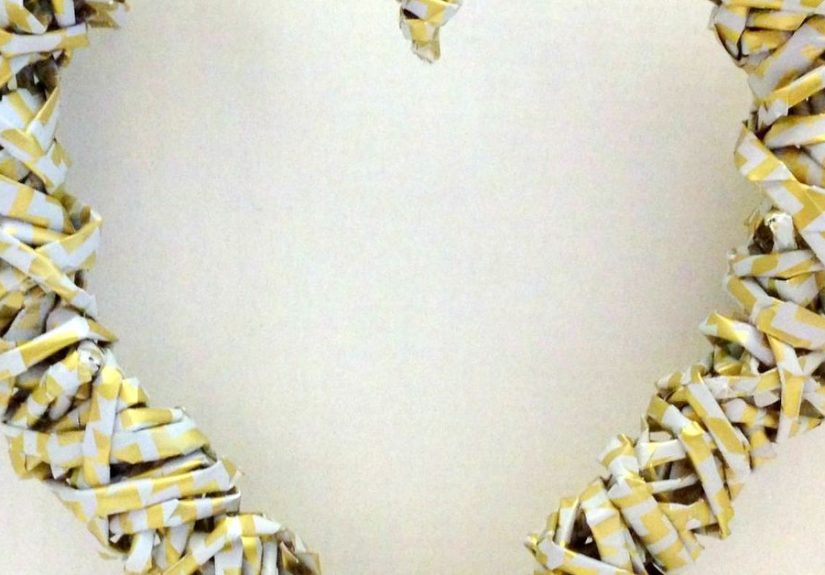
This project turns leftover gift wrap, kraft paper, tissue paper, scrapbook scraps, or even brown paper bags into a non-traditional Valentine heart that can be used as a wall decoration, gift topper, card embellishment, hanging ornament, or mini garland. Instead of buying another glittery decoration that will shed on your table until July, you can create something personal with paper you probably already have at home.
The best part? You do not need professional crafting skills. If you can cut a heart, fold paper, and survive a tiny argument with a glue stick, you can make this. The finished heart can be minimalist, romantic, rustic, colorful, modern, or joyfully chaotic. In other words, it can match your personality, your home, or the wrapping paper hiding in your closet like it owes rent.
Why Make a Non-Traditional Valentine Heart?
A handmade Valentine does something store-bought gifts struggle to do: it feels specific. Anyone can buy a card with a shiny red heart. But a handmade paper heart made from recycled gift wrap says, “I spent time on this,” without requiring you to learn blacksmithing or carve initials into a tree.
This craft is also wonderfully flexible. You can make one large heart as Valentine’s Day decor, several small hearts as gift tags, or a whole batch for a garland. It works for romantic partners, friends, parents, teachers, coworkers, or anyone who deserves a tiny paper declaration of affection. And because you are using gift-wrapping paper, every heart looks different. Floral paper feels soft and romantic. Newspaper or kraft paper looks rustic. Metallic scraps add drama. Polka dots bring playful energy. Old holiday paper? Surprisingly chic when cut into hearts and layered thoughtfully.
Materials You’ll Need
Before you begin, gather your supplies. The goal is not to buy a cart full of craft materials. The goal is to use what you have and make it look intentional. That is the ancient secret of DIY: confidence plus glue.
Basic Supplies
- Leftover gift-wrapping paper, tissue paper, scrapbook paper, kraft paper, or paper bags
- Cardboard, cardstock, or cereal-box cardboard for the heart base
- Scissors or a craft knife
- Pencil
- Heart template or a folded-paper heart shape
- Glue stick, craft glue, or decoupage medium
- Ribbon, twine, baker’s twine, or yarn
- Hole punch
- Optional: buttons, lace, paper doilies, washi tape, beads, stickers, paint pen, or letter stamps
Best Paper Choices
Not all wrapping paper behaves the same way. Thicker paper is easier to glue without wrinkles. Thin tissue paper creates a beautiful layered look but needs a gentle hand. Glossy paper can look polished, although it may resist some glues. Kraft paper is sturdy and perfect for a farmhouse or minimalist Valentine style. If your paper has glitter, foil, or plastic coating, save it for decoration rather than recycling later.
Step-by-Step Tutorial: Make a Gift-Wrapping Paper Heart
This version creates a sturdy decorative heart that can be displayed, tied onto a gift, or turned into a hanging Valentine ornament. You can scale the size up or down depending on your purpose.
Step 1: Create Your Heart Template
Fold a piece of scrap paper in half. Draw half of a heart along the folded edge, then cut it out and unfold it. This gives you a symmetrical heart without needing to trust your freehand drawing skills, which may or may not have peaked in third grade.
For a gift topper, make the heart about 3 to 5 inches wide. For wall decor, try 8 to 12 inches. For a garland, use several hearts in the same size so the final piece looks balanced.
Step 2: Cut the Cardboard Base
Place the paper heart template on cardstock or thin cardboard. Trace around it with a pencil, then cut it out. This base gives your wrapping paper heart structure, especially if you plan to hang it or attach embellishments.
A cereal box works beautifully for this step. The printed side will be covered, so no one needs to know your Valentine began life as a granola advertisement.
Step 3: Choose and Cut Your Wrapping Paper
Lay your gift wrap face down. Place the cardboard heart on top and trace around it, leaving about half an inch extra around the edge. Cut out the wrapping paper heart. The extra border will wrap around the cardboard, giving the front a clean finish.
If you want a patchwork look, cut smaller pieces of wrapping paper in strips, triangles, squares, or torn shapes. Torn edges create a softer collage effect, while clean cuts look modern and tidy.
Step 4: Glue the Paper to the Base
Apply a thin, even layer of glue to the cardboard base. Press the wrapping paper on top, smoothing from the center outward. If wrinkles appear, do not panic. Paper wrinkles are not failure; they are texture with a publicist.
For a smoother finish, use a glue stick on lightweight paper or a small amount of craft glue spread thinly with a brush. If you are using decoupage medium, brush a layer under the paper, smooth it down, then add a light sealing coat over the top once the first layer is secure.
Step 5: Wrap the Edges
Turn the heart over. Snip small cuts into the extra paper border around the curves so it folds neatly. Add glue to the tabs and fold them onto the back of the cardboard. This creates a finished edge on the front and prevents awkward paper bunching.
For a cleaner back, trace and cut a second heart from plain paper or coordinating gift wrap, then glue it over the folded tabs. This is especially helpful if the heart will hang where both sides are visible.
Step 6: Add Dimension
Now comes the fun part. Layer smaller paper hearts on top, add folded strips, or create a raised center. One easy method is to cut three smaller hearts from different papers, fold each in half, and glue only the fold line to the center of the base heart. The sides lift slightly, creating a soft 3D effect.
You can also roll thin paper strips into curls, add a paper rosette, or glue tiny folded hearts along one side. Keep the design balanced by choosing one main feature instead of adding every embellishment you own. Unless your theme is “craft drawer explosion,” in which case, carry on bravely.
Step 7: Make It Hangable
Punch a small hole near the top center or on both upper curves of the heart. Thread ribbon, yarn, or baker’s twine through the hole and tie a loop. If the paper is delicate, reinforce the hole with a small circle of tape or cardstock on the back before punching.
For a gift topper, skip the hanging loop and attach the heart directly to a wrapped box with tape, twine, or a mini clothespin. You can also write the recipient’s name on the back and use it as a handmade Valentine gift tag.
Creative Design Ideas for Your Paper Heart
The beauty of this non-traditional Valentine craft is that it does not have to be red and pink. In fact, the more unexpected your paper choices are, the more interesting the final heart becomes.
Rustic Kraft Paper Heart
Use brown kraft paper or a grocery bag as the base layer. Add white paint pen dots, handwritten words, twine, and a tiny paper flower. This style looks charming on simple gift boxes and farmhouse-inspired Valentine decor.
Modern Black-and-White Heart
Try black-and-white wrapping paper, newspaper, sheet music, or book-page-style paper. Add a single red ribbon or gold paper accent for contrast. The result feels elegant and grown-up without becoming too serious. It is still a paper heart, after all, not a tax document.
Patchwork Memory Heart
Use scraps from old gift wrap, ticket stubs, envelopes, maps, or printed notes. Arrange them like a collage. This version is perfect for anniversaries, long-distance friendships, or family Valentine gifts because the paper itself tells a story.
Mini Heart Garland
Make several small hearts and string them onto ribbon. Hang the garland across a mantel, mirror, bookshelf, window, or headboard. Vary the paper patterns but repeat one color throughout to keep the garland cohesive.
Gift-Wrap Heart Card
Glue a finished paper heart onto folded cardstock. Add a simple message such as “You are loved,” “Best Valentine ever,” or “I made this, so legally you have to admire it.” A handmade card with texture feels far more personal than a flat printed design.
Tips for a Better Finished Heart
Use less glue than you think you need. Too much glue can make thin paper bubble or tear. Smooth paper gently with clean fingers or the side of a ruler. Let each layer dry before adding heavier decorations. If your heart curls as it dries, place it under a book for a few hours after the glue is no longer wet.
When combining patterns, choose one bold print, one smaller print, and one solid or neutral paper. This keeps the design from becoming too busy. If your wrapping paper is very shiny, test glue on a scrap first. Some slick papers need stronger craft glue or double-sided tape.
For kids, pre-cut the cardboard bases and provide larger paper pieces that are easier to handle. For adults, try more detailed techniques such as decoupage, stitching around the edge, layering translucent tissue, or adding hand-lettered messages.
How to Use Your DIY Valentine Paper Heart
Once finished, your paper heart can become more than a decoration. Tie it to a bouquet. Add it to a lunch bag. Tape it to a mirror. Slip it into a book as a surprise bookmark. Use it as a place card for a Valentine dinner. Attach several to branches in a vase for a paper heart centerpiece. Add magnets to the back and place them on the refrigerator. Suddenly, leftover wrapping paper has a social life.
You can also make a set of hearts in different sizes and layer them on a wall with removable adhesive strips. This creates a quick Valentine backdrop for photos, parties, classrooms, or cozy home decor. Because the materials are lightweight, they are easy to hang and remove.
Eco-Friendly Angle: Reuse Before You Toss
This project is a smart way to reuse wrapping paper that might otherwise end up in the trash. Plain paper wrap, kraft paper, paper bags, tissue, and boxes often have more life in them than we think. Shiny, laminated, glittered, or foil papers can be harder to recycle, which makes reusing them for crafts a practical choice.
Instead of buying new Valentine decorations, you can turn scraps into something meaningful. It is budget-friendly, creative, and a little kinder to your craft closet. Plus, it gives you an excellent excuse to save pretty paper without sounding like a person who has a “special drawer” for ribbon pieces. Although, between us, that drawer is valid.
Common Mistakes to Avoid
Using Too Much Glue
A heavy glue layer can soak paper and cause wrinkles. Apply a thin coat and add more only where needed.
Skipping the Cardboard Base
Wrapping paper alone may curl or flop. A firm base helps the heart hold its shape, especially for hanging decor.
Cutting Without a Template
A folded template keeps both sides of the heart even. It is simple, fast, and saves you from creating a heart that looks like it had a stressful morning.
Mixing Too Many Patterns
Pattern mixing is fun, but give the eye a place to rest. Add solid paper, kraft paper, or white space to balance bold designs.
Experience Notes: What This DIY Valentine Project Teaches You
After making several gift-wrapping paper hearts, one thing becomes obvious: the paper decides more than you expect. Thick kraft paper behaves politely. It folds, glues, and sits flat like it attended finishing school. Thin tissue paper is beautiful but dramatic. It wrinkles if you look at it too confidently. Glossy wrapping paper looks polished, but it sometimes refuses glue like a cat refusing instructions. The trick is not to fight the material. Match the technique to the paper, and the project becomes much easier.
One of the best experiences with this craft is discovering how charming imperfect pieces can be. A slightly wrinkled floral paper heart can look vintage. A torn edge can look artistic. A crooked ribbon can look handmade in the best possible way. The goal is not factory-level precision. The goal is warmth, personality, and that small spark of surprise when someone realizes the decoration was made by hand.
This project is also a great reminder that non-traditional Valentine gifts often feel more memorable than expensive ones. A handmade paper heart tucked onto a wrapped book, a jar of cookies, or a small bouquet can turn a simple gift into something thoughtful. It says, “I noticed the details.” And honestly, details are where the magic lives. A tiny handwritten message on the back can make the heart feel like a keepsake rather than a decoration.
If you are crafting with kids, the experience becomes less about the final heart and more about the process. Children love choosing paper, tearing scraps, and deciding where each piece should go. Their designs may not be symmetrical, but they are usually full of energy and personality. For a classroom, family craft night, or weekend project, pre-cutting the bases helps keep things smooth. Give everyone a pile of paper scraps and let the creativity run wild. Put down newspaper first unless you enjoy finding glue dots on the table two weeks later.
For adults, the project can become surprisingly relaxing. Cutting paper, smoothing layers, tying ribbon, and arranging colors has a calming rhythm. It is simple enough to do while listening to music or chatting with a friend, but creative enough to feel satisfying. You can make one heart in fifteen minutes or spend an hour creating a detailed collage. There is no wrong pace.
The biggest lesson is this: handmade does not need to be complicated to feel special. A gift-wrapping paper heart is humble, inexpensive, and easy, but it carries personality. It gives old paper a second chance and gives Valentine’s Day a fresh twist. That is the real charm of this DIY project. It turns scraps into sentiment, and it does so without requiring glitter explosions, expensive tools, or a heroic level of patience.
Conclusion
A DIY gift-wrapping paper heart is the perfect non-traditional Valentine project for anyone who wants something personal, affordable, and creative. It uses simple materials, welcomes imperfection, and can be styled in dozens of ways. Whether you turn it into a gift topper, garland, card, ornament, or wall decoration, the finished heart feels thoughtful because it is made by hand.
Instead of reaching for another predictable Valentine item, dig into your paper scraps and make something with character. Your leftover wrapping paper might be one fold, snip, and dab of glue away from becoming the sweetest little heart in the room.