Table of Contents >> Show >> Hide
- What Is a Dry Stack Stone Planter?
- Best Places to Use a Dry Stack Stone Planter
- Choosing the Right Stone
- Planning the Size and Shape
- Tools and Materials You Will Need
- How to Build a Dry Stack Stone Planter
- Best Plants for a Dry Stack Stone Planter
- Design Ideas for a Beautiful Stone Planter
- Common Mistakes to Avoid
- Maintenance Tips
- Cost Considerations
- Is a Dry Stack Stone Planter Worth It?
- Real-World Experiences With Dry Stack Stone Planters
- Conclusion
- SEO Tags
A dry stack stone planter is the garden feature that looks like it has been there forever, even if you built it last Saturday with muddy shoes, three cups of coffee, and a very optimistic wheelbarrow. Unlike a plastic raised bed or a plain timber box, a dry stack stone planter brings texture, weight, and old-world charm to a yard. It turns flowers, herbs, shrubs, and vegetables into a scene instead of just a planting zone.
The phrase “dry stack” simply means the stones are stacked without mortar. Each rock is chosen, placed, adjusted, and locked into position by gravity, friction, and good craftsmanship. It sounds simple, but the magic is in the details: a level base, smart drainage, staggered joints, stable stones, and a shape that works with the landscape instead of fighting it like a stubborn garden gnome.
Whether you want a rustic stone planter beside a walkway, a raised herb garden near the kitchen, or a curved flower bed that softens a patio, this guide walks through the design, materials, building steps, plant choices, maintenance tips, and real-world lessons that make a dry stack stone planter both beautiful and durable.
What Is a Dry Stack Stone Planter?
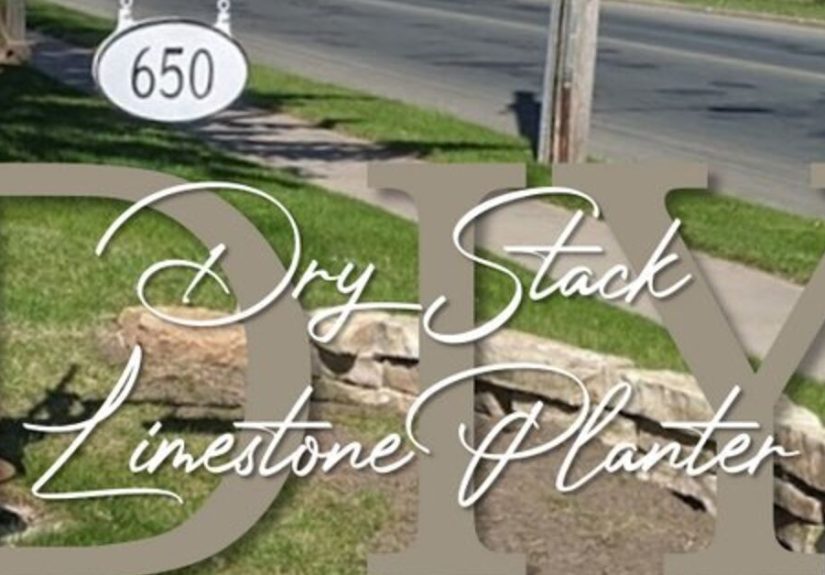
A dry stack stone planter is a raised planting bed or garden container built with stacked natural stone, manufactured wall stone, fieldstone, limestone, sandstone, granite, or concrete retaining wall blocks designed to resemble stone. The wall holds soil in place while creating an elevated growing area. Because there is no mortar between the stones, the planter has a natural, handcrafted appearance and can allow small amounts of water to move through the joints.
Dry stack planters are especially popular in cottage gardens, rustic landscapes, woodland yards, farmhouse-style homes, and modern outdoor spaces that need a touch of natural texture. They can be square, rectangular, circular, oval, curved, terraced, or built around an existing tree or slope.
Why Homeowners Love Dry Stack Stone Planters
The biggest appeal is visual. Stone has character. Every chip, color variation, fossil mark, rough edge, and weathered face adds personality. A dry stack stone planter does not look mass-produced. It looks intentional, grounded, and pleasantly permanent.
Function matters too. A raised stone planter improves planting access, defines garden zones, helps manage poor native soil, and can lift plants above soggy or compacted ground. In many yards, that is a major advantage. Instead of battling clay soil year after year, you can fill the planter with a better growing mix and finally give your herbs, flowers, or vegetables a fighting chance.
Best Places to Use a Dry Stack Stone Planter
A dry stack stone planter works almost anywhere, but it shines when placed with purpose. Think of it as outdoor furniture that happens to grow basil.
Along Walkways and Entry Paths
A low stone planter beside a front walk creates instant curb appeal. Fill it with lavender, ornamental grasses, creeping thyme, salvia, or seasonal annuals, and suddenly the path to your front door feels less like a sidewalk and more like an invitation.
Beside Patios and Outdoor Seating Areas
Dry stack stone planters are excellent patio borders. They soften hard paving, provide a natural transition between outdoor rooms, and can even double as informal seating if the top course is wide and stable enough. Add fragrant herbs or compact flowering perennials near seating areas for a garden that smells as good as it looks.
On Gentle Slopes
If your yard has a mild slope, a stone planter can create a usable planting terrace. The key word is mild. A low dry stack planter is not the same thing as an engineered retaining wall. For taller walls, steep slopes, driveways, drainage problems, or heavy soil pressure, bring in a qualified professional. Gravity has a long winning streak.
In Vegetable and Herb Gardens
A dry stack stone raised bed can be a beautiful home for rosemary, thyme, peppers, lettuce, strawberries, kale, and compact tomatoes. Stone absorbs warmth during the day and releases it slowly, which can create a friendly microclimate for many herbs and Mediterranean-style plants.
Choosing the Right Stone
Not every rock deserves a starring role in your planter. The best dry stack stones have relatively flat top and bottom surfaces, enough weight to stay put, and shapes that can interlock with neighboring stones.
Natural Fieldstone
Fieldstone creates a relaxed, rustic look. It often includes irregular shapes and mixed colors, which can be gorgeous but also slower to stack. If you enjoy puzzles, fieldstone is your new weekend hobby. If you do not enjoy puzzles, fieldstone may test your personality in ways you did not request.
Limestone and Sandstone
Limestone and sandstone are popular choices because they often split into flatter pieces. Their layered look works beautifully in cottage gardens, Southwestern landscapes, and traditional American yards. Sandstone tends to bring warm tan, buff, red, or brown tones, while limestone often appears gray, cream, blue-gray, or beige.
Granite and Heavy Wall Stone
Granite is strong, durable, and handsome, but it can be heavy and harder to shape. It is ideal for homeowners who want a bold, long-lasting wall and are not afraid of serious lifting. A helper is not optional here; it is self-care.
Manufactured Retaining Wall Blocks
Concrete wall blocks are not technically natural stone, but they are widely used for dry stack garden planters because they are uniform, predictable, and easier for beginners. Many have lips, pins, or interlocking shapes that help align the wall. They are a practical option when you want a neat planter without spending half the afternoon arguing with one lumpy rock.
Planning the Size and Shape
Before buying stone, decide where the planter will go, how tall it should be, and what you want to grow. A planter for annual flowers can be shallower than one for deep-rooted vegetables or shrubs. Most small garden planters work well at 12 to 24 inches high. For a DIY dry stack stone planter, lower is usually safer, easier, and more stable.
Width matters too. If you want to reach plants from both sides, keep the bed around 3 to 4 feet wide. If the planter sits against a wall or fence and can only be reached from one side, keep it closer to 2 feet wide. Your future self will thank you when you are not performing acrobatics to harvest parsley.
Good Shapes for Beginners
- Rectangle: Easy to mark, easy to plant, and ideal for vegetables or herbs.
- Square: Great for small spaces, patios, and symmetrical garden layouts.
- Circle: Attractive for tree rings, focal-point planters, and flower displays.
- Gentle curve: Beautiful in informal landscapes, though it requires more patience when fitting stones.
Tools and Materials You Will Need
A dry stack stone planter does not require fancy masonry equipment, but the right basic tools make the job cleaner, safer, and less likely to turn into a backyard soap opera.
- Flat stacking stone or retaining wall blocks
- Crushed stone or paver base for the foundation
- Coarse gravel for drainage behind or inside the wall
- Landscape fabric, if needed, to separate soil from drainage stone
- Garden soil, compost, and planting mix
- Shovel, rake, hand tamper, rubber mallet, and level
- String line, stakes, marking paint, hose, or rope for layout
- Work gloves, safety glasses, and sturdy shoes
How to Build a Dry Stack Stone Planter
The process is not complicated, but it rewards patience. A strong dry stack planter starts at the bottom. If the base is crooked, every course above it will gossip about your mistake.
Step 1: Choose a Level, Well-Drained Location
Pick a spot with the right sunlight for your plants. Vegetables and many flowering plants need at least six hours of direct sun. Herbs such as rosemary, oregano, sage, and thyme also love sunny conditions. If you are planting shade perennials, choose a cooler location with filtered light.
Avoid placing the planter where roof runoff pours directly into it or where water naturally pools after rain. Drainage is one of the most important parts of a successful raised stone planter.
Step 2: Mark the Shape
Use a garden hose, rope, stakes, or marking paint to outline the planter. Stand back and look at it from different angles. A shape that looks perfect from the patio may look oddly like a potato from the driveway. Adjust before digging, not after.
Step 3: Dig the Trench
Dig a trench along the outline wide enough for the largest stones and deep enough to hold a compacted base. For small planters, several inches of compacted crushed stone or paver base is usually sufficient. The goal is to create a firm, level foundation that drains well and resists settling.
Step 4: Add and Compact the Base
Fill the trench with crushed stone or paver base in layers. Compact it firmly with a hand tamper. Check the base with a level as you go. This step is not glamorous, but it is the reason the planter still looks good after storms, freeze-thaw cycles, watering, and time.
Step 5: Set the First Course
The first course is the most important course. Use the largest, flattest, most stable stones here. Place each stone carefully, checking that it sits solidly and does not wobble. If a stone rocks back and forth, adjust the base or choose another stone. Wobbly stones at the bottom become dramatic problems at the top.
Step 6: Stack With Staggered Joints
As you build upward, avoid lining up vertical joints from one course to the next. Each stone should bridge the joint below it when possible. This staggered pattern helps lock the wall together and improves stability. Place stones so they tilt very slightly inward toward the soil, especially on taller planters.
Step 7: Use Hearting Stones
Small stones, often called hearting stones, can be used inside the wall to fill gaps and stabilize larger stones. Do not stuff tiny rocks into the visible face as decoration only. Use them where they actually support the structure. Think of them as the quiet backstage crew making the whole performance look effortless.
Step 8: Add Drainage Material
For planters that hold a significant amount of soil, add coarse gravel or drainage stone behind the inside face of the wall. Landscape fabric can help keep soil from washing into the drainage layer while still allowing water to move. Good drainage reduces pressure on the wall and helps prevent soggy soil around plant roots.
Step 9: Fill With the Right Soil Mix
Do not fill the planter with heavy clay scraped from the yard unless your goal is to create a brick factory. A better mix includes quality garden soil blended with compost and organic matter. For vegetables and herbs, aim for a loose, fertile, well-draining growing medium. The exact blend depends on your climate, plants, and native soil, but the goal is simple: moisture-retentive, not waterlogged.
Step 10: Cap the Top
Use flatter, wider stones for the top course. A stable cap gives the planter a finished look and helps hold the wall together. Some homeowners use landscape adhesive on the cap stones, especially with manufactured wall blocks. If you want a truly traditional dry stack wall, skip the adhesive and rely on careful stone placement.
Best Plants for a Dry Stack Stone Planter
The best plants depend on sunlight, planter depth, water access, and your style. Dry stack stone planters pair beautifully with plants that spill, soften, and contrast with the hard stone edges.
For Sunny Planters
- Lavender
- Rosemary
- Thyme
- Sedum
- Salvia
- Coreopsis
- Yarrow
- Ornamental grasses
For Partial Shade
- Heuchera
- Hosta
- Ferns
- Astilbe
- Foamflower
- Japanese forest grass
For Edible Gardens
- Lettuce and leafy greens
- Parsley, basil, cilantro, and chives
- Strawberries
- Dwarf peppers
- Bush beans
- Compact tomatoes with support
For a polished look, combine upright plants, mounding plants, and trailing plants. For example, use rosemary or salvia for height, heuchera or compact zinnias for fullness, and creeping thyme or sweet potato vine to spill over the stones. The wall should look planted, not like it is wearing a tiny green hat.
Design Ideas for a Beautiful Stone Planter
Rustic Cottage Planter
Use irregular fieldstone, soft curves, lavender, daisies, catmint, and creeping thyme. Let plants tumble naturally over the edges for a relaxed, storybook look.
Modern Low Stone Planter
Choose uniform gray or charcoal wall stone with clean lines. Plant ornamental grasses, white flowers, compact evergreens, or sculptural succulents for a simple contemporary design.
Kitchen Herb Wall
Build a low rectangular planter near the back door and fill it with basil, oregano, thyme, parsley, sage, and chives. Add stepping stones nearby so you can harvest herbs without walking through wet grass in your socks. Not that anyone has ever done that. Certainly not.
Pollinator Stone Bed
Plant bee balm, coneflower, salvia, milkweed, yarrow, and native grasses. The stone wall gives structure while the plants attract bees, butterflies, and beneficial insects.
Common Mistakes to Avoid
Skipping the Base
Stacking stones directly on lawn or soft soil is asking for uneven settling. The planter may look fine on day one, then lean like it has heard disappointing news after the first heavy rain. Always prepare a compacted, level base.
Building Too Tall Without Support
Low dry stack planters are manageable for many DIY homeowners. Tall walls that retain heavy soil are different. If the wall is high, supports a slope, sits near a structure, or could create damage if it fails, consult a professional.
Using Round Stones
Round river rock looks pretty, but it is not ideal for dry stacking because the stones do not interlock well. Save rounded stone for mulch, dry creek beds, or decorative accents.
Ignoring Drainage
Water is patient, sneaky, and undefeated. Without drainage, saturated soil can push against the wall and stress the structure. Use well-draining soil, gravel where appropriate, and a location that does not collect runoff.
Filling With Poor Soil
A beautiful stone planter filled with bad soil is like buying a fancy oven and only cooking frozen waffles. Improve the growing mix with compost and organic matter so plants can thrive.
Maintenance Tips
A dry stack stone planter is relatively low maintenance, but not maintenance-free. Inspect it after heavy rain, winter freezes, or major watering mistakes. Look for stones that have shifted, bulged, or loosened. Reset small stones before the issue grows.
Top off soil as it settles. Raised beds naturally lose volume over time as organic matter breaks down and soil compacts. Add compost each season to refresh nutrients and improve structure. Pull weeds early, especially from cracks between stones, before their roots become tiny garden anchors.
If moss appears on shaded stones and you like the look, leave it. If algae or slippery growth develops on walking edges or seating areas, clean it carefully. Stone should look aged, not hazardous.
Cost Considerations
The cost of a dry stack stone planter depends on stone type, planter size, local material prices, delivery fees, and whether you build it yourself or hire a contractor. Natural stone can vary widely in price. Locally sourced stone is often more affordable and usually blends better with the surrounding landscape. Manufactured wall blocks are predictable and easy to estimate, especially when using a retaining wall block calculator or supplier guidance.
Do not forget base material, gravel, soil, compost, fabric, tools, delivery, and possible equipment rental. The stones may be the star, but the supporting cast still sends invoices.
Is a Dry Stack Stone Planter Worth It?
Yes, a dry stack stone planter is worth it if you want a durable, attractive, natural-looking raised bed that improves your landscape and gives plants a defined home. It is especially worthwhile for homeowners who enjoy DIY projects, appreciate rustic materials, and want something more permanent than a wooden garden box.
However, it is not the fastest or lightest planter option. Stone is heavy. Fitting irregular pieces takes time. Building a stable wall requires care. If your main goal is speed, a kit planter may be better. If your goal is character, longevity, and garden charm, dry stack stone is hard to beat.
Real-World Experiences With Dry Stack Stone Planters
After seeing many dry stack stone planters in real yards, one lesson becomes clear: the best ones look relaxed, but they are carefully planned. The casual beauty is not an accident. Behind every charming stone planter is usually someone who spent a surprising amount of time choosing the “right” rock, turning it three times, setting it down, picking it back up, and muttering something unpublishable.
One of the most useful experiences is starting small. A low herb planter near a kitchen door is a perfect first project. It teaches the basics of layout, trenching, leveling, stacking, and backfilling without overwhelming the builder. A simple 2-foot by 6-foot herb bed can hold rosemary, thyme, parsley, basil, chives, and oregano while giving the homeowner daily practice in maintaining soil moisture. Because stone can warm up in the sun, Mediterranean herbs often look especially happy in this type of planter. They seem to understand the assignment.
Another common lesson is that stone selection matters more than people expect. A pallet of beautiful but irregular stone may look romantic at the supplier, then become a wrestling match in the yard. Flat stones stack faster. Stones with depth create stronger walls. Long stones that reach back into the wall are valuable because they tie the structure together. Thin face stones may look nice, but they do not always provide enough stability. Experienced builders often sort stones into piles before stacking: large base stones, medium wall stones, small chinking stones, and flat cap stones. This simple step saves time and prevents the classic problem of needing a perfect cap stone after you already buried it in course two.
Drainage is another lesson people learn quickly, sometimes the hard way. A planter that sits in a low, wet corner may struggle no matter how pretty the wall looks. Plants can yellow, roots can rot, and the wall can shift if water pressure builds behind it. The better approach is to observe the yard after rain before building. If water naturally flows through the area, redirect it, raise the planter, or choose a better location. A dry stack planter should manage water gracefully, not become a tiny decorative dam.
Soil settling is also normal. Many first-time builders fill the planter to the perfect height, plant it beautifully, and then discover a month later that the soil has dropped several inches. This is not failure. Compost breaks down, loose soil consolidates, and watering pulls particles into gaps. Keep extra compost and planting mix available for topping off. In the first season, expect adjustments. A garden is not furniture; it moves, grows, settles, and occasionally behaves like it has its own opinions.
Plant choice can make or break the finished look. A brand-new stone planter may appear a little harsh until plants soften the edges. Trailing thyme, creeping Jenny, sedum, nasturtiums, strawberries, and low-growing herbs can spill over the stone and make the wall look settled into the landscape. Upright plants add structure, while mounding perennials fill gaps. The most attractive planters usually combine several textures: fine leaves, broad leaves, flowers, and evergreen elements.
The final experience worth sharing is emotional: dry stack stone planters feel satisfying because they are built by hand. Each stone has to be considered. Each course shows progress. When the project is finished, the planter does not look like something simply purchased and placed. It looks made. That sense of permanence is rare in a world full of quick outdoor upgrades. A dry stack stone planter gives the garden roots before the plants even go in.
Conclusion
A dry stack stone planter is more than a raised bed with a rugged outfit. It is a practical landscape feature that improves soil control, adds structure, supports beautiful planting designs, and brings timeless character to outdoor spaces. The secret is not complicated: choose good stone, prepare a compacted base, stack with care, plan for drainage, and fill the bed with soil your plants will actually enjoy.
Build it low, build it solid, and let the plants soften the edges. In return, you get a planter that can make a front yard feel more welcoming, a patio feel more finished, and a vegetable garden feel less like a chore zone and more like a place you actually want to visit. And yes, you may develop strong opinions about rocks. That is normal. The garden understands.
Note: This article is for general landscaping education. For tall walls, steep slopes, heavy soil pressure, poor drainage, or areas near foundations and driveways, consult a qualified landscape professional or engineer before building.