Table of Contents >> Show >> Hide
- Why a Fall Garden Checklist Matters
- Your Fall Garden Checklist, Section by Section
- 1. Clean Up the Yard, but Do It With a Brain
- 2. Give Your Lawn a Strong Finish
- 3. Refresh Perennial Beds Without Overdoing It
- 4. Rebuild Vegetable Beds for Next Season
- 5. Water Trees and Shrubs Before the Ground Freezes
- 6. Plant the Right Things in Fall
- 7. Protect Tender Plants and Bulbs
- 8. Skip Most Major Pruning
- 9. Protect Young Trees and Vulnerable Evergreens
- 10. Winterize Tools, Hoses, and Gear
- Common Fall Gardening Mistakes to Avoid
- A Simple Fall Garden Timeline
- Real-Life Experiences From a Fall Garden That Finally Learned Its Lesson
- Conclusion
Fall gardening has two personalities. One is cozy, pumpkin-scented, and very photogenic. The other is a practical, slightly muddy adult who whispers, “Did you drain the hose?” If you want a healthier lawn, stronger perennials, better spring soil, and fewer unpleasant surprises when winter finally barges in, it pays to tackle both sides of the season.
A smart fall garden checklist is less about making your yard look perfect for one last photo and more about setting up plants, soil, and tools for the months ahead. Done right, fall cleanup can protect roots, reduce disease pressure, help wildlife, and make spring gardening dramatically easier. Done wrong, it can leave you with smothered grass, stressed shrubs, soggy tools, and a garden bed that feels personally offended by your existence.
This guide walks you through exactly what to do in your lawn, flower beds, vegetable garden, and landscape before cold weather arrives. It also covers what not to do, because fall is a season full of good intentions and questionable pruning decisions.
Why a Fall Garden Checklist Matters
Winter prep is not just about tidiness. It is about timing. In fall, soil is still warm enough for roots to grow even while top growth slows down. That makes it an ideal moment to improve soil, plant certain trees and bulbs, divide some perennials, overseed cool-season lawns, mulch thoughtfully, and protect vulnerable shrubs before hard freezes arrive.
Just as important, fall is when you decide what stays and what goes. Diseased vegetable debris should leave. Thick leaf mats on turf should go. But not every dry stem or fallen leaf is a villain. Some garden debris shelters pollinators and beneficial insects over winter, so the best cleanup is selective rather than ruthless. Think “curated cleanup,” not “landscape purge.”
Your Fall Garden Checklist, Section by Section
1. Clean Up the Yard, but Do It With a Brain
Start with the obvious: remove broken branches, rotting fruit, and clearly diseased plant material. Any plants that struggled with blight, mildew, major pest infestations, or suspicious leaf spots should not be left to party in the garden all winter. Bag them or dispose of them according to local yard waste rules rather than composting them if disease is a concern.
Then shift to selective cleanup. In ornamental beds, many seed heads, standing stems, and a layer of leaves can protect crowns, reduce erosion, and offer winter shelter for beneficial insects and birds. That means you do not need to strip every flower bed down to bare soil like it is preparing for surgery. In fact, a little restraint can make your garden healthier and more wildlife-friendly.
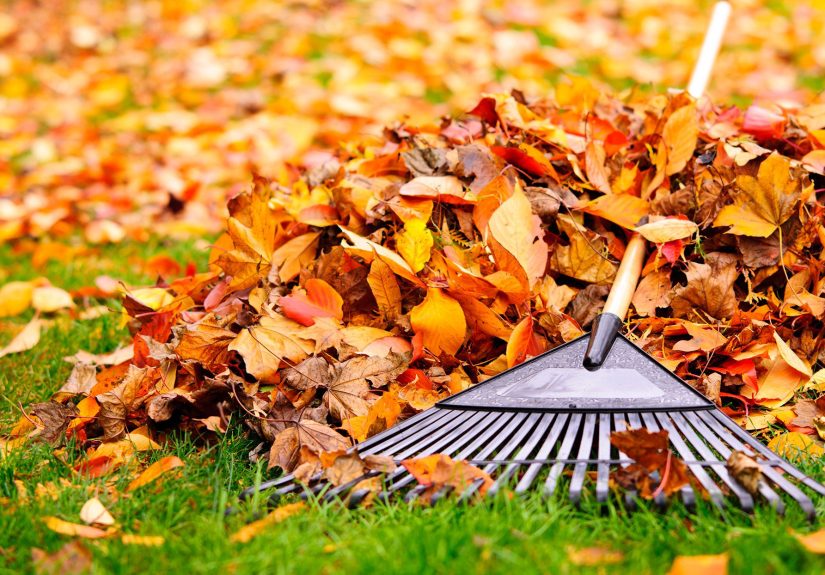
For the lawn, however, too many leaves are a problem. A light layer can be mulched in with a mower, but thick mats block light and trap moisture. If your grass disappears under a leafy comforter, shred the leaves and redistribute them to beds or the compost pile.
2. Give Your Lawn a Strong Finish
If you grow cool-season grass, fall is prime time for repair work. Overseeding thin spots, mowing at the proper height, removing excess leaves, and fertilizing at the right time can make the difference between a lush spring lawn and a patchy, mossy apology.
Keep mowing as growth slows, but do not scalp the lawn. A moderate final height helps reduce disease risk without leaving grass so tall that it mats under snow. Follow the one-third rule: never remove more than one-third of the blade in a single mowing.
Fall is also a practical time to overseed bare or thin areas. Seed needs good soil contact and consistent moisture during germination, so do not toss it onto a crunchy patch and expect a miracle. Rake the area, seed evenly, and water enough to keep the upper layer of soil moist until seedlings establish.
As for fertilizer, fall is often the most important feeding window for cool-season turf. If you only fertilize once a year, this is the one that earns its keep. Just do not confuse “helpful feeding” with “buffet.” More is not better. Follow label directions and local extension guidance for your region.
3. Refresh Perennial Beds Without Overdoing It
Perennial beds benefit from a light touch and smart timing. Remove any mushy, diseased, or clearly collapsed plant material. Cut back plants that become messy, slimy, or disease-prone over winter. But for sturdy perennials with attractive seed heads or hollow stems, consider leaving at least part of the structure standing until spring. That gives wildlife shelter and adds winter interest to the landscape.
Fall is also a good season to divide certain spring- and summer-blooming perennials that have become overcrowded. If a clump flowers less, flops more, or develops a dead-looking center, it may be asking for a division. Give newly divided plants enough time to establish before the ground freezes, and water them well after replanting.
Once the soil cools, add mulch around perennial beds to moderate temperature swings and protect roots. Shredded leaves, bark, or composted organic matter all work well. The key is moderation. Mulch is a blanket, not a burial.
4. Rebuild Vegetable Beds for Next Season
Your vegetable garden has worked hard. Reward it with a proper shutdown instead of walking away like the season never happened.
Pull spent annual vegetables, weeds, and any dead vines or stems that could harbor pests and disease. Healthy, disease-free plant matter can be composted. Beds that were hit by disease should be cleaned more thoroughly.
Next, feed the soil. Fall is a great time to add compost, chopped leaves, or well-rotted manure if appropriate for your setup. These materials improve structure, feed soil organisms, and help the bed wake up in spring in a much better mood.
If you have empty beds, plant a cover crop. This is one of the most underrated moves in the whole checklist. Cover crops help reduce erosion, suppress weeds, add organic matter, and protect bare soil from compaction. Depending on where you live, options may include oats, winter rye, winter wheat, crimson clover, or hairy vetch. Even a simple winter-kill cover crop can do a lot of quiet, useful work while you are inside pretending not to think about seed catalogs.
Garlic is another excellent fall task. In many regions, planting garlic in autumn gives cloves time to root before winter and produces larger bulbs the following year. It is one of the few chores that makes you feel productive now and smug later.
5. Water Trees and Shrubs Before the Ground Freezes
One of the most overlooked fall jobs is deep watering for trees and shrubs, especially evergreens and newly planted specimens. Plants can continue losing moisture in winter, and dry roots make winter injury more likely. Water deeply during dry fall weather until the soil begins to freeze.
This matters most for broadleaf evergreens, conifers, and anything planted within the last year or two. If autumn has been dry and you are relying on a light sprinkle from the sky once every ten days, your shrubs may be entering winter thirsty.
Mulch helps here too. Spread a layer over the root zone to hold moisture and buffer temperature changes, but keep it pulled back from trunks and crowns. Mulch volcanoes may be popular in parking lots and bad landscaping photos, but they are not a best practice. Keep the trunk flare visible.
6. Plant the Right Things in Fall
Fall is a surprisingly good planting season for many deciduous trees and shrubs because cooler air and still-warm soil support root growth with less stress than summer heat. It is also the right time to plant many spring-blooming bulbs such as daffodils, tulips, crocus, and hyacinths.
That said, not everything loves fall planting equally. Some evergreens and plants with fleshy roots can be more vulnerable if planted too late, especially in colder climates. The lesson is simple: fall planting is wonderful, but your local climate still gets a vote.
If you are planting bulbs, do it while the soil is workable and before deep freeze. Water after planting if the weather is dry so roots can start forming before winter settles in.
7. Protect Tender Plants and Bulbs
Some plants need more than good wishes to survive winter. Tender bulbs such as dahlias, gladiolus, caladiums, and some cannas often need to be dug and stored indoors in colder regions. Wait until foliage dies back or frost blackens the tops, then lift carefully, dry as needed, and store according to the plant’s needs.
Container plants deserve attention too. Empty, clean, and store pots that could crack in freeze-thaw cycles. Move tender plants indoors before cold weather arrives. If a potted shrub or perennial is only marginally hardy in your zone, protect the pot or relocate it to a more sheltered space. Winter is not the season to find out your decorative planter has the insulation value of a paper towel.
8. Skip Most Major Pruning
Fall makes people want to prune. Maybe it is the back-to-school energy. Maybe it is the satisfying snip of clean blades. But for many trees and shrubs, heavy fall pruning is not ideal. It can encourage tender new growth or leave fresh cuts exposed heading into winter. In most cases, save major structural pruning for the dormant season.
The exceptions are common-sense ones: dead, damaged, diseased, or hazardous branches should be removed. Otherwise, put the loppers down and back away slowly.
9. Protect Young Trees and Vulnerable Evergreens
Young, thin-barked trees may need trunk protection from sunscald, frost cracks, or animal damage. Tree guards or white wrap can help in exposed sites. Evergreens in windy or sunny winter locations may benefit from burlap wind protection, especially if they have shown winter burn before.
Think of this as a seatbelt, not a full-body cast. Use protection where it is needed, install it correctly, and remove seasonal materials in spring.
10. Winterize Tools, Hoses, and Gear
Now for the part future-you will either appreciate or curse.
Clean soil off shovels, hoes, pruners, and rakes. Dry them well. Sharpen blades. Oil metal parts lightly to help prevent rust. Condition rough wooden handles if needed. Drain hoses completely and store them properly so they do not crack or kink. Shut off irrigation if applicable. Empty rain barrels and clean out watering cans, trays, and other odds and ends that can hold water and freeze.
This part is not glamorous, but it matters. Tools that go into storage dirty, dull, and damp usually come back out angry.
Common Fall Gardening Mistakes to Avoid
Cleaning Too Much
Not every leaf is a problem and not every brown stem is ugly. Over-cleaning can remove winter habitat for pollinators and strip protection from soil and plant crowns.
Cleaning Too Little
On the flip side, thick leaf mats on turf and disease-ridden vegetable debris should not stay in place. Balance beats perfection.
Mulching Against Trunks
Mulch touching bark traps moisture and invites trouble. Keep it a few inches away from trunks and stems.
Planting Too Late
Roots need time to establish. Waiting until the ground is nearly frozen is more wishful thinking than gardening.
Forgetting to Water
Cool weather fools people into thinking plants do not need moisture. Trees and shrubs still need it, especially before freeze-up.
A Simple Fall Garden Timeline
Early fall: clean out diseased material, overseed lawns, divide suitable perennials, add compost, start cover crops, plant trees and shrubs where appropriate.
Mid-fall: mulch beds after soil cools, plant spring bulbs, keep watering during dry spells, mow and manage leaves, move tender plants indoors.
Late fall: dig tender bulbs after frost if needed, protect young trees and evergreens, drain hoses, clean and store tools, finish final cleanup before hard freezes settle in.
Real-Life Experiences From a Fall Garden That Finally Learned Its Lesson
The first time I tried to prep a yard for winter, I treated the whole project like a race against one chilly Saturday. I raked every leaf, hacked down every stem, shoved a muddy hose into the garage, and called it a triumph. By spring, the lawn had bare patches, the flower beds looked strangely lifeless, and my pruners had the rusted charm of a pirate relic. It was not my best work.
What changed everything was learning that a good fall garden checklist is not about doing more. It is about doing the right things in the right places. Now I leave shredded leaves on beds where they protect the soil, but I do not let them smother the grass. I leave seed heads on coneflowers and grasses because they look beautiful in frost and the birds clearly approve. But I remove diseased tomato vines like I am evicting terrible tenants.
One year, I skipped deep watering because autumn felt cool and damp enough. Then winter winds arrived, and an evergreen by the front walk looked bronzed and miserable by February. Since then, I always water shrubs and new trees well before the ground freezes, especially if the season has been dry. It is not dramatic work, but it prevents very dramatic disappointment.
I also learned not to be seduced by “just one more pruning project” in fall. There is something about crisp weather that makes cutting things back feel productive. But I have absolutely created more trouble than beauty by trimming shrubs too late. These days, I limit myself to removing dead or damaged wood and save the ambitious shaping for dormancy or spring, depending on the plant.
The vegetable garden has taught me the value of ending the season with intention. Pulling out spent plants, layering compost, and sowing a cover crop does not feel flashy in the moment. In fact, it can feel like tucking a room away that no one will use for months. But spring me is always grateful. Beds open earlier, weeds are less aggressive, and the soil feels darker, softer, and easier to work. That is the kind of quiet win gardeners learn to love.
And then there are the tools. I used to think tool care was optional, like reading the instructions on a board game. Now I know better. Cleaning and oiling pruners takes a few minutes. Replacing neglected pruners that seize up at the exact moment you need them is a much more expensive character-building exercise.
What I like most about fall garden prep now is that it changes the way winter feels. Instead of seeing the yard as abandoned until April, I see it as resting. The beds are mulched. The bulbs are tucked in. The hose is drained. The garlic is planted. The birds still have seed heads to visit. Even the bare branches look less empty when you know the roots beneath them got what they needed before the freeze.
So yes, follow the checklist. But do not aim for a yard that looks erased. Aim for one that looks cared for. A winter-ready garden is not lifeless. It is prepared.
Conclusion
If you want an easier spring, start in fall. Clean up diseased debris, manage leaves wisely, refresh beds with compost, plant cover crops and bulbs, water trees and shrubs before the ground freezes, protect vulnerable plants, and put your tools away like the organized gardening genius you absolutely deserve to become. Your future yard will thank you, probably by not looking terrible in March.