Table of Contents >> Show >> Hide
- Why Food Preparation Matters More Than Fancy Recipes
- The Four Rules of Safe Food Preparation
- How to Prep Food Like a Normal Person, Not a TV Chef
- The Anatomy of a Good Recipe
- Three Practical Recipe Formulas to Use Again and Again
- Recipe Ideas That Work in Real Life
- How to Make Recipes Healthier Without Making Them Sad
- Storing Leftovers and Repurposing Them Well
- on the Experience of Food Preparation & Recipes
- Conclusion
Note: This article is based on real U.S. food safety, nutrition, and home-cooking guidance and is formatted for web publishing.
Some people treat cooking like a relaxing evening ritual. Other people treat it like a hostage situation involving one onion, a suspicious chicken breast, and a sink full of dishes. Both groups, thankfully, can benefit from better food preparation and smarter recipes.
Food preparation is not just about chopping vegetables so aggressively that your cutting board files a complaint. It is the foundation of safer meals, better flavor, lower food waste, and a more realistic way to eat well on busy weekdays. When you know how to plan, prep, season, store, and cook food properly, recipes stop feeling like strict rules and start acting more like helpful road maps.
This guide breaks down what food preparation really means, how to make recipes easier to follow, and how to build meals that are practical, delicious, and repeatable. Whether you are cooking for one, feeding a family, or simply trying to stop ordering takeout every time you hear the words “defrost first,” this article gives you a workable system.
Why Food Preparation Matters More Than Fancy Recipes
A great recipe is useful, but a great prep routine is what saves dinner at 6:17 p.m. on a Wednesday when everybody is hungry and patience has officially left the building. Good food preparation helps you:
Cook more safely
Safe cooking starts before the pan gets hot. Clean hands, separate tools for raw and ready-to-eat foods, proper chilling, and correct cooking temperatures all help reduce the risk of foodborne illness. In plain English: wash things, do not let raw chicken flirt with your salad, and do not guess whether meat is done just because it “looks right.”
Save time during the week
Prepping ingredients in advance makes cooking faster and less chaotic. Washed greens, chopped onions, cooked grains, roasted vegetables, and portioned proteins can turn a 45-minute recipe into a 15-minute dinner. Suddenly, your future self starts thinking you are a genius.
Reduce waste and stretch your grocery budget
When you plan meals around ingredients that can be reused in multiple recipes, fewer groceries end up in the trash. A roast chicken can become tacos, soup, salad, or grain bowls. A pot of beans can show up in chili, wraps, and rice bowls. Leftovers stop being leftovers and start being “Phase Two.”
Build healthier meals without obsessing
Balanced meals usually come together more easily when you think in parts: vegetables and fruit, whole grains or smart carbs, and satisfying protein. That approach keeps meals flexible and realistic. You do not need perfection. You need dinner.
The Four Rules of Safe Food Preparation
If you remember nothing else, remember this kitchen mantra: clean, separate, cook, and chill. It is not glamorous, but neither is spending the weekend regretting that potato salad.
1. Clean
Wash your hands before and after handling food. Clean cutting boards, knives, prep bowls, counters, and sink areas regularly. Rinse fresh produce well, even if you plan to peel it. Clean prep is not about turning your kitchen into a surgical lab. It is about preventing germs from moving around like uninvited party guests.
2. Separate
Raw meat, poultry, seafood, and eggs should stay away from foods that are ready to eat. Use separate cutting boards when possible, or wash and sanitize between tasks. Store raw proteins in containers or sealed bags on lower refrigerator shelves so drips do not contaminate produce, dairy, or leftovers.
3. Cook
Use a food thermometer when cooking meat, poultry, seafood, casseroles, and leftovers. It is more reliable than color, texture, or confidence. Chicken and turkey need to hit 165°F, ground meats generally need 160°F, and many whole cuts of beef, pork, veal, and lamb are safely cooked at 145°F with rest time. Fish is typically cooked to 145°F or until it turns opaque and flakes easily.
4. Chill
Perishable foods should not sit out too long. Refrigerate leftovers, cooked foods, and groceries promptly. Your refrigerator should stay at 40°F or below, and your freezer at 0°F. The “I’ll put it away later” approach is how leftovers become science projects.
How to Prep Food Like a Normal Person, Not a TV Chef
Meal prep has been marketed as rows of identical containers that make your refrigerator look like it works in accounting. That style can work, but it is not the only option. Real-life food prep is more flexible.
Start with ingredients, not full meals
Instead of preparing seven complete lunches you may hate by Thursday, prep a few building blocks:
- Cook one grain, such as brown rice, quinoa, or farro
- Prepare one or two proteins, such as grilled chicken, baked tofu, beans, or turkey meatballs
- Roast a tray of vegetables
- Wash salad greens and slice crunchy vegetables
- Make one sauce or dressing
Those basics can become bowls, wraps, salads, soups, pasta dishes, and quick dinners all week long.
Choose recipes with overlapping ingredients
Smart meal planning is less about making a perfect menu and more about making your groceries pull double duty. If you buy spinach, use it in omelets, pasta, smoothies, and soup. If you roast sweet potatoes, turn them into tacos one night and grain bowls the next. If cilantro is invited to the party, it needs to work more than one shift.
Prep the tedious stuff first
The tasks most likely to stop you from cooking are the tiny annoying ones: mincing garlic, washing herbs, draining beans, slicing onions, and grating cheese. Do those ahead of time, and cooking feels much easier. Nobody has ever said, “I was excited to zest a lemon after work.”
The Anatomy of a Good Recipe
Whether you are writing a recipe, following one, or improvising dinner from the refrigerator odds and ends, most successful meals follow the same logic.
Flavor base
This is where the personality lives. Think onion, garlic, ginger, scallions, celery, peppers, herbs, spices, citrus, or tomato paste. A strong flavor base makes simple ingredients taste intentional instead of accidental.
Main ingredient
This could be chicken, fish, eggs, beans, lentils, tofu, pasta, or rice. The main ingredient gives the dish its identity and staying power.
Texture and contrast
Good recipes balance soft, crunchy, creamy, bright, savory, and sometimes sweet elements. A grain bowl with roasted vegetables gets better with crunchy seeds. A soup gets brighter with lemon. A taco gets rescued by slaw. Texture is the difference between “pretty good” and “wait, this is actually excellent.”
A finish
The best dishes often need one final move: fresh herbs, yogurt, a squeeze of lime, toasted nuts, grated Parmesan, or a drizzle of olive oil. Finishing touches make home cooking taste less flat and more complete.
Three Practical Recipe Formulas to Use Again and Again
1. The breakfast formula: protein + fiber + fruit
Breakfast does not need to be elaborate. Try overnight oats with rolled oats, Greek yogurt, chia seeds, berries, and cinnamon. Or make egg muffins with spinach, peppers, and a little cheese. Another easy option is toast with nut butter, banana slices, and a sprinkle of seeds. The goal is not breakfast glory. The goal is eating something that will not leave you raiding the snack drawer at 10:15 a.m.
2. The lunch formula: bowl meals
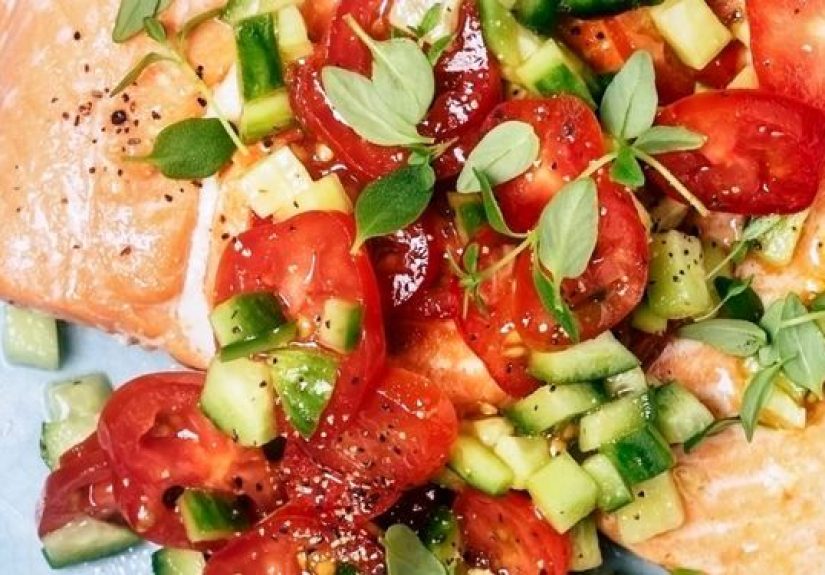
Bowls are forgiving, fast, and ideal for meal prep. Start with a grain or greens, add protein, pile on vegetables, then finish with a sauce. A black bean and brown rice bowl with corn, avocado, salsa, and cabbage works beautifully. So does a salmon bowl with quinoa, cucumber, tomatoes, and lemon-dill yogurt. Bowl meals are basically organized leftovers wearing a nicer outfit.
3. The dinner formula: one pan, one pot, or sheet pan
Busy nights are made for low-drama recipes. Sheet-pan meals, soups, chilis, skillet pasta, and stir-fries all minimize cleanup while maximizing flavor. Try lemon-garlic chicken with carrots and broccoli on a single pan. Or make a vegetable and bean soup with canned tomatoes, onions, carrots, zucchini, herbs, and white beans. Recipes that cook everything together often build flavor naturally and keep the dishwasher from filing a formal protest.
Recipe Ideas That Work in Real Life
Sheet-Pan Lemon Herb Chicken and Vegetables
Toss chicken thighs or breasts with olive oil, garlic, lemon juice, black pepper, and dried herbs. Spread them on a sheet pan with chunks of carrots, red onion, and broccoli. Roast until the chicken is cooked through and the vegetables are browned at the edges. Serve with brown rice, whole-grain couscous, or a simple green salad.
Hearty Black Bean Soup
Sauté onion, garlic, and bell pepper. Add black beans, low-sodium broth, cumin, chili powder, and tomatoes. Simmer until everything gets cozy. Blend part of the soup for a thicker texture, then top with plain yogurt, avocado, cilantro, or crushed baked tortilla strips. It is filling, budget-friendly, and somehow tastes even better the next day.
Vegetable Pasta with White Beans
Cook whole-wheat pasta and save a little pasta water. In a skillet, cook garlic, zucchini, spinach, and cherry tomatoes in olive oil. Add white beans, the pasta, and enough pasta water to make a light sauce. Finish with lemon zest, Parmesan, and red pepper flakes. This is the kind of meal that feels suspiciously fancy for something you can make while half-listening to a podcast.
DIY Grain Bowls
Use cooked rice, quinoa, or farro. Add roasted vegetables, beans or grilled chicken, chopped greens, and a flavorful dressing. A tahini-lemon sauce, yogurt-herb dressing, or salsa-based vinaigrette can completely change the mood of the same ingredients. It is meal prep without boredom.
How to Make Recipes Healthier Without Making Them Sad
Healthy cooking does not require blandness, punishment, or the emotional tragedy of dry chicken. A few simple adjustments can improve the nutrition profile of a recipe while keeping it satisfying.
- Use more vegetables to add volume, fiber, and color
- Choose lean proteins or plant proteins more often
- Swap some refined grains for whole grains
- Season with herbs, spices, citrus, garlic, and vinegar to build flavor without relying on excess salt
- Use cooking methods like roasting, baking, grilling, steaming, and sautéing
- Watch portions of high-sodium sauces, rich dressings, and added sugars
The point is not to remove pleasure from food. It is to make delicious meals that also leave you feeling good afterward. That is a much better long-term strategy than surviving on “healthy” recipes that taste like cardboard wearing paprika.
Storing Leftovers and Repurposing Them Well
Leftovers are one of the best parts of food preparation when handled correctly. Store them in shallow containers so they cool faster, label them if you are ambitious, and use them within a safe timeframe. Reheat leftovers thoroughly, especially soups, casseroles, rice dishes, and cooked meats.
Just as important, give leftovers a second identity. Roasted vegetables can become frittatas or wraps. Grilled chicken can go into soup, tacos, or pasta. Cooked rice can be turned into fried rice with eggs and vegetables. Leftover roasted salmon can become a salad topper or grain-bowl protein. Reinvention keeps food interesting and reduces waste.
on the Experience of Food Preparation & Recipes
Food preparation is never just about food. It is about rhythm, memory, mood, and the strange little rituals that make a kitchen feel alive. Anyone who has cooked regularly knows that recipes are only part instruction and part autobiography. They tell you what to do, but your own habits, taste, and history decide what the final dish becomes.
For many people, the experience of cooking begins with uncertainty. You read a recipe three times, gather ingredients, and still feel like you are about to take a pop quiz in a language you almost understand. Then something changes. You chop enough onions to stop fearing onions. You learn what garlic smells like when it is perfect and what it smells like two seconds before regret. You understand that a pan has moods, that soup needs patience, and that salt is not the enemy when used wisely. Little by little, the kitchen becomes less intimidating and more conversational.
There is also a unique satisfaction in prep work that outsiders do not always appreciate. Washing herbs, lining up containers, simmering grains, and roasting vegetables can feel deeply ordinary, but that ordinary work creates calm. It turns the week ahead from a mystery into a manageable plan. Opening the refrigerator and seeing ingredients ready to go feels like discovering that your past self was unexpectedly kind.
Recipes also carry emotional weight. A tomato sauce may remind someone of a grandparent. Cornbread may feel like a holiday table. Chicken soup can taste like care, even on a terrible day. A recipe copied onto an old card, stained with oil and marked with tiny edits, often says more about family and experience than a polished cookbook page ever could. Food preparation keeps those stories moving from one kitchen to another.
Then there is the reality of modern life: tired evenings, short budgets, picky eaters, forgotten ingredients, and the occasional culinary disaster. Real cooking includes overcooked rice, underseasoned beans, and the dramatic moment when you realize you never bought the lemon the recipe insisted was “essential.” Yet those imperfect moments are part of the experience too. Home cooks learn flexibility faster than perfection. They substitute, adjust, improvise, and keep going. Sometimes the best meals are the ones that began as Plan B.
Perhaps the most rewarding part of food preparation is how it changes the way people relate to eating. Meals stop being random events and become choices shaped with intention. You notice flavor more. You waste less. You become more aware of balance, texture, freshness, and timing. Even simple foods feel more valuable when you prepare them yourself.
And maybe that is the real magic of recipes. They are not there to control you. They are there to teach you until you trust your own judgment. At first, you follow every tablespoon exactly. Later, you taste, adjust, and make the dish yours. That transition, from hesitant follower to confident cook, is one of the most satisfying experiences the kitchen can offer. It is not just dinner. It is skill, memory, comfort, creativity, and a little triumph served on a plate.
Conclusion
Food preparation and recipes work best when they support real life. A smart cooking routine is not built on perfection. It is built on safe habits, a few dependable techniques, flexible ingredients, and recipes that can bend without breaking. When you prep with intention and cook with curiosity, everyday meals become easier, healthier, and much more enjoyable. In other words, dinner stops feeling like a daily ambush and starts feeling like something you can actually win.