Table of Contents >> Show >> Hide
- Why People Love Sharing Pictures Of The Books They Are Reading
- The Rise Of Book Photos, BookTok, Bookstagram, And Online Reading Culture
- What Your Current Read Might Say About You
- How To Take A Great Picture Of The Book You Are Currently Reading
- Why Current Reads Make Better Conversations Than Perfect Reviews
- Book Clubs, Libraries, And The Joy Of Reading Together
- What To Include When You Post Your Current Book Picture
- Reader Experiences: The Little Stories Behind Current-Read Photos
- Conclusion: Show Us The Book Currently Keeping You Company
There is something oddly personal about a picture of the book you are currently reading. Not your perfectly arranged bookshelf. Not the glossy hardcover you bought because the cover looked expensive and your self-control was on vacation. The book you are actually reading right now. The one with a receipt as a bookmark, a coffee ring nearby, or a dramatic little stack of sticky notes poking out like the book has grown feathers.
The prompt “Hey Pandas, Post A Picture Of A Book That You Are Currently Reading” works because it is simple, cozy, and surprisingly revealing. A current read says more than “I like books.” It says, “This is the story, idea, mystery, romance, memoir, fantasy kingdom, or self-help chapter currently living rent-free in my brain.” In a digital world overflowing with hot takes, sharing a book photo feels refreshingly human. It is quiet, but not boring. Social, but not shouty. A tiny literary window into someone’s day.
Book sharing has become a major part of online culture. Readers swap recommendations on Goodreads, decorate Instagram feeds with Bookstagram photos, follow BookTok favorites, join book clubs, and still love the simple pleasure of a print book in hand. Whether you are reading a brand-new romantasy, a classic novel, a thriller with a suspiciously charming neighbor, or a nonfiction book that makes you underline every third sentence, your current read deserves its little moment in the spotlight.
Why People Love Sharing Pictures Of The Books They Are Reading
A book photo is not just a picture of paper. It is a mood. A paperback on a picnic blanket says “main character energy.” A hardcover beside tea says “I have my life together,” even if there are six laundry baskets just outside the frame. An audiobook screenshot says “I read while walking, cleaning, commuting, and pretending errands are a literary retreat.”
Sharing a picture of a current book turns reading from a solo hobby into a gentle conversation starter. Someone sees the cover and says, “I loved that one,” “Is it worth reading?” or “That ending destroyed me, emotionally and spiritually, but in a classy way.” Suddenly, the reader is not alone with the book anymore. The story grows a little community around it.
It Makes Reading Visible Again
Reading often happens quietly. A person may spend hours inside a novel, but from the outside it looks like sitting still. Posting a book photo makes that invisible experience visible. It tells friends, followers, and fellow readers, “Here is where my imagination has been lately.”
This matters because reading for pleasure competes with endless scrolling, streaming queues, notifications, and the mysterious ability to lose forty minutes watching someone reorganize a refrigerator. A current-read photo is a tiny rebellion against the noise. It says, “I chose a book today.” That is not a small thing.
It Helps Readers Find Their Next Book
Book recommendations feel more trustworthy when they come from real people. A polished ad may tell you a novel is “unputdownable,” but a friend’s blurry couch photo with the caption “I accidentally stayed up until 2 a.m.” is much more convincing. Readers want proof of emotional damage. Preferably with a blanket in the background.
When people post pictures of their current reads, they create a casual recommendation network. One person shares a mystery. Another shares a memoir. Someone else posts a fantasy book with a map inside, and suddenly three people are asking whether dragons are involved. This is how reading lists multiply. It is also how innocent people end up with twenty-seven unread books on their nightstand, but that is a beautiful problem.
The Rise Of Book Photos, BookTok, Bookstagram, And Online Reading Culture
Online reading communities have changed the way people discover books. Bookstagram made book photography feel like an art form: cozy blankets, candles, flowers, pastries, color-themed shelves, and a book placed so carefully it looks like it is being honored by a tiny lifestyle committee. BookTok added emotion, speed, and dramatic reactions. Goodreads keeps the “currently reading” shelf alive for readers who love tracking progress, reviews, ratings, and reading goals.
Together, these platforms have made books feel social in a modern way. A reader does not need to attend a formal literary salon or wear tweed near a fireplace. They can post a cover, write one honest sentence, and find other readers who are also crying over fictional people or learning how to improve their habits one chapter at a time.
Book Photos Are Personal Branding Without Trying Too Hard
The books you read can say something about your taste, curiosity, humor, values, and current life season. A stack of cookbooks says you may be entering your homemade pasta era. A finance book says you are trying to behave like an adult. A fantasy epic says you have chosen world-building over reality, which is completely understandable. A murder mystery on a beach towel says relaxation, but with suspicious motives.
Unlike heavily edited lifestyle content, a current-read photo can be wonderfully low-pressure. It does not need to be perfect. In fact, a slightly messy book photo often feels more authentic. A dog paw in the corner? Excellent. A bookmark made from a grocery list? Iconic. A paperback so cracked it looks like it survived battle? That book has been loved.
What Your Current Read Might Say About You
Every genre has a personality. Of course, this is not scientific, but it is emotionally accurate, which is sometimes more entertaining.
If You Are Reading Fiction
You may be chasing escape, empathy, drama, comfort, or all four before breakfast. Fiction readers often love stepping into other lives and asking, “What would I do in this situation?” The answer is usually “make worse decisions,” but that is why novels are fun. Fiction also gives readers permission to feel deeply about people who do not technically exist, which is one of humanity’s better hobbies.
If You Are Reading Nonfiction
You are probably curious, ambitious, or trying to understand something that has been poking your brain. Nonfiction can be practical, emotional, historical, scientific, spiritual, funny, or wildly specific. A book about habits, history, cooking, psychology, business, or nature says, “I would like to know more about this world before it sends me another email.”
If You Are Reading Romance
You believe in tension, banter, emotional payoff, and possibly men with suspiciously good jawlines. Romance readers understand pacing, character chemistry, and the sacred art of yelling “Just communicate!” at two fictional adults who refuse to do so for 300 pages.
If You Are Reading Fantasy Or Science Fiction
You enjoy imagination with architecture. Fantasy and sci-fi readers are willing to learn new kingdoms, magic systems, planets, political alliances, invented technologies, and character names with apostrophes in them. That is commitment. That is cardio for the imagination.
If You Are Reading A Classic
You may be revisiting an old favorite, filling a gap in your reading life, or proving to yourself that you can survive sentences longer than a modern apartment lease. Classics endure because they still ask sharp questions about love, power, pride, greed, family, identity, and society. Also, sometimes they are much funnier than people expect.
How To Take A Great Picture Of The Book You Are Currently Reading
You do not need a professional camera, a marble table, or a candle named “Victorian Library Rainstorm.” A good book photo only needs three things: the book, decent light, and a little personality.
Use Natural Light
Place the book near a window, on a desk, on a blanket, or outside in soft daylight. Natural light makes book covers look clearer and warmer. Avoid harsh overhead lighting unless your goal is “interrogation room, but literary.”
Add One Or Two Personal Objects
A mug, bookmark, glasses, pen, flower, cat, notebook, or snack can make the photo feel lived-in. The trick is not to add so many props that the book looks like it wandered into a yard sale. Let the current read stay the star.
Show Your Reading Progress
A bookmark halfway through the pages tells a story. So do sticky tabs, folded corners, or a visible chapter heading. Readers love progress shots because they feel honest. You are not just showing a book you own; you are showing a book you are spending time with.
Write A Caption That Starts A Conversation
A good caption can be simple: “Currently reading this and loving the atmosphere,” “Halfway through and worried about everyone,” or “Someone tell me if I should emotionally prepare for the ending.” Questions work especially well. Ask whether others have read it, what they thought, or what they are reading next.
Why Current Reads Make Better Conversations Than Perfect Reviews
Finished reviews are useful, but current-read posts capture the experience while it is still happening. That gives them a special kind of energy. You can share first impressions, theories, favorite lines, confusion, excitement, or mild panic. A current-read post says, “I am in the middle of this, and I need witnesses.”
That middle stage is where some of the best book conversations happen. Before the ending locks everything into place, readers can guess, debate, worry, and bond over uncertainty. Is the narrator trustworthy? Is the love interest hiding something? Is the dragon symbolic, or is it just a dragon with excellent timing? These are important cultural questions.
Book Clubs, Libraries, And The Joy Of Reading Together
Even though most reading happens privately, books have always been social. Libraries host events, families read together, schools introduce children to stories, and book clubs turn pages into conversation. A shared book gives people a reason to gather, whether in a living room, classroom, library, coffee shop, online group, or comment thread.
Book clubs do not have to be serious affairs with formal discussion questions and someone named Margaret keeping time. They can be relaxed, funny, chaotic, snack-heavy, and still meaningful. Sometimes the best book club meeting is half discussion, half life update, and half dessert. Yes, that is three halves. Book clubs are powerful enough to bend math.
Libraries Still Matter In The Age Of Book Photos
Public libraries are not just places to borrow books. They are community spaces, research helpers, technology access points, children’s programming centers, and quiet refuges for people who need a place to think. A library book photo has its own charm: a barcode, a due date, a plastic cover, and the noble thrill of reading something for free.
Posting a library book can also remind others that reading does not have to be expensive. You do not need to buy every viral hardcover. Library cards, used bookstores, Little Free Libraries, ebooks, audiobooks, and book swaps all help make reading more accessible.
What To Include When You Post Your Current Book Picture
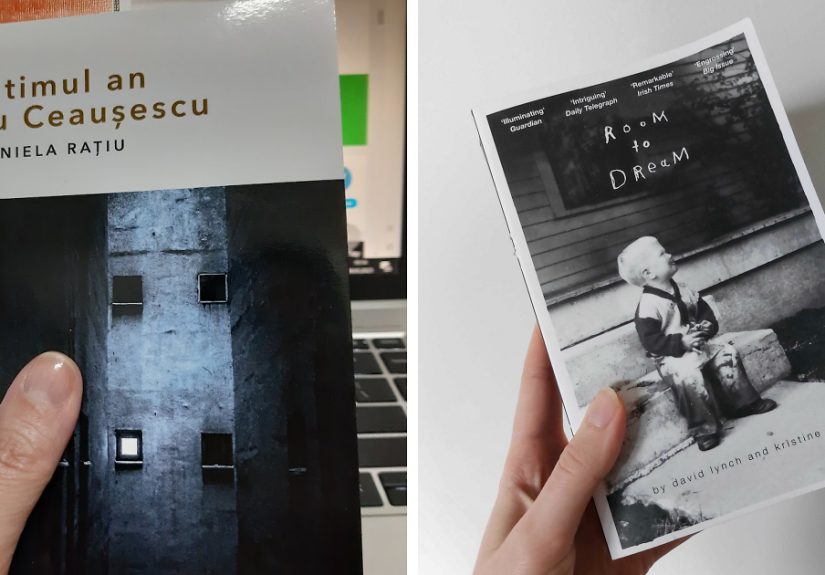
If you are joining a prompt like “Hey Pandas, Post A Picture Of A Book That You Are Currently Reading,” make the post useful and fun for other readers. A picture is great, but a little context makes it better.
- Book title and author: Make it easy for others to find the book.
- Genre: Mystery, romance, memoir, fantasy, nonfiction, horror, literary fiction, and so on.
- Your progress: Page 42, chapter 10, 70%, or “barely started but already suspicious.”
- Your quick reaction: Funny, slow, beautiful, intense, cozy, strange, brilliant, or “I have questions.”
- Who might enjoy it: Fans of twisty thrillers, gentle family stories, magical worlds, practical advice, or emotional destruction with elegant prose.
Reader Experiences: The Little Stories Behind Current-Read Photos
The best thing about a current-read photo is that it often carries a small life story with it. One reader may post a battered paperback they found in a used bookstore while killing time before a dentist appointment. Another may share a library copy they checked out after seeing five people recommend it online. Someone else may upload a photo of a cookbook open on the counter, with flour on the page and a caption admitting that the recipe is going “creatively.” These moments make books feel less like objects and more like companions.
Many readers remember exactly where they were when a certain book took over their life. Maybe it was a thriller read during a rainy weekend, when every sound in the apartment suddenly seemed suspicious. Maybe it was a romance novel finished on a long flight, with the reader trying not to smile too obviously at row 23. Maybe it was a grief memoir read slowly over several weeks because some pages required breathing room. A picture of the book becomes a timestamp for that emotional season.
There is also a special comfort in seeing that other people are reading imperfectly. Not everyone finishes a book in two days. Some readers start three books at once and rotate between them like a literary buffet. Some abandon books without guilt. Some listen to audiobooks while folding laundry and count that as reading, because it absolutely is. Some buy the hardcover, borrow the ebook, and listen to the audiobook because apparently one format was not dramatic enough. Current-read posts normalize all of that. They show that reading lives are flexible, messy, and personal.
For families, a current-read photo can become a small tradition. A parent might post the picture book their child wants every night, even though everyone in the house can now recite it from memory and the stuffed animals are probably tired of it too. A teenager might share a fantasy series that finally made reading feel exciting. A grandparent might post a historical novel beside a pair of reading glasses and accidentally become the most wholesome person on the internet that day.
Some book photos are funny because the book and the setting do not match. A terrifying horror novel on a sunny beach. A cheerful self-help book beside a cold cup of coffee and visible chaos. A serious biography next to a plate of nachos. That contrast is part of the charm. Reading fits into real life, not a perfect showroom version of it.
In the end, the experience behind the photo matters more than the photo itself. A current-read picture says, “This is what I am making time for.” It invites others to pause, look, ask, recommend, laugh, and maybe pick up a book of their own. That is the quiet magic of the prompt. It turns one reader’s private page into a shared doorway.
Conclusion: Show Us The Book Currently Keeping You Company
“Hey Pandas, Post A Picture Of A Book That You Are Currently Reading” is more than a cute online prompt. It is an invitation to celebrate curiosity, comfort, imagination, and community. Whether your book is new, old, borrowed, digital, listened to, annotated, or slightly attacked by your cat, it counts. Reading does not need to look perfect to be meaningful.
So take the picture. Share the title. Add a sentence about how it is going. Ask others what they are reading. You may help someone discover their next favorite book, restart their reading habit, join a conversation, or simply feel less alone in the middle of a chapter. And if your bookmark is a receipt, a napkin, or another smaller book, do not worry. That is not failure. That is reader culture.