Table of Contents >> Show >> Hide
- Why Australian and American Pronunciations Sound So Different
- 30 Words and Names Australians Often Pronounce Differently Than Americans
- 1. Emu
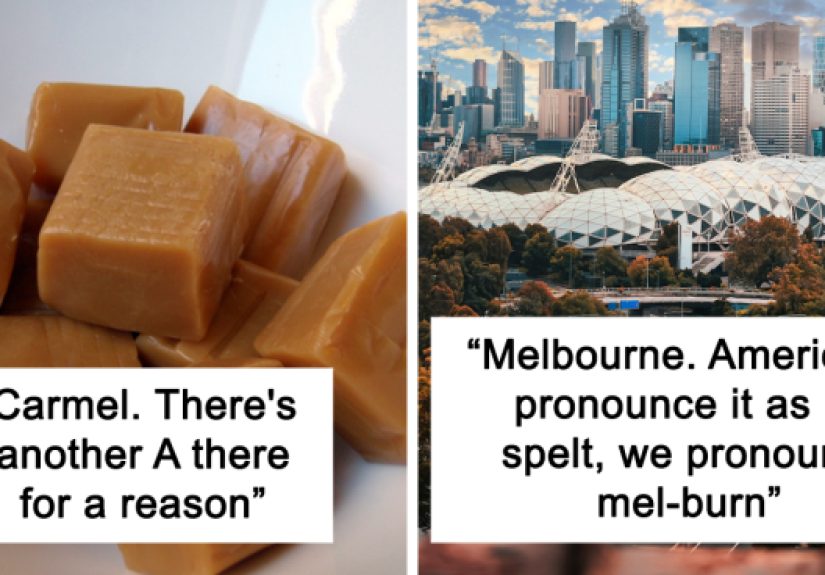
- 2. Melbourne
- 3. Brisbane
- 4. Canberra
- 5. Cairns
- 6. Australia
- 7. Aussie
- 8. Data
- 9. Tomato
- 10. Basil
- 11. Vitamin
- 12. Privacy
- 13. Dynasty
- 14. Leisure
- 15. Zebra
- 16. Vase
- 17. Herb
- 18. Oregano
- 19. Aluminum / Aluminium
- 20. Lieutenant
- 21. Schedule
- 22. Advertisement
- 23. Mobile
- 24. Route
- 25. Buoy
- 26. Foyer
- 27. Maroon
- 28. H
- 29. Z
- 30. Graham
- Patterns Behind These Pronunciation Differences
- Why Americans Notice Australian Pronunciation So Quickly
- Are Australian Pronunciations Becoming More American?
- 500 More Words: Real-Life Experiences With Australian vs. American Pronunciation
- Conclusion
- SEO Tags
Note: Pronunciation is wonderfully messy. Australia is not one giant talking kangaroo, and America is not one giant drive-thru speaker. Accents vary by region, age, family background, education, media influence, and personal habit. Still, many Australian English pronunciations follow patterns that sound noticeably different to American ears, especially around vowels, the letter “r,” stress placement, and words inherited from British English.
There are few things more entertaining than hearing two English speakers politely discover they do not, in fact, speak the same English. An Australian says “data,” an American hears “dah-tah,” and suddenly everyone at the table is doing accidental linguistics over iced coffee. Add place names like Melbourne, food words like basil, and the eternal alphabet showdown of “zed” versus “zee,” and you have a full-blown international pronunciation festival.
Australian English and American English are mutually understandable, but they do not always dance to the same rhythm. Australian English is usually non-rhotic, which means the “r” at the end of words is often softer or not pronounced unless followed by a vowel. American English, especially General American, tends to pronounce those “r” sounds more clearly. Australian vowels can also sound longer, flatter, or more centralized to Americans, while American vowels can sound sharper or more strongly separated to Australians.
Below are 30 words and names that Australians commonly pronounce differently from Americans, plus the reason each one tends to cause a double take. No judgment here. Language is not a spelling test with a passport. It is a living, changing, occasionally ridiculous social habitand that is what makes it fun.
Why Australian and American Pronunciations Sound So Different
The biggest pronunciation difference comes from accent history. Australian English developed from British and Irish varieties of English, then formed its own sound system over generations. American English also came from British English, but it changed differently, keeping many pronounced “r” sounds and developing its own vowel patterns.
That is why an Australian may say “water” closer to “waw-tuh,” while many Americans say “wah-ter” with a strong final “r.” It is also why words like “tomato,” “vase,” and “data” often sound closer to British-style pronunciations in Australia, while Americans usually prefer the versions common in U.S. dictionaries and schools.
Another factor is media. Australians hear American pronunciation constantly through movies, YouTube, TikTok, music, games, podcasts, and streaming shows. Americans hear Australian pronunciation less often, usually through celebrities, travel content, wildlife documentaries, or Bluey. As a result, Australians may recognize both versions, while Americans are more likely to be surprised by the Australian one.
30 Words and Names Australians Often Pronounce Differently Than Americans
1. Emu
Americans commonly say EE-myoo or EE-moo. Many Australians pronounce it more like EE-myoo, but the sound can be clipped and smoother. Since the emu is one of Australia’s most famous native birds, Australians understandably feel they get first dibs on this one.
2. Melbourne
Americans seeing the spelling for the first time often try MEL-born or MEL-burn. Australians usually say something closer to MEL-buhn or MEL-bən. The “bourne” does not get a dramatic stage entrance. It quietly leaves through the side door.
3. Brisbane
Many Americans guess BRIZ-bayn. Australians usually say BRIZ-bin. The final syllable is short and light, not a shiny “bane” sound. It is one of those place names that instantly reveals whether someone has spent time in Australia or simply read the map very confidently.
4. Canberra
Americans may say can-BEAR-uh, giving the middle syllable a big spotlight. Australians usually say CAN-bruh or CAN-buh-ruh, with the stress up front. Australia’s capital city is not trying to sound fancy. It has government paperwork to do.
5. Cairns
Americans often pronounce it like care-nz or even cairns with two clear syllable-ish movements. Australians usually compress it closer to cans. Yes, a tropical city famous for reef trips can sound like something stacked in a pantry.
6. Australia
Americans often say aw-STRAYL-yuh with a clear middle syllable. Australians may say it faster, closer to uh-STRAY-yuh or Straya informally. “Straya” is not just a pronunciation; it is practically a national shrug in word form.
7. Aussie
In the United States, some people mistakenly say AW-see. Australians usually say OZZ-ee. This one matters because calling someone an “AW-see” may not start an international incident, but it will definitely earn you a patient correction.
8. Data
Americans commonly say DAY-tuh, especially in tech and business. Many Australians say DAH-tuh, though DAY-tuh is also heard. The funny part is that both sides can sound absolutely certain, as if the spreadsheet itself has chosen a nationality.
9. Tomato
Americans usually say tuh-MAY-toh. Australians commonly say tuh-MAH-toh. It is the classic pronunciation divide, the one so famous it practically wears a tiny tuxedo and sings “let’s call the whole thing off.”
10. Basil
Americans typically say BAY-zil. Australians often say BAZ-il, with the first vowel closer to the “a” in “cat.” Either way, it still belongs on pasta, pizza, and any dish trying to look like it has its life together.
11. Vitamin
Americans commonly say VY-tuh-min. Australians usually say VIT-uh-min, closer to British pronunciation. So when an Australian says “vitamin,” it may sound to an American like the word got a sensible haircut.
12. Privacy
Americans often say PRY-vuh-see. Australians commonly say PRIV-uh-see. The word is already about boundaries, so naturally English speakers decided to disagree about the front gate.
13. Dynasty
Americans often say DIE-nuh-stee. Australians frequently say DIN-uh-stee. The American version sounds like a dramatic TV empire. The Australian version sounds like it has read the family trust documents.
14. Leisure
Americans usually say LEE-zhur. Australians often say LEH-zhuh. This is one of those words where the Australian version feels more relaxed, which is appropriate, because the word literally means free time.
15. Zebra
Americans usually say ZEE-bruh. Australians commonly say ZEB-ruh. The same animal gets two different outfits: one American, one Commonwealth. The zebra remains unavailable for comment.
16. Vase
Americans often say vayss, though vahz and vayz also exist. Australians commonly say vahz. Somehow, the Australian version makes the object sound more expensive, even if it came from the clearance shelf.
17. Herb
Americans usually drop the “h” and say erb. Australians usually pronounce the “h”: herb. This one surprises Americans because the silent “h” feels normal in the U.S., while Australians may wonder why the letter showed up if nobody invited it to speak.
18. Oregano
Americans commonly say uh-REG-uh-noh. Australians often say or-uh-GAH-noh or a similar Commonwealth-style version. It is the same pizza topping, but the pronunciation has clearly taken different cooking classes.
19. Aluminum / Aluminium
Americans say uh-LOO-muh-num because the U.S. spelling is “aluminum.” Australians use “aluminium” and pronounce it closer to al-yoo-MIN-ee-um. This is not just pronunciation; it is spelling wearing a lab coat.
20. Lieutenant
Americans usually say loo-TEN-unt. In Australian military and Commonwealth-style usage, lef-TEN-unt is traditionally heard. To American ears, the “f” seems to appear out of nowhere like a magician at a very formal parade.
21. Schedule
Americans usually say SKED-jool. Australians may say SHED-yool or SKED-jool, depending on speaker and context. The American-style version is increasingly familiar, but the Commonwealth-style “sh” still has a strong passport stamp.
22. Advertisement
Americans commonly stress it as AD-ver-tize-ment. Australians often say ad-VER-tis-ment, with a different stress pattern. It is a word about selling things, yet even the word itself cannot agree on how to present the pitch.
23. Mobile
Americans often say MOH-bul, especially for “mobile phone,” though regional variation exists. Australians commonly say MOH-byle. The word is small, but it can make a phone conversation feel like a pronunciation exam.
24. Route
Americans may say either root or rowt, depending on region and meaning. Australians commonly say root for route. However, Australians may laugh at the word because “root” has a different slang meaning in Australia. English loves setting traps.
25. Buoy
Americans usually say BOO-ee. Australians often say it closer to boy. This tiny nautical word can make seaside conversations unexpectedly funny. You thought you were discussing ocean safety; now everyone is debating vowels.
26. Foyer
Americans often say FOY-er or foy-YAY. Australians commonly say FOY-uh. It is a fancy word for an entryway, but in Australia it may arrive with fewer syllables and less theatrical lighting.
27. Maroon
Americans usually say muh-ROON. Australians may pronounce the color closer to muh-ROAN, especially in sporting contexts. If you follow rugby league, you may hear this one with serious emotional weight.
28. H
Americans usually pronounce the letter as aitch. Australians often say aitch too, but haitch is also common among many speakers, influenced by Irish English, schooling, and community background. Few single letters can start such a surprisingly passionate argument.
29. Z
Americans say zee. Australians usually say zed. This is one of the clearest and most famous differences. It also ruins the neat rhyme at the end of the alphabet song, but Australians have bravely carried on as a nation.
30. Graham
Americans often compress “Graham” into one syllable, like gram. Australians are more likely to say it as two syllables, closer to GRAY-um. This can make the name sound like two different people: one from a U.S. classroom roll call and one from an Australian cricket club.
Patterns Behind These Pronunciation Differences
Australians Often Soften or Drop Final “R” Sounds
In many Australian accents, words ending in “r” do not finish with the strong American “r.” That is why “water,” “better,” “doctor,” and “teacher” may sound different. Americans tend to pronounce the final “r,” while Australians usually let the word end with a softer vowel-like sound.
Australian Vowels Can Sound Broader to Americans
Words like “data,” “tomato,” and “vase” show how vowel choices can divide English speakers. Americans often use the “ay” sound, while Australians may use a broader “ah” sound. Neither pronunciation is wrong. They simply belong to different accent systems.
Stress Placement Changes the Whole Personality of a Word
Words like “advertisement” and “oregano” are not just about vowel quality. They also shift stress. When the stressed syllable moves, the word can feel completely different, even when the spelling is identical.
Place Names Follow Local Rules
Melbourne, Brisbane, Canberra, and Cairns prove a simple travel rule: locals decide how place names are pronounced. Spelling is only a clue, and sometimes not a very helpful one. If a visitor says “MEL-born,” most Australians will understand, but they may also gently file it under “tourist detected.”
Why Americans Notice Australian Pronunciation So Quickly
American English is globally dominant in entertainment, software, advertising, and pop culture, so many people around the world are used to hearing American pronunciation. But the reverse is less consistent. Americans may know a handful of Australian expressions“mate,” “no worries,” “arvo,” “brekkie”without being equally familiar with everyday Australian pronunciation.
That is why common Australian pronunciations can sound surprising even when they are completely standard. An American may not expect “zebra” to begin like “zeb,” or “privacy” to begin like “priv.” The difference is not about one group being correct and the other being wrong. It is about exposure. The more you hear a pronunciation, the more natural it sounds.
There is also a comedy factor. Pronunciation differences are harmless enough to joke about, but familiar enough for everyone to have an opinion. People can disagree about “data” without needing a diplomatic summit. Usually.
Are Australian Pronunciations Becoming More American?
In some cases, yes. Younger Australians hear American pronunciation constantly through social media, streaming platforms, gaming, music, and online education. Words like “schedule,” “data,” and even “zee” sometimes appear in more Americanized forms among younger speakers or people who work in international industries.
But Australian English is not disappearing. It continues to have its own vocabulary, humor, rhythm, spelling preferences, and pronunciation habits. Many Australians still strongly prefer “zed,” “vitamin” with a short “i,” “zebra” with “zeb,” and place names said the local way. Language changes, but it also protects identity. Sometimes that identity is defended one syllable at a time.
500 More Words: Real-Life Experiences With Australian vs. American Pronunciation
One of the funniest things about Australian and American pronunciation is that the confusion usually starts in ordinary situations. Nobody plans to have a cultural moment while ordering lunch, asking for directions, or talking about a spreadsheet. Yet there it is. One person says “basil,” another person pauses, and suddenly the conversation has become a tiny international conference.
Imagine an American tourist in Melbourne asking a café worker whether the sandwich has “BAY-zil.” The worker understands, of course, but replies with “BAZ-il,” and now the tourist wonders whether they have been seasoning food incorrectly their entire life. The sandwich arrives, everyone survives, and the basil remains emotionally neutral.
Place names create even better moments. Melbourne is the classic trap. Many Americans naturally read it as “MEL-born” because that is what the spelling suggests. Australians, however, compress it into “MEL-buhn,” and the correction can happen within five minutes of landing. Brisbane does the same thing. “BRIZ-bayn” becomes “BRIZ-bin.” Canberra loses its dramatic middle syllable. Cairns becomes “cans.” Australia is basically saying, “Welcome. Please ignore half the letters.”
Workplaces also reveal differences quickly. In a meeting, an Australian might say “DAH-tuh,” while an American says “DAY-tuh.” Both people are talking about the same report, but for a second it sounds like two different departments have entered the room. Tech teams, researchers, marketers, and students often hear both versions, so “data” has become one of those words people pronounce according to habit, audience, or whatever their boss says most often.
Names can be even more personal. “Graham” may sound like “gram” in many American mouths, while Australians may give it two syllables. “Craig” can sound closer to “Kreg” in the U.S. and more like “Crayg” in Australia. These differences are small, but names matter. People notice when their name is squeezed, stretched, or dressed in another accent’s jacket.
The letter “Z” may be the most famous example because it feels symbolic. Americans say “zee,” Australians say “zed,” and both sides are mildly shocked that the other version exists. For Australians, “zed” connects to Commonwealth English and school tradition. For Americans, “zee” is reinforced by the alphabet song and everyday spelling habits. Neither side is confused about the actual letter, but both sides enjoy pretending this is a serious constitutional issue.
Food words are another reliable source of friendly chaos. “Tomato” is the old classic, but “oregano,” “herb,” and “fillet” can also expose accent differences. Americans may drop the “h” in “herb,” while Australians usually pronounce it. Americans may say “uh-REG-uh-noh,” while Australians often stress it differently. The dinner table becomes a phonetics classroom with snacks.
The best way to handle these differences is curiosity, not correction. If you are American and hear an Australian pronunciation that surprises you, ask about it with genuine interest. If you are Australian and hear an American version that sounds odd, remember that it is standard somewhere else. English is not one road; it is a massive roundabout with confusing exits, local signage, and at least three people arguing over how to pronounce “route.”
Conclusion
Australian and American English share the same roots, but their pronunciations have grown in different directions. Some differences come from British influence, some from local Australian sound patterns, and some from American spelling and media history. Words like “tomato,” “data,” “zebra,” “vitamin,” and “privacy” show how a single vowel can carry a surprising amount of cultural identity.
The fun is not in deciding who is right. The fun is in noticing how flexible English can be. Australians and Americans can understand each other perfectly well most of the time, but every so often, a word like “Melbourne” or “zed” walks into the room and reminds everyone that English is less of a rulebook and more of a family reunion: loud, familiar, slightly chaotic, and full of relatives who insist their way is normal.