Table of Contents >> Show >> Hide
- What Rheumatoid Arthritis Pain Actually Involves
- Can a Vegan Diet Really Help Rheumatoid Arthritis Pain?
- How a Vegan Diet May Reduce RA Pain
- What a Joint-Friendly Vegan Diet Looks Like
- Nutrients You Cannot Afford to Ignore
- Foods and Habits That May Work Against Pain Relief
- A Practical Day of Eating for RA Support
- How to Start a Vegan Diet Without Making Yourself Miserable
- What a Vegan Diet Cannot Do
- Common Experiences People Report When They Try a Vegan Diet for RA
- Final Thoughts
If rheumatoid arthritis had a personality, it would be that rude guest who shows up uninvited, rearranges your furniture, and somehow also steals your energy on the way out. Rheumatoid arthritis, or RA, is an autoimmune disease that causes inflammation, pain, swelling, stiffness, and fatigue. It can turn opening jars into an Olympic event and make mornings feel like your joints slept on a pile of bricks.
So where does food fit into this messy picture? Right beside your medication, not in place of it. That distinction matters. A vegan diet is not a magic wand, a miracle kale leaf, or a substitute for the treatment plan from your rheumatologist. But for some people, a well-planned vegan diet can help reduce rheumatoid arthritis pain by lowering inflammation, improving weight management, supporting gut health, and increasing intake of antioxidant-rich foods.
In plain English: your fork may not be a doctor, but it can be a surprisingly helpful sidekick.
What Rheumatoid Arthritis Pain Actually Involves
RA pain is not just “my knee feels cranky today.” It comes from an overactive immune system that attacks the lining of the joints, creating inflammation that can lead to tenderness, stiffness, warmth, swelling, and long-term joint damage. Many people also deal with fatigue, brain fog, and a general feeling that their body has launched a complaint department against them.
Because inflammation is the starring villain in RA, researchers have spent years looking at whether anti-inflammatory eating patterns can help. A vegan diet enters the conversation because it naturally emphasizes foods like vegetables, fruits, beans, lentils, whole grains, nuts, and seeds while removing red meat, processed meat, and many sources of saturated fat. That combination may change the body’s inflammatory environment in a useful way.
Can a Vegan Diet Really Help Rheumatoid Arthritis Pain?
The honest answer is: sometimes, yes, but do not expect fireworks on day three.
Research on special diets for RA is still limited, and results are mixed. Some studies suggest that vegan or vegetarian diets can improve pain, morning stiffness, swollen joints, or overall disease activity in certain people. Other experts point out that the studies are often small, short-term, or hard to compare. In other words, the science is encouraging enough to take seriously, but not strong enough to tell every person with RA to throw out the cheese drawer and declare war on omelets.
Still, a vegan diet may reduce rheumatoid arthritis pain through several very practical mechanisms that make biological sense.
How a Vegan Diet May Reduce RA Pain
1. It often lowers the overall inflammatory load
A whole-food vegan diet tends to be rich in fiber, antioxidants, polyphenols, vitamins, and minerals. It is also often lower in saturated fat and ultra-processed foods when done well. That matters because many anti-inflammatory eating plans focus on the same basic theme: more plants, fewer heavily processed foods, and better-quality fats.
Foods like berries, leafy greens, beans, oats, broccoli, walnuts, chia seeds, flaxseed, and soy foods bring compounds that may help quiet inflammatory pathways. Think of them as the nutritional equivalent of asking an overdramatic immune system to please use its indoor voice.
2. It improves fiber intake and may support gut health
Your gut is not just a food tube with opinions. It houses trillions of microbes, and researchers increasingly believe the gut microbiome may influence inflammation and immune function. Vegan diets are typically high in fiber from legumes, vegetables, fruits, and whole grains, and fiber helps feed beneficial gut bacteria.
When your gut microbiome gets more of the foods it likes, your body may produce more beneficial compounds that support a healthier immune response. This does not mean chickpeas are secretly rheumatologists, but it does suggest that gut-friendly eating may help support less inflammatory living.
3. It may help with weight management
Many people who switch to a whole-food vegan diet eat fewer calorie-dense, highly processed foods and more filling, fiber-rich meals. That can lead to weight loss or easier weight maintenance. While RA is a systemic autoimmune condition and not simply a “wear and tear” disease, excess body weight can still increase stress on joints, worsen pain, and contribute to inflammation.
Even modest weight changes can make movement easier. When movement hurts less, people are often more active. When they are more active, stiffness can improve. It becomes a helpful cycle instead of the usual RA loop, which often feels like pain, rest, stiffness, repeat.
4. It raises intake of antioxidant-rich foods
Plant foods are loaded with compounds that help the body manage oxidative stress. Colorful produce, especially berries, cherries, oranges, leafy greens, sweet potatoes, red cabbage, and bell peppers, provides vitamins and phytonutrients that may help counter some of the cellular stress linked to chronic inflammation.
This is one reason the “eat the rainbow” advice keeps hanging around like a very cheerful nutrition teacher. It sounds simple because it is simple, but it still works.
5. It may reduce trigger foods for some individuals
Not everyone with RA has food triggers, and there is no universal villain food that deserves a courtroom trial. But some people do notice that certain foods seem to worsen their symptoms. A structured vegan plan, especially one that emphasizes whole foods, sometimes helps people identify patterns by removing many common inflammatory or highly processed foods from the menu.
The key word here is individual. One person may swear their joints throw a tantrum after greasy fast food, while another notices no difference at all. Keep your skepticism healthy and your food diary honest.
What a Joint-Friendly Vegan Diet Looks Like
A vegan diet that may help rheumatoid arthritis pain is not built on French fries, vegan cookies, and heroic quantities of pasta with mysterious beige sauce. Technically vegan? Sure. Helpful? Not exactly.
The most useful version is a whole-food or minimally processed vegan diet built around these staples:
- Beans and lentils: chickpeas, black beans, lentils, split peas
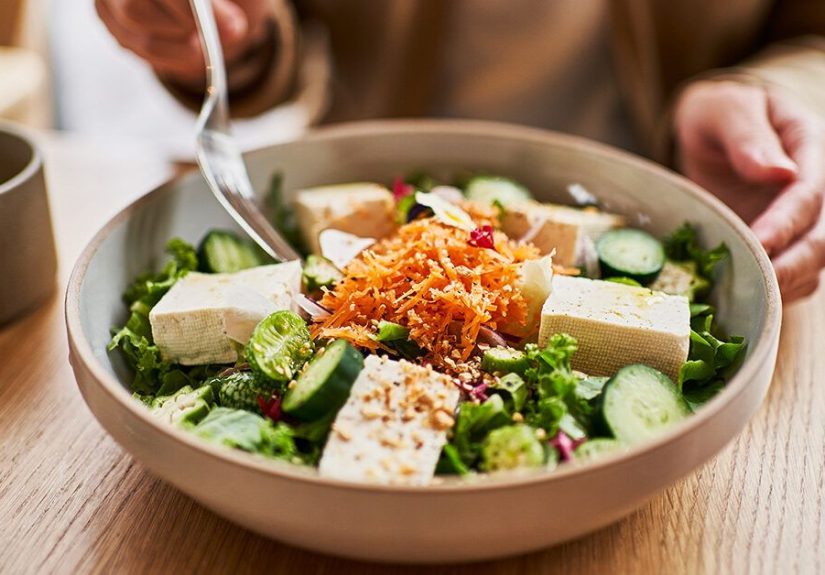
- Soy foods: tofu, tempeh, edamame, fortified soy milk, soy yogurt
- Whole grains: oats, quinoa, brown rice, barley, whole-grain bread
- Vegetables: leafy greens, broccoli, Brussels sprouts, carrots, mushrooms, cauliflower
- Fruit: berries, cherries, oranges, apples, grapes
- Nuts and seeds: walnuts, chia seeds, hemp seeds, ground flaxseed, almonds
- Healthy fats: olive oil, avocado, nuts, seeds
- Flavor builders: turmeric, ginger, garlic, herbs, lemon, vinegar
These foods check multiple boxes at once: they support inflammation control, keep meals satisfying, and help prevent the “I’m vegan now and somehow still hungry every 14 minutes” problem.
Nutrients You Cannot Afford to Ignore
If you have RA and want to go vegan, the goal is not only to reduce pain. The goal is to reduce pain without creating new problems. That means paying attention to nutrients that matter.
Vitamin B12
Vitamin B12 does not naturally occur in plant foods unless they are fortified. A vegan diet therefore needs reliable B12 from fortified foods or a supplement. This is not optional. It is standard maintenance, like charging your phone before a long day rather than hoping the battery develops a spiritual will to live.
Calcium and Vitamin D
Bone health matters in RA, especially because inflammation, reduced physical activity, and some medications can affect bone strength. Fortified plant milks, calcium-set tofu, leafy greens, and fortified foods can help with calcium intake. Vitamin D matters too, and many people need fortified foods or supplements depending on diet, sun exposure, age, and medical advice.
Protein
RA can make fatigue worse, and feeling tired enough to nap in the produce aisle is not the time to under-eat protein. Beans, lentils, tofu, tempeh, soy milk, edamame, nuts, seeds, and whole grains can help meet protein needs. Spread protein across the day instead of trying to win the entire game with one giant dinner.
Omega-3 fats
Omega-3 fats are often discussed in arthritis nutrition because they may help modulate inflammation. On a vegan diet, you can get alpha-linolenic acid, or ALA, from flaxseed, chia seeds, walnuts, canola oil, and soy foods. Some people also discuss algae-based EPA and DHA supplements with their clinician for a more direct vegan omega-3 source.
Foods and Habits That May Work Against Pain Relief
Simply removing animal products does not automatically turn your diet into an anti-inflammatory masterpiece. Some vegan foods are highly processed and loaded with added sugar, refined starch, sodium, or saturated fat from coconut oil. These can crowd out more nutritious foods and leave you feeling worse rather than better.
Try to limit:
- Ultra-processed vegan snack foods
- Sugary drinks and desserts
- Refined carbohydrates eaten in large amounts
- Fast-food style vegan meals that are deep-fried or overly salty
- Going all-in on one trendy ingredient and pretending it is a complete meal plan
Translation: a vegan donut is still a donut. Your joints know this.
A Practical Day of Eating for RA Support
Breakfast
Oatmeal cooked with fortified soy milk, topped with blueberries, ground flaxseed, walnuts, and cinnamon.
Lunch
Big salad with mixed greens, chickpeas, quinoa, cucumbers, tomatoes, shredded carrots, avocado, pumpkin seeds, and olive oil–lemon dressing.
Snack
Apple slices with almond butter, or edamame with a sprinkle of sea salt.
Dinner
Lentil and vegetable stew with brown rice, plus roasted broccoli drizzled with olive oil.
Optional evening add-on
Fortified plant yogurt with cherries and chia seeds.
This kind of menu is not flashy, but it is steady, filling, anti-inflammatory, and less likely to leave you raiding the pantry like a raccoon with Wi-Fi.
How to Start a Vegan Diet Without Making Yourself Miserable
Going vegan overnight works beautifully for some people and spectacularly badly for others. If your current diet is heavy on convenience foods, a gradual transition may be easier and more sustainable.
- Start with one meal a day. Make breakfast or lunch fully plant-based first.
- Upgrade, do not just subtract. Replace foods with satisfying options instead of creating sad meals built around deprivation.
- Use familiar formats. Tacos, soups, grain bowls, pasta, and stir-fries adapt well to vegan eating.
- Track symptoms. Note pain, stiffness, energy, digestion, and mood over time.
- Get professional help if needed. A registered dietitian can make the plan safer and far less confusing.
And yes, batch-cooking lentils is less glamorous than buying expensive “wellness” powder, but it is also more useful.
What a Vegan Diet Cannot Do
This part deserves bold imaginary highlighter: a vegan diet cannot replace RA medication for most people. It may reduce symptoms. It may improve energy. It may make flare days less brutal. But it has not been proven to prevent joint damage the way effective medical treatment can.
If you have RA, the smartest approach is usually a combination strategy: medication when prescribed, regular follow-up with your rheumatologist, physical activity as tolerated, sleep support, stress management, and an anti-inflammatory eating pattern that you can actually stick with.
That is less exciting than “Cure your autoimmune disease with six magical groceries,” but it is much more honest.
Common Experiences People Report When They Try a Vegan Diet for RA
Experiences with a vegan diet and rheumatoid arthritis are often a mixed bag, which is exactly what you would expect from a condition as individual as RA. Some people describe the first week as a comedy of errors involving under-seasoned tofu, emergency snack runs, and the sudden realization that cheese has been emotionally supporting them for years. But after the awkward phase, many report that meals begin to feel lighter, digestion improves, and afternoon energy becomes more stable.
One common experience is reduced morning stiffness after several weeks of eating more whole plant foods and fewer highly processed meals. People often say they do not wake up feeling “fixed,” but they may feel less locked up, less puffy, or less like their hands spent the night arguing with gravity. The improvement is usually subtle before it is dramatic. It is more “I can button this shirt without negotiating with my fingers” than “I have become one with the universe.”
Another frequent experience is improved awareness. When people switch to a more intentional eating pattern, they begin noticing what actually affects them. Some realize that fast food, alcohol, or sugar-heavy meals seem to make the next day worse. Others discover that no single food is the villain, but their overall pattern matters. That realization can be empowering because it shifts the focus away from food fear and toward consistency.
Not every story is glowing, of course. Some people try a vegan diet and feel tired, hungry, or frustrated because their meals are too low in protein, too low in calories, or too dependent on refined carbs. A lunch of crackers, hummus, and optimism will not carry an adult with RA very far. That is why planning matters. When the diet includes beans, tofu, lentils, whole grains, nuts, seeds, and fortified foods, the experience tends to be much better than when it is basically a beige snack parade.
There is also the social side. People often talk about the weirdness of explaining dietary changes to friends, family, or coworkers. Suddenly everyone becomes a self-appointed nutrition philosopher. Aunt Linda wants to know where you get protein. Your coworker acts like you have personally betrayed yogurt. Your neighbor insists turmeric cured her cousin’s elbow. Staying focused on your own symptoms, your own labs, and your own treatment plan becomes part of the experience too.
Perhaps the most realistic experience is this: many people do not become perfect vegans living in a refrigerator full of rainbow bowls. They become more plant-forward, more aware, and more strategic. They build better breakfasts. They eat more legumes. They swap processed meals for homemade ones more often. They add flaxseed, berries, greens, and tofu instead of chasing miracle cures. And over time, those ordinary choices may add up to less pain, better function, and a stronger sense that they have some control in a disease that often feels wildly uncontrollable.
Final Thoughts
A vegan diet can reduce rheumatoid arthritis pain for some people, especially when it is built around whole, anti-inflammatory foods instead of ultra-processed vegan products. The benefits may come from lower inflammatory load, better gut health, healthier weight, and higher intake of nutrient-dense plant foods. That said, the evidence is still developing, and the response is highly individual.
The best way to think about it is this: a vegan diet is not a cure, but it can be a smart tool. And when you are living with RA, smart tools deserve a place in the toolbox.
Note: This article is for educational purposes only. A vegan diet may support symptom management in rheumatoid arthritis, but it should not replace evaluation, medication, or follow-up care from a qualified healthcare professional.