Table of Contents >> Show >> Hide
- Super7 Started as an Obsession, Not a Corporate Product Roadmap
- The Real Business Model: Sell Recognition, Not Just Nostalgia
- Super7 Thrived by Making the Toys Mass Retail Usually Rejects
- The Company Built Trust by Being Fluent in Fandom
- Super7 Turned Small-Batch Weirdness into a Repeatable System
- What Super7 Teaches About Modern Collector Culture
- Experience: What It Feels Like to Engage with a Brand Like Super7
- Conclusion
- SEO Tags
If you pitched most toy companies on a glow-drenched monster, an unmade Alien prototype from 1979, or a background character who appeared on-screen for about four and a half seconds, you would probably get the kind of smile people use when they are trying not to say, “Absolutely not.” Super7 looked at that same pile of “too weird,” “too niche,” and “too expensive to explain to retail” ideas and turned it into a business.
That is what makes Super7 more interesting than a standard collectibles brand. It did not win by copying the biggest players in the toy aisle. It won by building a company around the blind spots of the biggest players. Where mass-market toy makers need broad appeal, huge volume, and retailer-friendly simplicity, Super7 built its reputation on specificity, fandom fluency, and a willingness to make the toy that fans secretly wished had existed all along.
In other words, Super7 did not merely sell plastic. It sold unfinished childhood business. It sold the action figure your memory swore was real. It sold the version of a franchise that felt more like your bedroom floor than a quarterly planning deck. That sounds romantic, but it is also a sharp business strategy. Super7 understood early that collectors do not just buy products. They buy emotional corrections. They buy missing pieces. They buy the weird stuff that proves someone on the other side of the factory actually gets it.
This is the story of how Super7 built a toy business around overlooked licenses, retro design language, fan-service done with genuine taste, and the bold idea that the strangest product in the room is sometimes the smartest one.
Super7 Started as an Obsession, Not a Corporate Product Roadmap
One reason Super7 feels different is because it began differently. The company did not start as a giant manufacturing operation hunting for shelf space. It started in San Francisco in 2001 as a project rooted in founder Brian Flynn’s obsession with vintage Japanese toys, especially kaiju and Godzilla collectibles. That origin matters because it explains the company’s point of view. Super7 was born from collector culture first and business logic second.
That sequence is not a liability. For Super7, it became the advantage.
Before Super7 was a widely recognized maker of ReAction figures, ULTIMATES!, apparel, and oversized collector pieces, it was closer to a fan publication and design-minded subculture hub. It was built by someone who understood that toy culture is not just about the object itself. It is about packaging, mythology, scarcity, colorways, history, and the story collectors tell themselves when they hold a figure in their hand and think, “Yep, this is exactly the one.”
From Magazine Energy to Product Energy
Super7’s early move from editorial passion to product creation was almost inevitable. Once the company began offering unusual repaints and limited-run figures, it discovered something enormous hiding inside something small: collectors were hungry for products that bigger companies considered too eccentric, too narrow, or too risky.
That insight became the company’s DNA. Super7 learned that there was real demand for toys that were not chasing everyone. They were chasing someone very specifically. And when you make a product for the right someone, that niche can be a lot larger than outsiders think.
This is a classic lesson in brand-building: what looks tiny from the outside can feel massive from the inside if the audience is emotionally invested. Super7 did not need to own every part of pop culture. It needed to matter deeply inside the parts it touched.
The Real Business Model: Sell Recognition, Not Just Nostalgia
People often describe Super7 as a nostalgia company, which is true, but incomplete. Nostalgia alone is cheap. Anybody can slap a vintage font on packaging and hope consumers get misty-eyed. Super7’s real talent is more precise: it sells recognition.
Collectors recognize the old Kenner-inspired proportions of the ReAction line. They recognize the references buried in packaging and sculpt choices. They recognize the “this should have existed back then” logic behind a figure. They recognize that the company is not just licensing a property, but speaking the language of the fandom around that property.
That is a huge difference.
Plenty of toy companies can make a character. Far fewer can make a character in a way that feels like a recovered memory. Super7 excels at the second version. It understands that the appeal of retro action figures is not realism. It is emotional accuracy. A Super7 figure often looks less like a museum-grade sculpture and more like the toy your younger self would have treasured, lost under the couch, rediscovered, and immediately declared your favorite again.
ReAction Figures Were a Smart Format, Not Just a Cute Idea
The ReAction line helped Super7 turn that recognition into a scalable format. The 3.75-inch style, vintage presentation, and simplified sculpting gave the company an instantly recognizable platform that could travel across licenses. That mattered because it created both efficiency and identity.
Instead of reinventing the wheel for every property, Super7 built a house style that collectors could follow from horror to sci-fi to punk to wrestling to cartoons to monsters. One week it could be Godzilla. The next week it could be Bruce Lee. The week after that, maybe a music icon, a cult-movie villain, or a gloriously odd side character from a franchise that once lived rent-free in your brain.
That format also allowed Super7 to occupy a sweet spot in the market. ReAction figures were affordable enough to invite impulse buys and deep enough in reference to satisfy serious fans. Meanwhile, the company could complement that entry point with premium ULTIMATES! figures, oversized cyborg pieces, deluxe playsets, and apparel. In business terms, that is smart category layering. In collector terms, it is dangerous for your wallet.
Super7 Thrived by Making the Toys Mass Retail Usually Rejects
Big toy companies are not foolish for avoiding certain products. They are structured differently. Large-scale players have to think about retailer resets, wide demographic appeal, manufacturing volume, and fast product communication. A character that requires a five-minute lore explanation is not always the easiest sell in a big-box aisle next to a screaming preschool toy and a discount board game.
Super7 used that structural gap to its advantage.
Where a mass-market company might ask, “Will this character sell in every region and perform at retail?” Super7 could ask, “Will a few thousand collectors absolutely lose their minds over this?” Those are wildly different questions, and they produce wildly different catalogs.
That is why Super7 became known for making weird secondary characters, never-produced concepts, and products that felt too specific for anyone else to bother with. The company’s brilliance was recognizing that “too specific” is often just another phrase for “perfectly targeted.”
The Toy That Never Existed Is a Very Powerful Product
One of Super7’s most brilliant moves was leaning into “lost” or unrealized toy history. The famous example is the company’s work bringing the unmade 1979 Kenner-style Alien figures into the real world. That was not just a product launch. It was a myth made physical.
For collectors, that kind of release hits differently than a standard movie tie-in. It feels like opening a secret door in toy history. The product is not merely based on a beloved franchise. It is based on an alternate timeline of what toy culture could have been. That is catnip for collectors, historians, design nerds, and anyone who has ever enjoyed the phrase “unused prototype” a little too much.
Super7 kept repeating that magic across categories. Its approach to Willow, Godzilla, G.I. Joe, music legends, and other licenses often carried the same underlying idea: not just “here is a collectible,” but “here is the collectible version of the memory, omission, or possibility you have been carrying around for years.”
The Company Built Trust by Being Fluent in Fandom
Licensing is easy to do badly. Brands can smell opportunism from a mile away. Collectors can smell it from two miles away, uphill, in the rain.
Super7’s success comes partly from the fact that it rarely feels like a tourist in the franchises it touches. The company’s history in kaiju culture, vintage toy aesthetics, music, comics, and genre fandom gave it credibility. It was not saying, “Hello fellow fans, please purchase this synergy object.” It was saying, “We know why this matters, and that is why this product exists in the first place.”
That credibility gave Super7 permission to move across an unusually broad mix of categories. It could make Godzilla figures with reverence, music collectibles with attitude, and cartoon-based releases with playful affection. Its catalog feels eclectic, but not random. The through-line is taste. Super7 knows what belongs in the world it is building, even when that world includes monsters, rappers, skeleton-faced punks, baseball nostalgia, and a spaceship so big it makes your shelf file a complaint.
Packaging, Design, and Tone Are Part of the Product
Another overlooked part of Super7’s business is that it behaves like a design house, not just a toy producer. The packaging matters. The visual system matters. The copy matters. The color choices matter. The attitude matters.
This is one reason fans often describe Super7 products as objects they want to display even before they open them. The company understands that collectors are buying an experience of ownership, not only articulation or accessories. A figure cardback, a logo treatment, a retro blister, or a beautifully absurd repaint can do as much selling as a spec sheet.
That is not fluff. It is margin strategy. When a company creates a distinctive emotional and aesthetic frame around its products, it becomes harder to compare them purely on dimensions, points of articulation, or conventional value equations. Super7 is not asking to be judged like a generic action figure brand. It is asking to be judged like a pop-culture object maker with a specific creative worldview. That repositioning is powerful.
Super7 Turned Small-Batch Weirdness into a Repeatable System
The hardest part of any niche business is not having one great idea. It is building a system that can produce many great ideas without sanding off the original magic. Super7 managed to do that by creating a portfolio strategy.
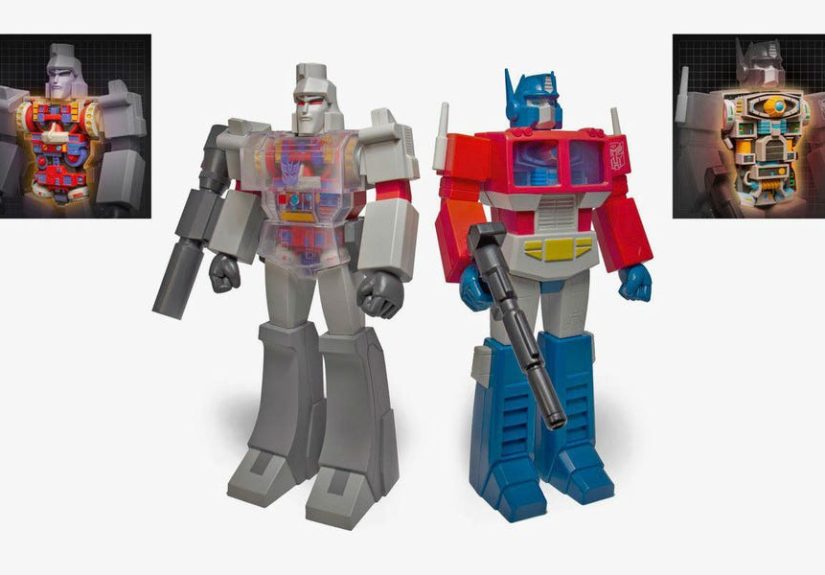
At the accessible end, ReAction figures offer a familiar gateway into the brand. At the premium end, ULTIMATES! gives hardcore fans more elaborate, made-to-order expressions of favorite characters. Then there are supersized pieces, limited exclusives, apparel, collaborative drops, and even crowd-funded giant playsets for collectors whose idea of moderation is “maybe only one enormous Cobra spaceship this quarter.”
That range lets Super7 serve different levels of fandom without diluting its identity. Casual buyers can enter. Serious collectors can go deeper. Completists can enter a beautiful financial fog. And because the company returns again and again to the same core promisemaking the stuff other companies ignoreit keeps the whole ecosystem coherent.
This is also why growth did not require Super7 to become boring. Even when the company expanded, attracted investment, and pushed into more categories, its strongest asset remained the same: it had a clear reason to exist. Brands lose themselves when scale replaces purpose. Super7’s challenge has always been to scale the purpose instead.
What Super7 Teaches About Modern Collector Culture
Super7’s rise says a lot about how collecting works now. Fans do not just want official merchandise. They want editorialized merchandise. They want a point of view. They want products filtered through affection, design intelligence, and specificity.
That is why a company like Super7 can compete in the same cultural universe as much larger toy brands. It is not trying to out-mass them. It is trying to out-curate them.
And curation is a business advantage when audiences are fragmented and deeply online. In the age of fandom micro-communities, the winner is often not the company that makes the most things. It is the company that makes the most meaningful things for the right audience. Super7 understands this instinctively.
It also understands that collector culture is driven by stories. The figure is a story. The packaging is a story. The “never made before” pitch is a story. The odd colorway is a story. The impossible playset is a story. Super7 sells merchandise, yes, but it is really in the business of making fan stories purchasable.
Experience: What It Feels Like to Engage with a Brand Like Super7
One of the most revealing things about Super7 is not what it makes, but how the experience of encountering the brand tends to unfold. You usually do not stumble into a Super7 figure and think, “This is a perfectly rational purchase based on my long-term budgeting goals.” You see it and think, “Wait, they made that?” That moment of surprise is the beginning of the customer journey.
For many collectors, the first Super7 experience is a weirdly personal one. Maybe it is a character from a franchise they loved as a kid but never expected to see in toy form. Maybe it is a style that instantly reminds them of old Star Wars cardbacks, bargain-bin toy hunts, comic shops, or the exact shape of a childhood blister pack. Maybe it is simply the shock of seeing a company care about something that feels culturally too odd, too old, or too obscure for mainstream attention.
That feeling matters because it creates emotional velocity. A lot of brands sell recognition by being familiar. Super7 sells recognition by being unexpectedly familiar. It reminds people not just of what they liked, but of the parts they thought everyone else forgot.
The browsing experience also feels different. Looking through a Super7 lineup can feel less like shopping and more like flipping through someone’s gloriously unhinged but deeply informed pop-culture brain. There is monster history. There is punk energy. There is cartoon nostalgia. There are movie references, deep cuts, strange color choices, and occasional products that make you laugh out loud because their very existence feels like a dare. That emotional texture is a real competitive edge. It gives the brand a personality, and personality is sticky.
Collectors also experience Super7 through anticipation. Because the brand often works with preorders, made-to-order premium figures, exclusives, and crowd-funded large-scale projects, buying is not always instant gratification. It is often an act of commitment. That changes the emotional rhythm. Instead of a quick checkout and immediate delivery, the purchase can feel like backing an idea you want to see exist in the world. That is a very different relationship than standard retail.
Then there is the social experience. Super7 products invite conversation because they trigger memory and debate. People argue about which obscure character should be next. They compare old prototypes, vintage influences, packaging references, and sculpt decisions. They post shelves, cardbacks, and convention exclusives. In that sense, Super7 does not only sell to collectors. It gives collectors things to talk about. A strong brand community is not built only on products people buy; it is built on products people enjoy discussing, defending, ranking, and hunting down.
Perhaps the most important experience of all is validation. For fans who spent years loving the stranger corners of pop culture, Super7 can feel like proof that their taste is not too niche to matter. Someone else cared enough to make the weird figure, restore the forgotten vibe, or revive the toy line that should have existed. That is powerful. It turns a transaction into a small cultural acknowledgment.
And that may be the secret underneath the whole business. Super7’s customers are not only buying collectibles. They are buying the pleasure of being seen as collectors.
Conclusion
Super7 built a business around toys no one else would dare make because it understood something bigger companies often miss: the overlooked corner of fandom is not the leftover corner. Sometimes it is the most valuable corner of all.
By starting from obsession, building from collector logic, embracing retro formats, and giving physical form to products that felt too weird, too small, or too impossible for traditional toy makers, Super7 created a brand with genuine cultural texture. It did not try to dominate the toy aisle. It created its own lane, then filled it with monsters, myths, music icons, never-made classics, and the kind of niche brilliance that makes collectors grin like they just found buried treasure in a mall parking lot.
The genius of Super7 is not simply that it makes cool stuff. It is that it found a repeatable business model inside cool stuff that should never have worked on paper. That is why the company matters. It proves that in a market crowded with obvious ideas, the best opportunity may be the one that looks delightfully unreasonable.