Table of Contents >> Show >> Hide
- Why Chinchillas Get Stressed So Easily
- How to Keep a Chinchilla Calm: 11 Steps
- 1. Place the Cage in a Quiet, Cool Room
- 2. Give Your Chinchilla a Predictable Routine
- 3. Approach Slowly and Speak Softly
- 4. Let Your Chinchilla Come to You
- 5. Handle Your Chinchilla Gently and Correctly
- 6. Provide Hiding Places and Safe Retreats
- 7. Offer Daily Enrichment Without Overstimulation
- 8. Use Dust Baths the Right Way
- 9. Keep Other Pets and Loud Noises Away
- 10. Watch for Health Problems That Look Like Stress
- 11. Build Trust With Patience, Not Pressure
- Common Signs Your Chinchilla Is Calm
- Common Mistakes That Make Chinchillas Nervous
- Best Environment for a Calm Chinchilla
- What to Do If Your Chinchilla Panics
- Experience Section: Real-Life Lessons for Keeping a Chinchilla Calm
- Conclusion
Chinchillas are tiny, fluffy athletes with the emotional wiring of a suspicious Victorian aristocrat. One loud noise, one sudden grab, or one room that feels too warm, and your chinchilla may decide that life has become unnecessarily dramatic. The good news? Keeping a chinchilla calm is not about magic, expensive gadgets, or whispering affirmations into a hay rack. It is about understanding how chinchillas think, what makes them feel safe, and how to build trust one peaceful interaction at a time.
Because chinchillas are prey animals, they are naturally alert, fast, and cautious. In the wild, hesitation can be risky, so their instincts tell them to run first and ask questions later. As pets, they can become affectionate, curious, and wonderfully entertaining, but they usually prefer calm routines over surprise parties. If you want a relaxed chinchilla, you need to create a cool, quiet, predictable environment and handle your pet with patience rather than enthusiasm turned up to maximum volume.
This guide explains how to keep a chinchilla calm in 11 practical steps, from setting up the right cage location to handling, playtime, enrichment, and recognizing signs of stress. Think of it as a spa plan for your chinchilla, minus the cucumber water and awkward robe.
Why Chinchillas Get Stressed So Easily
Before jumping into the steps, it helps to know why chinchillas are sensitive. Chinchillas have dense fur, delicate bodies, and strong survival instincts. They are most active during twilight and nighttime hours, which means they may sleep or rest during parts of the day. A busy household, loud television, barking dog, grabby hands, overheating, or frequent cage changes can all make a chinchilla nervous.
Stress in chinchillas can show up in several ways: hiding more than usual, barking or alarm calling, spraying urine, chewing cage bars, refusing treats, fur slip, aggressive nipping, or frantic jumping around the cage. A stressed chinchilla is not “being dramatic.” It is communicating in the only way it knows. Your job is to become a calm translator.
How to Keep a Chinchilla Calm: 11 Steps
1. Place the Cage in a Quiet, Cool Room
The fastest way to help a chinchilla feel calm is to choose the right cage location. Chinchillas do best in a quiet area away from direct sunlight, loud speakers, kitchen heat, drafts, and heavy foot traffic. A living room that turns into a sports stadium every evening may not be the ideal chinchilla retreat.
Temperature matters a lot. Chinchillas are highly sensitive to heat because their thick fur traps warmth. A cool, dry, well-ventilated room is essential. Avoid placing the cage near windows, heaters, laundry rooms, or humid bathrooms. Heat stress can become dangerous quickly, so air conditioning is often necessary in warm climates.
A calm cage location should feel boring in the best possible way. Boring is beautiful when you are a prey animal. Your chinchilla wants consistency, not a front-row seat to the vacuum cleaner opera.
2. Give Your Chinchilla a Predictable Routine
Chinchillas relax when they know what to expect. Feed them, clean their cage, offer dust baths, and schedule playtime at roughly the same times each day. A predictable routine helps your chinchilla understand that daily human activity is normal, not a suspicious plot.
For example, you might refresh hay and water in the morning, offer pellets in the evening, and allow supervised playtime after dinner. Over time, your chinchilla may begin waiting for these moments. Some chinchillas even learn the sound of a treat bag, proving once again that snacks are the universal language of trust.
Avoid sudden changes whenever possible. If you need to move the cage, introduce a new accessory, or change the feeding schedule, do it gradually. Chinchillas are not fans of “surprise renovations.”
3. Approach Slowly and Speak Softly
To keep a chinchilla calm, your body language matters. Fast movements, loud voices, and reaching from above can feel threatening. Predators often come from above in nature, so a hand swooping down into the cage may send your chinchilla into panic mode.
Approach from the front or side where your chinchilla can see you. Speak in a soft, steady voice. Move slowly and pause often. Let your chinchilla come toward you instead of forcing contact. This gives your pet a sense of control, which is one of the most powerful stress reducers for small animals.
Try sitting near the cage and reading, scrolling quietly, or simply talking for a few minutes each day. Your chinchilla will learn that your presence does not always mean being picked up, examined, or interrupted. Sometimes you are just the large, snack-providing roommate.
4. Let Your Chinchilla Come to You
One of the biggest mistakes new owners make is trying to hold a chinchilla too soon. Chinchillas may be adorable, but they are not plush toys with opinions. Many do not enjoy cuddling in the way a dog or cat might. Some tolerate handling well, while others prefer brief contact and plenty of personal space.
Start by placing your hand inside the cage without grabbing. Let your chinchilla sniff you. You can offer a safe treat occasionally, but do not overdo sugary foods. The goal is to create a positive association: hand appears, nothing scary happens, maybe something nice happens.
When your chinchilla climbs onto your hand or arm voluntarily, stay still. Do not celebrate by scooping them up like you just won a carnival prize. Calm trust grows slowly. The more patient you are, the more confident your chinchilla will become.
5. Handle Your Chinchilla Gently and Correctly
When handling is necessary, support your chinchilla securely. Place one hand under the chest or front body area and use the other hand to support the hindquarters. Hold your chinchilla close to your body so they feel stable. Never squeeze, chase, or grab by the fur. Rough handling can cause fur slip, a defense response where a chinchilla releases patches of fur to escape danger.
Keep handling sessions short at first. A few calm seconds are better than several minutes of wrestling. Sit low to the floor or hold your chinchilla over a safe surface, because they can jump suddenly. Chinchillas are impressive little springs with fur attached.
Children should always be supervised around chinchillas. Teach them to sit quietly, use gentle hands, and respect when the animal wants space. A calm chinchilla is built through respect, not through “just one more cuddle.”
6. Provide Hiding Places and Safe Retreats
A chinchilla without a hiding place is like a person trying to relax in a room with no doors. Hideouts are essential. Provide at least one sturdy hiding house in the cage, preferably made from chinchilla-safe wood or another safe material. If you have multiple chinchillas, offer multiple hideouts to prevent competition.
Hideouts allow your chinchilla to rest, decompress, and feel protected. During supervised playtime outside the cage, add safe tunnels, boxes, or shelters so your chinchilla has somewhere to retreat. Do not drag your chinchilla out of a hideout unless absolutely necessary for safety or medical care.
When your chinchilla hides, it does not mean you failed. It means the hideout is doing its job. Let the little fluff potato recharge.
7. Offer Daily Enrichment Without Overstimulation
Chinchillas are intelligent and active. A bored chinchilla can become restless, stressed, or destructive. Provide chew-safe toys, ledges, tunnels, a properly sized exercise wheel designed for chinchillas, and safe wooden items for gnawing. Their teeth grow continuously, so chewing is not a hobby; it is part of staying healthy.
However, enrichment should not feel chaotic. Avoid constantly rearranging the cage or adding too many new items at once. Introduce one toy at a time and observe your chinchilla’s reaction. Some chinchillas investigate immediately, while others stare at the new object as if it owes them money.
Rotate toys every few days or weekly to keep the cage interesting without overwhelming your pet. Calm enrichment gives your chinchilla choices: chew, climb, hide, explore, or nap like royalty.
8. Use Dust Baths the Right Way
Dust baths are important for chinchilla coat care and emotional well-being. Chinchillas should not be bathed in water because their dense fur can hold moisture and create health problems. Instead, they roll in special chinchilla dust, which helps absorb oils and keep the coat clean.
Offer a dust bath several times per week, depending on your home’s humidity and your veterinarian’s advice. Place the dust bath in the cage or play area for a short session, then remove it. Leaving it in all the time can lead to overuse or messiness, and some chinchillas may use it as a bathroom because apparently every species has its comedians.
A dust bath can also be calming because it allows natural behavior. Watching a chinchilla spin in dust like a tiny tornado is one of pet ownership’s underrated joys.
9. Keep Other Pets and Loud Noises Away
Dogs, cats, and even noisy birds can stress a chinchilla, especially if they stare into the cage, bark, paw, or move unpredictably. Even a friendly dog may look like a giant problem to a chinchilla. Keep predator pets away from the chinchilla room, and never allow direct interaction.
Noise control is also important. Keep the cage away from televisions, gaming speakers, doorbells, washing machines, and busy entryways. If your home gets loud during certain hours, give your chinchilla extra hiding options and avoid handling during the chaos.
Calm does not mean total silence. Your chinchilla can get used to normal household sounds. The goal is to prevent sudden, intense, or repeated disturbances that make your pet feel trapped.
10. Watch for Health Problems That Look Like Stress
Sometimes a chinchilla seems anxious because something is medically wrong. Pain, dental disease, digestive problems, overheating, respiratory irritation, injury, or poor diet can all change behavior. If your normally active chinchilla becomes withdrawn, stops eating, drools, loses weight, has abnormal droppings, struggles to move, or seems unusually aggressive, contact an exotic animal veterinarian.
Chinchillas hide illness well because prey animals often mask weakness. By the time symptoms are obvious, the issue may already be serious. A calm environment helps, but it cannot replace medical care.
Keep a simple observation routine. Notice appetite, water intake, droppings, activity level, coat condition, and behavior. You do not need to become a detective with a trench coat and dramatic music, but you should know what is normal for your pet.
11. Build Trust With Patience, Not Pressure
The most important step in keeping a chinchilla calm is patience. Trust may take weeks or months. Some chinchillas become bold and interactive; others remain cautious but comfortable. Both outcomes are normal. Your goal is not to turn your chinchilla into a lap pet. Your goal is to help your chinchilla feel safe, healthy, and confident.
Use positive reinforcement. Offer safe treats sparingly, reward calm behavior, and end interactions before your chinchilla becomes overwhelmed. Short, peaceful sessions are more effective than long, stressful ones. If your chinchilla backs away, barks, sprays, nips, or hides, pause and try again later.
Respect is the shortcut. The more you listen to your chinchilla’s signals, the faster trust grows. Ironically, the less you force affection, the more likely your chinchilla is to choose interaction.
Common Signs Your Chinchilla Is Calm
A calm chinchilla may sit comfortably, groom normally, eat hay, explore at a relaxed pace, take treats gently, or approach you voluntarily. Some chinchillas make soft sounds, stretch out, or nap in visible areas when they feel secure. A relaxed chinchilla may still be alert, because alertness is part of being a chinchilla, but the body language looks less frantic.
Look for patterns rather than one perfect signal. If your chinchilla eats well, uses hideouts normally, plays during active hours, and does not panic when you enter the room, you are probably doing many things right.
Common Mistakes That Make Chinchillas Nervous
Many stress problems come from good intentions delivered too loudly. New owners may want to hold their chinchilla constantly, introduce family members right away, or decorate the cage with a dozen new items in one afternoon. To a chinchilla, that can feel like moving into a hotel where the furniture changes every hour and the staff keeps trying to hug you.
Avoid these common mistakes:
- Picking up your chinchilla before trust is established
- Keeping the cage in a hot, humid, or noisy room
- Allowing dogs or cats to stare into the cage
- Using unsafe toys, plastic items, or dusty bedding
- Skipping hideouts or safe retreat areas
- Changing food suddenly
- Ignoring changes in appetite, droppings, or behavior
Small adjustments can make a big difference. Move the cage, lower the noise, shorten handling sessions, and add safe enrichment. Calm is usually created through many tiny choices, not one grand heroic gesture.
Best Environment for a Calm Chinchilla
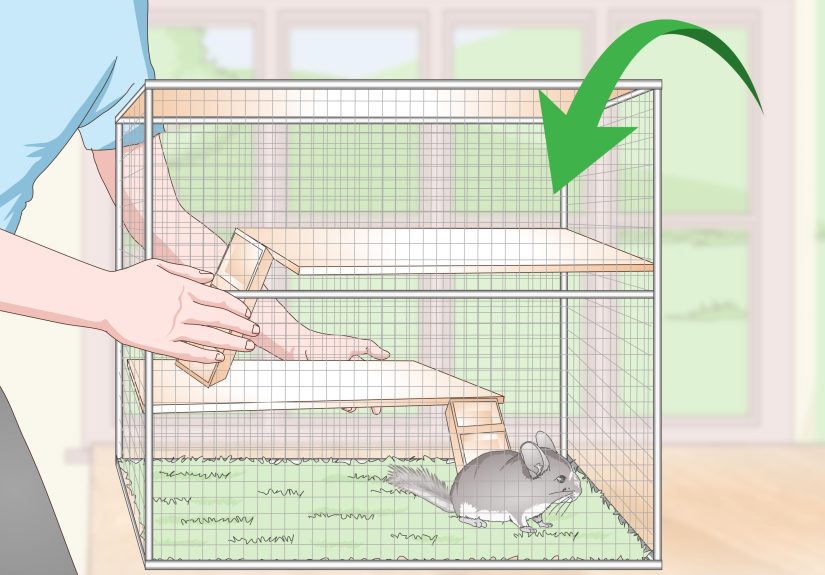
A calm chinchilla environment should be cool, dry, clean, and predictable. The cage should be spacious enough for jumping and climbing, with solid shelves, safe bedding, chew toys, hay, fresh water, and hiding places. Avoid wire flooring that can hurt feet. Provide good ventilation without cold drafts.
Clean the cage regularly, but do not turn cleaning day into a full-scale invasion. Spot-clean daily and do deeper cleaning on a schedule. Keep some familiar scent in the environment when possible, because a cage that smells completely unfamiliar can be stressful.
Lighting should follow a normal day-night rhythm. Avoid keeping bright lights on late into the night. Since chinchillas are naturally more active in the evening and night, give them quiet time during the day to rest.
What to Do If Your Chinchilla Panics
If your chinchilla suddenly panics, stay calm. Do not chase unless there is immediate danger. Reduce noise, remove other pets, dim harsh lights, and give your chinchilla access to a hideout. If your chinchilla is outside the cage, block unsafe spaces and guide them gently back using patience, not speed.
If you must pick up your chinchilla, do it securely and calmly. Avoid grabbing at the fur or tail tip. After the incident, give your chinchilla quiet recovery time. Do not immediately try to “make up” with more handling. In chinchilla language, space can be an apology.
Experience Section: Real-Life Lessons for Keeping a Chinchilla Calm
One of the most useful lessons about calming a chinchilla is that progress rarely looks dramatic. It is not usually a movie scene where the chinchilla suddenly leaps into your arms while violins play. More often, progress looks like your chinchilla staying out of the hideout when you enter the room. Then maybe taking a treat from your fingers. Then maybe placing two paws on your hand. Tiny milestones matter.
For example, imagine bringing home a young chinchilla named Mochi. On the first day, Mochi hides in the wooden house and only peeks out when the room is silent. The wrong approach would be reaching in repeatedly, lifting the hideout, and saying, “Come on, we’re friends now!” The better approach is to place hay, water, and pellets quietly, then leave Mochi alone to adjust. For the first few days, your biggest achievement may be not bothering the chinchilla. That does not feel exciting, but it is excellent animal care.
After a week, you might sit near the cage for ten minutes each evening. You speak softly, open the cage door, and rest your hand nearby without moving it toward Mochi. At first, Mochi ignores you. Then one night, Mochi sniffs your sleeve. Another night, Mochi takes a tiny safe treat and runs away like a jewel thief. This is trust forming. It is not glamorous, but it is real.
Another practical experience is learning that playtime should be prepared before the chinchilla comes out. A calm play area has blocked cords, closed doors, no open vents, no other pets, and several hideouts. If you let a chinchilla loose in an unsafe room and then chase them for twenty minutes, you have accidentally created a tiny action movie. Instead, set up a predictable play zone. Sit on the floor. Let your chinchilla explore. When it is time to return to the cage, use routine, treats, and gentle guidance rather than panic.
Many owners also discover that chinchillas have personal preferences. One chinchilla may enjoy climbing onto a shoulder, while another may prefer sitting nearby but not being touched. One may love a particular wooden chew, while another treats it like an unwanted gift from a distant relative. Calm care means noticing those preferences. The more you customize the environment to your chinchilla’s personality, the more secure your pet becomes.
Temperature is another experience-based lesson owners learn quickly. A room that feels comfortable to a human may still be too warm for a chinchilla. If your chinchilla becomes less active, lies stretched out, has reddened ears, or seems weak in warm weather, treat it as urgent and contact a veterinarian. Prevention is far better than emergency response. In hot climates, reliable air conditioning is not a luxury for chinchillas; it is part of responsible ownership.
Finally, the best experience any owner can build is observation. Spend time watching your chinchilla without trying to control every moment. Notice when they eat, where they sleep, which sounds make them freeze, which toys they choose, and how they behave before and after handling. A calm chinchilla is often the result of an owner who pays attention. You become less like a manager and more like a careful roommate who knows when to offer snacks and when to stop being weird.
Conclusion
Keeping a chinchilla calm is about creating safety from the chinchilla’s point of view. A cool room, quiet cage location, gentle handling, daily routine, safe hideouts, proper enrichment, dust baths, and patient bonding all work together. No single step solves everything, but together they create a life that feels predictable and secure.
Remember that chinchillas are not difficult pets because they are stubborn. They are sensitive pets because their instincts are finely tuned. Once you respect those instincts, your chinchilla can become more confident, curious, and comfortable around you. Be calm, be consistent, and let trust grow at chinchilla speed. It may be slower than you hoped, but it is also much more rewarding.