Table of Contents >> Show >> Hide
- Ina’s Actual Reason: Better Value and Better Results
- What “Extra-Large Eggs” Actually Means in the U.S.
- Why Egg Size Matters So Much in Baking
- Why Most Recipes Use Large Eggs Instead
- When You Can Swap Large Eggs for Extra-Large Eggs
- When You Really Shouldn’t Wing It
- Examples from Ina’s Recipe Style
- So, Should You Start Buying Extra-Large Eggs?
- The Real Takeaway
- Real-World Kitchen Experiences with Ina’s Extra-Large Egg Rule
- Conclusion
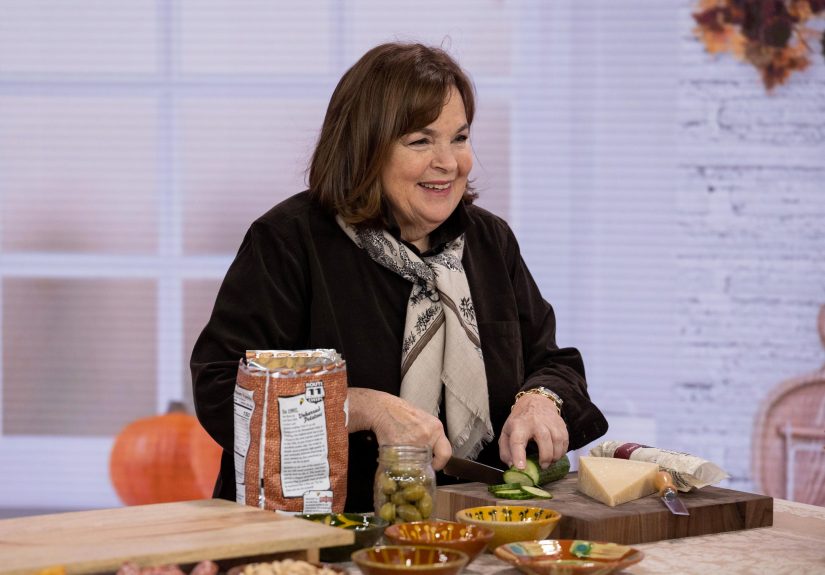
Ina Garten has a way of making tiny kitchen details sound like gospel. “Use good olive oil.” “Buy decent vanilla.” “Don’t panic.” And then there’s her egg rule, which has sent many home cooks to the grocery store muttering, “Wait… extra-large?”
If you’ve made even a handful of Barefoot Contessa recipes, you’ve probably noticed that Ina Garten almost always calls for extra-large eggs. Not large. Not “whatever is in the fridge.” Extra-large. That tiny wording choice looks fussy at first glance, but it actually says a lot about how Ina thinks about cooking: use ingredients that give you reliable results, make financial sense, and help the final dish taste just a little more luxurious.
So why does Ina Garten only call for extra-large eggs in her recipes? The short answer is that she believes they offer more egg for the money, and she also thinks the size difference really does affect how a recipe turns out. That sounds wonderfully on-brand for Ina: practical, polished, and just a little extra without being ridiculous.
But there’s more to crack open here. Egg size affects moisture, richness, structure, and consistency, especially in baking. And while most American recipes are developed with large eggs, Ina has built her recipe style around extra-large ones. Once you understand that, her famously precise ingredient lists stop looking quirky and start looking smart.
Ina’s Actual Reason: Better Value and Better Results
Ina has explained her preference in refreshingly plain language. She says extra-large eggs are “more egg per dollar” when you cook in volume, which makes them a better value. In other words, this is not some diva-level egg snobbery. It’s kitchen math wearing a cashmere sweater.
She has also said that the size of the eggs makes a difference in the recipe. According to Ina, her assistant switched from large eggs to extra-large eggs and found that her baking improved. That was enough to make Ina stick with the bigger size. Once a cook finds a standard that delivers consistent cakes, cookies, custards, and brunch dishes, changing course starts to feel like flirting with chaos.
And yes, this preference shows up over and over again on Barefoot Contessa recipes. It is not a one-off typo buried in a cake recipe from 2004. You’ll see extra-large eggs in sweet recipes, savory dishes, baked egg breakfasts, deviled eggs, and more. For Ina, this is not a suggestion. It is part of the system.
What “Extra-Large Eggs” Actually Means in the U.S.
Here’s where things get more interesting. In the United States, egg size is not just a cute label slapped on a carton by an optimistic chicken farmer. Egg sizes are standardized by weight. A dozen large eggs must weigh at least 24 ounces, while a dozen extra-large eggs must weigh at least 27 ounces. That is a three-ounce jump per dozen, or roughly a quarter-ounce more per egg on average.
That may not sound dramatic. A quarter-ounce is the kind of number most people ignore until a cake sinks in the middle and suddenly everyone becomes a food scientist. But in recipes that use multiple eggs, the difference adds up fast. Four extra-large eggs can contribute about one ounce more total egg than four large eggs. In a delicate batter, that extra moisture and protein can change the final texture more than you’d expect.
So when Ina says extra-large eggs are truly bigger, she is absolutely right. This is not grocery store propaganda. It is a measurable difference, and that difference matters more as a recipe gets more egg-heavy.
Why Egg Size Matters So Much in Baking
Eggs do a lot more than sit there looking oval and innocent. In baking, they provide structure, moisture, emulsification, richness, and color. They help cakes rise, cookies hold together, custards set, and batters behave like civilized citizens instead of lumpy rebellions.
When you increase egg size, even slightly, you are changing the ratio of liquid and protein in the formula. That can make cakes a bit more tender, custards a little silkier, and cookies somewhat richer. It can also push a precise recipe off balance if the formula is sensitive. That is why many baking experts say egg size matters more in recipes that use several eggs or rely on exact proportions.
Think about angel food cake, chiffon cake, pastry cream, lemon curd, quiche, or choux pastry. These are not forgiving “eh, close enough” recipes. They are more like culinary spreadsheets. Too much egg can mean extra moisture, denser texture, gummy crumb, or a filling that sets differently than expected.
In recipes with just one or two eggs, the impact of swapping large for extra-large is often minor. In recipes with four, five, or six eggs, the difference starts to become much more noticeable. That is why some bakers happily improvise for brownies but become deeply law-abiding when meringue enters the chat.
Why Most Recipes Use Large Eggs Instead
Here is the little plot twist: most American recipes are developed using large eggs, not extra-large. That is the standard in recipe testing for many home-cooking and baking publications. Large eggs are also the most common size people buy, which makes them the practical default for recipe developers writing for a wide audience.
That means Ina’s recipes are slightly unusual, not wrong. She simply built her recipe universe around a different egg standard. If you follow her ingredient list exactly, her recipes make sense as written. Trouble starts when a home cook uses large eggs out of habit and assumes the difference is too small to matter every single time.
Sometimes that swap works beautifully. Sometimes nothing dramatic happens at all. But sometimes your cake is a touch drier, your custard less lush, or your baked eggs just a little less generous. Ina would probably look at that and say, in the gentlest possible way, “Well… I did tell you to buy the extra-large eggs.”
When You Can Swap Large Eggs for Extra-Large Eggs
The good news is that this is not a culinary emergency. You do not need to abandon a recipe because the grocery store was out of extra-large eggs or because your fridge currently contains only the humble large variety.
For simple egg dishes like scrambled eggs, fried eggs, boiled eggs, frittatas, and many savory breakfasts, size is flexible. A slightly smaller egg usually will not destroy the dish. The same is often true for recipes calling for one or two eggs, especially rustic bakes that are not extremely delicate.
If you are making something casual, like a weeknight cake, basic muffins, drop cookies, or a simple loaf, large eggs will usually get you across the finish line just fine. You may notice a subtle difference in richness or moisture, but not enough to trigger a family meeting.
Still, “usually fine” is not the same as “identical.” If your goal is to recreate Ina’s recipe as closely as possible, using the same egg size is one of the easiest ways to do it.
When You Really Shouldn’t Wing It
If the recipe uses a lot of eggs, depends on whipped whites, or requires a very precise set, follow the specified egg size. This is where Ina’s extra-large rule matters most.
For recipes such as lemon bars, custards, curds, quiches, sponge cakes, cream puffs, and anything where texture is the entire point, changing egg size can nudge the balance enough to affect the outcome. Extra-large eggs add more liquid and protein. Large eggs add a bit less. In exacting recipes, that is not trivia. That is chemistry.
If all you have are large eggs and you still want to make an Ina recipe, the most accurate workaround is to measure the egg by weight rather than counting eggs alone. Beat the eggs lightly, weigh the amount you need, and use that target to match the recipe more closely. It is the least glamorous kitchen trick in the world, but it works. Nobody writes poetry about digital scales, and yet they save dessert every day.
Examples from Ina’s Recipe Style
Ina’s extra-large egg habit is not theoretical. It is built directly into many of her best-known recipes. Her famous Beatty’s Chocolate Cake calls for extra-large eggs, and so do plenty of her brunch and egg-focused dishes. You also see the same instruction in recipes like herbed baked eggs, smoked salmon deviled eggs, and country French omelet.
That consistency tells us something important: Ina is not using extra-large eggs only when a technical dessert demands them. She uses them as her household default. That means the flavor, structure, and texture of her recipes were developed with that standard in mind from the start.
In a way, this is classic Ina Garten. She is known for recipes that feel elegant but are actually highly controlled beneath the surface. Everything is designed to help home cooks get a polished result without needing restaurant-level skills. Sticking to one egg size is part of that strategy. It creates predictability, and predictability is what turns “pretty good” into “wow, this actually tastes like it came from a fancy friend’s house in the Hamptons.”
So, Should You Start Buying Extra-Large Eggs?
Maybe. It depends on what kind of cook you are.
If you bake often, especially from Ina Garten recipes, buying extra-large eggs can make your life easier. You will be working from the same baseline she uses, which removes one small but meaningful variable. That is helpful when you want repeatable results.
If you mostly cook savory dishes, make quick breakfasts, or follow recipes from a wide mix of sources, large eggs are still the safer all-purpose choice. They remain the standard for most recipe development in the U.S., so they are generally the most compatible size to keep on hand.
And if you are the sort of person who has both large and extra-large eggs in the fridge at the same time, congratulations. You have officially become the kind of cook who says things like “I adjusted the hydration” at brunch.
The Real Takeaway
Ina Garten only calls for extra-large eggs because she believes they are a better value, she trusts the way they perform in recipes, and she has built her entire recipe style around them. That is the real answer. Not mystery. Not marketing. Not culinary superstition. Just a tested preference backed by cooking experience and consistent results.
The bigger lesson is that ingredient details matter more than people think. In many recipes, especially baking, small changes in size and weight can quietly shape the final product. That does not mean you need to panic every time you crack the “wrong” egg. It just means that when a recipe developer as meticulous as Ina specifies extra-large eggs, she is probably not doing it for decoration.
So the next time you spot that phrase in one of her recipes, don’t roll your eyes. Consider it part of the Barefoot Contessa blueprint. Ina is not asking for extra-large eggs because she enjoys making you hunt through the dairy aisle. She is asking because, in her kitchen math, they are worth it.
Real-World Kitchen Experiences with Ina’s Extra-Large Egg Rule
One reason this topic keeps popping up among home cooks is that it feels incredibly relatable. Almost everyone has had the experience of standing in front of the refrigerator with a recipe in one hand, a carton of large eggs in the other, and a low-stakes existential crisis brewing. Do you go to the store for extra-large eggs like Ina asked, or do you gamble and hope dessert forgives you?
In everyday cooking, many people report that they barely notice a difference when making scrambled eggs, breakfast sandwiches, or a casual weekend frittata. The eggs are still eggs. Breakfast still happens. No one writes a stern letter. That is why so many cooks ignore the size note at first and assume Ina is simply being extra in the most delightful possible way.
But the experience often changes when baking enters the picture. Home bakers who follow Ina’s recipes closely tend to notice that her cakes, bars, and richer baked goods often come out with a slightly more plush texture when the specified extra-large eggs are used. The crumb can seem a little softer, the batter a bit more fluid, and the final result more aligned with the lush, generous feel that defines many Barefoot Contessa desserts.
On the flip side, cooks who swap in large eggs without adjusting anything usually do not end up with disaster. What they get instead is something a little different. A cake may bake up just a touch less moist. A custard may feel slightly firmer. A lemon filling might set fine but lose a bit of that velvety richness. These are not dramatic failures. They are the kind of subtle shifts that matter most to people who bake the same recipe more than once and notice patterns over time.
Another common experience is psychological, not technical: using the exact egg size specified simply makes cooks more confident. There is real comfort in knowing you are following the recipe as written, especially when making something for guests, holidays, or special occasions. The fewer variables you change, the less second-guessing you do while the cake is in the oven and your soul leaves your body every seven minutes to check on it.
Then there is the practical shopper experience. Some cooks have said that Ina’s reasoning about value changed the way they look at egg prices. Instead of only comparing the total price of the carton, they start thinking about how much egg they are actually getting. For people who bake often or cook in larger batches, that little shift in thinking can make extra-large eggs feel less like a splurge and more like a strategic purchase.
There is also a learning curve. Once cooks understand that most recipes use large eggs but Ina develops around extra-large eggs, a lot of confusion disappears. Suddenly the issue is not “Who is right?” but “Which recipe system am I in?” That realization helps people make smarter substitutions and better choices in the kitchen.
In the end, the biggest experience tied to this topic is simple: cooks start paying closer attention. And honestly, that may be Ina’s secret gift. Her extra-large egg rule teaches people that tiny ingredient details are not annoying footnotes. They are often the difference between a recipe that is pretty good and one that feels quietly, unmistakably excellent.
Conclusion
Ina Garten’s extra-large egg preference may seem like a tiny detail, but it reflects the heart of her cooking philosophy: use ingredients that make sense, respect consistency, and never underestimate the power of a small upgrade. If you want the closest possible version of an Ina Garten recipe, use extra-large eggs. If you only have large eggs, you can often get away with it, especially in simpler dishes. But now you know why she asks for what she asks for, and it is a far better reason than culinary drama.
So yes, Ina Garten only calls for extra-large eggs in her recipes. And the funny part is, once you understand the logic, it stops sounding picky and starts sounding like exactly the kind of calm, sensible kitchen wisdom that made people trust her in the first place.