Table of Contents >> Show >> Hide
- What Does a Vegan Diet Include?
- The Health Benefits of a Vegan Diet
- Nutrients Vegans Need to Watch Carefully
- Is Vegan Protein Good Enough?
- When Can a Vegan Diet Become Unhealthy?
- Who Should Be Extra Careful With a Vegan Diet?
- How to Build a Healthy Vegan Plate
- Healthy Vegan Grocery List
- Sample One-Day Healthy Vegan Meal Plan
- Experience-Based Insights: What Vegan Eating Feels Like in Real Life
- Final Verdict: Is a Vegan Diet Healthy?
- SEO Tags
Note: This article is for general educational purposes and should not replace personalized advice from a registered dietitian, physician, or qualified healthcare professionalespecially for children, pregnant people, older adults, athletes, or anyone managing a medical condition.
Is a vegan diet healthy? The honest answer is: yes, it absolutely can be. But like most things in nutrition, the magic word is planned. A vegan diet built on beans, lentils, tofu, whole grains, nuts, seeds, vegetables, fruits, and fortified foods can support heart health, digestion, weight management, and long-term wellness. A vegan diet built mostly on fries, cookies, soda, and “plant-based” nuggets? Still vegan. Not exactly a health spa in your grocery cart.
That is the important difference. Vegan eating means avoiding animal products, including meat, poultry, seafood, dairy, eggs, and animal-derived ingredients. It does not automatically mean “healthy.” A balanced vegan diet is about what you include, not only what you remove. When done well, it can be rich in fiber, antioxidants, plant protein, healthy fats, and disease-fighting nutrients. When done carelessly, it can fall short in vitamin B12, iron, calcium, vitamin D, iodine, zinc, and omega-3 fats.
So, is vegan eating a smart choice? For many people, yes. But your plate needs a strategy. Think of it less like “quitting animal foods” and more like “building a nutrient-dense plant-powered lifestyle.” Much better energy. Much fewer sad salads.
What Does a Vegan Diet Include?
A vegan diet includes foods that come from plants and excludes foods that come from animals. The basic vegan food list usually includes vegetables, fruits, beans, lentils, chickpeas, peas, tofu, tempeh, edamame, soy milk, oats, brown rice, quinoa, whole-grain bread, nuts, seeds, herbs, spices, and plant oils such as olive oil or avocado oil.
Many vegans also eat fortified foods, such as fortified plant milks, fortified breakfast cereals, fortified nutritional yeast, and plant-based yogurts. These foods can be especially useful because certain nutrientsmost famously vitamin B12are not reliably found in unfortified plant foods.
Vegan vs. Plant-Based: Are They the Same?
Not exactly. “Vegan” usually describes a diet and lifestyle that avoids animal products. “Plant-based” often means a diet centered mostly on plant foods, but it may still include small amounts of animal foods. Someone can be plant-based without being fully vegan. Someone can also be vegan while eating plenty of highly processed foods. That is why “whole-food vegan diet” is often the healthiest version of vegan eating.
The Health Benefits of a Vegan Diet
A well-planned vegan diet can offer several health advantages. Many of these benefits come from eating more fiber-rich foods and less saturated fat. Plant foods also provide phytochemicalsnatural compounds found in fruits, vegetables, legumes, herbs, and whole grains that help support overall health.
1. A Vegan Diet May Support Heart Health
One of the strongest arguments for healthy vegan eating is heart health. Diets rich in vegetables, fruits, beans, lentils, whole grains, nuts, and seeds are generally high in fiber and low in saturated fat. This combination can help support healthier cholesterol levels, better blood pressure, and improved cardiovascular wellness.
For example, replacing processed meats and high-fat animal products with beans, tofu, lentils, oats, walnuts, and vegetables can reduce saturated fat intake while increasing soluble fiber. Soluble fiber, found in foods like oats, beans, apples, and barley, can help lower LDL cholesterolthe “bad” cholesterol that tends to cause doctors to raise one eyebrow during your lab review.
2. It Can Help With Weight Management
A vegan diet is not automatically a weight-loss diet, but many whole plant foods are naturally filling without being extremely calorie-dense. Beans, lentils, vegetables, fruits, and whole grains contain fiber and water, which help you feel satisfied. That means a bowl of lentil soup with vegetables may keep you full longer than a small, greasy snack that disappears in four bites and leaves you emotionally negotiating with the pantry.
People who shift toward whole plant foods often eat fewer calories without counting every crumb. However, vegan processed foods, sugary drinks, refined snacks, and oversized portions of oils or nut butters can still contribute to weight gain. Vegan peanut butter cups are still peanut butter cups. Delicious? Yes. A vegetable? Sadly, no.
3. It May Improve Blood Sugar Control
A balanced vegan diet can be helpful for people interested in blood sugar management because it often emphasizes fiber-rich carbohydrates. Beans, lentils, whole grains, berries, vegetables, and nuts can slow digestion and support steadier blood sugar levels compared with refined carbohydrates.
For people with type 2 diabetes or prediabetes, the healthiest vegan meals usually combine fiber, protein, and healthy fats. A good example is a bowl with quinoa, black beans, roasted peppers, avocado, salsa, and pumpkin seeds. Another option is tofu stir-fry with brown rice and broccoli. The goal is not simply “no animal products.” The goal is balanced meals that help the body handle energy smoothly.
4. It Supports Digestive Health
Fiber is one of the quiet superheroes of a vegan diet. It supports regular bowel movements, feeds beneficial gut bacteria, helps with fullness, and may support healthy cholesterol and blood sugar levels. Since fiber is found only in plant foods, vegan diets are often naturally higher in fiber than typical meat-heavy diets.
However, there is one practical warning: if you go from low fiber to “bean festival” overnight, your digestive system may file a complaint. Increase fiber gradually, drink enough water, and let your gut adjust. Lentils are wonderful, but they appreciate a proper introduction.
Nutrients Vegans Need to Watch Carefully
A vegan diet can meet nutritional needs, but several nutrients require special attention. This does not mean vegan diets are unsafe. It means you need to know your nutrition blind spots. Every diet has them. The standard American diet is not exactly famous for being a leafy-green masterpiece either.
Vitamin B12
Vitamin B12 is the nutrient every vegan should take seriously. It is needed for nerve function, red blood cell formation, and DNA production. Natural food sources of vitamin B12 are mostly animal-based, so vegans should use reliable sources such as a B12 supplement, fortified nutritional yeast, fortified cereals, or fortified plant milks.
This is not optional “wellness glitter.” Vitamin B12 deficiency can become serious and may develop slowly. If you eat vegan, include a consistent B12 source and consider asking your healthcare provider about testing if you are unsure.
Iron
Plant foods contain non-heme iron, which the body does not absorb as efficiently as heme iron from animal foods. Vegan iron sources include lentils, beans, tofu, tempeh, pumpkin seeds, quinoa, spinach, blackstrap molasses, and fortified cereals.
To improve absorption, pair iron-rich foods with vitamin C. Think lentil chili with tomatoes, tofu with bell peppers, oatmeal with strawberries, or chickpeas with lemon dressing. Also, try not to drink tea or coffee with iron-rich meals if iron is a concern, because compounds in those drinks can reduce absorption.
Calcium and Vitamin D
Calcium supports bones, muscles, nerves, and heart function. Vegan sources include calcium-set tofu, fortified soy milk, fortified almond or oat milk, fortified orange juice, kale, bok choy, collard greens, tahini, almonds, and some fortified cereals.
Vitamin D helps the body absorb calcium. It can come from sun exposure, fortified foods, or supplements. Because vitamin D is limited in many foods, vegans and non-vegans alike may fall short, especially during winter or if they get little sun exposure.
Omega-3 Fatty Acids
Omega-3 fats support heart and brain health. Vegan sources of ALA, a plant-based omega-3, include chia seeds, ground flaxseed, hemp seeds, walnuts, and canola oil. The body can convert some ALA into EPA and DHA, but the conversion is limited. Some vegans choose algae-based DHA or EPA supplements, especially during pregnancy, breastfeeding, or when recommended by a healthcare professional.
Iodine and Zinc
Iodine supports thyroid function. Vegans can get iodine from iodized salt or certain sea vegetables, but seaweed can vary widely in iodine content, so more is not always better. Zinc supports immune function and wound healing. Vegan sources include beans, lentils, tofu, tempeh, nuts, seeds, oats, and whole grains.
Soaking, sprouting, fermenting, and choosing leavened whole-grain breads can help improve mineral availability. Translation: hummus, tempeh, sourdough, and overnight oats are not just trendy; they can be useful.
Is Vegan Protein Good Enough?
Yes, vegan protein can be good enough. The old myth that plant protein is “incomplete” and therefore weak is outdated. Some plant foods are lower in one or more essential amino acids, but eating a variety of plant proteins across the day can meet protein needs for most people.
Good vegan protein sources include tofu, tempeh, edamame, lentils, chickpeas, black beans, soy milk, seitan, quinoa, peanuts, almonds, pumpkin seeds, chia seeds, hemp seeds, and protein-rich whole grains. Soy foods such as tofu, tempeh, and edamame are especially useful because they provide high-quality protein.
Simple High-Protein Vegan Meal Ideas
- Tofu scramble with spinach, mushrooms, and whole-grain toast
- Lentil soup with carrots, tomatoes, and brown rice
- Chickpea salad sandwich with avocado and greens
- Tempeh tacos with cabbage slaw and salsa
- Edamame, quinoa, cucumber, carrots, and sesame dressing
- Black bean chili with corn, peppers, and baked sweet potato
When Can a Vegan Diet Become Unhealthy?
A vegan diet can become unhealthy when it relies too heavily on ultra-processed foods, refined grains, added sugars, and low-nutrient convenience meals. Vegan cookies, chips, frozen desserts, sugary cereals, and fried foods may be animal-free, but they are not the foundation of a healthy eating pattern.
Another risk is under-eating. Some new vegans remove meat, dairy, and eggs but do not replace them with enough calories, protein, or fats. That can lead to low energy, cravings, poor workout recovery, mood changes, or nutrient gaps. A healthy vegan plate should feel satisfying, not like punishment served with parsley.
Signs Your Vegan Diet May Need Improvement
- You feel tired often, even after enough sleep.
- You are hungry soon after meals.
- Your meals are mostly refined carbs with little protein.
- You are not using any reliable vitamin B12 source.
- You rarely eat beans, tofu, lentils, nuts, seeds, or whole grains.
- You have hair shedding, dizziness, frequent illness, or unusual weakness.
If these signs sound familiar, do not panic. It does not mean veganism has failed you. It may simply mean your meal plan needs more structure, more variety, or professional guidance.
Who Should Be Extra Careful With a Vegan Diet?
Some groups can thrive on a vegan diet but need extra planning. These include pregnant people, breastfeeding parents, infants, children, teens, older adults, athletes, and people with digestive disorders, kidney disease, eating disorder history, anemia, thyroid conditions, or multiple food allergies.
For children and pregnancy, nutrients like vitamin B12, iron, iodine, calcium, vitamin D, protein, zinc, choline, and omega-3 fats become especially important. In these cases, working with a registered dietitian can make vegan eating much safer and easier. A vegan diet should support growth, development, and energynot turn mealtime into a spreadsheet with emotional damage.
How to Build a Healthy Vegan Plate
A simple vegan plate formula can make daily eating much easier. You do not need to calculate every nutrient at every meal. Instead, build a pattern that repeatedly covers the basics.
The Balanced Vegan Plate Formula
- Half the plate: vegetables and fruits, especially colorful produce
- One-quarter of the plate: plant protein such as tofu, tempeh, beans, lentils, edamame, or chickpeas
- One-quarter of the plate: whole grains or starchy vegetables such as brown rice, quinoa, oats, potatoes, corn, or whole-grain pasta
- Add healthy fats: avocado, tahini, olive oil, nuts, seeds, or nut butter
- Include fortified foods: fortified soy milk, fortified nutritional yeast, or fortified cereals when helpful
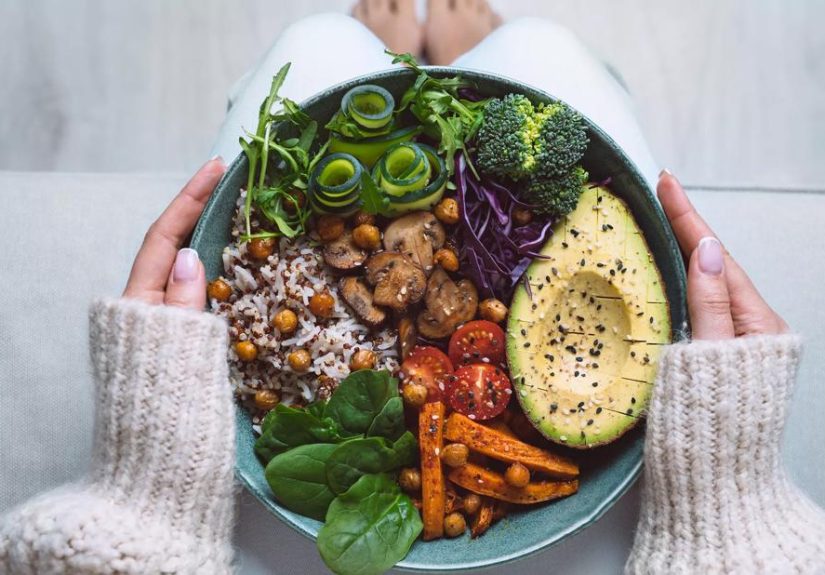
For example, a strong vegan dinner could be a bowl with brown rice, baked tofu, roasted broccoli, carrots, sesame seeds, avocado, and a ginger-tahini sauce. It is colorful, filling, protein-rich, and not remotely boring. Your fork will have plans.
Healthy Vegan Grocery List
A practical vegan grocery list makes success easier. Keep your kitchen stocked with foods that can become quick meals without requiring a culinary degree or a dramatic apron.
Protein Staples
Buy tofu, tempeh, edamame, lentils, canned beans, dry beans, chickpeas, split peas, soy milk, hummus, seitan, and vegan protein powder if needed.
Whole Grains and Starches
Choose oats, quinoa, brown rice, barley, farro, whole-wheat pasta, corn tortillas, whole-grain bread, potatoes, sweet potatoes, and winter squash.
Fats and Flavor
Use walnuts, almonds, peanuts, chia seeds, flaxseed, hemp seeds, pumpkin seeds, tahini, avocado, olives, olive oil, herbs, spices, salsa, vinegar, lemon juice, garlic, and nutritional yeast.
Vegetables and Fruits
Focus on variety: leafy greens, broccoli, cabbage, peppers, carrots, tomatoes, onions, mushrooms, berries, citrus fruits, apples, bananas, grapes, and frozen produce for convenience.
Sample One-Day Healthy Vegan Meal Plan
Breakfast: Oatmeal made with fortified soy milk, topped with ground flaxseed, blueberries, walnuts, and cinnamon.
Lunch: Chickpea and quinoa salad with cucumbers, tomatoes, spinach, olives, lemon-tahini dressing, and pumpkin seeds.
Snack: Apple slices with peanut butter or hummus with carrots and whole-grain crackers.
Dinner: Tofu and vegetable stir-fry with broccoli, bell peppers, mushrooms, brown rice, and sesame-ginger sauce.
Optional evening snack: Fortified plant-based yogurt with chia seeds or a smoothie with fortified soy milk, banana, spinach, and hemp seeds.
Experience-Based Insights: What Vegan Eating Feels Like in Real Life
One of the biggest surprises people experience when trying a vegan diet is that the first week is not really about nutrition science. It is about habits. You open the fridge and realize your usual “automatic meals” are suddenly gone. No turkey sandwich. No scrambled eggs. No yogurt cup. For a moment, the kitchen feels like it has been rearranged by a mischievous raccoon.
But after the learning curve, vegan eating often becomes much easier. The key is finding replacement meals that feel normal, not like a downgrade. A tofu scramble with turmeric, onions, peppers, and toast can replace eggs. Lentil Bolognese can replace meat sauce. Cashew cream or tahini dressing can replace dairy-based sauces. A bean burrito with rice, salsa, guacamole, and crunchy vegetables can be just as satisfying as a meat-filled version.
Another common experience is improved digestion, but sometimes only after an adjustment period. If someone jumps from a low-fiber diet to three servings of beans a day, bloating can happen. That does not mean beans are “bad.” It usually means the gut needs time. Starting with smaller servings, using canned beans rinsed well, choosing lentils, and drinking more water can help. Over time, many people notice more regular digestion and better fullness after meals.
Social eating can be the trickiest part. At home, vegan meals are easy to control. At restaurants, family gatherings, or work events, it takes more planning. Checking menus ahead of time helps. So does having a reliable phrase ready, such as “I eat vegan, but I’m happy with anything built around vegetables, beans, grains, or tofu.” Most restaurants can manage something, even if that something occasionally arrives as a heroic pile of lettuce. Progress, not perfection.
Grocery shopping also changes. At first, people may spend too much money on specialty vegan products. Some are useful, but the most affordable vegan staples are often simple: beans, lentils, rice, oats, pasta, potatoes, peanut butter, frozen vegetables, bananas, cabbage, carrots, tofu, and canned tomatoes. A healthy vegan diet does not have to be an expensive parade of artisanal mushroom jerky.
Energy levels vary depending on how well the diet is planned. People who eat enough calories, protein, fats, and iron-rich foods often feel good. People who only eat salads and fruit may feel tired, hungry, and cold. A vegan meal should include substance: protein, starch, vegetables, and fat. A salad can be a meal, but it needs backupchickpeas, tofu, quinoa, avocado, seeds, and dressing. Lettuce alone is not dinner; it is a crunchy suggestion.
Long-term success usually comes from flexibility and preparation. Batch-cooking lentils, rice, roasted vegetables, and tofu can make weekday meals simple. Keeping emergency foods availablecanned beans, frozen edamame, instant oats, nut butter, microwave rice, and fortified soy milkcan prevent the classic “I’m hungry and now I live on chips” situation.
The most positive experience many people report is discovering more variety. Vegan eating can push you toward Indian dals, Thai curries, Mediterranean hummus bowls, Mexican bean tacos, Japanese miso soup, Ethiopian lentils, and colorful grain bowls. Instead of feeling limited, the diet can become a reason to explore new flavors. The healthiest vegan diet is not a tiny box. It is a big, colorful farmers market with spices.
Final Verdict: Is a Vegan Diet Healthy?
Yes, a vegan diet can be healthy, satisfying, and nutritionally complete when it is well planned. The healthiest version emphasizes whole and minimally processed plant foods, includes reliable vitamin B12, pays attention to iron, calcium, vitamin D, iodine, zinc, omega-3 fats, and provides enough calories and protein.
A vegan diet is not automatically healthy just because it avoids animal products. Quality matters. A balanced vegan diet should be built around beans, lentils, tofu, tempeh, whole grains, vegetables, fruits, nuts, seeds, and fortified foodsnot just vegan snacks and meat substitutes.
If your goal is better health, you do not have to be perfect. You need a pattern that works in real life. Start with one plant-based breakfast, one bean-based lunch, or one tofu dinner. Learn what you enjoy. Build from there. Your body does not need dietary drama; it needs consistency, nutrients, and meals that make you glad to sit down and eat.