Table of Contents >> Show >> Hide
- Why This Recipe Works (And Why Your Meatballs Won’t Be Sad)
- Ingredients
- Step-by-Step: How to Make Meatballs with Coconut-Curry Sauce
- Pro Tips for Next-Level Coconut Curry Meatballs
- Serving Ideas
- Variations You’ll Actually Want to Make
- Make-Ahead, Storage, and Reheating
- Food Safety Notes
- FAQs
- Kitchen “Experience Notes” ( of Real-World What-To-Expect)
- Conclusion
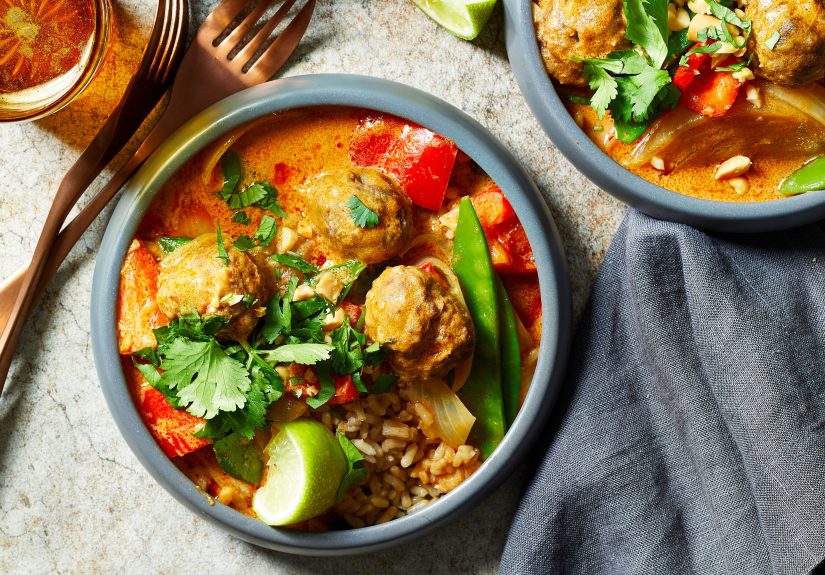
If you’ve ever looked at a humble meatball and thought, “You’re cute, but you could be living a bigger life,”
this is that glow-up. These tender, juicy meatballs get dunked into a silky coconut-curry sauce that tastes like
it took all dayyet it’s totally weeknight-friendly. The sauce is creamy, warmly spiced, and brightened with a
little lime, while the meatballs stay soft (not hockey pucks) thanks to a few simple techniques you’ll actually
want to use again.
This recipe is written for home cooks who like bold flavor without chaos. You’ll brown or bake the meatballs,
then finish them gently in the sauce so they soak up curry goodness without drying out. Serve it over jasmine rice,
rice noodles, or with warm flatbread for maximum “sauce delivery system” efficiency.
Why This Recipe Works (And Why Your Meatballs Won’t Be Sad)
1) A gentle binder keeps the meatballs tender
Meatballs get tough when the mixture is overmixed or too lean, or when they cook too long at high heat.
We fix that by using a simple binder (panko or soft breadcrumbs plus egg) and mixing just until combined.
Think: “barely introduced,” not “thoroughly interviewed.”
2) Browning builds flavor, simmering finishes the job
A quick sear (or a hot bake) creates savory caramelization on the outside. Then we finish in the sauce at a gentle
simmer so the centers stay juicy while the sauce turns rich and fragrant.
3) Coconut milk + curry = creamy sauce with built-in comfort
Coconut milk brings a velvety texture, while curry paste or curry powder provides concentrated flavor.
A small hit of acid (lime) and a touch of sweetness (brown sugar or honey) keep it balanced instead of flat.
Ingredients
For the meatballs
- 1 pound ground meat (ground chicken, turkey, pork, or beef)
- 1/3 cup panko breadcrumbs (or soft breadcrumbs)
- 1 large egg
- 3 garlic cloves, finely grated or minced
- 1 tablespoon fresh ginger, finely grated
- 2 scallions, thinly sliced (white and light green parts)
- 2 tablespoons chopped cilantro (plus more for serving)
- 1 teaspoon kosher salt
- 1/2 teaspoon black pepper
- Optional: 1 teaspoon soy sauce or fish sauce (extra savoriness)
For the coconut-curry sauce
- 1 tablespoon neutral oil (avocado, canola, grapeseed)
- 1 small onion, finely chopped (or grated for a smoother sauce)
- 2 garlic cloves, minced
- 1 tablespoon fresh ginger, grated
- 2–3 tablespoons Thai red curry paste (or green curry paste for a brighter heat)
- 1 tablespoon mild curry powder (optional but lovely for extra warmth)
- 1 (13.5-oz) can unsweetened coconut milk
- 1/2 cup chicken broth (or water)
- 1–2 teaspoons brown sugar or honey (to taste)
- 1 tablespoon fish sauce or soy sauce (to taste)
- 1–2 tablespoons fresh lime juice (to taste)
- Optional: 1 tablespoon peanut butter (for a slightly satay-like richness)
- Optional add-ins: bell pepper strips, baby spinach, peas, or green beans
To serve
- Jasmine rice, brown rice, or rice noodles
- Fresh herbs (cilantro, Thai basil, or regular basil)
- Lime wedges
- Toasted coconut flakes or chopped peanuts (optional crunch)
Step-by-Step: How to Make Meatballs with Coconut-Curry Sauce
Step 1: Mix the meatballs (gently!)
-
In a large bowl, add the ground meat, panko, egg, garlic, ginger, scallions, cilantro, salt, pepper, and
(if using) a splash of soy sauce or fish sauce. -
Mix with your hands or a fork just until combined. Stop as soon as the mixture holds togetherovermixing is the
#1 cause of tough meatballs. - Roll into 16–20 meatballs (about 1 1/2 inches each). If the mixture feels sticky, lightly dampen your hands.
Step 2: Brown or bake the meatballs
Option A: Skillet-brown (best flavor)
- Heat a large skillet over medium-high heat with a thin layer of oil.
-
Brown meatballs in batches, turning carefully, until nicely browned on most sides (about 6–8 minutes total).
They do not need to be cooked through yet. - Transfer to a plate.
Option B: Bake (easier, less splatter)
- Heat oven to 425°F. Line a sheet pan with parchment.
-
Bake meatballs for 12–15 minutes, until mostly cooked through and lightly browned.
(You’ll finish them in the sauce.)
Step 3: Build the coconut-curry sauce
-
In the same skillet (wipe out excess fat if needed, leaving about 1 tablespoon), add the onion and cook over
medium heat until softened, 3–5 minutes. - Add garlic and ginger and cook 30 seconds, just until fragrant.
-
Stir in curry paste (and curry powder if using). Cook 1 minute, stirring, to wake up the spices.
Your kitchen should now smell like it has a travel budget. - Pour in coconut milk and broth. Stir well, scraping up any browned bits from the pan (free flavor).
- Add brown sugar/honey and fish sauce/soy sauce. Simmer 4–6 minutes to thicken slightly.
Step 4: Finish the meatballs in the sauce
- Return meatballs (and any juices) to the skillet. Reduce heat to a gentle simmer.
-
Simmer until meatballs are cooked through, about 6–10 minutes (depending on size and whether they were baked or browned).
Avoid a rolling boilaggressive bubbling can toughen lean meatballs. - Stir in optional veggies (spinach, peas, peppers, green beans) during the last few minutes, just until tender.
-
Turn off heat and add lime juice to taste. Add more fish sauce/soy for salt, or a pinch more sugar for balance.
This is where the sauce becomes “I need a spoon” level good.
Pro Tips for Next-Level Coconut Curry Meatballs
Choose your meat like you choose your friends: with a little fat for support
Ground chicken and turkey work beautifully, but they’re leanso don’t skip the binder, and don’t overcook.
Ground pork brings extra juiciness. Beef adds deeper savory flavor. You can also mix meats (pork + turkey is a great duo).
Curry paste varies wildly in heat and salt
Some curry pastes are mild and aromatic; others show up like they’re auditioning for a hot-sauce documentary.
Start with 2 tablespoons, taste the sauce, then add more if you want extra kick.
Balance the sauce with the “3 S’s”
Salty (fish sauce/soy), Sweet (brown sugar/honey), and Sour (lime).
If your sauce tastes flat, it usually needs one of thesenot more curry paste.
Don’t fear a smoother sauce
If you want a silky restaurant-style sauce, grate the onion instead of chopping, or blend the sauce carefully
before adding meatballs. (Let it cool slightly first if blending hot liquids.)
Serving Ideas
- Classic: Jasmine rice + lots of cilantro + lime wedges
- Noodles: Rice noodles or ramen-style noodles for a slurpable bowl moment
- Veg boost: Add spinach, bell peppers, or peas for color and texture
- Crunch: Toasted coconut flakes, chopped peanuts, or crispy shallots
- Fresh: Cucumber salad or quick-pickled onions to cut the richness
Variations You’ll Actually Want to Make
1) Green curry coconut meatballs
Swap red curry paste for green curry paste. Add a handful of spinach blended into the sauce for extra color and a gentle sweetness.
2) Indian-inspired coconut “kofta-style” meatballs
Use curry powder (or garam masala) instead of Thai curry paste, add a pinch of cumin, and finish with cilantro and lime.
Serve with basmati rice or warm naan.
3) Peanut coconut curry meatballs
Stir 1 tablespoon peanut butter into the sauce for a satay-ish twist. Top with crushed peanuts and extra lime.
4) Veggie-friendly version
Use store-bought plant-based meatballs or make chickpea-lentil meatballs. Simmer gently in the sauce until heated through.
Make-Ahead, Storage, and Reheating
Make-ahead
You can roll meatballs up to a day ahead and keep them covered in the refrigerator. Or cook them fully, cool, and store
separately from the sauce until you’re ready to reheat.
Fridge and freezer
Store leftovers in an airtight container. For best quality, keep meatballs and sauce together so the meatballs stay moist.
Freeze in portions so future-you can thaw exactly what you need (future-you is busy and deserves this).
Reheating
Reheat gently on the stove over medium-low heat, adding a splash of broth or water if the sauce thickened too much.
Microwave works toocover loosely to prevent splatters that look like abstract art.
Food Safety Notes
Use an instant-read thermometer if you can. Ground meat should be cooked to a safe internal temperature, and leftover
dishes should be reheated thoroughly. When in doubt, temperature beats guesswork every time.
FAQs
Can I bake the meatballs instead of frying?
Yes. Baking is less messy and still delicious. You’ll lose a little browning flavor, but finishing in the sauce brings it back.
If you want the best of both worlds, broil for 1–2 minutes at the end of baking for extra colorjust don’t walk away.
What coconut milk should I buy?
Unsweetened canned coconut milk is best. “Light” coconut milk works, but the sauce will be thinner and less lush.
If your sauce seems thin, simmer it a few extra minutes to reduce.
How do I make it less spicy?
Use less curry paste, choose a mild curry powder, and add extra coconut milk. A little sugar can also soften heat.
And if you accidentally made it too spicy, serving with extra rice is a totally valid strategy.
Can I add vegetables?
Absolutely. Bell peppers, spinach, peas, and green beans are all great. Add tender greens at the end so they stay bright.
Add firmer veggies earlier so they soften properly.
Kitchen “Experience Notes” ( of Real-World What-To-Expect)
Here’s the funny thing about meatballs in coconut-curry sauce: the first bite is great, but the second bite is when your brain
realizes you’ve made a serious life choicein the best way. Most cooks notice the sauce changes character as it sits. Right off
the stove, it’s bright and fragrant, with curry aroma leading the parade. After 10 minutes, it starts to feel thicker and more
unified, like the flavors have finally agreed on a group chat name. If you make this ahead, the next-day leftovers often taste
even better, because the meatballs soak up the curry like they’re getting paid per ounce.
You’ll also notice how much curry paste brands vary. One paste can be pleasantly warm, while another can be “surprise, you’re
sweating” spicyeven at the same tablespoon measurement. Many home cooks end up developing a personal system: start modest,
simmer, taste, then add more paste in half-tablespoon increments. The goal is a sauce that tastes boldly spiced but still lets
the coconut milk do its creamy comfort thing. If you go a little too far, extra coconut milk and a squeeze of lime can bring
balance back fast. (Lime is basically the therapist of rich sauces.)
Meatball texture is another place where experience wins. If you’ve ever had dense meatballs, you’ll recognize the temptation
to mash the mixture until it looks “even.” Resist. The mixture should look combined, not polished. People who switch to gentler
mixing often describe the difference as “restaurant tender.” Another common observation: smaller meatballs are more forgiving.
Big meatballs can be amazing, but they need more time, and more time can mean drier edgesespecially with lean turkey or chicken.
If you’re cooking for a crowd (or you’re meal-prepping), smaller meatballs also freeze and reheat more evenly.
Serving this dish is where it becomes an event. Jasmine rice is the classic partner because it absorbs sauce without getting
heavy, but rice noodles turn it into a cozy bowl situation. At the table, toppings do a lot of work: fresh cilantro makes it
taste brighter, toasted coconut adds crunch and a nutty echo of the sauce, and chopped peanuts are the fastest route to
“why does this taste like my favorite takeout?” A cucumber salad or quick pickles are a surprisingly big upgrade, too
the cold, tangy bite makes each creamy spoonful feel exciting instead of just rich.
Finally, don’t be surprised if this becomes one of those recipes you “accidentally” memorize. It’s flexible, it forgives
substitutions, and it solves the eternal dinner problem: comforting, but not boring. Plus, it gives you an excuse to say
“meatballs” in a fancy tone like “méätbälls,” which is not requiredbut strongly encouraged.
Conclusion
Meatballs with coconut-curry sauce hit that sweet spot between cozy and exciting: tender meatballs, a creamy spiced sauce,
and endless ways to customize with veggies, herbs, and heat levels. Whether you brown them in a skillet for maximum flavor or
bake them for easy cleanup, finishing in the sauce keeps everything juicy and deeply seasoned. Make it once, and you’ll start
looking at your dinner rotation like: “So… who’s ready to get upgraded?”