Table of Contents >> Show >> Hide
- Who Was Zeus the Blind Owl?
- Why Did Zeus Have “Stars” in His Eyes?
- Life at the Wildlife Learning Center
- What Makes Western Screech-Owls Special?
- Why Zeus Could Not Return to the Wild
- The Bigger Lesson: Rescue Is Not the Same as Keeping a Wild Animal
- How Zeus Changed the Way People See Owls
- Zeus’s Legacy After His Passing
- What Zeus Teaches Us About Wildlife Conservation
- How to Make Your Yard Safer for Owls
- Why Zeus Still Captures Hearts
- Experience Section: What It Feels Like to Meet a Story Like Zeus’s
- Conclusion: A Little Owl With a Universe-Sized Message
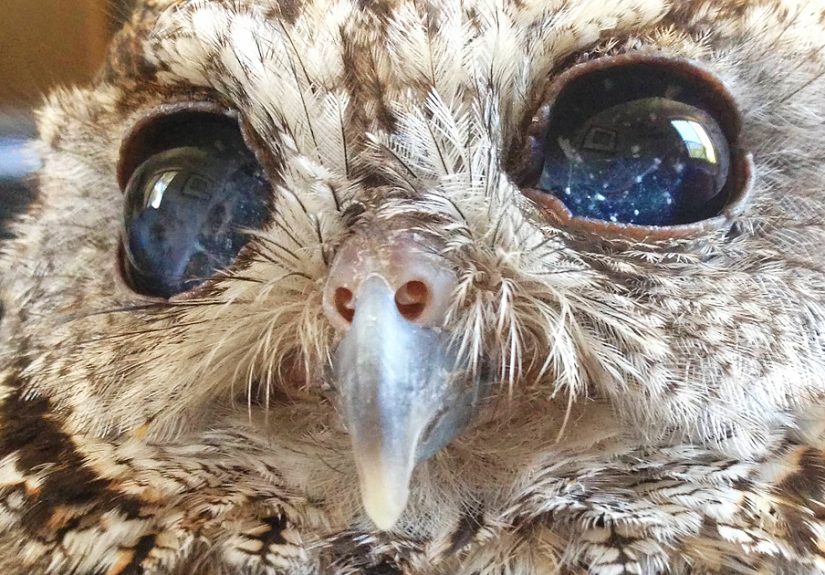
Some animals enter the internet like they have a publicist, a lighting crew, and a tiny velvet rope around their perch. Zeus, the rescued blind Western Screech-Owl, did not ask for fame. He simply opened his eyesand suddenly people saw galaxies.
Zeus became beloved because his eyes looked like a pair of miniature night skies, scattered with pale, star-like flecks. But behind that magical appearance was a real rescue story: a small owl found weak, blind, and unable to survive on his own. After veterinary care and rehabilitation, Zeus found a permanent home at the Wildlife Learning Center in Sylmar, California, where he became an unforgettable ambassador for wildlife conservation.
This is not just a cute owl story, though Zeus certainly had enough charm to make a stone gargoyle smile. His life helps explain why wildlife rehabilitation matters, why injured wild animals need expert care, and why even a tiny owl can make people think differently about nature, disability, and compassion.
Who Was Zeus the Blind Owl?
Zeus was a Western Screech-Owl, a compact owl species native to western North America. Western Screech-Owls are small, sturdy birds with ear tufts, camouflage-friendly feathers, and a talent for disappearing into tree bark like feathered ninjas. They are often found in wooded areas, parks, suburbs, and other places where trees, cavities, and prey are available.
Before Zeus became famous for his “starry eyes,” he was found in serious trouble. Reports from the Wildlife Learning Center explain that he was discovered emaciated and blind on someone’s front porch in Central California. He received treatment at a wildlife rehabilitation facility, where veterinarians helped him recover. However, because he had severe vision loss, he was deemed non-releasable.
That term“non-releasable”may sound cold, but in wildlife care, it is often a life-saving decision. A wild owl needs sharp senses to hunt, avoid predators, navigate trees, and survive. Zeus was believed to have only about 10% of his vision. Releasing him into the wild would not have been freedom; it would have been danger wrapped in good intentions.
Why Did Zeus Have “Stars” in His Eyes?
Zeus’s eyes were the first thing most people noticed. They looked unreal, like someone had placed a tiny telescope inside each pupil. His unusual appearance was linked to damage and abnormalities in his eyes, including cataract-like changes and pigment or clot-like formations that created a cosmic, speckled look.
It is important to say this clearly: Zeus’s beautiful eyes were not a fashion accessory from the universe. They were the visible result of a medical condition. That is part of what made his story so powerful. People first came for the magic, then stayed for the message.
His name fit perfectly. “Zeus” refers to the Greek god associated with the sky and thunder. For an owl whose eyes seemed to hold storm clouds, stars, and moonlight all at once, the name was almost too poetic. Honestly, if a committee had tried to name him, they probably would have overdone it with something like “Sir Nebula Hootington III.” Thankfully, Zeus was enough.
Life at the Wildlife Learning Center
At the Wildlife Learning Center, Zeus became more than a rescued bird. He became an animal ambassador. That means he helped visitors learn about owls, wildlife rescue, conservation, and the delicate line between helping a wild animal and accidentally harming it.
Zeus reportedly lived in a safe, carefully managed environment where staff could monitor his health and comfort. Because he was calm and visually striking, visitors often reacted with surprise and emotion when they saw him open his eyes. Many people expected an owl to be fierce, spooky, or dramatic. Zeus showed them something different: quiet presence.
Animal ambassadors like Zeus play an important role in conservation education. People may read a fact sheet about owls and forget it five minutes later. But when they meet a real owl with a story, the lesson sticks. Zeus made people care about Western Screech-Owls not as an abstract species, but as living creatures sharing backyards, parks, and neighborhoods with humans.
What Makes Western Screech-Owls Special?
They Are Small but Mighty
Western Screech-Owls are not huge birds. In fact, they are small enough to surprise people who imagine every owl as a dramatic, cloak-wearing forest wizard. But their size does not make them weak. These owls are skilled nocturnal hunters with strong talons, excellent hearing, and camouflage that lets them blend into tree trunks and cavities.
They Live Close to People
One reason Zeus’s story feels so personal is that Western Screech-Owls can live near humans. They may use wooded suburbs, parks, orchards, streamside groves, and residential areas where suitable habitat remains. That means our choicestree removal, pesticide use, outdoor lighting, window safety, and yard designcan affect them more than we realize.
They Have a Memorable Call
The Western Screech-Owl is known for a distinctive series of hoots that speeds up like a bouncing ball. If you hear that sound at dusk, you may have a tiny feathered neighbor announcing territory, courtship, or simply reminding the night that it has a soundtrack.
Why Zeus Could Not Return to the Wild
Wildlife rescue has one main goal whenever possible: return healthy animals to their natural habitat. But that goal must always be balanced with the animal’s actual ability to survive. For an owl, vision and navigation are not optional features. They are survival tools.
A blind or nearly blind owl may struggle to hunt live prey, avoid vehicles, escape predators, recognize safe perches, and respond quickly to danger. Even if the owl is otherwise strong, severe vision loss can make release unsafe.
That is why trained rehabilitators and veterinarians make careful decisions after examining injured wildlife. A non-releasable animal may be placed in a licensed sanctuary or education center when appropriate. Zeus’s life shows how that second chance can still be meaningful, even if it looks different from a return to the wild.
The Bigger Lesson: Rescue Is Not the Same as Keeping a Wild Animal
Zeus’s story can inspire people to help wildlife, but it should not inspire anyone to keep an owl in the laundry room and name it Professor Beak. Wild animals need specialized diets, medical care, permits, safe housing, and species-specific handling. Owls are also protected under wildlife laws in many places.
If you find an injured owl, the safest first step is to contact a licensed wildlife rehabilitator or local wildlife agency. Avoid unnecessary handling. Keep pets and children away. If a professional advises you to contain the bird, use a ventilated box, keep it dark and quiet, and do not offer food or water unless instructed. Good intentions are wonderful; expert guidance is better.
How Zeus Changed the Way People See Owls
Zeus became widely shared online because of his extraordinary eyes, but his deeper impact came from what those eyes represented. They reminded people that beauty and vulnerability can exist in the same body. They also challenged the idea that disabled animals are somehow “less.” Zeus was not less of an owl because he was blind. He was an owl with different needs, a safe home, and a powerful educational role.
For many visitors, seeing Zeus was emotional. He looked calm, ancient, and otherworldly, as if he knew every secret in the Milky Way but was too polite to spoil the ending. In reality, he was a rescued owl living because humans made the right choice: they did not ignore him, did not try to turn him into a pet, and did not release him into conditions he could not survive.
Zeus’s Legacy After His Passing
Zeus was later mourned by the Wildlife Learning Center and by many people who had followed his story. His passing did not erase his influence. If anything, it made his legacy clearer. He helped people notice a species they may never have thought about before. He encouraged donations, visits, wildlife education, and conversations about injured animals.
That is a remarkable achievement for a small owl who began his rescue story on a porch. Zeus did not need to fly across the wild to make an impact. He changed minds from a safe perch, one pair of starry eyes at a time.
What Zeus Teaches Us About Wildlife Conservation
1. Local Wildlife Is Worth Protecting
Conservation is not only about faraway rainforests or famous endangered animals. It is also about the owls in neighborhood trees, the songbirds in city parks, and the small habitats squeezed between roads and rooftops. Zeus made local wildlife feel personal.
2. Rehabilitation Requires Skill
Wildlife rehabilitation is not guesswork. It involves medical evaluation, careful feeding, stress reduction, safe housing, and legal permits. Zeus survived because people with the right training knew how to help him.
3. Education Can Begin With Wonder
People often learn best when curiosity opens the door. Zeus’s eyes created that doorway. Once people stepped through, they learned about owl biology, habitat, rescue, and responsible action.
4. Compassion Must Be Practical
Loving animals means doing what is best for them, not what feels most dramatic to us. Sometimes that means leaving a healthy fledgling alone. Sometimes it means calling a rehabilitator. Sometimes it means accepting that a rescued animal needs lifelong care.
How to Make Your Yard Safer for Owls
You do not need to run a wildlife center to help owls. Small choices can make a real difference. Reduce or avoid rodenticides, because poisoned rodents can harm raptors that eat them. Keep large old trees when possible, especially those with cavities. Use outdoor lighting thoughtfully, since excessive night lighting can disturb nocturnal wildlife. Keep cats indoors or supervised, because outdoor cats can injure birds and other wildlife.
Homeowners in suitable areas can also learn about properly designed nest boxes for screech-owls. A good nest box should be built to the right dimensions, placed safely, and maintained responsibly. The goal is not to collect owls like garden decorations; it is to support habitat in a way that respects wild behavior.
Why Zeus Still Captures Hearts
There are many animal rescue stories on the internet, but Zeus remains memorable because his appearance matched the poetry of his story. A blind owl with stars in his eyes sounds like a myth. Yet Zeus was real. He was fragile, resilient, funny-looking in the best possible way, and deeply loved by the people who cared for him.
He also gave people a rare emotional shortcut to conservation. Instead of beginning with statistics, Zeus began with awe. One look at him and people wanted to know more. That “more” is where education happens.
Experience Section: What It Feels Like to Meet a Story Like Zeus’s
Reading about Zeus feels a little like stepping into a quiet room and noticing, only after your eyes adjust, that the room is full of stars. At first, you focus on the obvious: his eyes. They look impossible. They seem painted, edited, or borrowed from a deep-space photograph. But the longer you sit with his story, the more the attention shifts from how he looked to how he lived.
That is the emotional power of rescue stories. They slow us down. In everyday life, it is easy to move past wildlife without seeing it. A bird call becomes background noise. A tree cavity becomes just a hole. A small owl becomes invisible unless it lands somewhere inconvenient, like a porch. Zeus makes the invisible visible.
Imagine being the person who found him. You open the door expecting a package, a newspaper, or maybe one of those mystery neighborhood flyers that somehow promises both tree trimming and spiritual cleansing. Instead, there is a small owlweak, silent, and clearly not okay. In that moment, the choice matters. Panic would be understandable. Curiosity would be natural. But the best response is careful help: keep distance, reduce stress, and contact people trained to handle wildlife.
Now imagine meeting Zeus later at a wildlife center. He is not soaring through a canyon or calling from a cottonwood tree. He is safe, calm, and still. Someone explains that he cannot see well enough to hunt or survive in the wild. Then he opens his eyes, and the room changes. Children go quiet. Adults lean forward. Someone whispers, “Wow,” because sometimes “wow” is the only word the brain can locate.
That experience teaches something a textbook cannot fully deliver. It shows that conservation is not only about saving populations; it is also about honoring individual lives. Zeus’s rescue did not solve every problem facing owls, habitat, or injured wildlife. But it created a bridge. People who may never have cared about screech-owls suddenly cared deeply about one. From there, caring can grow outward.
Zeus also reminds us that disability in animals should not be treated as a tragedy-only story. His blindness mattered. It changed what he needed. It meant he could not be released. But it did not remove his value. He still had personality, presence, and purpose. He became an ambassador not despite his condition, but partly because his condition helped people pay attention.
The best experience connected to Zeus’s story is not just wonder; it is responsibility. Wonder says, “Look at those eyes.” Responsibility says, “What can I do differently now?” Maybe that means supporting a wildlife center, planting native trees, avoiding poisons that move through the food chain, driving more carefully at night, or teaching children that wild animals are not pets. Maybe it simply means pausing the next time you hear an owl call and remembering that a whole hidden world is awake while we are making toast, scrolling phones, or arguing with fitted sheets.
Zeus’s life was small in physical size but enormous in reach. He turned a medical condition into a conversation. He turned a rescue into education. He turned a perch in California into a window to the cosmos. Not bad for a little owl who never asked to be famous.
Conclusion: A Little Owl With a Universe-Sized Message
Zeus, the rescued blind owl with stars in his eyes, was more than a viral animal photo. He was a living lesson in compassion, science, and responsible wildlife care. His story began with injury and vulnerability, but it grew into something hopeful: a second chance, a safe home, and a legacy that continues to encourage people to care about owls and the wild spaces around them.
His eyes may have made him famous, but his real gift was deeper. Zeus helped people see that every wild creature has a story, and that sometimes the smallest ambassador can leave the biggest impression.