Table of Contents >> Show >> Hide
- What Is a Taylor Body Fat Scale?
- How Do Taylor Body Fat Scales Work?
- What Numbers Can a Taylor Body Composition Scale Show?
- Why Your Personal Profile Matters
- Normal Mode vs. Athlete Mode
- How to Set Up a Taylor Body Fat Scale
- How to Get More Consistent Readings
- Common Taylor Body Fat Scale Problems and Fixes
- Are Taylor Body Fat Scales Accurate?
- Who Should Be Careful Using a Body Fat Scale?
- Practical Experiences: What Using a Taylor Body Fat Scale Feels Like in Real Life
- Conclusion
At first glance, a Taylor body fat scale looks like a regular bathroom scale with a slightly more serious personality. You step on it, it displays your weight, and thenif you have set it up correctlyit also estimates numbers such as body fat percentage, body water, muscle mass, BMI, and sometimes daily calorie guidance depending on the model. No tiny fitness coach lives inside the scale, unfortunately. The magic is a common body composition technology called bioelectrical impedance analysis, often shortened to BIA.
A Taylor body fat scale is designed to help you see more than weight alone. Weight can tell you how heavy your body is, but it cannot separate muscle, water, fat, and other tissue. That is where body composition estimates become useful. These numbers are not medical diagnoses, and they should not be treated like a final report card on your health. They are best used as trend-tracking tools: same scale, same conditions, repeated over time.
This guide explains how Taylor body fat scales work, what the numbers mean, how to set one up, and how to get more consistent readings without turning your morning routine into a laboratory experiment.
What Is a Taylor Body Fat Scale?
A Taylor body fat scale is a digital body composition scale made to estimate more than basic body weight. Depending on the specific model, Taylor scales may estimate body fat percentage, body water percentage, muscle mass, BMI, and weight changes over time. Many models include stainless steel electrodes on the platform, user memory profiles, normal and athlete modes, automatic shutoff, and the ability to switch between pounds and kilograms.
Different Taylor models vary in capacity, display size, memory slots, and features. Some models store data for four users, while others may support up to ten or more. Some include app-based tracking, while simpler versions show results directly on the scale. The setup process is similar across many Taylor body composition scales: install batteries, place the scale on a hard floor, initialize it, enter your personal profile, and step on with bare feet.
How Do Taylor Body Fat Scales Work?
Taylor body fat scales use bioelectrical impedance analysis. When you stand barefoot on the metal electrodes, the scale sends a very small, low-level electrical signal through your lower body. You do not feel it. The scale measures how easily that signal travels through your body tissues.
Lean tissue, including muscle, contains more water and electrolytes, so it conducts electricity more easily. Fat tissue contains less water, so it creates more resistance. The scale measures this resistance, combines it with your profile detailssuch as height, age, sex, activity level, and sometimes athlete modeand then uses an internal algorithm to estimate body composition.
The Simple Version: Electricity Meets Math
Think of BIA like sending a quiet little scout through your body. If the scout moves through water-rich muscle, the path is easier. If the scout encounters more resistance, the scale interprets that resistance as part of its body fat estimate. Then the scale does the math faster than you can say, “Did I really eat that much popcorn last night?”
The scale does not directly see fat. It estimates it. That distinction matters. A Taylor body fat scale is not the same as a DEXA scan, hydrostatic weighing, or a clinical assessment. It is a home-use tool that gives convenient estimates, especially helpful when you care about long-term changes rather than one dramatic number on a random Tuesday morning.
What Numbers Can a Taylor Body Composition Scale Show?
Body Weight
Weight is the simplest measurement. Taylor scales typically use strain gauge sensor technology to measure how much force is applied to the platform. For best accuracy, the scale should sit on a hard, flat surface. Carpet, uneven tile, or a wobbly floor can cause inconsistent readings.
Body Fat Percentage
Body fat percentage estimates how much of your body weight is fat mass. This number can be more informative than weight alone because two people can weigh the same but have very different body compositions. Still, the reading should be viewed as an estimate, not a medical verdict.
Body Water Percentage
Because BIA depends heavily on water and conductivity, many Taylor scales also estimate body water percentage. Hydration affects the reading. If you are dehydrated, recently exercised, ill, or retaining fluid, the scale may show a different body fat or water percentage than usual.
Muscle Mass
Some Taylor scales estimate muscle mass. This can be useful when you are exercising regularly and want to know whether your routine appears to support lean mass over time. The key phrase is “over time.” A single muscle mass reading after one workout is not a trophy ceremony.
BMI
BMI, or body mass index, uses height and weight to create a general size category. It is easy to calculate, but it does not distinguish between fat and muscle. A muscular person and a less active person may have the same BMI but very different body composition. That is why many people like body composition scales: they add context.
Why Your Personal Profile Matters
Before a Taylor body fat scale can estimate body composition, it needs basic personal information. This usually includes height, age, sex, and activity or athlete mode. Some models also use weight history or user recognition to match your reading with the correct profile.
These details matter because the scale’s algorithm uses them to interpret impedance. For example, a 5-foot-2 beginner exerciser and a 6-foot-1 endurance athlete may produce different estimates even if their electrical resistance looks similar. That is why guessing your height or picking athlete mode because it sounds cooler is not helpful. The scale is not judging your ambition; it is trying to calculate with the data you give it.
Normal Mode vs. Athlete Mode
Many Taylor body composition scales include normal and athlete modes. Athlete mode is usually intended for people who train consistently and intensely. On some Taylor product guidance, athlete mode is described for elite athletes or users who train multiple times per week for extended sessions.
Choosing the correct mode helps the scale make a more appropriate estimate. Athletes often have different hydration patterns, muscle mass, and body composition than less active users. If you work out occasionally, normal mode is usually the better choice. If you truly train hard and consistently, athlete mode may make more sense.
How to Set Up a Taylor Body Fat Scale
The exact buttons vary by model, so your instruction manual is always the boss. However, most Taylor body fat scales follow a setup process like this.
Step 1: Insert the Batteries
Open the battery compartment on the underside of the scale and insert the required batteries. Some Taylor models use AAA batteries, while others use coin-style batteries. Make sure the positive and negative ends are positioned correctly. If the screen is blank or shows “Lo,” the batteries may be low or installed incorrectly.
Step 2: Choose the Right Surface
Place the scale on a hard, flat floor. Bathroom tile, hardwood, or firm vinyl usually works well. Avoid carpet, rugs, uneven stone, or squishy flooring. A body composition scale is sensitive; it does not enjoy standing on a plush bath mat any more than you would enjoy doing math on a trampoline.
Step 3: Initialize the Scale
Before first use, after replacing batteries, or after moving the scale, initialize it. On many Taylor scales, this means pressing firmly on the platform once, waiting for the display to show zero or turn off, and then letting the scale reset. After that, it is ready for normal use.
Step 4: Select the Measurement Unit
Many models allow pounds, kilograms, or stones. Look for the unit button on the bottom or back of the scale. Choose the unit you prefer before setting up user profiles so the numbers are easy to understand later.
Step 5: Turn On Profile Setup
Press the “SET” button or the model’s profile button. The display should show a user memory slot such as P1, P2, or another numbered profile. Use the arrow buttons to choose your memory location, then press “SET” to confirm.
Step 6: Enter Height
Use the up and down buttons to enter your height. Confirm with “SET.” Accuracy matters here, so do not round your height to your dream basketball roster measurement. Enter the real number.
Step 7: Enter Age
Next, enter your age and confirm it. Some models may only estimate full body composition within a supported age range. If the profile information is outside the allowed range, the scale may display only weight and BMI.
Step 8: Select Sex
Choose the male or female icon as required by the scale’s algorithm, then confirm. This setting affects how the body composition formula estimates fat, water, and lean mass.
Step 9: Select Normal or Athlete Mode
Choose normal mode or athlete mode. Use athlete mode only if it accurately describes your training habits. Confirm the setting. Once finished, your profile is stored in memory.
Step 10: Take Your First Body Composition Reading
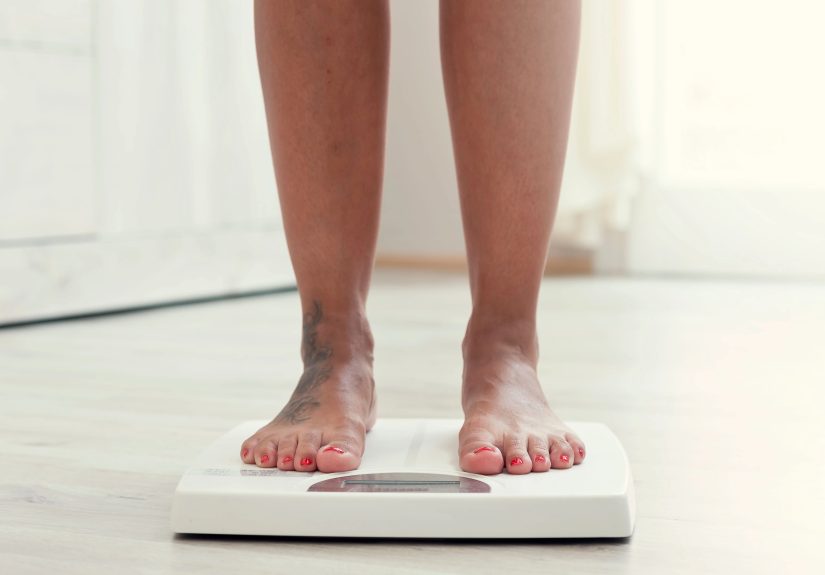
Wait for the display to show “0.0.” Remove shoes and socks. Step onto the scale with bare feet, placing each foot evenly on the metal electrodes. Stand still, keep your feet centered, and do not lean forward to stare at the display like it owes you money. The scale will show weight first, then estimate body fat, water, BMI, and other available metrics.
How to Get More Consistent Readings
Body fat scales are sensitive to timing, hydration, recent meals, exercise, alcohol, illness, and even how your feet contact the electrodes. To make your Taylor scale more useful, focus on repeatable conditions.
Weigh at the same time of day, preferably in the morning after using the bathroom and before eating. Use the same scale in the same location. Stand barefoot with clean, slightly moist feet for better electrode contact. Avoid measuring immediately after a hard workout, a large meal, or a long period of dehydration. Track weekly or monthly trends instead of reacting to every small daily change.
Also, do not compare your Taylor scale reading with a completely different brand and assume one is “wrong.” Different body composition scales use different algorithms and may measure through different body segments. The most useful comparison is your reading today versus your reading on the same scale under similar conditions later.
Common Taylor Body Fat Scale Problems and Fixes
The Scale Shows Weight but Not Body Fat
This usually happens when the scale cannot complete the BIA measurement. Make sure you are barefoot, your feet are touching the electrodes, the profile is set correctly, and the scale is on a flat surface. Socks are cozy, but they are terrible conductors for this job.
The Reading Changes a Lot
Body composition readings can shift because of hydration, exercise, menstrual cycle changes, food intake, illness, or inconsistent foot placement. Look for patterns over time instead of treating one reading as the final truth.
The Scale Shows “Err”
An error message may mean the scale was overloaded, the user moved during measurement, the scale needs to be reinitialized, or there was poor electrode contact. Step off, let the scale turn off, place it on a hard surface, and try again with feet centered.
The Scale Shows “Lo”
“Lo” usually means low battery. Replace all batteries at the same time. Avoid mixing old and new batteries or different battery types.
Are Taylor Body Fat Scales Accurate?
A Taylor body fat scale can be useful, but it is not perfect. BIA devices are convenient, affordable, and easy to use at home. However, readings can be affected by hydration, body type, recent exercise, illness, and the formula used by the device. For clinical precision, methods such as DEXA scans, Bod Pod testing, or hydrostatic weighing are usually more advanced.
That does not mean your scale is useless. It means you should use it wisely. The real value is not obsessing over whether today’s body fat estimate is 24.6% or 25.1%. The value is noticing whether your trend is moving in a direction that matches your wellness goals over weeks and months.
Who Should Be Careful Using a Body Fat Scale?
Because body fat scales use a low-level electrical signal, people with pacemakers, defibrillators, or other implanted electronic medical devices should not use BIA features unless a healthcare professional specifically says it is safe. Pregnant users should also avoid relying on body composition readings because results may be inaccurate and product warnings often advise against use. Children and teens should use these numbers only with guidance from a parent, guardian, or healthcare professional, because growth and development can make body composition interpretation more complex.
For everyone, remember this: your body composition scale is a tool, not a personality test. It does not measure strength, energy, sleep quality, confidence, athletic skill, or whether you can carry all the groceries in one trip.
Practical Experiences: What Using a Taylor Body Fat Scale Feels Like in Real Life
The first experience most people have with a Taylor body fat scale is setup confusion. The buttons are small, the icons are simple, and the scale expects you to know whether you are P1, P2, or possibly a secret agent. The best approach is to slow down. Put the scale on a hard floor, press “SET,” choose a memory profile, and enter your details carefully. Once the profile is saved, the process becomes much easier.
In everyday use, the biggest lesson is consistency. A reading taken after a salty dinner, poor sleep, and a late-night snack may look different from a reading taken after a calm morning routine. That does not mean your body transformed overnight. It usually means fluid balance changed. Many users find it helpful to weigh two or three times per week at the same time instead of checking repeatedly throughout the day.
Another common experience is seeing a body fat number that does not match expectations. Someone may start exercising and notice weight stays the same while body composition slowly improves. That can be encouraging because the scale may show changes that a regular weight-only scale misses. On the other hand, the numbers may bounce around a little. This is why the trend matters more than the single reading.
Foot placement also matters more than people expect. If your toes barely touch the electrodes or one foot is slightly off-center, the scale may struggle to estimate body fat. Clean, bare feet with full contact usually produce better results. Slightly moist feet can help if the scale has trouble reading, but wet feet are not a good idea because the platform can become slippery.
One useful habit is keeping a simple note of weekly averages. Instead of reacting to one reading, write down weight, body fat percentage, and body water percentage once a week. After a month, patterns become clearer. You might notice that intense workouts affect readings the next day, or that travel, stress, and hydration change the numbers. This turns the scale from a mood machine into a data tool.
Maintenance is another underrated experience. Taylor scales are precise electronic devices, so they do best when treated gently. Do not drop them, store them upright for long periods, soak them with cleaning spray, or slide them around the bathroom like a hockey puck. Clean the surface with a soft, slightly damp cloth, keep water away from the inside, and replace batteries when needed.
The healthiest way to use a Taylor body fat scale is with curiosity, not panic. Ask, “What trend am I seeing?” rather than “What does this number say about me?” Use the data to support balanced habits such as regular movement, enough sleep, hydration, and nutritious meals. When used this way, the scale becomes less of a judge and more of a quiet dashboard for your routine.
Conclusion
Taylor body fat scales work by combining weight measurement with bioelectrical impedance analysis. The scale sends a small electrical signal through your body, measures resistance, and uses your personal profile to estimate body fat, body water, muscle mass, BMI, and other available metrics. The process is quick and convenient, but it is still an estimate.
To set one up, install the batteries, place it on a hard flat floor, initialize it, select your unit, create a user profile, enter your height, age, sex, and activity mode, then step on barefoot with your feet centered on the electrodes. For the best results, use the same scale in the same place under similar conditions and focus on long-term trends.
A Taylor body fat scale will not replace professional medical testing, but it can help you better understand your body composition journey. Treat the numbers as helpful signals, not final judgments, and you will get the most value from the device without letting it boss around your morning.
Note: This article is written for general educational purposes and web publishing. Taylor scale features vary by model, so users should always check their specific instruction manual before setup or troubleshooting.