Table of Contents >> Show >> Hide
- What to Look for When Comparing a Baby Rash to Pictures
- Quick Visual Guide: What Common Baby Face Rashes Often Look Like in Pictures
- Common Causes of a Rash on a Baby's Face
- Treatments for a Rash on a Baby's Face
- When to Call the Doctor About a Baby Facial Rash
- How to Prevent Some Baby Face Rashes
- Conclusion
- Experiences Related to a Rash on a Baby's Face: What Parents Often Notice
Note: This article is for educational purposes and is not a diagnosis. If your baby is younger than 12 weeks and has a fever, looks unwell, has trouble breathing, develops purple spots, blisters, pus, or a rash that is spreading fast, contact a healthcare professional right away.
A rash on a baby’s face can send even the calmest parent into full detective mode. One minute your little one has soft, squishable cheeks, and the next minute those same cheeks look blotchy, bumpy, flaky, or mysteriously “seasoned.” The good news is that many baby face rashes are common, harmless, and temporary. The less-fun news is that they can look surprisingly dramatic.
That is why this guide matters. When you are staring at tiny red bumps at 2 a.m., you do not need vague advice. You need a practical, readable breakdown of what a baby facial rash may look like, what may be causing it, which treatments are usually helpful, and when it is time to call the pediatrician instead of consulting the university of random internet comments.
Below, we will walk through the most common causes of a rash on a baby’s face, explain what “pictures” of these rashes often show, and cover treatments that are generally safe and sensible. We will also go over warning signs, because not every rash deserves panic, but a few absolutely deserve prompt medical attention.
What to Look for When Comparing a Baby Rash to Pictures
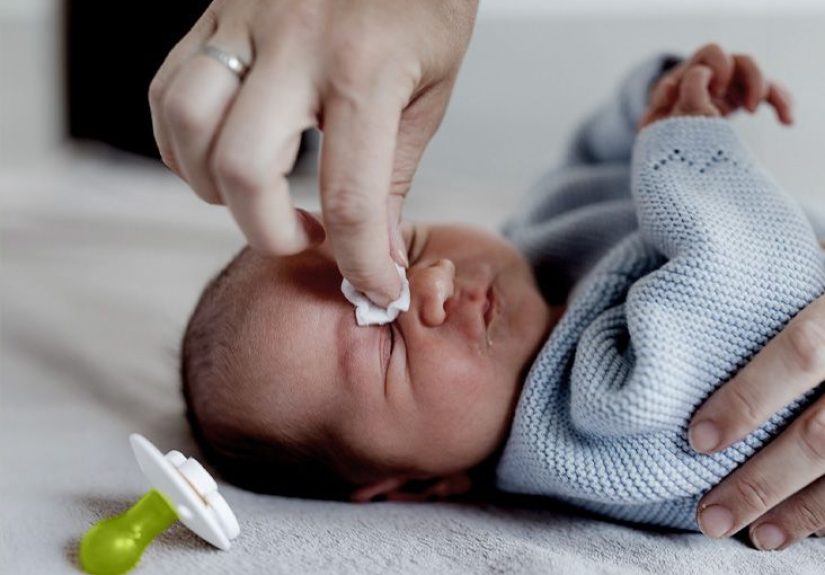
Pictures can help, but they are not perfect. The same rash can look different depending on your baby’s skin tone, age, lighting, and whether the skin is dry, sweaty, or freshly moisturized. A bright red rash on one baby may look purple, darker, or more subtle on another. That means texture and location matter just as much as color.
When comparing your baby’s rash with pictures online, pay attention to these details:
- Is it made of tiny white bumps, red pimples, dry patches, or greasy flakes?
- Is it mainly on the cheeks, chin, forehead, eyebrows, or around the mouth?
- Does it seem itchy, weepy, crusty, or painful?
- Is your baby otherwise acting normal, or do they also have fever, poor feeding, swelling, or breathing trouble?
Quick Visual Guide: What Common Baby Face Rashes Often Look Like in Pictures
| Condition | What it often looks like | Common location | Typical treatment |
|---|---|---|---|
| Baby acne | Small red bumps or pimple-like spots | Cheeks, forehead, chin | Usually no treatment; gentle cleansing |
| Milia | Tiny white or pearl-like bumps | Nose, cheeks, chin | No treatment needed |
| Erythema toxicum | Red patches with small pale or yellowish centers | Face, trunk, arms, legs | No treatment needed |
| Eczema | Dry, rough, red or darker patches; may be itchy | Cheeks, forehead | Moisturizer, trigger control, medical advice if persistent |
| Cradle cap on the face | Greasy, flaky, yellowish or white scale | Scalp, eyebrows, hairline, behind ears | Gentle washing and softening scale |
| Drool rash or irritant rash | Red, chapped, blotchy skin | Chin, mouth, neck folds | Keep dry, protect skin barrier |
| Heat rash | Tiny prickly red bumps | Forehead, cheeks, neck | Cooler environment, lighter clothing |
| Hives | Raised welts that come and go | Anywhere on face or body | Medical guidance; urgent help if swelling or breathing issues |
| Impetigo | Sores or blisters with yellow or honey-colored crust | Around nose, mouth, cheeks | Medical treatment, often antibiotics |
Common Causes of a Rash on a Baby’s Face
1. Baby Acne
Baby acne is one of the usual suspects when small red bumps suddenly show up on the cheeks or forehead. It often appears in the first few weeks of life and can look like a mini teenage breakout, which feels wildly unfair considering your baby has not even discovered mirrors yet.
Baby acne usually clears on its own over time. The best treatment is usually simple: wash the face gently with water and a mild cleanser when needed, pat dry, and leave it alone. Avoid oily products, heavy ointments, and adult acne treatments. In this case, doing less is often the winning strategy.
2. Milia
Milia are tiny white bumps that commonly appear on a newborn’s nose, cheeks, or chin. They are not infected, not itchy, and not a sign that you need a fancy cream. They are just small, trapped skin flakes and oil.
Milia usually go away on their own within a few weeks. No squeezing, scrubbing, or “just one little pop” experiments. Your baby does not need a skincare routine with twelve steps and a serum.
3. Erythema Toxicum
This rash has a dramatic name, but it is usually harmless. Erythema toxicum often shows up in newborns during the first few days after birth. It can look like red blotches with tiny pale or yellowish bumps in the center, almost like very small bug bites.
It often disappears without treatment. If your baby otherwise looks well, feeds normally, and does not have a fever, this rash is typically more annoying to parents than to babies.
4. Eczema (Atopic Dermatitis)
Eczema is a common cause of a baby’s facial rash, especially on the cheeks. It often looks dry, rough, red, or darker than the surrounding skin, and it may make babies rub their face on bedding or your shirt like tiny, frustrated kittens.
Skin dryness and irritation play a big role. Fragrance-free moisturizers are usually the foundation of care. Apply them regularly, especially after bathing, and keep baths short and lukewarm. Avoid fragranced soaps, harsh detergents, and rough fabrics. If the rash is not improving, looks infected, or seems very itchy, your pediatrician may recommend a prescription treatment. Do not start steroid creams on a baby’s face without medical guidance.
5. Seborrheic Dermatitis (Cradle Cap That Travels)
Cradle cap is not always limited to the scalp. It can also affect the eyebrows, forehead, hairline, and the folds around the ears and nose. In pictures, it often looks greasy, flaky, or yellowish, rather than dry and scratchy.
This kind of rash usually is not painful and often is not very itchy. Gentle washing and softening the scale can help. A mild baby shampoo may be enough. If the scale is stubborn, your pediatrician may suggest a safe treatment, but avoid aggressively scrubbing or picking. Baby skin does not appreciate exfoliation boot camp.
6. Drool Rash and Other Irritant Rashes
If your baby’s chin, mouth area, or neck folds look red and chapped, drool rash may be the culprit. Constant moisture from saliva can irritate the skin, especially during teething. Leftover milk, formula, or food particles can also add to the irritation.
Treatment usually means keeping the area dry and protected. Gently pat away drool instead of rubbing, cleanse the skin with water, and apply a bland barrier ointment if your pediatrician recommends one. Also consider irritants such as wipes, soaps, detergents, lotions, lanolin, or scented products that may be making things worse.
7. Heat Rash
Heat rash happens when sweat gets trapped in the skin. On the face, it may show up as tiny red or prickly-looking bumps, especially in warm, humid weather or when babies are overdressed. It can also appear if ointments or other heavy products are trapping heat and moisture.
The fix is refreshingly low-tech: cool the environment, dress your baby in lighter clothing, and keep the skin clean and dry. Heat rash usually settles once the overheating problem is solved.
8. Hives
Hives are raised welts that can appear suddenly and may move around. They can be triggered by an allergy, a virus, a medication, or sometimes no obvious villain at all. If the rash looks like raised patches that come and go, hives move higher on the list.
If hives happen with swelling of the lips or face, vomiting, wheezing, or trouble breathing, seek emergency care right away. That is not a “watch and wait” moment. That is a “go now” moment.
9. Impetigo
Impetigo is a bacterial skin infection that often appears around the nose and mouth. In pictures, it may look like red sores, fragile blisters, or patches with yellow or honey-colored crust. Unlike many harmless newborn rashes, impetigo needs medical attention because it usually requires antibiotic treatment.
If the rash is crusty, oozing, spreading, or your baby seems uncomfortable, call the pediatrician. Keep your baby’s nails short and hands clean to reduce scratching and spread.
10. Viral Rashes That Involve the Face
Some viral illnesses can cause rashes that reach the face or make the cheeks look especially red. Fifth disease is famous for a “slapped cheek” look, while other viral rashes may follow a fever. In many cases, the rash itself is not the main problem; the overall illness is what matters.
If your baby has a facial rash plus fever, poor feeding, unusual sleepiness, or seems sick, it is smart to talk with a healthcare professional instead of trying to diagnose the pattern from photos alone.
Treatments for a Rash on a Baby’s Face
The right treatment depends on the cause, but a few basic rules apply to many baby face rashes:
- Keep cleansing gentle. Use lukewarm water and mild, fragrance-free products.
- Do not scrub. Rubbing usually makes irritated skin angrier.
- Moisturize dry skin. For eczema-prone skin, fragrance-free moisturizers are often helpful.
- Keep wet skin dry. Drool rash and heat rash love moisture. Do not give them extra.
- Avoid random medicated creams. Adult acne products, essential oils, and strong over-the-counter creams do not belong on a baby’s face unless a clinician says otherwise.
- Watch for infection. Oozing, honey-colored crust, swelling, pain, or rapid spread means it is time to check in with a professional.
It is tempting to throw every product in the medicine cabinet at a rash, especially after an exhausting night. Try not to. Baby skin is delicate, and “doing more” can easily turn a mild problem into an irritated one.
When to Call the Doctor About a Baby Facial Rash
Call your pediatrician promptly if:
- Your baby is younger than 12 weeks and has a fever
- The rash looks infected, with pus, oozing, crusting, or increasing redness
- The rash is spreading quickly or lasting longer than expected
- Your baby seems very itchy, uncomfortable, or is not feeding well
- You see blisters, sores, or purple or blood-colored spots
- You suspect impetigo, an allergic reaction, or eczema that is not improving
Get emergency help right away if the rash comes with trouble breathing, swelling of the lips or tongue, severe lethargy, or signs of a serious allergic reaction. A rash is one thing. A rash plus breathing trouble is a totally different conversation.
How to Prevent Some Baby Face Rashes
You cannot prevent every rash. Some are simply part of normal newborn life. Still, a few habits can reduce flare-ups:
- Use fragrance-free soap, shampoo, and laundry products
- Keep your baby’s face dry after feeds and drooling
- Avoid overheating and overdressing
- Use moisturizers consistently if your baby has dry or eczema-prone skin
- Skip harsh skincare, adult acne products, and heavily scented lotions
- Clean gently instead of constantly washing the face every hour
Conclusion
A rash on a baby’s face can look alarming, but the cause is often something common like baby acne, milia, eczema, cradle cap, heat rash, or drool irritation. The trick is to look beyond color alone and pay attention to texture, location, timing, and whether your baby seems bothered by it. Many facial rashes improve with time and gentle skin care. Others, such as impetigo or allergic reactions, need prompt treatment.
In other words, not every cheek bump is a crisis, but not every rash should be brushed off either. If the rash is persistent, severe, infected-looking, or paired with fever or breathing symptoms, trust your instincts and call your pediatrician. Parenting a baby comes with enough mystery already. Your skincare plan should not feel like a game show.
Experiences Related to a Rash on a Baby’s Face: What Parents Often Notice
The experiences below are composite examples based on common parent situations. They are included to make the topic more relatable and practical, not to replace medical advice.
Many parents first notice a facial rash during an ordinary moment: a morning diaper change, a post-bottle burp, or a sleepy cuddle under the kitchen light. The rash was “not there yesterday,” and now suddenly it seems impossible to ignore. One common experience is panic over baby acne. Parents often assume the bumps mean an allergy, an infection, or something they caused by using the wrong detergent. Then, after a visit to the pediatrician, they learn it is a very common newborn phase that usually settles on its own. The emotional swing from “What is happening?” to “Oh, this is normal” is a classic part of the journey.
Another common experience involves drool rash. A baby starts teething, the bibs multiply, the chin stays damp, and the skin around the mouth becomes red and rough. Parents often try wiping more often, only to discover that frequent rubbing can make the skin even more irritated. What usually helps is gentler care: patting the skin dry, reducing friction, and protecting the area. It is one of those frustrating parenting lessons where the solution is not “more effort,” but “kinder effort.”
Eczema tends to create a different kind of experience because it can come and go. Parents may notice that the cheeks look worse after a bath, during dry weather, after using a scented wash, or when their baby rubs their face against a blanket. The rash can become a household detective case. Is it the soap? The detergent? The heating system? The fabric softener that smelled like a spring meadow but betrayed everyone? Families often end up simplifying everything: shorter baths, fragrance-free products, thicker moisturizers, and fewer “cute but suspicious” products with glittery labels.
Then there are the rashes that genuinely need treatment, and those experiences feel different. With impetigo, for example, parents often notice that the rash changes quickly. What looked like a small sore becomes crusty, sticky, and more widespread. This is when a family usually realizes they have moved out of the “let us watch it” phase and into the “let us call the doctor today” phase. Once treatment starts, many parents feel relief not only because the rash improves, but because the uncertainty ends.
Perhaps the most important experience parents describe is learning the difference between a rash that looks dramatic and a rash that comes with serious warning signs. A harmless-looking rash is not always harmless, and a dramatic rash is not always dangerous. Over time, many parents become surprisingly skilled at asking the right questions: Is my baby acting normal? Is there a fever? Is the rash itchy, crusty, or spreading? Is there swelling? Are they feeding well? That confidence does not appear overnight, but it grows. And that may be the real parenting superpower here: not knowing everything instantly, but learning how to notice what matters.