Table of Contents >> Show >> Hide
- What Is the Sax 223-2/17 Wall Lamp?
- A Danish Design Classic With Real History
- Design Features That Make the Sax 223-2/17 Stand Out
- Where the Sax 223-2/17 Wall Lamp Works Best
- Lighting Quality: Soft, Focused, and Comfortable
- Paper Shade vs. Plastic Shade: Which One Should You Choose?
- How to Style the Sax 223-2/17 Wall Lamp
- Installation and Placement Tips
- Care and Maintenance
- Who Should Buy the Sax 223-2/17 Wall Lamp?
- Real-Life Experience With the Sax 223-2/17 Wall Lamp
- Final Thoughts
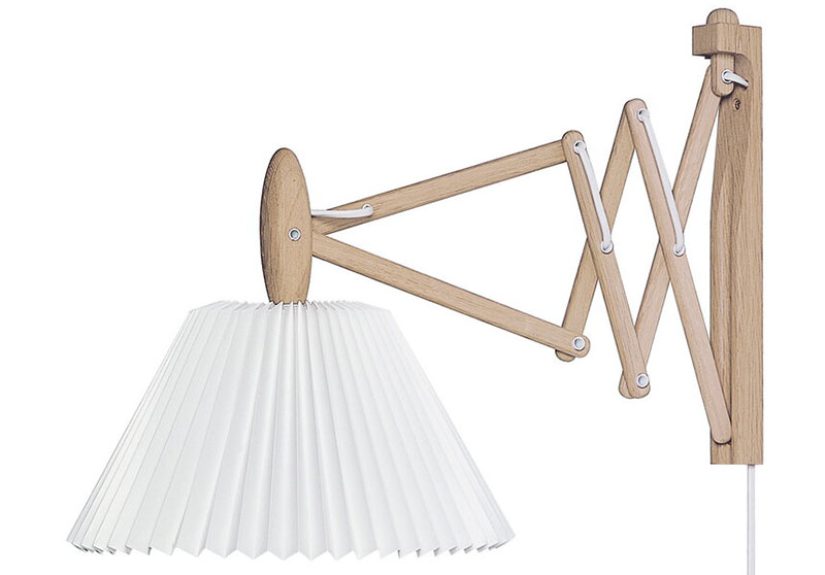
The Sax 223-2/17 Wall Lamp is the kind of lighting design that quietly walks into a room, straightens its wooden arm, and makes every nearby table lamp wonder if it has been underachieving. Designed by Erik Hansen for Le Klint, this Danish wall lamp is not merely a fixture; it is a small piece of functional sculpture. It stretches, folds, pivots, softens light, saves surface space, and adds that unmistakable Scandinavian confidence that says, “Yes, I am practical, but I also look fabulous doing it.”
At first glance, the Sax 223-2/17 looks simple: a pleated white shade, a wooden scissor arm, and a wall-mounted structure. But that simplicity is exactly where the magic lives. This is a classic example of Danish design thinking: warm materials, clever engineering, long-lasting craftsmanship, and no unnecessary drama. It is a reading lamp, a bedside companion, a living-room accent, and a design conversation starter all in one. Unlike many modern wall lamps that seem to be auditioning for a spaceship interior, the Sax 223-2/17 feels human, warm, and timeless.
What Is the Sax 223-2/17 Wall Lamp?
The Sax 223-2/17 Wall Lamp is part of Le Klint’s famous Sax lamp family, often called a scissor lamp because of its accordion-style wooden arm. The “223” refers to the model, while “2/17” points to its Model 2 shade with a 17 cm side length. In plain English: it is the compact, elegant version of a legendary adjustable wall lamp, made for people who want useful light without sacrificing style.
This wall lamp is designed to extend outward from the wall and pull back in when not needed. That makes it ideal for bedrooms, reading corners, compact apartments, home offices, and seating areas where floor space is precious. A standard table lamp needs a table. A floor lamp needs a clear corner. The Sax 223-2/17 simply says, “Wall, please,” and gets to work.
A Danish Design Classic With Real History
The Sax Lamp was designed in 1952 by Erik Hansen, Le Klint’s chief engineer. That detail matters because the lamp does not feel like an object designed only for decoration. It feels engineered. The extension arm has purpose. The shade has purpose. Even the lamp’s modest proportions are part of its charm. It was created during a period when Danish modern design was becoming globally admired for its honesty, comfort, and craftsmanship.
Le Klint itself has deeper roots. The brand’s story began with pleated lampshades developed by the Klint family in the early 20th century, and the company was formally founded in 1943. Its signature hand-folded shades became a defining feature of Danish lighting. The Sax 223-2/17 carries that heritage beautifully. It does not shout “mid-century modern” in a costume-party voice. It simply is mid-century modern, with all the grace that comes from surviving trends rather than chasing them.
Design Features That Make the Sax 223-2/17 Stand Out
1. The Scissor Arm
The most recognizable feature is the adjustable wooden scissor arm. It allows the lamp to extend and retract, giving you control over where the light lands. Pull it closer when reading in bed. Push it back when the room needs to feel open. Angle it beside a sofa when you want focused light for a book, sketchpad, or late-night cup of tea that you absolutely promise will not become three cups.
The wooden arm also gives the lamp its personality. Many adjustable wall lights use metal arms, which can feel industrial or technical. The Sax 223-2/17 uses oak, creating a softer, more residential look. It feels crafted rather than manufactured, which is a major reason it works so well in bedrooms, warm minimalist interiors, and Scandinavian-inspired spaces.
2. The Pleated Shade
The pleated shade is the soul of the lamp. Le Klint is famous for its folded lampshades, and the Sax 223-2/17 uses that tradition to create soft, comfortable illumination. The shade diffuses the bulb so the light feels pleasant rather than harsh. This is especially important for a wall lamp used near eye level, where glare can turn a cozy reading corner into an interrogation room. Nobody wants to feel cross-examined by their own lamp.
The Sax 223-2/17 is available with paper or standard foil shade options, depending on the retailer and configuration. Paper creates a warmer, gentler glow and develops character over time. The standard foil or plastic version is often easier to clean and can offer a brighter, more even appearance. Choosing between them depends on the mood you want: paper for poetic softness, plastic or foil for crisp practicality.
3. Oak Finishes
The lamp is commonly available in light oak and smoked oak. Light oak suits airy Scandinavian rooms, white walls, pale woods, linen bedding, and interiors that look like they drink herbal tea and own beautiful storage baskets. Smoked oak brings more contrast and depth, pairing nicely with walnut furniture, darker walls, leather seating, or rooms that need a bit more visual weight.
4. Compact but Useful Measurements
The Sax 223-2/17 is not oversized, which is one of its advantages. Its adjustable length typically ranges from about 33 to 60 cm, or roughly 13 to 24 inches, depending on the specification source and configuration. This gives it enough reach to function as a reading lamp without overwhelming the wall. It is particularly effective in small spaces because it delivers flexibility without the clutter of a lamp base.
Where the Sax 223-2/17 Wall Lamp Works Best
Beside the Bed
The bedroom is probably the Sax 223-2/17’s natural habitat. Mounted beside a headboard, it can replace a bedside table lamp and free up valuable surface space for books, glasses, a phone charger, or the mysterious pile of receipts that somehow becomes a permanent resident. Because the arm is adjustable, one person can read while the other pretends not to be bothered by the light. Relationship-saving design? Possibly.
Next to a Sofa or Lounge Chair
This lamp also works beautifully beside a sofa, recliner, or reading chair. It provides focused task lighting while adding architectural interest to the wall. Unlike a floor lamp, it does not require floor space, so it is useful in apartments, narrow rooms, or layouts where every square inch is already negotiating for survival.
In a Home Office
For a home office, the Sax 223-2/17 offers a softer alternative to the typical desk lamp. Mounted to the wall near a work surface, it can provide useful side lighting while keeping the desk clear. This is especially helpful for compact workstations, writing desks, and creative studios where clutter multiplies faster than anyone wants to admit.
In a Hallway or Niche
Although the Sax 223-2/17 is often used as a reading lamp, it can also act as an accent fixture. In a hallway, entry nook, or alcove, it adds sculptural texture. The folded shade and wooden arm give a flat wall more dimension, almost like functional wall art. Just make sure the placement allows enough clearance for the arm when extended.
Lighting Quality: Soft, Focused, and Comfortable
The Sax 223-2/17 is best understood as a task and mood lamp, not as the only light source in a large room. Its job is to create a comfortable pool of light where you need it. It is excellent for reading, relaxing, and adding layered illumination. In interior design, layered lighting usually means combining ambient, task, and accent light. In normal-person language, it means your room should not rely on one ceiling light that makes everyone look like they are waiting at a bus station.
Used with a warm LED bulb, the Sax 223-2/17 can create a cozy glow that flatters wood, textiles, books, and art. A bulb around 2700K is typically a good choice for bedrooms and living spaces because it gives off warm white light. For reading, brightness matters too, so choose a bulb that provides enough output without causing glare. If you want more control, consider a dimmable bulb and compatible dimming setup where the electrical configuration allows it.
Paper Shade vs. Plastic Shade: Which One Should You Choose?
The paper shade is ideal if atmosphere is your top priority. It gives the light a softer, more organic feeling and suits interiors where warmth matters more than maximum brightness. Over time, paper may develop a subtle patina, which many design lovers appreciate. Think of it as aging gracefully, like a well-loved notebook or a wooden dining table with stories to tell.
The plastic or standard foil shade is better if you want something easier to maintain. It tends to stay whiter, clean more easily, and provide a slightly crisper glow. For households with dust, pets, busy bedrooms, or anyone who hears “delicate maintenance” and immediately breaks into a nervous sweat, the plastic option may be the more practical choice.
How to Style the Sax 223-2/17 Wall Lamp
The Sax 223-2/17 is versatile, but it looks best when the surrounding space respects its craftsmanship. Pair the light oak version with pale woods, wool throws, white or cream walls, natural linen, and simple ceramics. It also looks excellent above a floating nightstand or next to a low platform bed. For a calmer look, keep nearby decor minimal so the accordion arm can be the star.
The smoked oak version works well in moodier rooms. Try it against warm gray, olive, deep blue, charcoal, or clay-colored walls. It also pairs nicely with leather seating, vintage rugs, black metal accents, and walnut furniture. The contrast between the white pleated shade and darker wood gives the lamp a stronger visual presence without making it feel heavy.
In modern interiors, the lamp can soften hard lines. In traditional spaces, it adds a clean architectural note. In eclectic rooms, it becomes the one object that quietly pulls everything together while pretending not to be responsible.
Installation and Placement Tips
Wall lamp placement depends on how you use the fixture. For general wall sconces, a common guideline is to mount the center of the fixture around 60 to 66 inches from the floor. For bedside reading, the correct height often depends on the mattress height, headboard, and the user’s seated shoulder level. The goal is simple: the light should reach your book or task area without shining directly into your eyes.
When placing the Sax 223-2/17 beside a bed, test the reach before committing to the final mounting position. The scissor arm gives flexibility, but the wall plate still needs to be in the right zone. It should be close enough to pull the shade toward your reading position, but not so close that the lamp feels crowded or gets bumped every time you rearrange pillows like you are preparing a luxury hotel suite.
For sofa placement, mount it slightly behind or beside the seated position so the light can fall over the shoulder. This creates a comfortable reading angle and keeps the shade from floating awkwardly in front of your face. For hallways or narrow rooms, consider the lamp’s full extension and make sure people can walk by safely.
Care and Maintenance
The Sax 223-2/17 is a premium design object, but caring for it does not require a PhD in lampshade diplomacy. Dust the wooden arm with a soft dry cloth. For the pleated shade, use a soft brush, microfiber duster, or gentle vacuum attachment depending on the shade material. Pleats collect dust because they are basically tiny architectural shelves, so occasional cleaning helps preserve the crisp look.
A paper shade should be treated gently and kept away from moisture. Do not soak it or scrub aggressively. A plastic or foil shade can usually handle more practical cleaning, but it still deserves a careful touch. Always switch off and unplug the lamp before cleaning. That advice may sound obvious, but so does “do not put metal in a toaster,” and yet the world remains full of surprises.
Who Should Buy the Sax 223-2/17 Wall Lamp?
The Sax 223-2/17 is best for people who value design history, craftsmanship, and flexible lighting. It is not the cheapest wall lamp, and it is not trying to be. This is a buy-it-for-years piece, not a quick trend purchase. It makes sense for homeowners, design collectors, boutique hospitality spaces, reading enthusiasts, and anyone building an interior around fewer, better objects.
It may not be ideal if you need powerful whole-room illumination, a budget fixture, or a lamp that disappears visually. The Sax 223-2/17 has personality. It wants to be noticed, but politely. Very Danish of it.
Real-Life Experience With the Sax 223-2/17 Wall Lamp
Living with a lamp like the Sax 223-2/17 is different from simply installing another wall sconce. The first thing you notice is how interactive it feels. Most lamps are either on or off, there or not there. This one becomes part of your daily rhythm. In the morning, you may push it neatly against the wall so the room feels tidy. At night, you pull it toward the bed or chair, and suddenly the space feels intentional, like the room has lowered its voice.
One of the most enjoyable experiences is using it as a bedside reading lamp. A regular table lamp often spreads light everywhere: the book, the nightstand, the wall, your pillow, your half-asleep face. The Sax 223-2/17 feels more controlled. You can bring the shade closer and create a smaller, warmer zone of light. That makes reading feel more private and relaxing. It is the lighting equivalent of someone saying, “Here, I saved you the comfortable seat.”
Another real advantage is the space it saves. In a small bedroom, a table lamp can dominate the nightstand. Replace it with the Sax 223-2/17, and the surface suddenly becomes useful again. There is room for a book, a glass of water, a small tray, or even nothing at all, which is a shocking concept in modern life. The visual effect is cleaner too. Because the lamp lives on the wall, the furniture underneath feels lighter.
In a living room, the experience is more about atmosphere. Mounted beside a lounge chair, the lamp gives the corner identity. Without it, the chair is just a chair. With it, the area becomes a reading spot, a music-listening spot, or the place where you sit dramatically with tea while pretending you are not checking your phone. The wooden arm adds movement even when the lamp is still, and the pleated shade brings texture that looks good in daylight as well as at night.
The lamp also teaches you to appreciate good proportions. Cheaper adjustable lamps can feel wobbly, oversized, or visually noisy. The Sax 223-2/17 has a calmer presence. Its mechanics are visible, but they are not ugly. The scissor structure becomes ornament through usefulness. That is one of the pleasures of classic Danish design: the decorative effect comes from the object doing its job well.
There are a few practical lessons. First, placement matters. If the lamp is installed too high, the shade may look elegant but fail as a reading light. If it is too low, it can feel intrusive. The best position depends on your furniture and how you sit. Before drilling, it is worth marking the wall with painter’s tape and testing the reach. Second, the shade material changes the mood. Paper feels warmer and more romantic, while plastic or foil feels cleaner and brighter. Neither is wrong; they simply have different personalities.
Over time, the Sax 223-2/17 becomes one of those home objects people remember. Guests notice it because it does something. It expands. It folds. It glows through pleats. It looks vintage and modern at the same time. More importantly, it makes everyday routines better. Reading becomes easier. Bedside clutter decreases. The room gains character. That is the real value of the lamp: not just how it looks in a product photo, but how naturally it becomes part of a lived-in space.
Final Thoughts
The Sax 223-2/17 Wall Lamp is a rare mix of beauty, history, and daily usefulness. It carries Le Klint’s heritage of hand-folded shades, Erik Hansen’s clever 1952 scissor-arm design, and the warmth of natural wood. It works beautifully as a bedside lamp, sofa reading light, home office accent, or compact-space solution. More than that, it proves that practical design does not have to be boring. Sometimes it can stretch out from the wall, glow softly, and make your room look like it has excellent taste.
If you are looking for a wall lamp that combines Scandinavian design, flexible function, and timeless craftsmanship, the Sax 223-2/17 deserves serious attention. It is not just a lamp you buy to fill a dark corner. It is a lamp you choose because you want that corner to become one of the best parts of the room.