Table of Contents >> Show >> Hide
- Why This Affordable Sneaker Is Getting So Much Attention
- Why Shoppers Say They Can Walk Miles in It Without Pain
- What Experts Say a Good Walking Shoe Should Actually Have
- Where a $22 Sneaker Makes Senseand Where It Doesn’t
- How to Know if This Sneaker Will Work for You
- Why the Value Proposition Is the Real Story
- Extra Experiences: What Long-Walk Shoppers Usually Love About a Sneaker Like This
- Final Take
There are two kinds of sneaker shoppers in this world: the ones who happily spend the equivalent of a small electric bill on a trendy pair, and the ones who look at a triple-digit price tag and whisper, “Absolutely not.” This story is for the second group. The sneaker making the rounds in budget-shopping circles is a lightweight slip-on style from Abboos that, at one headline-making moment, dropped to just $22. That price is not guaranteed foreverretail prices have a funny habit of changing their mindsbut the buzz around the shoe says something bigger than one lucky sale. People want a walking shoe that feels good, looks normal, and doesn’t force them to choose between foot comfort and paying rent.
What makes this particular sneaker interesting is not that it promises miracle-level transformation. It is that shoppers keep describing it with the words budget footwear usually struggles to earn: comfortable, supportive, breathable, lightweight, and easy to wear for long periods. In plain English, that means this shoe has become the kind of under-the-radar buy people brag about after a long day on their feet. You know the type: “I got them on sale, wore them all day, and now I won’t shut up about them.”
So, is this cheap sneaker actually a smart buy for long walks, travel days, errands, and all-day standing? Or is it just another internet fling destined to vanish into the same digital void as viral mop slippers and suspiciously cheap luxury lookalikes? Let’s break down why shoppers are so taken with it, what experts say a walking shoe should do, and when a budget sneaker is a great choiceand when it absolutely is not.
Why This Affordable Sneaker Is Getting So Much Attention
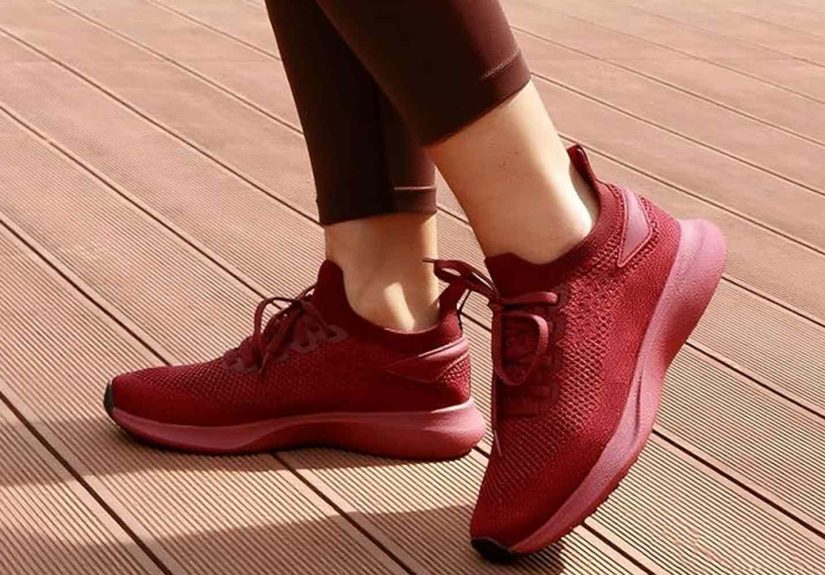
The appeal starts with a simple truth: a lot of people are tired of paying premium prices for basic comfort. The Abboos slip-on sneaker lands in a sweet spot that many shoppers love. It has the sporty, everyday look people want for errands, commuting, dog walks, casual travel, and light workouts. It also leans into features that matter for daily wear, including a breathable knit or mesh-style upper, lightweight construction, a rubber outsole for traction, and a flexible fit that does not feel stiff right out of the box.
That last part matters more than marketing departments would like to admit. One of the fastest ways to ruin a shoe’s honeymoon period is to make people “break it in” for a week while their heels negotiate a peace treaty with the back collar. A good walking shoe should feel pretty good from the start. If it feels like a tiny revenge project against your feet on day one, it probably won’t become your go-to comfort shoe by day ten.
This sneaker also benefits from being simple. It is not overloaded with aggressive styling, complex overlays, or a sole that makes you feel like you borrowed footwear from a moon mission. It is casual, flexible, and easy to pair with leggings, joggers, jeans, shorts, or travel clothes. That versatility helps explain why shoppers see it as more than a gym shoe. It is the pair by the doorthe one you grab when you do not want to think too hard.
Why Shoppers Say They Can Walk Miles in It Without Pain
1. It feels light on the foot
One of the most common reasons people abandon otherwise “supportive” shoes is that they feel clunky. A shoe can have cushioning, but if it feels heavy, stiff, or awkward, it becomes a chore on long days. Many shoppers seem to like this sneaker because it does not feel like a brick with shoelaces. Lightweight walking sneakers can reduce that dragging sensation that makes every extra block feel personally offensive.
2. The upper is breathable
Breathability is not just a summer bonus. When shoes trap heat and moisture, comfort drops fast. Feet get sweaty, socks get damp, and friction starts doing its nasty little side hustle. A knit or mesh upper helps airflow, which makes a shoe feel more wearable for long walks, travel days, and work shifts. A breathable sneaker often feels more forgiving, especially when your feet swell slightly over the course of the day.
3. The cushioning seems soft enough for daily walking
Shoppers frequently rave about shoes that feel “cloud-like,” and yes, that phrase has been stretched so far it could qualify as yoga. Still, the general point holds: people want enough cushioning to soften impact on sidewalks, concrete, airport floors, and store aisles. This sneaker seems to hit a comfort zone for casual walkers and all-day wearers who want relief from that hard-surface fatigue without stepping into a maximalist platform shoe.
4. The fit appears flexible, not rigid
Another reason budget-friendly sneakers sometimes win is that soft uppers can feel more adaptable than stiff fashion sneakers. A snug but flexible fit can be more forgiving during long days, especially for people who do not enjoy shoes that squeeze the forefoot like an overly ambitious handshake. When shoppers say they walked miles in these without pain, they are usually praising that combination of soft structure, enough cushioning, and a fit that does not punish movement.
5. The outsole adds grip and confidence
Comfort is not just about softness. Stability matters too. A sneaker with a decent rubber outsole and reliable traction can feel better simply because it feels safer. When you are walking on smooth store floors, sidewalks, wet pavement, or the endlessly mysterious surfaces of public transit stations, grip matters. A shoe that feels planted is less tiring than one that makes you walk like you are auditioning for a low-budget ice-skating drama.
What Experts Say a Good Walking Shoe Should Actually Have
Here is where the conversation gets smarter than the average sale headline. Experts on walking shoes and foot health generally point to the same core ingredients: cushioning, support, breathability, a stable heel, a roomy toe area, and a fit that feels right immediately. That is important because a shoe does not need to be expensive to check several of those boxes, but it does need to fit your body and your use case.
If you walk often, look for enough cushioning to absorb impact on hard surfaces. If you stand for long hours, arch support and stability matter more. If your feet run hot, breathable materials are a huge plus. If your toes feel cramped, a roomier forefoot or toe box may be the difference between “These are my new favorites” and “Why do my feet hate me by lunch?”
Experts also consistently emphasize fit. The heel should feel secure without slipping. The midfoot should feel snug, not tight. The front of the shoe should leave enough room for your toes to move naturally. A general rule of thumb is to leave about a finger’s width between your longest toe and the end of the shoe. That space helps account for swelling and forward movement while walking. It is not glamorous advice, but neither is losing a toenail because your shoes fit like stubborn denim.
Another big point: a comfortable shoe should not require an act of faith. You should not buy a pair thinking, “These hurt now, but maybe they’ll become kind in three months.” Great walking shoes usually feel pretty good right away. They may soften slightly with wear, but they should not begin their relationship with you by causing blisters, pressure points, or arch agony.
Where a $22 Sneaker Makes Senseand Where It Doesn’t
The most useful way to think about this shoe is as a strong value play, not a miracle cure. It likely makes the most sense for shoppers who want an affordable walking sneaker for everyday life: neighborhood walks, errands, casual travel, commuting, standing at work, light gym use, or weekends when comfort matters more than performance metrics. If you want something easy, breathable, lightweight, and budget-friendly, it checks a lot of appealing boxes.
It may be especially appealing for people who rotate shoes often and do not want to overinvest in a pair they will use for general wear. For example, if you need a comfortable travel sneaker that can handle airports, sightseeing, and coffee runs without looking too technical, this kind of slip-on design is convenient. If you need something for a long retail shift, classroom day, or busy household routine, it may also hit the right balance between comfort and affordability.
But let’s keep our feet on the groundliterally and financially. A budget sneaker is not always the right solution for everyone. If you have significant plantar fasciitis, chronic Achilles pain, severe overpronation, recurring ankle instability, bunions that demand more space, diabetic neuropathy, or a need for prescription orthotics, you may need a more specialized shoe. Likewise, if you are training for serious mileage, power walking daily on hard surfaces, or spending entire weekends on rugged terrain, a more structured walking or running shoe might serve you better.
In other words, this shoe can be a smart buy for comfort, but it is not a replacement for medical advice, custom orthotics, or footwear designed for specific biomechanical needs. A cheap sneaker that fits well is wonderful. A cheap sneaker that fits badly is still a bad shoe, just with a smaller receipt.
How to Know if This Sneaker Will Work for You
Try the late-day test
Your feet often swell as the day goes on, especially if you have been walking a lot. Trying on walking shoes later in the day gives you a more realistic idea of how they will feel when life is life-ing. A shoe that feels perfect at sunrise but cramped by dinner is not actually perfect.
Wear your real socks
Try the sneakers with the socks you actually plan to wear. Thick athletic socks, no-show socks, compression socks, and cushioned walking socks all change fit. The “surprise, these feel different now” moment is best avoided before the return window closes.
Check toe room and heel hold
Your toes should not hit the front when you walk, and your heel should not slip excessively. If the laces are adjustable, use them. One overlooked detail about budget sneakers is that proper lacing can dramatically improve comfort, security, and overall fit.
Walk indoors first
Before committing to a five-mile outing, wear them indoors for a decent stretch. Walk around the house, stand in them, take stairs, and see whether any hot spots develop. Your kitchen is less romantic than a boardwalk, but it is a much better place to discover heel rubbing.
Pay attention to your body, not just the hype
If your arches ache, your toes feel cramped, or your knees start complaining, take the hint. Viral shoes are not soulmates. Sometimes the internet falls in love with a sneaker that your feet would rather block.
Why the Value Proposition Is the Real Story
The most compelling part of this sneaker is not just the low price. It is the idea that everyday comfort does not always require elite branding or a fancy foam acronym. Plenty of shoppers are perfectly happy paying more for established performance shoes from major brands, and there is absolutely a place for those models. But there is also a growing audience for affordable walking shoes that handle normal life well enough to earn repeat wear.
That is what this Abboos sneaker seems to offer: not prestige, not athlete worship, not a promise that your calves will suddenly become Olympic materialjust a practical, comfortable option for people who walk a lot and hate overpaying. In a market packed with dramatic claims, that kind of plain usefulness feels refreshingly honest.
Extra Experiences: What Long-Walk Shoppers Usually Love About a Sneaker Like This
Across shopper feedback on affordable walking sneakers, the same real-life experiences come up again and again. The first is the “accidental long day.” This is when someone buys a shoe for basic errands and suddenly ends up walking far more than expectedthrough a warehouse store, around a downtown district, between terminals at an airport, or across a vacation destination where “just a quick stroll” somehow becomes 18,000 steps. For many shoppers, the biggest compliment a shoe can get is not that it looks stylish in the box. It is that they forgot about it while wearing it. No burning arches, no annoying heel rub, no dramatic sock adjustment every 20 minutes. Just walking.
Another common experience is all-day standing on hard floors. Nurses, teachers, retail workers, office staff who bounce between desks and meetings, and parents who are essentially part-time logistics coordinators all understand the misery of concrete, tile, and laminate. A shoe that feels fine for a ten-minute try-on can turn traitor by hour six. That is why shoppers get so enthusiastic when a budget sneaker handles a full shift without making their feet feel flattened like old cardboard. When people compare a low-cost shoe to more expensive brands, they are usually reacting to that end-of-day feeling. If their feet are not throbbing when they finally sit down, the shoe feels like a win.
Travel is another big theme. People love a sneaker they can slip on quickly, wear through security, pair with multiple outfits, and keep on for a full sightseeing day. Heavy travel shoes can be supportive, sure, but they can also feel bulky in luggage and awkward with casual clothes. A lightweight knit sneaker has a different charm. It packs easily, dries faster than chunky leather styles, and often feels less fussy during long vacation days. For budget-conscious travelers, a shoe like this can feel like a small miracle: comfortable enough for city wandering, cheap enough that a spilled airport coffee does not trigger a personal financial crisis.
There is also the “I bought one pair and came back for another color” experience. That kind of repeat purchase usually says two things. First, the fit worked. Second, the shopper trusted the shoe enough to make it part of regular life. People do not usually reorder shoes that merely survive. They reorder shoes that quietly become useful: the pair for grocery runs, dog walks, casual Fridays, road trips, and every moment when comfort beats fashion drama.
Of course, not every experience is glowing. Some shoppers will want more structure, more arch support, more width options, or a more premium insole. That is normal. Budget sneakers succeed when expectations are realistic. The smartest shoppers are not asking a $22 shoe to replace a medical device or a high-mileage training model. They are asking it to be comfortable, breathable, easy to wear, and kind to tired feet. When it does that well, it earns the most valuable review of all: people keep reaching for it.
Final Take
If the phrase comfortable sneakers under $30 usually makes you suspicious, that is fair. The market is full of shoes that photograph well, price aggressively, and feel disappointing by lunchtime. But this under-the-radar slip-on sneaker stands out because shoppers describe the kind of comfort that matters in the real world: long walks, hard floors, travel days, quick errands that turn into marathons, and all-day wear that does not end in regret.
The smartest way to view this shoe is as an affordable everyday option with surprisingly strong comfort appeal. It is not guaranteed to be perfect for every foot, and it is not a replacement for specialized support when you truly need it. But for shoppers who want a breathable, lightweight, low-cost sneaker that can handle serious daily mileage better than its price suggests, this one makes a convincing case. Sometimes the best walking shoe is not the loudest or the most expensive. Sometimes it is just the pair that lets you keep moving without complainingand leaves enough money in your wallet for coffee afterward.